
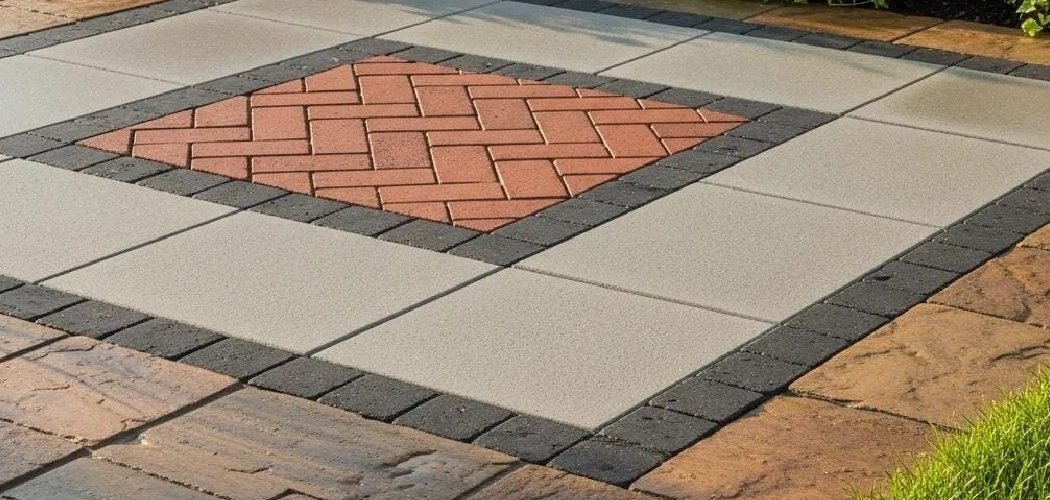
A homeowner once pointed me toward his patio and asked why bright orange stains had bloomed all over his pale limestone the summer after he laid it. He’d been power-washing it every weekend on full blast, and the pressure had blasted right through the surface, opening the pores and exposing iron in the stone that rusted with every rainfall. What he thought was a deep clean was actually the thing wrecking his patio.
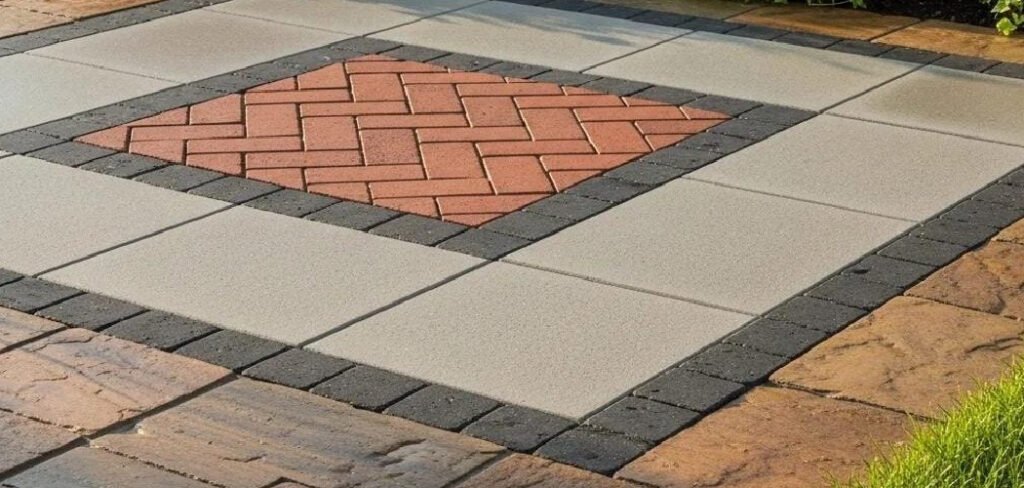
Limestone outdoors takes a beating that indoor stone never sees — algae, weather, foot traffic, and whatever falls off the trees. Knowing how to clean limestone pavers means working gently, respecting how soft and porous the stone is, and never reaching for the pressure washer trigger like it’s a garden hose. Do it right and your pavers stay bright and solid for years.
What You’ll Need
You probably have most of this in the shed already. The one item people skip is a pH-neutral stone cleaner, and skipping it is what turns a routine wash into etch damage.
- A pH-neutral stone cleaner (label should say “safe for natural stone”)
- A soft-bristle deck brush or push broom — never a wire brush
- A garden hose with a spray nozzle
- Two buckets — one for solution, one for rinse
- Warm water
- Mild dish soap (a few drops, for light cleaning)
- Oxygen bleach (sodium percarbonate) for algae and organic stains
- A poultice mix — baking soda and hydrogen peroxide — for oil and rust spots
- A pressure washer with a wide fan tip (25° or 40°), only if you know how to use it gently
- A penetrating stone sealer for periodic resealing
- Rubber gloves and closed-toe shoes
Stay away from acidic cleaners, vinegar, muriatic acid, and generic patio or concrete cleaners. They etch limestone and strip whatever sealer is protecting it.
Check the Weather and the Sealer First
Before you start, look at two things. First, the forecast — you want a dry, mild day with no rain for at least 24 hours so the pavers can dry fully and any sealer you apply can cure. Second, test the sealer: drip water on the stone and watch. If it beads, dirt is sitting on top and will lift easily. If it soaks in and darkens, the sealer’s worn and the stone will drink up anything you spill.
I always scheduled paver cleaning for early autumn when I could. The heavy algae growth from a damp summer is at its peak, but the milder temperatures mean cleaner doesn’t flash-dry on the stone before you can rinse it — which is exactly when you get streaks.
The Step-by-Step Cleaning Process
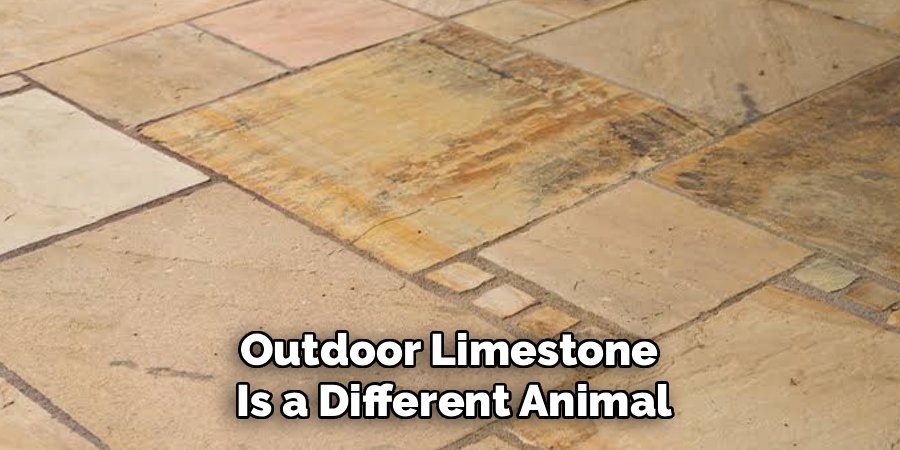
Outdoor limestone is a different animal from an indoor floor. It gets biological growth in the joints, weather staining, and ground-in grit, so you clean it in stages rather than one quick mop. Work through these in order.
Clear and Sweep the Surface
Move the furniture, planters, and grill off the pavers first. Then sweep the whole area with a stiff broom to pull up leaves, loose grit, and debris, paying attention to the joints where dirt and seeds collect. Getting this off dry means you’re not turning it into a muddy paste the moment water hits.
Pull Weeds and Clear the Joints
Tackle any weeds or moss growing between the pavers before you wash. Pull them by hand or with a joint knife so you get the roots, not just the tops. Leaving them means they’re back in weeks, and their roots hold moisture against the stone that feeds more growth.
Mix a pH-Neutral Cleaning Solution
Fill one bucket with warm water and add pH-neutral stone cleaner at the label’s dilution, or a few drops of mild dish soap for a light clean. Fill the second bucket with plain water for rinsing your brush. Don’t overdo the cleaner — extra strength doesn’t clean better, it just leaves residue that grabs dirt and dulls the surface.
Scrub in Sections With a Soft Brush
Wet a section of pavers with the hose, then work your cleaning solution in with a soft-bristle deck brush using steady, even strokes. Scrub along the joints and over any darkened patches. Do it in manageable sections so the cleaner never dries on the stone before you rinse. A wire brush will scratch limestone, so keep to soft bristles only.
Treat Algae and Organic Stains
For the green and black patches that come with shade and damp, mix oxygen bleach (sodium percarbonate) with warm water per the label, spread it over the growth, and let it dwell for 10 to 15 minutes. It breaks down algae, moss, and mildew without the harshness of chlorine bleach, which can lighten the stone unevenly. Give it a light scrub, then rinse.
Rinse Thoroughly and Low-Pressure
Rinse each section with a garden hose until the water runs clear and no cleaner film is left behind. If you use a pressure washer, fit a wide 25° or 40° fan tip, keep it at least 12 inches off the surface, and sweep it steadily — never hold it in one spot. High pressure at close range opens the pores and, on iron-bearing limestone, sets you up for the rust staining I mentioned at the start.
Lift Oil and Rust With a Poultice
For a set-in oil, grease, or rust spot, draw it out rather than scrubbing. Mix baking soda with hydrogen peroxide into a thick paste, spread it over the stain, cover with plastic, and leave it 24 to 48 hours. As it dries, it pulls the stain up out of the pores. Repeat for stubborn spots — patience beats scrubbing every time.
Safe vs. Damaging: What to Use and What to Avoid
| Safe to Use | Avoid |
| pH-neutral stone cleaner | Vinegar, lemon, or citrus cleaners |
| Oxygen bleach for algae | Muriatic acid and acidic patio cleaners |
| A few drops of mild dish soap | Chlorine bleach (uneven lightening) |
| Soft-bristle deck brush | Wire brushes and metal scrapers |
| Wide fan tip, low pressure, from a distance | Full-blast pressure washing up close |
| Poultice for oil and rust | Scrubbing stains aggressively |
That last pressure-washing row is the one that catches people out. It feels like the fastest way to clean a patio, but on soft limestone it strips the surface, blows out the jointing sand, and exposes the stone to staining you’ll be fighting for years.
Common Mistakes to Avoid
Blasting with a pressure washer. Full pressure up close erodes the surface, opens the pores, and can trigger rust staining. Use low pressure, a wide tip, and keep your distance — or skip it entirely.
Using acidic cleaners. Vinegar, lemon, and acid-based patio cleaners etch limestone permanently. They feel like a strong clean but they’re eating the stone.
Reaching for chlorine bleach on algae. It works, but it can lighten pale limestone unevenly and leave you with patchy stone. Oxygen bleach does the job gently.
Letting cleaner dry on the surface. On a warm day, solution flashes off before you rinse and leaves streaks and residue. Work in small sections and rinse as you go.
Ignoring the joints. Weeds and moss between pavers hold moisture against the stone and keep coming back. Clear the roots, not just the surface.
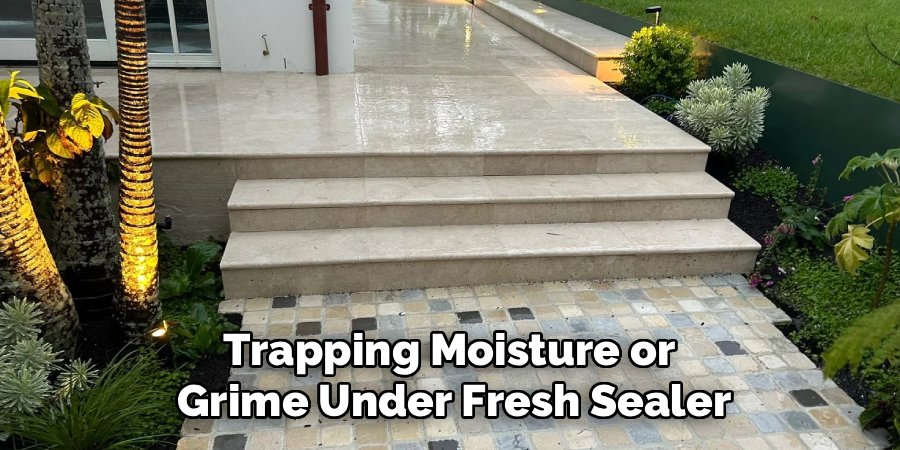
Sealing over a damp or dirty surface. Trapping moisture or grime under fresh sealer leaves a cloudy, blotchy finish. Let it dry fully first.
Safety and Warnings
This is mostly a low-hazard outdoor job, but a few things keep you and the stone safe.
- Never mix cleaning products. Don’t combine bleach with any acid or ammonia — the fumes are toxic. Stick to one product at a time, and rinse thoroughly between different cleaners.
- Test any product in a hidden spot. Try it on a paver behind a planter or in a corner, wait a few minutes, and check for lightening or dulling before doing the whole patio.
- Watch the pressure washer. The spray can throw grit and debris at your face and legs, and it kicks back hard. Wear closed-toe shoes and eye protection, and never point it at anyone.
- Mind your footing. Wet limestone, especially with algae, gets dangerously slick. Work backward toward a clear edge so you’re not crossing wet, soapy stone.
- Wear gloves. Oxygen bleach and repeated wetting dry out and irritate skin over a long session.
- Ventilate and time your sealer. Sealers give off fumes as they cure — work outdoors with the product, follow the drying time, and keep foot traffic and pets off until it’s set.
Maintenance and Prevention Tips
The patios that still looked good years after I first cleaned them all had owners who did small things regularly. A little upkeep saves you the big rescue job.
- Reseal every one to two years. A penetrating sealer keeps water, oil, and stains sitting on top instead of soaking in. Use the water-bead test to know when it’s time — high-traffic and shaded areas need it sooner.
- Sweep regularly. Keeping leaves and grit off the pavers stops organic staining and stops grit grinding into the surface underfoot.
- Clear standing water and improve drainage. Puddles feed algae and darken the stone. Make sure water runs off rather than pooling.
- Trim back overhanging plants. Shade and dripping foliage are what grow the algae in the first place. More sunlight means far less green.
- Wipe spills fast. Grill grease, spilled wine, and acidic drinks stain and etch. Blot them up as soon as they land.
- Keep the joints filled. Topped-up jointing sand blocks weeds and stops water working down between the stones.
- Do a light wash yearly. A gentle full clean once a season stops buildup ever getting bad enough to need heavy treatment.
FAQ
What is the best cleaner for limestone pavers?
A pH-neutral stone cleaner is your safest, most effective choice for general cleaning. For algae and organic growth, use oxygen bleach (sodium percarbonate), which lifts the green and black without harshly lightening the stone. Avoid anything acidic or any generic patio and concrete cleaner, because those etch and stain limestone.
Can you pressure wash limestone pavers?
You can, but carefully. Use a wide fan tip (25° or 40°), keep the nozzle at least a foot from the surface, and sweep steadily without pausing in one spot. Full-pressure, close-range washing erodes the soft surface, blows out the jointing sand, and can expose iron in the stone that rusts. When in doubt, a soft brush and hose is safer.
How do you remove algae and green stains from limestone?
Mix oxygen bleach with warm water, spread it over the growth, and let it dwell for 10 to 15 minutes before a light scrub and rinse. It’s gentler than chlorine bleach and won’t leave patchy light spots. To stop it coming back, improve drainage and cut back any overhanging plants that keep the area damp and shaded.
Why do my limestone pavers have orange or rust stains?
Rust stains usually mean iron deposits within the stone have oxidized, often after aggressive pressure washing opened the pores, or from nearby metal furniture and fixtures. Draw the stain out with a baking soda and hydrogen peroxide poultice, then reseal to protect the surface. Skip harsh acidic rust removers — they’ll etch the limestone.
How often should you seal limestone pavers?
Most limestone pavers need resealing every one to two years, though shaded, high-traffic, or wet areas wear through sooner. Test with a few drops of water — if it soaks in and darkens the stone within minutes, it’s time to reseal. If it beads on top, the sealer’s still working.
Can you use vinegar to clean limestone pavers?
No. Vinegar is acidic and limestone is calcium-based, so it etches the surface and leaves dull, permanent marks. The same goes for lemon juice and any acid-based patio cleaner. Stick to pH-neutral products and oxygen bleach only.
Go gentle on the pressure, clear the joints before you wash, and let everything dry fully before you seal — those three habits do most of the work. Stay on top of the algae and reseal on schedule, and your pavers keep their pale, solid look season after season.
