
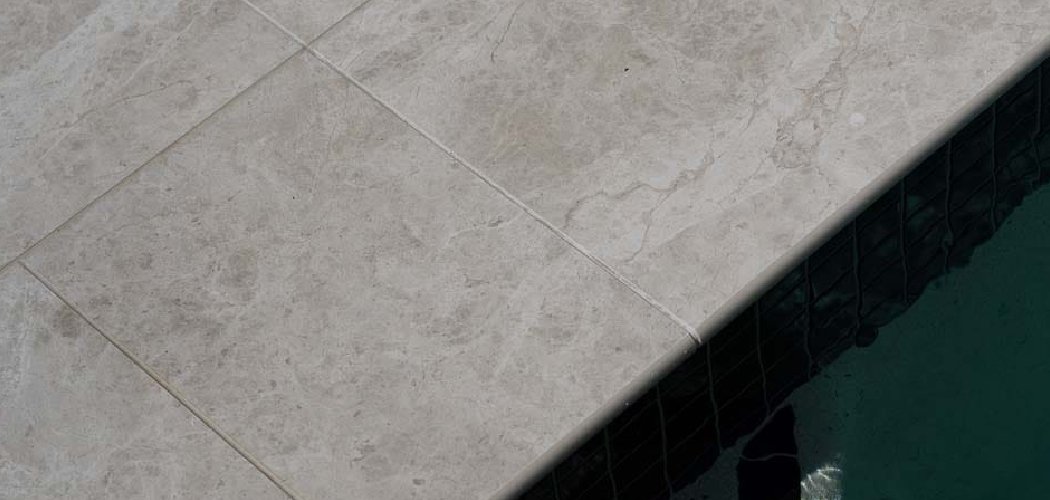
A client once handed me a bottle of lemon-scented “stone-safe” spray and asked why her cream limestone kitchen floor had dull white rings all over it. The spray was mildly acidic, and every drop that sat on the surface had etched it. Those rings weren’t dirt — they were tiny craters eaten into the stone, and no amount of scrubbing was ever going to buff them out.
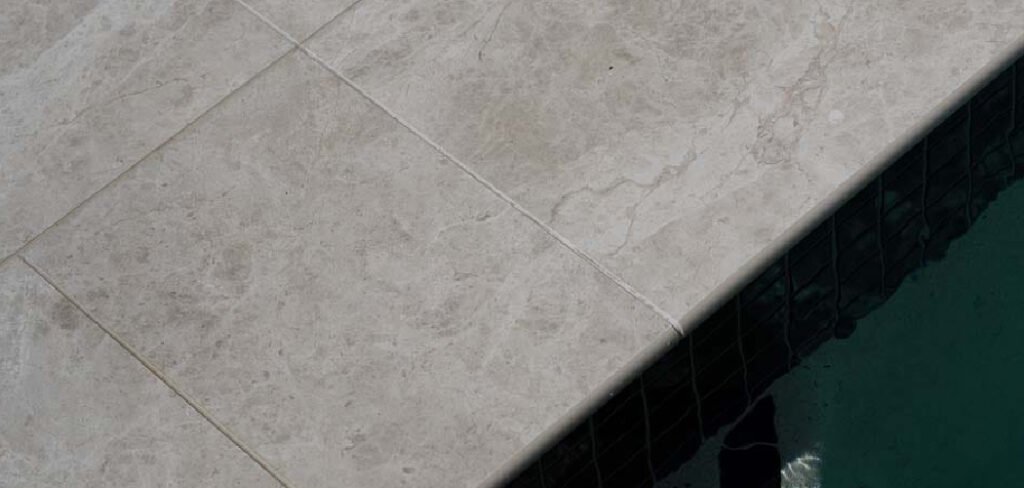
Limestone is soft, porous, and reacts to acid the way a chalkboard reacts to a wet sponge. Knowing how to clean limestone floors comes down to one habit: keep everything acidic away from them and lift dirt gently before it grinds in. Get that right, and a limestone floor stays warm and glowing for decades.
What You’ll Need
None of this is exotic, and you likely own most of it already. The item people skip most is a pH-neutral cleaner — and that skip is exactly what puts those etch marks in the floor.
- A pH-neutral stone cleaner (check the label — it should say “safe for natural stone” or “pH neutral”)
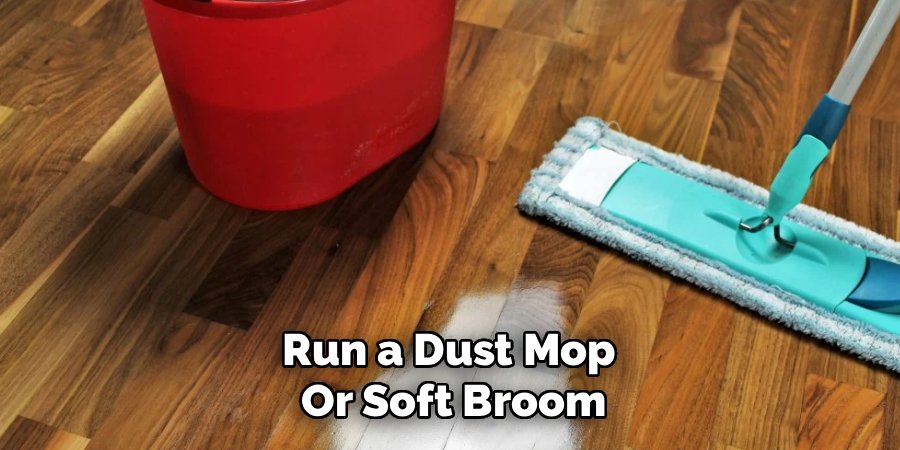
- A dust mop or soft-bristle broom
- Two buckets — one for cleaning solution, one for clean rinse water
- A microfiber flat mop or soft string mop
- Warm water
- A soft microfiber cloth for spills and spot work
- Mild dish soap (a couple of drops only, for light routine cleaning)
- Hydrogen peroxide and a little baking soda for a stain poultice
- Felt furniture pads
- A penetrating stone sealer (for periodic resealing)
- Rubber gloves
Steer clear of anything with vinegar, lemon, ammonia, or generic bathroom and tile cleaners. Those either etch the surface, strip your sealer, or both.
Test Your Sealer Before You Start
Before you touch a mop, find out whether your floor is sealed and how well. Drip a few drops of water in a low-traffic corner and wait five minutes. If the water beads on top, your sealer is holding and dirt sits on the surface where it’s easy to lift. If the water soaks in and darkens the stone, the sealer has worn thin and the floor will absorb spills fast — you’ll want to reseal after cleaning.
I used to run this test in every entryway first, because entry areas wear through their seal years before the rest of a floor does. Traffic patterns tell you where to focus.
The Step-by-Step Cleaning Process
Limestone shows dirt differently than tile. It doesn’t get grimy so much as it gets dull, because fine grit acts like sandpaper underfoot and slowly abrades the finish. Work through these steps in order, and keep water to a minimum — this stone holds moisture and hates sitting wet.
Dry Dust the Floor First
Start completely dry. Run a dust mop or soft broom over the whole floor to pick up sand, grit, and hair. This step matters more on limestone than almost any other floor, because that loose grit is what dulls the surface when you drag a wet mop through it. Get every corner and the edges along baseboards where grit collects.
Mix a pH-Neutral Cleaning Solution
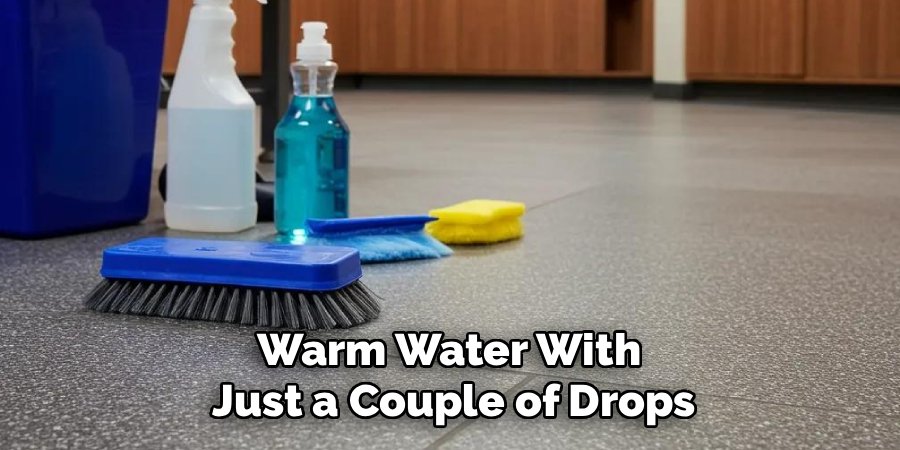
Fill one bucket with warm water and add pH-neutral stone cleaner at the dilution on the label. For a light routine clean, two drops of mild dish soap in a full bucket of warm water is gentle enough. Fill the second bucket with plain warm water for rinsing. Don’t make the solution stronger than directed — leftover residue dulls the stone and attracts dirt within days.
Damp Mop in Small Sections
Wring your mop until it’s damp, not dripping. Limestone should never sit under standing water, so a barely-wet mop is the goal. Work in small sections, mopping with the grain of any veining, and rinse your mop head often in the plain-water bucket so you’re not pushing dirty water around. Change your cleaning water the moment it looks cloudy.
Rinse Away Cleaner Residue
Go back over each cleaned section with the plain rinse water and a wrung-out mop. This lifts any leftover cleaning film that would otherwise dull the finish and grab dirt. Skipping the rinse is the reason so many “clean” limestone floors still look hazy — the haze is dried residue, not the stone.
Dry the Surface Promptly
Don’t let limestone air-dry in puddles. Go over it with a dry microfiber cloth or a clean, dry mop to pull up moisture, especially in grout lines and low spots where water pools. The faster it dries, the less chance water works into the pores and leaves a dark spot or feeds mildew.
Lift Set-In Stains With a Poultice
For an oil, wine, or coffee stain that’s soaked in, skip the scrubbing and draw it out instead. Mix hydrogen peroxide with a little baking soda into a thick paste, spread it over the stain, cover it with plastic wrap, and tape the edges. Leave it 24 to 48 hours, then wipe it away. The poultice pulls the stain up out of the pores as it dries — patience does the work here, not elbow grease.
Safe vs. Damaging: What to Use and What to Avoid
| Safe to Use | Avoid |
| pH-neutral stone cleaner | Vinegar, lemon, or any citrus cleaner |
| A couple drops of mild dish soap | Ammonia and glass cleaners |
| Warm water, damp mop only | Bleach and tile/bathroom cleaners |
| Hydrogen peroxide poultice for stains | Abrasive scouring powders or pads |
| Soft microfiber or string mop | Steam mops |
| Dust mop for daily grit | Standing water and soaking wet mops |
That steam mop row surprises people. Steam forces hot moisture into the pores and degrades the sealer, and on a stone this soft it does slow, invisible damage you won’t notice until the floor starts staining easily everywhere.
Common Mistakes to Avoid
Using acidic or “natural” cleaners. Vinegar and lemon feel safe because they’re food, but they etch limestone on contact and leave permanent dull spots. This is the single most common damage I got called to look at.
Skipping the dry dust step. Mopping over loose grit grinds it into the surface and scratches away the finish over time. Always dust first.
Soaking the floor. Limestone absorbs water fast. A sopping mop leaves dark patches, feeds mildew in the grout, and breaks down the sealer.
Leaving cleaner to dry on the surface. Residue films the stone and dulls it. Rinse every section.
Scrubbing set-in stains. Aggressive scrubbing on a stain just spreads it and roughens the surface. Use a poultice and let it pull the stain out.
Ignoring spills. A glass of wine or a splash of vinaigrette left for an hour can etch and stain at the same time. Wipe spills immediately.
Safety and Warnings
This is a low-hazard job — mostly you’re protecting the floor, not yourself — but a few rules keep both safe.
- Never mix cleaning products. Even though you’re sticking to gentle cleaners here, never combine bleach with ammonia or acid; the fumes are toxic. On limestone you shouldn’t be using any of those anyway, so keep it simple: one pH-neutral cleaner at a time.
- Test any new product in a hidden spot. Try it in a closet corner or under an appliance, wait a few minutes, and check for dulling or color change before doing the whole floor.
- Wear gloves for longer sessions. Even mild cleaners dry out your hands over a full floor, and repeated wringing is rough on the skin.
- Watch your footing. Damp limestone gets slick, especially if it’s polished. Work backward toward a doorway so you’re not walking across wet stone.
- Ventilate if you ever use a sealer. Penetrating sealers give off fumes as they cure. Open windows, run a fan, and follow the product’s drying time before walking on the floor.
Maintenance and Prevention Tips
The limestone floors that still looked new years later all belonged to people who did small things consistently. A little routine beats a big rescue clean every time.
- Reseal on a schedule. A penetrating sealer every one to two years keeps spills sitting on the surface instead of soaking in. Use the water-bead test to know when it’s time — in entryways and kitchens, expect to reseal sooner.
- Dust mop daily or every other day. Keeping grit off the floor is the biggest thing you can do to protect the finish, and it takes two minutes.
- Put down mats at every entrance. Most of the grit that scratches your floor walks in on shoes. A mat inside and out catches it before it spreads.
- Wipe spills the second they happen. Acidic foods — citrus, wine, tomato, vinegar dressings — etch fast. Blot, don’t wipe, so you’re not dragging the spill across more stone.
- Use felt pads under furniture. Chair and table legs scratch limestone easily, and dragging furniture leaves marks you can’t polish out.
- Skip the “convenient” cleaners. Most all-purpose sprays and mopping solutions are slightly acidic or leave residue. Keep a pH-neutral stone cleaner on hand so you’re never tempted to grab the wrong bottle.
FAQ
What is the best cleaner for limestone floors?
A pH-neutral stone cleaner labeled safe for natural stone is your best and safest choice. For light everyday cleaning, warm water with just a couple of drops of mild dish soap works fine. Avoid anything acidic, ammonia-based, or marketed as a tile or bathroom cleaner, because those etch or strip the surface.
Can you use vinegar on limestone floors?
No. Vinegar is acidic, and limestone is calcium-based, so the acid eats into the surface and leaves dull, permanent etch marks. The same goes for lemon juice and any citrus-based cleaner. Stick to pH-neutral products only.
Why does my limestone floor look dull?
Usually it’s one of three things: residue from the wrong cleaner, fine grit scratching the finish, or acid etching from spills or acidic products. Rinse thoroughly after cleaning, dust mop regularly to remove grit, and check whether spills have etched the surface. If the dullness is etching, resealing won’t fix it — but switching your cleaning routine stops it getting worse.
How often should you seal limestone floors?
Most limestone floors need resealing every one to two years, though high-traffic areas like kitchens and entryways wear through sooner. Test by dripping water on the surface — if it soaks in and darkens the stone within a few minutes, it’s time to reseal. If it beads up, the sealer is still doing its job.
Can you use a steam mop on limestone?
Skip the steam mop. The hot moisture forces its way into the pores and breaks down the sealer, which leaves the stone open to staining. Limestone does best with a barely-damp microfiber mop and a pH-neutral cleaner, never heat and steam.
How do you remove stains from limestone floors?
Draw the stain out with a poultice rather than scrubbing. Mix hydrogen peroxide with a little baking soda into a thick paste, spread it over the stain, cover with plastic wrap, and leave it 24 to 48 hours before wiping away. Repeat if the stain is deep — patience pulls it out of the pores far better than scrubbing.
Keep acid away, dust before you mop, and never let the floor sit soaking wet — those three habits do most of the work. Do them consistently and your limestone keeps its soft, warm glow for years, no etch rings or dull patches in sight.
