
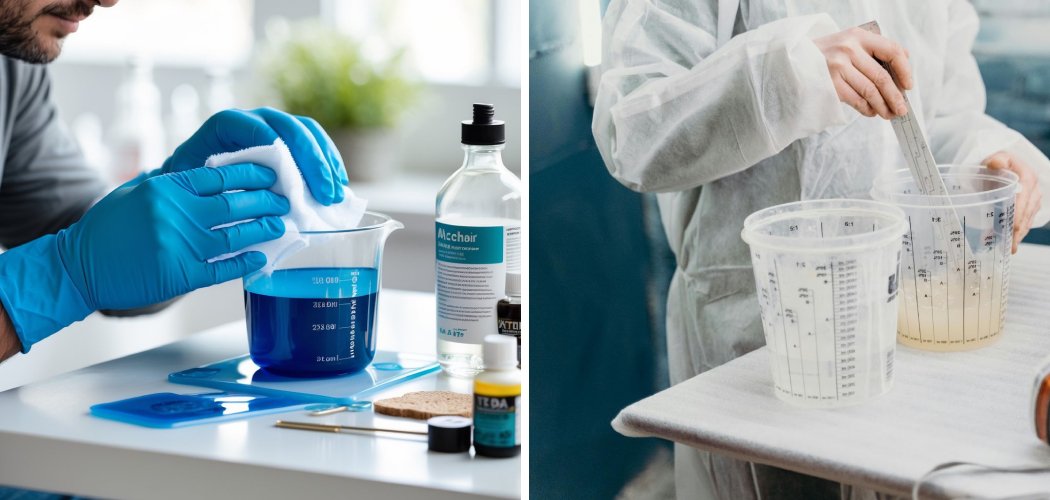
You grab a cotton pad, soak it in acetone, and wipe down your favorite resin tumbler to get rid of a sticky spot — and within seconds the glossy surface turns milky and dull. That cloud isn’t coming out. Acetone eats into cured epoxy, and one panicked wipe can ruin a piece you spent hours pouring.
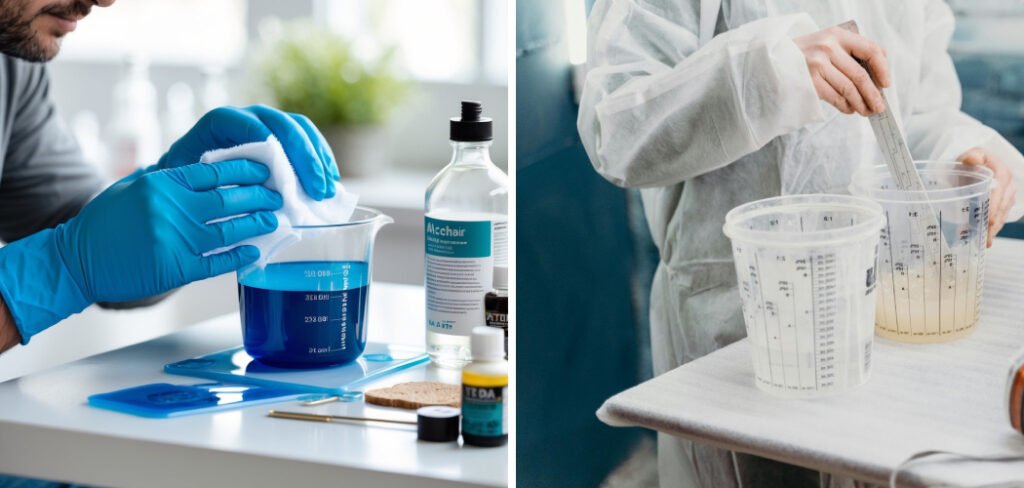
Cured resin looks tough, but it’s softer and more solvent-sensitive than glass or ceramic, so the way you’d scrub a coffee mug will scratch or haze it. Learning how to clean a cup of resin comes down to gentle products, lukewarm water, and a light touch. Get those three right and your cup stays crystal clear for years.
What You’ll Need
- Mild dish soap (a plain, non-citrus formula)
- A soft microfiber cloth or two
- A soft sponge — the non-scratch side only
- Lukewarm water (never hot)
- A small bowl or basin
- Baby oil or a resin-safe polish (for restoring shine)
- Cotton swabs for grooves and handles
- A soft-bristled toothbrush for textured or embedded designs
Keep everything soft and gentle here. No scouring pads, no magic erasers, no bleach. If you’re cleaning a cup with glitter, dried flowers, or other embeds sealed under the resin, those decorative layers are only as protected as the surface above them — a scratch that reaches an embed can let water creep in and discolor it over time.
Rinse Off Loose Debris First
Hold the cup under a stream of lukewarm water and let it carry away crumbs, dust, and any loose residue before you touch it with a sponge. This one step prevents most scratches, because grinding a dry gritty particle across the surface is exactly how fine swirl marks appear.
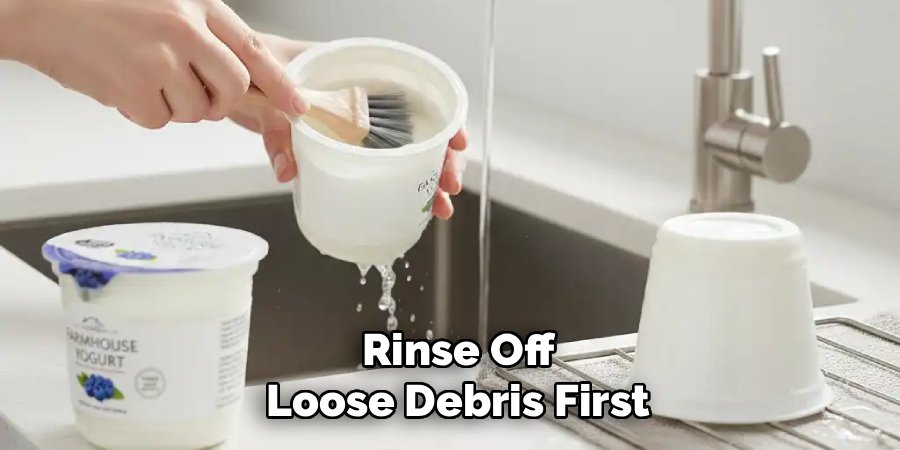
Skip hot water entirely. Cured resin has a low heat tolerance, and repeated exposure to very hot water can soften the surface, leave it tacky, or cause slow warping — especially on thinner-walled cups.
Wash With Mild Soap and a Soft Sponge
Add a drop of mild dish soap to your basin of lukewarm water and swish it into a light lather. Dip your soft sponge, wring it out, and wipe the cup in gentle circles. Let the soap do the work instead of leaning into it with pressure.
Reach the Handle, Rim, and Grooves
Cups with molded handles, ridges, or a lid thread trap soap and grime in the tight spots. Run a cotton swab or a soft toothbrush along those areas so you’re not leaving a film behind. Around the drinking rim, be extra gentle — that edge takes the most contact and shows wear first.
Handle Textured or Embedded Designs
For cups with a bumpy finish or embedded elements, work the soft toothbrush lightly across the texture rather than scrubbing one spot hard.
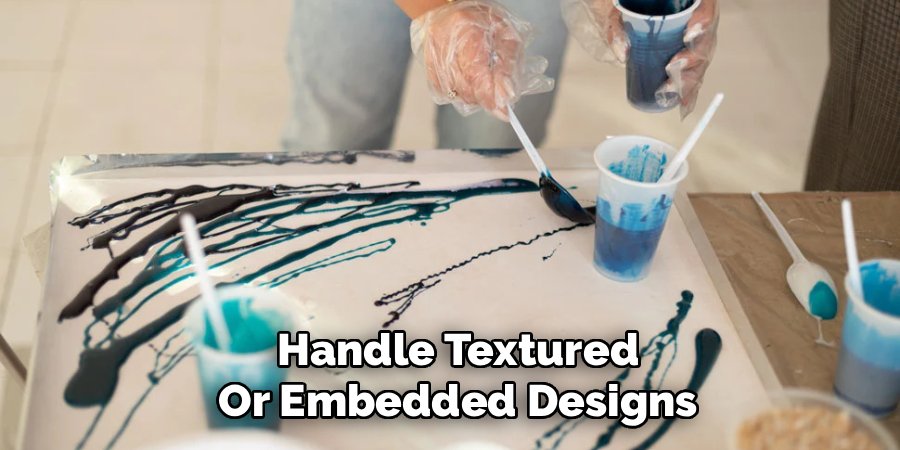
Short, feather-light strokes lift residue without stressing the resin.
Rinse Clean and Check for Film
Rinse the whole cup under lukewarm water until the water runs clear and the surface no longer feels slippery. Soap film left behind dries into a dull haze that people often mistake for damaged resin. Tilt the cup toward the light and look for streaks — if you see any, rinse again.
Dry With Microfiber, Not Paper
Pat and buff the cup dry with a soft microfiber cloth right away. Air-drying leaves water spots, and paper towels can drag tiny fibers and micro-scratches across the finish. Dry the inside fully too, especially the base, since trapped moisture in a lidded cup turns musty fast.
Restore the Shine
If your cup looks a little flat after cleaning, put a pea-sized drop of baby oil on a clean microfiber cloth and buff it over the surface in small circles, then wipe away any excess. This brings back that wet-look gloss without harsh polishes. A quick buff like this once a month keeps a resin cup looking freshly poured.
What To Use vs. What To Avoid
The wrong product doesn’t just clean poorly — it permanently damages the surface.
| Cleaning Job | What To Use | What To Avoid |
| Everyday washing | Mild dish soap + lukewarm water | Acetone, nail polish remover |
| Scrubbing tool | Soft sponge or microfiber | Steel wool, scouring pads |
| Tough spots | Soft toothbrush, light pressure | Magic erasers (they micro-abrade) |
| Water temperature | Lukewarm only | Hot or boiling water |
| Disinfecting | Diluted soap, thorough rinse | Bleach, harsh solvents |
| Restoring gloss | Baby oil or resin-safe polish | Abrasive polishing compounds |
Common Mistakes to Avoid
- Reaching for acetone or nail polish remover. These solvents dissolve and cloud cured resin on contact. There’s no undo — keep them nowhere near the cup.
- Using hot or boiling water. Heat softens resin and can leave it tacky or warped. Lukewarm is the ceiling.
- Scrubbing with abrasive pads. Steel wool, scouring pads, and even melamine “magic erasers” leave a haze of fine scratches that dull the finish.
- Putting it in the dishwasher. High heat plus harsh detergent is the fastest way to ruin a resin cup. Almost every resin cup is hand-wash only.
- Letting it air-dry. Water spots and mineral deposits build up and cloud the surface over time. Buff it dry instead.
- Soaking it for long stretches. Extended submersion, especially in warm water, can soften the finish and creep into any weak seam around embeds.
- Ignoring soap film. Rushing the rinse leaves a dull residue people wrongly blame on the resin itself.
Safety and Warnings
Cleaning a fully cured resin cup is low-risk, but a few situations call for real caution.
Never clean or drink from a cup made with a resin that isn’t food-safe. Many craft epoxies are labeled for decorative use only. If a cup wasn’t poured with a certified food-grade, fully cured resin, treat it as decor — not a drinking vessel — no matter how well you clean it.
Watch for tacky or uncured spots. If any part of the cup feels sticky, it isn’t fully cured, and uncured resin can irritate or sensitize your skin. Don’t try to scrub a tacky patch clean. Wear gloves if you must handle it, and keep that cup out of the food-and-drink rotation until it’s properly cured or retired.
Skip the solvents, and if you ever use one, ventilate. Acetone and similar solvents give off strong fumes and are flammable. They’ll damage your cup anyway, so there’s rarely a reason to reach for them — but if you’re stripping a failed piece rather than cleaning a good one, do it in a well-ventilated space, away from heat, with gloves on.
Never mix cleaning products. Combining bleach with other cleaners can release toxic gas. For a resin cup you don’t need either — plain mild soap and water handle everything.
Maintenance and Prevention Tips
- Wash by hand after each use. A quick, gentle wash stops stains and odors from setting into the surface.
- Dry it right away. Buffing with microfiber every time prevents water spots and keeps the gloss even.
- Store it out of direct sunlight. Prolonged UV exposure yellows resin, especially clear pours. A cabinet or shaded shelf keeps it clear longer.
- Keep it away from heat. Don’t leave a resin cup in a hot car, near a stove, or beside a radiator — heat is resin’s biggest long-term enemy.
- Buff with a drop of oil monthly. A light baby-oil polish refreshes the shine and masks the tiny wear marks that build up with daily use.
- Use it for cool and room-temperature drinks. Save resin cups for iced coffee and water rather than piping-hot beverages, which stress the finish over time.
- Inspect embeds and seams now and then. Catching a small chip or lifting edge early lets you keep water out before it discolors anything underneath.
Frequently Asked Questions
Can you use acetone to clean a resin cup?
No. Acetone dissolves and clouds cured epoxy resin almost instantly, and the damage is permanent. Stick to mild dish soap and lukewarm water for cleaning. Acetone only has a place in stripping down a failed piece you intend to redo — never in routine cleaning.
Is it safe to put a resin cup in the dishwasher?
No. The dishwasher’s high heat softens the resin and can warp or dull it, while harsh detergents haze the surface. Resin cups are hand-wash only. A soft sponge, mild soap, and lukewarm water keep them clear and undamaged.
Why did my resin cup turn cloudy or foggy?
Cloudiness usually comes from one of a few things: hot water, an abrasive pad, leftover soap film, or contact with a solvent like acetone. A gentle re-wash and thorough rinse clears soap haze, and a light baby-oil buff can restore some shine. Deep scratches or solvent damage, though, don’t fully reverse.
How do you get the shine back on a dull resin cup?
Buff a pea-sized drop of baby oil or a resin-safe polish over the surface with a soft microfiber cloth, working in small circles, then wipe off the excess. This restores the glossy, wet look without abrasives. If the dullness is soap film rather than wear, a proper rinse alone often does the trick.
Can you drink from a resin cup safely?
Only if it was made with a certified food-grade resin and is fully cured. Many decorative epoxies aren’t rated for food contact and shouldn’t hold drinks at all. When in doubt about the resin used, treat the cup as decor and keep it out of your drinkware rotation.
How often should you clean a resin cup?
Wash it by hand after every use with mild soap and lukewarm water, then buff it dry. Add a light oil polish about once a month to keep the finish glossy. This gentle, regular routine prevents the buildup and haze that harsher one-off cleanups tend to cause.
Final Word
Treat a resin cup like the soft, heat-sensitive material it is: mild soap, lukewarm water, a soft cloth, and no solvents. Buff it dry every time and give it an occasional oil polish, and you’ll keep that glassy shine looking freshly poured for years.
