
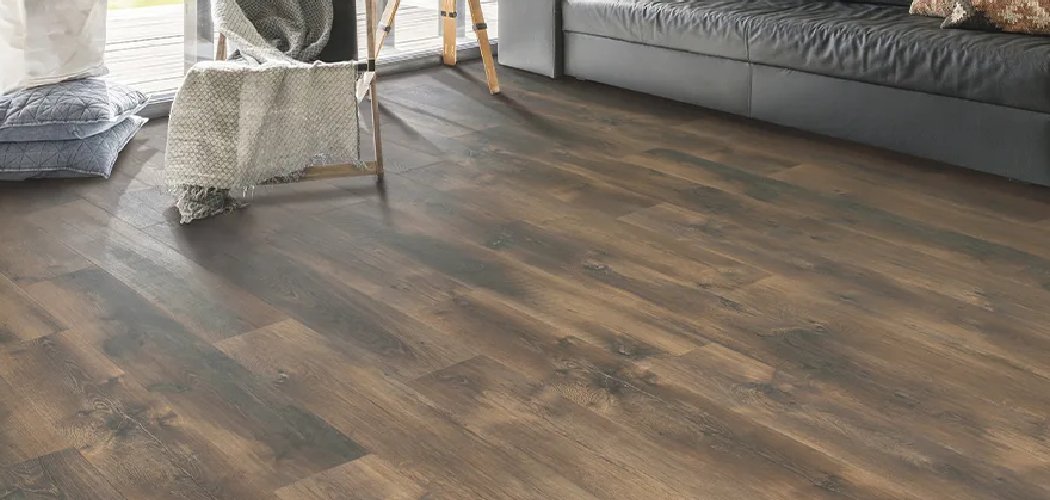
A woman in one of my regular buildings dragged a steam mop across her brand-new RevWood kitchen floor because a blog told her steam “sanitizes without chemicals.” Three weeks later the planks along the sink had swollen at the edges and the printed grain looked cloudy and lifted. Steam had forced heat and moisture through the seams and into the core — and that damage is permanent.
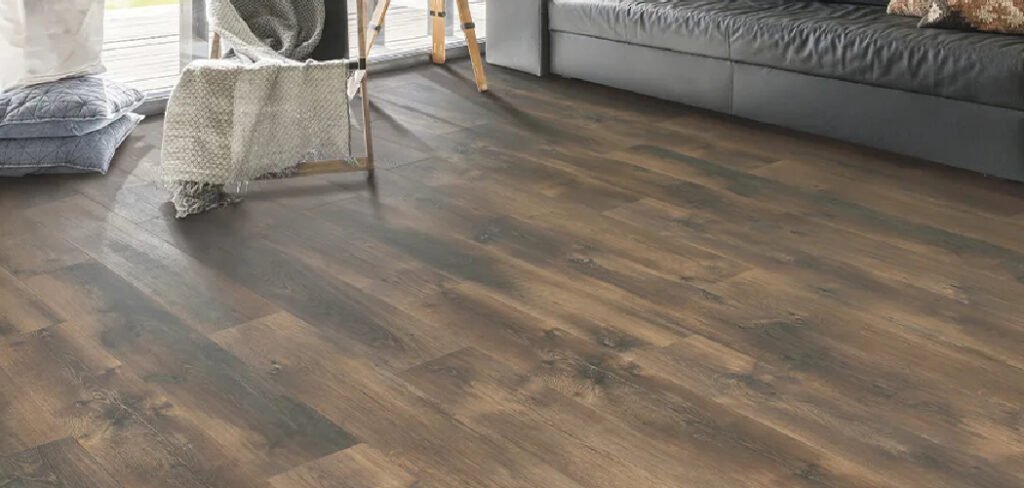
That single story explains almost everything about caring for this floor. Learning how to clean Mohawk RevWood flooring comes down to one rule: it’s a wood-based laminate with a printed decorative layer, so it handles damp, not wet, and heat is the enemy. Get that right and the rest is genuinely quick.
What You’ll Need
Nothing fancy here. Most of this is probably already under your sink, and the goal is to keep water use low.
- A soft-bristle broom or a dust mop
- A vacuum with the beater bar turned OFF (or a hard-floor setting)
- A microfiber flat mop
- Two microfiber pads or cloths (one to clean, one to dry)
- A spray bottle
- Mohawk’s own floor cleaner, or a pH-neutral laminate/hard-floor cleaner
- Warm water
- A clean, dry towel for spills and drying
- A plastic putty knife or old gift card for stuck-on gunk
Skip the wax, the oil soap, the vinegar, and anything labeled “polish” or “restorer.” On a laminate wear layer those either build up into a haze or dull the finish, and none of them belong on RevWood.
Sweep or Vacuum Before Anything Touches the Floor
Grit is what actually wears down a RevWood floor, not foot traffic. Every bit of sand and dust acts like sandpaper under your shoes, so dry-cleaning first isn’t optional — it’s the step that protects the finish long-term.
Sweep daily in busy spots like entryways and kitchens, or run a dust mop. If you vacuum, switch off the rotating beater bar; that spinning brush can scuff the wear layer and flick debris around rather than lifting it. Pay attention to the plank seams and along baseboards, where fine grit collects and hides.
Spot-Clean Spills and Sticky Marks Right Away
RevWood’s surface is tough, but standing liquid is still the thing most likely to work its way into a seam over time. Wipe spills as they happen with a dry or barely damp cloth.
For sticky spots — dried juice, food, a scuff of something tacky — dampen a microfiber cloth with warm water and press on it for a few seconds to soften it, then wipe. If it’s really stuck, use the edge of a plastic putty knife or an old gift card at a low angle. Never a metal blade or a scouring pad, both of which scratch straight through the print layer.
Damp-Mop the Whole Floor the Right Way
This is the main event, and “damp” is the word that matters. Your mop pad should feel barely moist to the touch, never dripping.
- Sweep or vacuum the whole area first so you’re not pushing grit around.
- Mix your cleaner. Use Mohawk’s cleaner as directed, or a few drops of pH-neutral cleaner in warm water. Go light — more product means more residue.
- Spray the cleaner directly onto the microfiber pad, or lightly onto the floor in a small section — not a big puddle.
- Mop in the direction of the planks, working in manageable sections so nothing sits wet for long.
- Wring the pad out often. If it’s leaving visible wet streaks that don’t vanish in seconds, it’s too wet.
- Follow behind with a dry microfiber cloth or towel on any area that still looks damp, especially near seams and doorways.
- Let the floor air-dry fully before walking on it in socks or setting furniture back down.
A thing clients used to ask me constantly: “Why does my laminate look streaky and dull after I mop?” Nine times out of ten it was too much cleaner and too much water. RevWood shows residue fast because of its low-gloss finish. Lighter really is better here — a nearly-dry pad and a quick dry-wipe leaves it looking crisp instead of filmy.
Dry the Seams and Edges
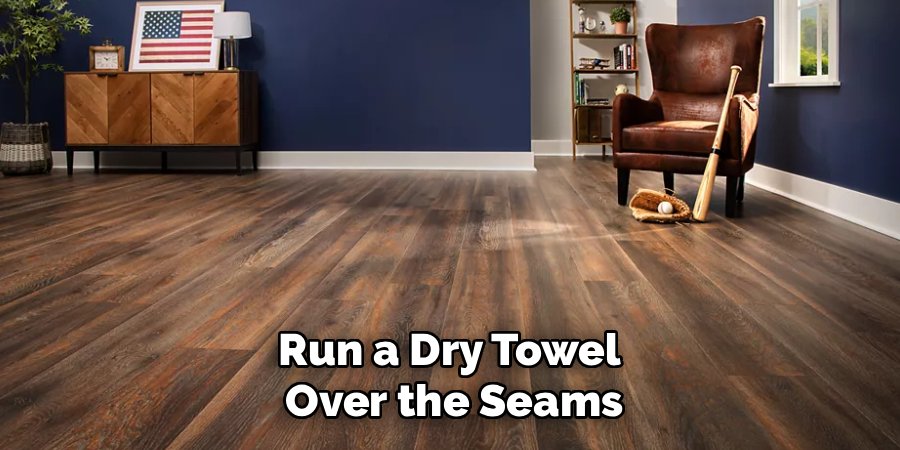
Don’t skip this because the floor “looks dry.” Water beads and lingers in the micro-gaps between planks and along the baseboard line, and that’s exactly where swelling starts. Run a dry towel over the seams and edges after mopping, then leave a window cracked or a fan running if the room’s humid so it dries out completely.
What to Use vs. What to Avoid
| Use This | Avoid This |
| Microfiber flat mop, barely damp | Steam mop or steam cleaner |
| Mohawk cleaner or pH-neutral hard-floor cleaner | Vinegar, ammonia, or bleach solutions |
| Warm water, used sparingly | Soaking wet or sopping string mops |
| Soft broom / dust mop | Wax, oil soap, or floor polish |
| Vacuum with beater bar off | Vacuum with rotating beater bar on |
| Plastic putty knife for stuck gunk | Metal blades, steel wool, scouring pads |
| Dry-wipe to finish | Letting water sit in seams |
The steam-mop row is the one that catches people out most. Manufacturers of steam mops love to market them as safe for “sealed floors,” but RevWood’s decorative layer is a printed image under a wear coat — heat and pressurized moisture are two things it’s specifically not built to take. When in doubt, that’s the line to remember.
Common Mistakes to Avoid
Using a steam mop. Heat and moisture drive into the seams, swell the core, and can cloud the print layer. This is the fastest way to ruin the floor.
Over-wetting. A dripping string mop or a big puddle of cleaner leaves water sitting in the seams. Damp only, every time.
Reaching for vinegar. It gets pushed online as a “natural” cleaner, but acidic solutions can dull and etch the wear layer over repeated use. Stick to pH-neutral.
Waxing or polishing. RevWood already has its finish built in. Wax and polish just build up into a sticky haze that’s a nightmare to strip back off.
Leaving the beater bar on. That spinning brush scuffs the surface and scatters the grit you’re trying to remove.
Ignoring the entry points. Most grit and grief comes in on shoes at the door. Skip a mat there and you’re cleaning far more often than you need to.
Safety and Warnings
There’s no toxic-fume risk with routine RevWood cleaning, but there’s real risk to the floor itself — and one product rule worth flagging.
- Never mix cleaning products. Even for a simple floor, don’t combine bleach with ammonia or acids — it releases dangerous fumes. Honestly, you shouldn’t be using any of those on RevWood anyway. One pH-neutral cleaner is all you need.
- Test a new cleaner in a hidden spot. Try it in a closet corner or under furniture first, and check for dulling or residue before doing the whole room.
- Keep the floor barely damp, never wet. Standing water is the single biggest threat to the plank cores and seams.
- Dry slippery spots fast. A freshly mopped or spilled-on RevWood floor gets slick. Dry it and keep foot traffic off until it’s fully dry to avoid falls.
- Follow the warranty terms. Mohawk’s warranty can be affected by using the wrong products or a steam cleaner. Check your specific product’s care sheet — cleaning it correctly protects the coverage, too.
Maintenance and Prevention Tips
The RevWood floors that still looked new years after install all belonged to people who did small things constantly instead of deep-cleaning occasionally.
- Put mats at every entrance. A good doormat outside and a washable mat inside stops most grit and moisture at the door. This one habit cuts your cleaning in half.
- Take shoes off, especially heels and cleats. Stiletto heels and sports cleats can dent even a tough laminate. A no-shoes rule saves the finish.
- Add felt pads under furniture. Stick felt on chair and table legs, and check them every few months — a worn pad with grit embedded in it scratches like sandpaper.
- Wipe spills the moment they happen. Water, pet accidents, and drips don’t get a grace period near the seams. Blot them right away.
- Manage indoor humidity. Laminate expands and contracts with the seasons. In damp summers or dry winters, keeping indoor humidity reasonably steady reduces gapping and edge stress — worth knowing if you run heating hard in winter.
- Trim pet nails and use a lifting mat under water bowls. Nails scuff, and bowls leak; both are easy to head off.
- Deal with dragging. Lift furniture to move it, never drag. Use furniture sliders for anything heavy.
FAQ
Can you use a steam mop on Mohawk RevWood flooring?
No. Steam mops force heat and moisture into the seams and the printed decorative layer, which causes swelling, clouding, and permanent damage. Using one can also void your warranty. Stick to a barely-damp microfiber mop instead.
What is the best cleaner for RevWood floors?
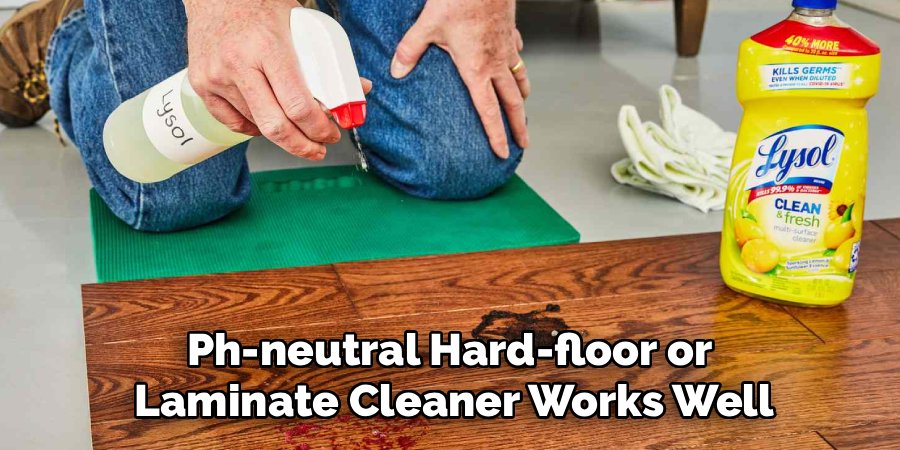
Mohawk’s own floor cleaner is the safest bet, but any pH-neutral hard-floor or laminate cleaner works well. Use it sparingly — spray it onto the mop pad rather than flooding the floor — and avoid vinegar, ammonia, bleach, wax, and oil soap.
Is RevWood waterproof, so can I wet-mop it?
RevWood has strong water resistance, and some lines carry a waterproof rating, but that doesn’t mean you should soak it. Standing water can still work into the seams over time. Always damp-mop and dry any lingering moisture along the edges and joints.
Why does my RevWood floor look streaky or cloudy after cleaning?
Almost always too much cleaner or too much water. The low-gloss finish shows residue quickly. Use less product, keep the mop nearly dry, and follow with a dry microfiber cloth to buff away streaks.
How do I get scuff marks or sticky spots off RevWood?
Dampen a microfiber cloth with warm water and press on the spot to soften it, then wipe. For scuffs, a pencil eraser or a little pH-neutral cleaner on a cloth usually lifts them. For stuck gunk, use the edge of a plastic putty knife or old card — never metal or a scouring pad.
How often should I clean RevWood flooring?
Sweep or dust-mop daily in high-traffic areas to control grit, and damp-mop about once a week, or more often in kitchens and entryways. Spot-clean spills immediately whenever they happen.
Match your effort to the floor’s one weakness — moisture and heat — and you’ll barely have to think about it. Keep it swept, keep the mop damp not wet, and skip the steam and the wax entirely. Do that, and your RevWood will look as sharp in five years as it did the day it went down.
