
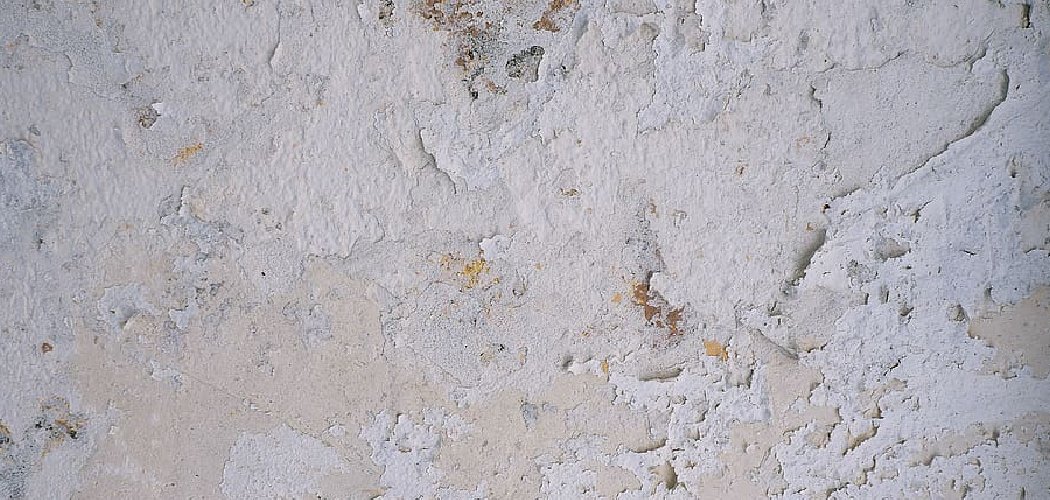
A homeowner once called me out in a panic after she’d sprayed her cream-colored limestone garden wall with a strong acidic patio cleaner to shift some green mold. Within an hour the acid had eaten into the stone, leaving pale, rough, weeping patches that no amount of cleaning could bring back — because limestone is calcium carbonate, and acid literally dissolves it. What started as a bit of surface mold became a permanent scar down the whole wall.
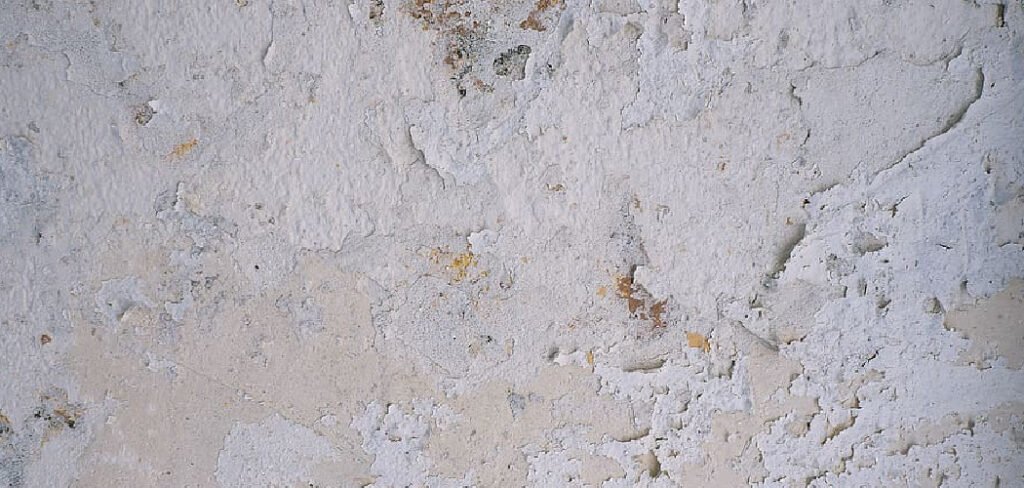
That single mistake is the most important thing to understand before you touch the surface. Learning how to clean mold and rust from outside limestone walls is far less about scrubbing power and more about picking products that won’t react with the stone. Get the chemistry right and the job is genuinely easy; get it wrong and you’re looking at costly restoration.
What You’ll Need
Most of this you’ll already have. The one thing people skip is a proper soft-bristle brush — they reach for a wire brush, and that’s how limestone ends up scratched and pitted.
- A soft-bristle nylon brush or masonry brush (never wire)
- A garden hose with a spray nozzle
- Two buckets (one for solution, one for rinse water)
- pH-neutral stone cleaner or a specialist limestone cleaner
- Household oxygen bleach (sodium percarbonate) — NOT chlorine bleach
- A dedicated rust remover that’s safe for natural stone (look for oxalic-acid-free or stone-specific formulas)
- Warm water
- A microfiber cloth or soft sponge for spot work
- Plastic sheeting to protect nearby plants
- Rubber gloves and safety glasses
Leave the vinegar, lemon, and any brick or patio acid in the shed. On limestone they’ll burn the surface, and that damage doesn’t wash off.
Protect Surrounding Plants and Test First
Before anything else, drape plastic sheeting over any plants, borders, or grass at the base of the wall. Even the mild cleaners you’ll use can stress greenery if they run off in quantity, and rust removers are worse.
Then test your chosen cleaner on a hidden section — a low corner, or a spot behind a downpipe. Wait ten minutes and check for any lightening, roughness, or fizzing. Fizzing means the product is acidic and reacting with the stone, so stop immediately and rinse. Limestone varies enormously in hardness between quarries, and a product that’s fine on one wall can mark another, which is why this step isn’t optional.
Rinse and Loosen the Surface Dirt
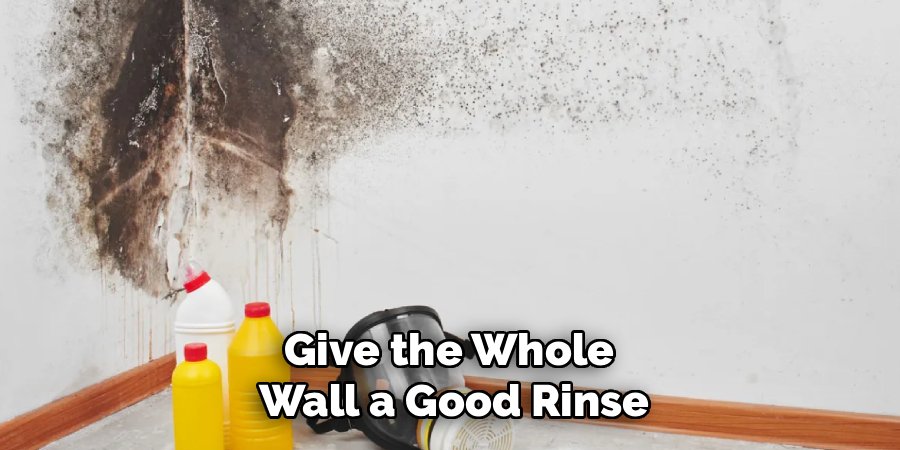
Give the whole wall a good rinse with the hose first. Warm water and a soft brush will lift a surprising amount of the loose mold and grime before you apply any product, and clearing that top layer means your cleaner works on the stubborn stuff rather than the easy stuff.
Work from the bottom up on the first wet-down. It sounds backward, but pre-wetting the lower stone stops dirty runoff from soaking into dry, thirsty limestone below and leaving streaks you’ll have to chase later.
Treat the Mold with Oxygen Bleach
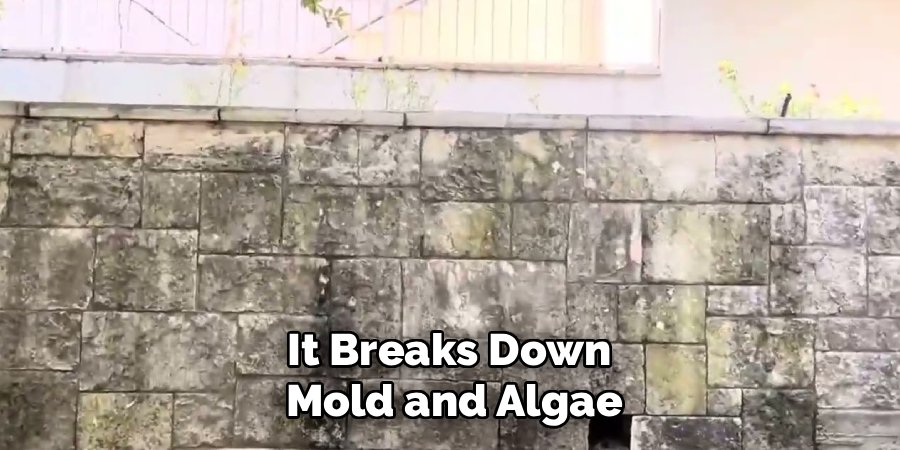
Mold, mildew, and green algae respond well to oxygen bleach, which is safe for limestone and far gentler on plants than chlorine bleach.
- Mix the oxygen bleach with warm water per the label — warm water activates it properly, so don’t use cold.
- Brush or sponge the solution generously onto the moldy areas.
- Let it dwell for 10 to 15 minutes. Keep it damp; if it starts drying in the sun, mist it again.
- Agitate gently with your soft-bristle brush, working the bristles into the texture and any mortar joints.
- Rinse thoroughly with clean water from the hose.
- Repeat once on any patches that resist, rather than scrubbing harder or leaving it on longer.
Something clients used to ask me about all the time: why the mold came straight back after a chlorine-bleach clean. Chlorine bleach knocks back the color of the mold so the wall looks clean, but it doesn’t always kill the root growth in porous stone — so it regrows within weeks. Oxygen bleach lifts and breaks it down more thoroughly, and it won’t discolor the stone.
Tackle Rust Stains Separately
Rust needs its own treatment — it’s usually bleeding from metal fixings, railings, hanging baskets, or the iron content in nearby soil, and no mold cleaner will touch it.
- Choose a rust remover labeled safe for natural stone. Many general rust removers use strong acids that will etch limestone, so read the label carefully.
- Apply it only to the rust-stained area, not the whole wall.
- Let it dwell for the time stated on the label — usually a few minutes.
- Blot and lift with a soft cloth, then rinse the area well.
- Repeat if the stain has faded but not gone. Old rust that has penetrated deep may need two or three passes.
Fix the source too. If a metal bracket is bleeding rust, cleaning the wall is pointless until you seal, replace, or reposition that bracket, or the stain simply returns with the next rain.
Rinse Down and Let It Dry
Rinse the entire wall from top to bottom until the water runs clear and no product is left sitting in the joints or on the surface. Leftover cleaner attracts dirt and can leave a faint film. Then let the wall air-dry fully before you judge the result — wet limestone always looks darker and patchier than it will once dry, so don’t panic and re-treat a spot that just needs another hour in the air.
Safe vs. Damaging: What to Use and What to Avoid
| Safe to Use | Avoid |
| pH-neutral or specialist limestone cleaner | Vinegar, lemon, or any acidic cleaner |
| Oxygen bleach for mold and algae | Chlorine bleach (regrowth + discoloration) |
| Soft-bristle nylon or masonry brush | Wire brushes and metal scrapers |
| Stone-safe rust remover on spots only | Brick/patio acid or general strong rust acids |
| Warm water and gentle agitation | High-pressure jet washing |
| Plastic sheeting to protect plants | Letting runoff soak untreated into borders |
| Testing in a hidden spot first | Treating the whole wall blind |
The acid row is the one that catches people out. Vinegar gets recommended online as a “natural” cleaner for everything, but “natural” doesn’t mean “safe for stone.” On limestone, mild acid still dissolves the calcium carbonate — you’re just doing the damage slightly slower than with a strong one.
Common Mistakes to Avoid
Using acidic cleaners. Vinegar, lemon, brick acid, and most patio cleaners eat into limestone and leave permanent etched, roughened patches. This is the single most damaging mistake.
Reaching for a pressure washer. Limestone is soft and porous, and a high-pressure jet blasts out the surface and the mortar joints, driving water deep into the stone. A hose and brush is all you need.
Using chlorine bleach on mold. It bleaches the color out so the wall looks clean, but the growth often returns fast in porous stone. Oxygen bleach works better and won’t discolor.
Treating rust with a mold cleaner (or vice versa). They’re different problems needing different products. Mixing them up wastes time and can spread the stain.
Ignoring the rust source. If a metal fixing is bleeding rust, the stain comes back every time it rains until you deal with the metal itself.
Skipping the test patch. Limestone hardness varies by quarry, so what worked on a friend’s wall might mark yours. Always test first.
Safety and Warnings
This job carries real risk to both the stone and to you, so take these seriously.
- Never mix cleaning products. Combining bleach with acids or ammonia releases toxic fumes. Use one product at a time and rinse the wall thoroughly between different treatments.
- Wear gloves and eye protection. Oxygen bleach and rust removers irritate skin and eyes, and rust removers in particular can splash. Rubber gloves and safety glasses are non-negotiable.
- Test in a hidden spot first. Beyond protecting the finish, this also confirms the product isn’t reacting dangerously with the stone.
- Protect plants and drainage. Cover greenery, and don’t let concentrated runoff pour into borders, ponds, or drains. Rinse plants with plain water if any solution reaches them.
- Work in ventilated conditions. Outdoors helps, but on enclosed courtyards or between close walls, fumes still build up. Keep air moving and take breaks.
- Mind your footing and ladders. Wet stone and wet ground get slippery. If the wall is tall, use a stable ladder or platform and keep your hoses out of your path.
Maintenance and Prevention Tips
The limestone walls that stayed clean for years between my visits all belonged to owners who did small, regular things instead of waiting for a green sheet of mold to force a big job.
- Brush the wall down each season. A quick dry-brush and hose-off removes spores and grime before they take hold, especially on shaded, north-facing sections.
- Cut back overhanging plants. Mold and algae thrive in damp shade, so opening up airflow and light around the wall is the best prevention there is.
- Fix drainage and splashback. Water pooling at the base or splashing off paving keeps the lower stone permanently damp — exactly where mold starts. Sort the drainage and you starve the mold of moisture.
- Deal with rust sources early. Paint, seal, or replace metal fixings and brackets before they start bleeding. Set metal planters and ornaments on pads, not directly on the stone.
- Consider a breathable stone sealer. A proper vapor-permeable limestone sealer reduces water absorption while letting the stone breathe. Never use a non-breathable sealer — trapped moisture causes worse damage than the mold did.
- Time your big clean right. Late spring or early autumn in dry weather is ideal, giving the wall time to dry fully and letting you spot regrowth before winter damp sets in.
FAQ
What kills mold on limestone walls without damaging the stone?
Oxygen bleach (sodium percarbonate) mixed with warm water is the safest effective option. It breaks down mold and algae, won’t discolor the stone, and is far gentler on nearby plants than chlorine bleach. Let it dwell, agitate with a soft brush, and rinse thoroughly.
Can I use vinegar to clean limestone?
No. Limestone is calcium carbonate, and vinegar — even though it’s mild and “natural” — is acidic and will dissolve and etch the surface, leaving rough, dull patches. Stick to pH-neutral or specialist stone cleaners and oxygen bleach.
How do I get rust stains off limestone?
Use a rust remover that’s specifically labeled safe for natural stone, applied only to the stained area rather than the whole wall. Let it dwell per the label, blot with a soft cloth, rinse well, and repeat if needed. Crucially, fix whatever metal item is causing the rust, or the stain returns.
Can you pressure wash limestone walls?
It’s best avoided. Limestone is soft and porous, and high-pressure jets erode the surface, blast out mortar joints, and force water deep into the stone. A garden hose and a soft-bristle brush clean it safely without that damage.
Why does mold keep coming back on my wall?
Usually because the wall stays damp and shaded, or because a previous chlorine-bleach clean only removed the color rather than the growth. Improve airflow and drainage, cut back overhanging plants, and clean with oxygen bleach to break the growth down more completely.
Should I seal my limestone wall after cleaning?
You can, but only with a breathable, vapor-permeable stone sealer applied to a fully dry wall. It reduces water absorption and slows mold’s return. Never use a non-breathable sealer on limestone — it traps moisture inside the stone and causes worse damage over time.
Match the treatment to the problem — oxygen bleach for mold, a stone-safe remover for rust — and keep every acid well away from the stone. Fix the damp and the rust source rather than just the symptoms, and your limestone will stay clean far longer between cleans.
