
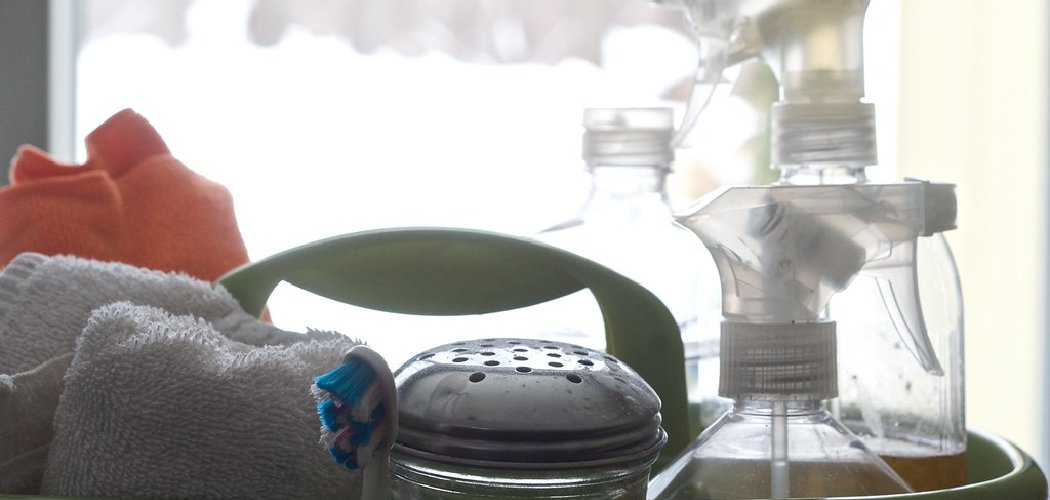
You mixed a fresh batch of glass cleaner, gave your mirror a spritz, and got two weak squirts followed by a wheezing sputter. Then nothing. The trigger clicks, but no spray comes out. Nine times out of ten, that clogged nozzle isn’t broken—it’s caked with dried cleaner and mineral gunk that built up while the bottle sat in a cabinet.
Knowing how to clean a spray bottle properly saves you from tossing a perfectly good sprayer every few months. It takes about fifteen minutes, most of it hands-off soaking time, and it keeps your bottle spraying a fine mist instead of a sad dribble.
What You’ll Need
- Warm water
- Mild dish soap
- White vinegar
- A small bowl or jar
- A straight pin, sewing needle, or paperclip
- A soft bottle brush or old toothbrush
- Rubbing alcohol (isopropyl) for oily residue
- A funnel (optional, but handy)
- A clean towel for drying
Nothing on this list is special. If you’ve cleaned a shower drain, you already own most of it.
Empty and Rinse the Bottle First
Pour out whatever’s left inside. Don’t just top it off with water and hope for the best—old cleaner mixed with new cleaner is how you get cloudy residue and weird chemical reactions.
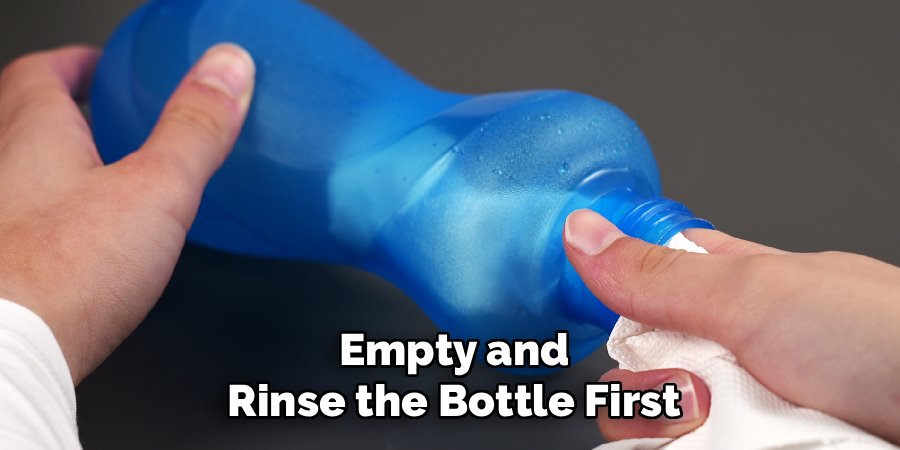
Fill the bottle about a third full with warm water, screw the trigger back on, and pump it several times over a sink. This flushes the old liquid out of the tube and trigger mechanism, not just the bottle body. Keep pumping until the water runs clear.
Soak the Bottle in Soapy Water
Fill the bottle with warm water and a few drops of dish soap. Cap it—not with the sprayer, just your hand or a lid—and shake it hard for fifteen seconds.
Let it sit for ten minutes. If the bottle held something greasy like a degreaser or an oil-based product, swap the dish soap for a splash of rubbing alcohol, which cuts through oily film far better than soap alone.
Clear the Spray Nozzle and Trigger
This is where most clogs live. Unscrew the trigger assembly and hold it up to the light—you’ll often see a crusty ring around the nozzle tip.
Take your straight pin and gently poke it into the tiny nozzle hole to break up the dried buildup. Work it in and out a few times. Then submerge the whole trigger head in a cup of warm water mixed with equal parts white vinegar.
Here’s something I learned the hard way on the job: the little dip tube—that thin straw running down into the bottle—clogs just as often as the nozzle, but nobody thinks to check it. Clients used to hand me “dead” sprayers that just had a plug of dried soap stuck halfway up that tube. Run warm water through it or push a thin wire gently through to clear it.
Run Vinegar Through the Trigger
Vinegar dissolves the mineral scale that plain water leaves behind, especially if you’ve got hard water.
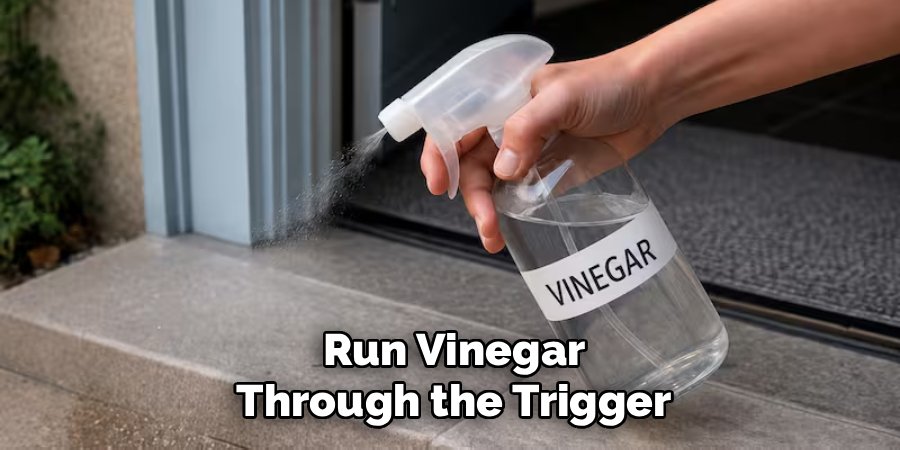
Fill the bottle with a fifty-fifty mix of white vinegar and warm water. Reattach the trigger and pump the mixture through the sprayer ten to fifteen times. You’re not just cleaning the bottle—you’re forcing acidic solution through the entire internal pathway where clogs form. Let the trigger soak in the leftover vinegar mix for ten more minutes if it’s badly gummed up.
Scrub, Rinse, and Dry
Use your bottle brush to scrub the inside walls of the bottle, reaching the bottom corners where sediment settles. An old toothbrush handles the trigger’s grooves and the threads around the neck.
Rinse everything with clean water—bottle and trigger both. Pump clear water through the sprayer until no vinegar smell or soap suds come out, because leftover residue is exactly what caused the problem in the first place. Then let all the parts air-dry upside down on a towel before you refill.
What to Use vs. What to Avoid
| What to Use | What to Avoid |
| White vinegar for mineral clogs | Bleach mixed with any other cleaner |
| A straight pin for the nozzle | Forcing the trigger when it’s dry |
| Warm water for soaking | Boiling water (warps plastic parts) |
| Rubbing alcohol for oily residue | Abrasive scrubbers on clear bottles |
| Air-drying fully before refilling | Refilling while parts are still wet |
| A thin wire for the dip tube | Ignoring the internal tube entirely |
Common Mistakes to Avoid
Only cleaning the bottle body. The clog is almost always in the nozzle, trigger, or dip tube—not the bottle itself. Rinsing just the bottle solves nothing.
Mixing old and new products. Leftover cleaner reacts with whatever you pour in next, causing cloudiness, weakened performance, or in some cases dangerous fumes.
Using boiling water. It feels like it would sanitize better, but hot enough water warps the plastic threads and trigger housing, and then nothing seals right.
Skipping the dry-out. Water trapped in the tube dilutes your next batch and, with certain solutions, invites mildew. Let it fully air-dry.
Reusing a bottle for a totally different chemical. A bottle that held bleach solution shouldn’t suddenly hold an acidic cleaner. Even trace residue can react.
Safety and Warnings
The cleaning process itself is low-risk, but what you store in these bottles is where the real danger sits.
Never mix bleach with vinegar or ammonia. If your bottle previously held a bleach-based cleaner, rinse it thoroughly and let it dry completely before using vinegar to clean it. Combining bleach with vinegar releases toxic chlorine gas, and combining it with ammonia creates chloramine vapors—both are genuinely hazardous in an enclosed space.
Ventilate when using rubbing alcohol. It’s flammable and the fumes are strong. Crack a window and keep it away from open flames or heat sources.
Label your bottles. A repurposed spray bottle with an unmarked mystery liquid is an accident waiting to happen, especially around kids or pets. Once it’s clean, mark clearly what goes back in.
Don’t reuse bottles that held pesticides or industrial chemicals for household cleaning. Some residues can’t be fully rinsed out. Retire those bottles instead.
Keep Your Spray Bottle Working Longer
Most clogs are preventable with a few small habits:
- Flush after each batch runs low. Before refilling, pump a little warm water through to clear the tube and nozzle so nothing dries inside.
- Store it with a bit of water in the line. If you use a bottle daily, leaving clean water in the tube overnight stops the nozzle from crusting over.
- Do a monthly vinegar flush. Pump a fifty-fifty vinegar mix through once a month to dissolve mineral scale before it becomes a full clog.
- Wipe the nozzle tip. A quick swipe with a damp cloth after use keeps dried cleaner from ringing the opening.
- Watch hard-water bottles closely. If you’re on well water or a hard-water area, buildup happens faster—shorten your flush interval to every couple of weeks.
- Keep the trigger primed. Letting a bottle sit bone-dry for weeks is what bakes residue into place. A little moisture in the system keeps it moving freely.
FAQ
Why is my spray bottle not spraying?
Almost always a clog. The dried buildup sits in the nozzle hole, the trigger mechanism, or the thin dip tube inside the bottle. Poke the nozzle with a pin, flush warm water and vinegar through the trigger, and clear the tube with a thin wire. That fixes the vast majority of dead sprayers.
Can you use vinegar to clean a spray bottle?
Yes, and it’s the best fix for mineral clogs from hard water. Fill the bottle with a fifty-fifty vinegar and warm water mix, then pump it through the sprayer and let the trigger soak for ten minutes. Just make sure the bottle never held bleach, since vinegar and bleach create toxic gas.
How do I unclog a spray bottle nozzle?
Unscrew the trigger and poke a straight pin or needle into the nozzle hole to break up the dried gunk. Then soak the whole trigger head in warm water and vinegar for ten minutes and pump clean water through it. If it’s still weak, check the dip tube—it clogs more often than people expect.
How often should I clean my spray bottle?
Give it a quick warm-water flush whenever a batch runs low, and a full vinegar flush once a month. If you’re in a hard-water area or use thick, soapy solutions, bump that up to every two weeks. Regular flushing stops clogs before they start.
Can I reuse a spray bottle for a different cleaner?
You can, but rinse and dry it completely first, and never switch between incompatible chemicals like bleach and anything acidic. Trace residue can react badly. When in doubt—especially with bleach or pesticide bottles—use a fresh bottle instead.
Will hot water damage a spray bottle?
Warm water is fine and helps loosen buildup, but boiling or very hot water can warp the plastic threads and trigger housing. Once those parts distort, the bottle won’t seal or spray properly. Stick with warm, never boiling.
Give your sprayer this fifteen-minute treatment and that sputtering trigger will mist like new again. The real secret is the quick flush between refills—do that, and you’ll rarely deal with a serious clog at all.
