
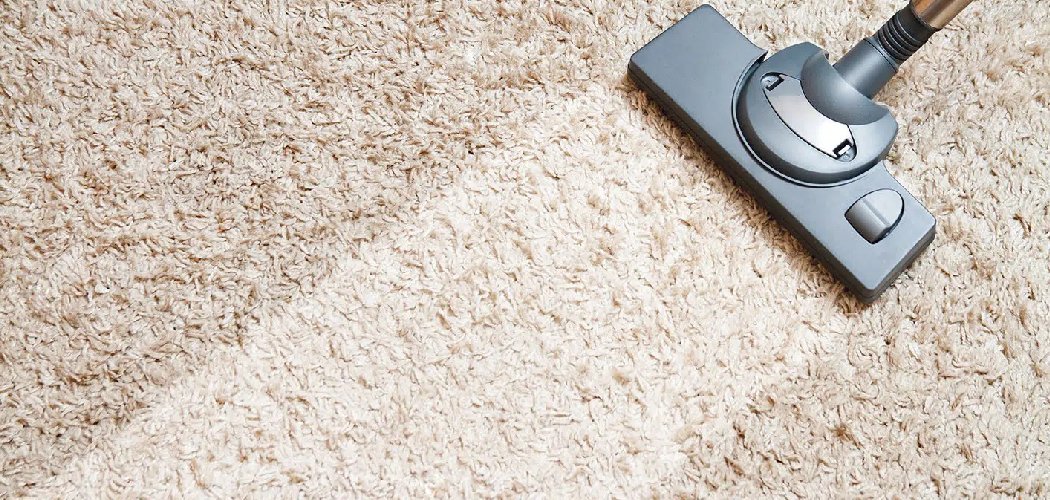
I once watched a homeowner drag her hallway runner outside, hang it over a fence, and blast it with a pressure washer set to full strength. The jute backing came apart in her hands, the edges frizzed into a fringe, and a $120 runner went in the trash by dinnertime. Runners take a beating that wall-to-wall carpet never does, and they need a different, gentler touch.
Because a runner sits in your busiest, narrowest walkways, dirt grinds into a tight strip of fiber all day long. Knowing how to clean carpet runners the right way means treating that concentrated wear without soaking the backing or fraying the bound edges. Get the technique down and one runner can outlast three cheap replacements.
What You’ll Need
- Vacuum with a hose attachment
- Stiff-bristle brush or a soft scrub brush
- Two buckets — one for cleaning solution, one for clean rinse water
- White microfiber cloths and a few old white towels
- Baking soda
- White vinegar
- Mild dish soap (a couple of drops only)
- Spray bottle
- A squeegee or a plastic scraper
- Rubber gloves
- A drying rack, clothesline, or two chairs to drape it over
- A box fan
Stick with white cloths. A colored rag can bleed dye into a damp runner, and I’ve pulled more than one blue streak out of a cream wool runner that came straight off a cheap dish towel. When something’s wet, only white touches it.
Check the Backing and Fiber Before You Start
Flip the runner over and look at what you’re working with. A rubber or latex non-slip backing reacts badly to heat and heavy water, while a woven jute or cotton backing can rot if it stays wet too long.
Runners come in wool, nylon, polypropylene, and blends, and each drinks water differently. Wool holds moisture and takes forever to dry; polypropylene shrugs it off. Knowing your fiber tells you how wet you can safely go and how long drying will take.
Shake and Vacuum Both Sides
Take the runner outside and give it a hard shake, or drape it over a rail and beat the back with a broom handle. You’ll be shocked at how much grit falls out of a strip that looks clean.
Vacuum the Top in Overlapping Passes
Work slowly along the length, going over the center traffic lane two or three times from different angles. Fast passes barely lift anything from the base of the pile.
Vacuum the Underside Too
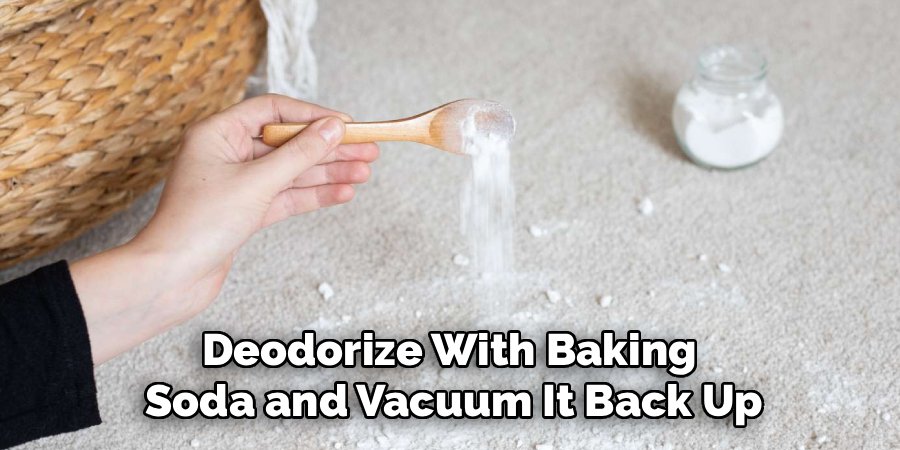
Dirt sifts through the fibers and collects against the backing. Vacuuming the back pulls out grit that would otherwise grind against the floor and wear the runner from below.
Deodorize With Baking Soda
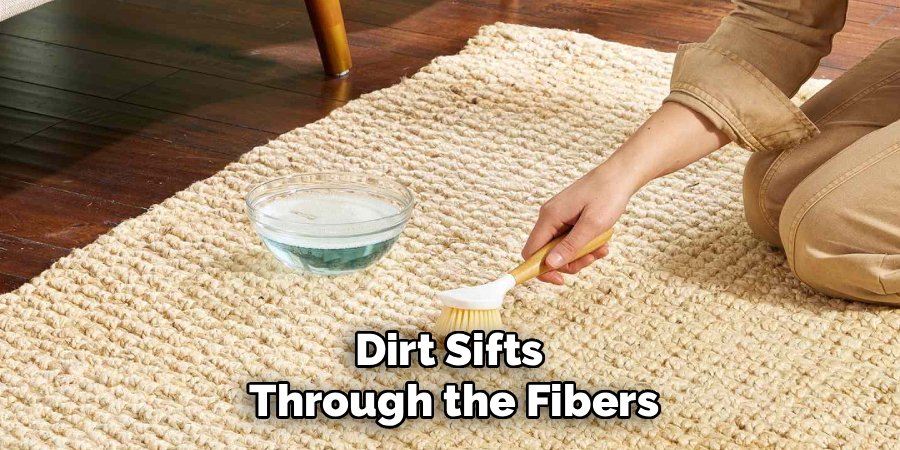
Runners near entryways and kitchens soak up smells — wet shoes, pets, cooking grease that drifts down the hall. Baking soda handles odor before any liquid gets involved.
Sprinkle and Let It Sit
Lay down a light, even layer across the whole runner. For strong odors, leave it overnight so it can pull moisture and smell out of the fibers.
Brush It In, Then Vacuum It Out
Work the powder gently into the pile with a dry brush, then vacuum every trace back up. Run your hand over the surface afterward — if it feels gritty, keep going. Leftover baking soda turns pasty the second you add your cleaning solution.
Mix a Gentle Cleaning Solution
Fill a spray bottle with one cup of warm water, one tablespoon of white vinegar, and a single drop of dish soap. That mild mix cleans without leaving residue you can’t rinse out.
Too much soap is the mistake I saw most often. Suds that linger in the pile become a dirt magnet, which is exactly why a freshly “cleaned” runner sometimes looks grimy again within weeks. A weak solution you can fully blot away beats a strong one every time.
Spot-Clean and Blot the Traffic Lane
Mist the solution lightly along the center lane where the wear shows — damp, never soaked. You should never see puddling or hear a squish.
Blot, Don’t Scrub
Press a clean white towel into the damp fibers and lift straight up. Scrubbing in circles frays the pile and drives dirt deeper. On a defined stain, blot from the outer edge toward the center so you don’t spread it into clean fiber.
Rinse With Plain Water
Mist the area with clean water from your second bucket, then blot again. This lifts out loosened dirt and any faint soap film. Skipping this rinse is the reason so many hand-cleaned runners re-soil fast.
Clean the Bound Edges and Fringe
The bound edges catch dust and fray first. Wipe them with a barely-damp cloth and finger-comb any fringe straight while it’s wet — never brush a wet fringe hard, or it knots and mats.
Dry It Flat and Fast
Drape the runner over two chairs, a rack, or a line so air hits both sides. Point a box fan at it and let it run until the backing is bone dry, not just the surface.
I always tell people to clean a runner on a dry, breezy day rather than a humid one. A wool runner cleaned in August humidity can take a full day to dry, and a damp jute backing sours before it ever gets there. Pick your weather when you can, and never lay a runner back down until it’s completely dry — trapped moisture rots the backing and can lift floor finish underneath.
Method Comparison: What Works and What to Skip
| Method | Best For | Watch Out For | Verdict |
| Shake and beat outside | Loose grit, quick refresh | Do it away from open windows | Do first, every time |
| Baking soda (dry) | Odors, general dinginess | Must vacuum fully before wetting | Reliable and safe |
| Vinegar + water spray | Traffic-lane grime, light stains | Test colorfastness first | The workhorse |
| Dish soap solution | Grease near entryways | Over-soaping leaves residue | Use sparingly |
| Machine washing | Small cotton/synthetic runners | Check label; wool shrinks | Only if labeled washable |
| Pressure washing | Nothing | Destroys backing and edges | Never |
| Heavy scrubbing | Almost nothing | Frays pile, spreads dirt | Avoid |
Common Mistakes to Avoid
- Over-wetting the runner. Soaking the backing invites rot, mildew, and a smell you can’t get rid of. Damp is the goal.
- Using too much soap. Residue attracts dirt and re-soils the runner within weeks.
- Scrubbing hard. It mats and frays the pile permanently. Blot instead.
- Skipping the water rinse. Leftover solution keeps grabbing dirt long after you finish.
- Laying it back down damp. You’ll trap moisture against the floor and risk both mildew and marked finish.
- Ignoring the backing. A rubber backing can crack or peel with heat and heavy water, and a jute one rots — always match your method to what’s underneath.
- Machine-washing wool. It shrinks and felts. Check the label first, every time.
Safety and Warnings
Cleaning a runner by hand is low-risk since you’re mostly using pantry staples, but a few rules still matter.
- Never mix vinegar with bleach. The combination releases toxic chlorine gas. Stick to one cleaner at a time.
- Don’t combine bleach and ammonia either. Some commercial spot cleaners contain ammonia — read labels before layering products.
- Test in a hidden spot first. Try your solution on an end or a folded-under corner to check for color bleeding or fading before you treat a visible stretch.
- Ventilate the room. Even vinegar smells sharp in a closed hallway. Open a window while you work.
- Wear gloves if your skin reacts to vinegar or repeated wetting.
- Mind the wet floor. A damp runner and a hard floor make a slip hazard — block off the area until everything is dry.
- Dry fully to prevent mold, which is a genuine health concern in damp, poorly ventilated spaces.
Keep Your Carpet Runners Cleaner Longer
A little routine care means you’ll rarely need a full hand-clean.
- Vacuum the runner twice a week. It sits in your highest-traffic strip, so it collects grit faster than anything else in the house.
- Shake it out weekly. A quick shake outside clears loose dirt before it grinds in.
- Rotate the runner end to end every month or two. This spreads the wear instead of letting one lane go bald.
- Use a non-slip pad underneath. It cuts fiber friction against the floor and stops the runner sliding, which protects both the backing and your floor finish.
- Blot spills the second they happen. A fresh spill lifts out in seconds; a set one becomes a project.
- Put a doormat before the runner. Most of the dirt walks in on shoes — trap it before it reaches the runner.
- Go shoes-off indoors during wet seasons to slash tracked-in soil.
Frequently Asked Questions
How do you clean a carpet runner without removing it?
Vacuum both the surface and, if you can lift an edge, the underside. Deodorize with baking soda and vacuum it back up, then lightly mist the traffic lane with a vinegar-and-water solution and blot with a white towel. Rinse by misting plain water and blotting again, then slide something waterproof underneath and run a fan until the pile dries.
Can you machine wash a carpet runner?
Only if the care label says so — usually small cotton or synthetic runners. Wash cold on a gentle cycle and air-dry flat, never in a hot dryer, which can shrink fibers and melt a rubber backing. Wool runners should never go in the machine because they shrink and felt permanently.
What is the best homemade carpet runner cleaner?
One cup of warm water, one tablespoon of white vinegar, and a single drop of mild dish soap covers most jobs. Baking soda handles odors before you spray anything. Always test a hidden spot for colorfastness, and never mix vinegar with a bleach-based product.
How do you get stains out of a carpet runner by hand?
Blot from the outer edge toward the center with a clean white towel and your vinegar solution — never scrub. For grease near an entryway or kitchen, dust it with baking soda first to draw out the oil, then blot with a touch of dish soap in warm water. Rinse with plain water and blot dry afterward.
How often should you clean carpet runners?
Vacuum twice a week and shake them out weekly, since they sit in your busiest walkways. Do a deeper hand-clean every three to six months, or sooner if you have pets or a high-traffic entry. Rotating the runner between cleanings keeps the wear even.
How long does a carpet runner take to dry?
Draped over a rack with a fan running and windows open, a synthetic runner dries in a few hours. Wool holds far more moisture and can take a full day, especially in humid weather. Never lay it back down until the backing is completely dry.
Final Word
Keep the water minimal, blot instead of scrub, and match your method to the backing — that’s what saves a runner from an early trip to the trash. The ones that last longest belong to people who shake, vacuum, and rotate them often, not those who wait until the traffic lane turns gray.
