
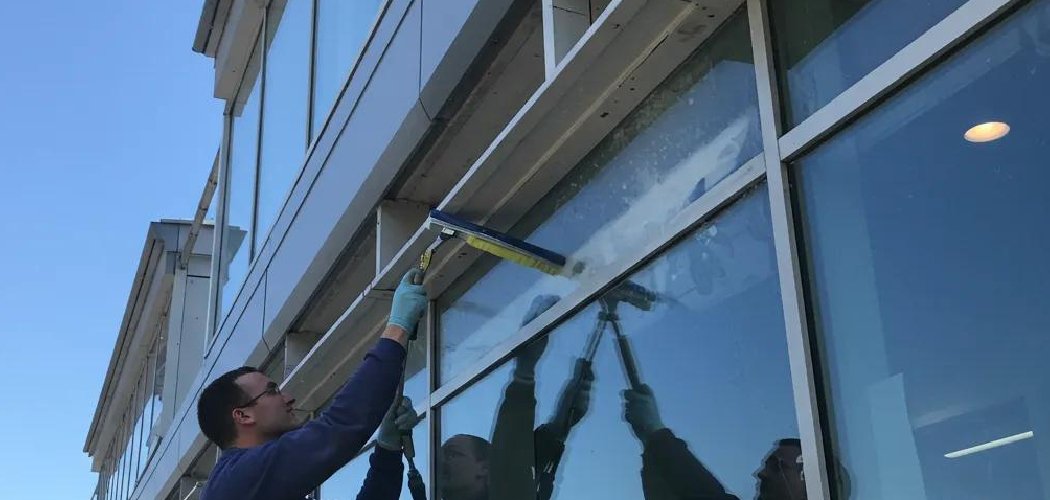
The fastest way to ruin a polycarbonate window is to grab the glass cleaner under your sink and go at it. I’ve watched a homeowner spray an ammonia-based cleaner across a conservatory panel, wipe it down, and stand back proud — only to see a web of fine cracks bloom across the surface a week later. That’s not dirt. That’s crazing, and once polycarbonate crazes, it’s ruined for good.
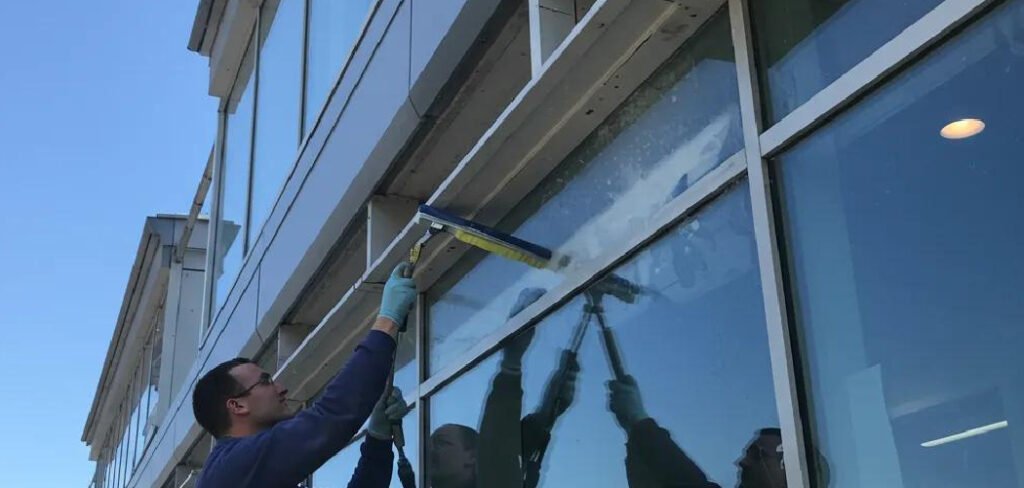
Learning how to clean polycarbonate windows means unlearning most of what you know about cleaning glass. Polycarbonate is a soft plastic, so it scratches, hazes, and reacts to chemicals in ways glass never does. Treat it gently and it stays clear for years.
What You’ll Need
- Two clean microfiber cloths (soft, non-abrasive)
- A large sponge with no scouring pad attached
- A bucket of lukewarm water
- Mild dish soap or a dedicated plastic-safe cleaner
- A garden hose or spray bottle for rinsing
- A soft-bristled brush for frames and edges
- A separate dry, lint-free cloth for the final buff
- Rubber gloves
- An old towel to catch drips
Keep this kit separate from your glass-cleaning supplies if you can. Grit trapped in a cloth you used on outdoor windows will scratch polycarbonate the second it touches the surface.
Rinse Off Loose Grit Before You Touch Anything
This is the step that saves your panels. Polycarbonate scratches far more easily than glass, and most of the “scratches” people blame on their cloth are actually bits of grit dragged across the surface.
Hose down the whole window first, or flood it with plenty of lukewarm water from a bucket. Let the water do the loosening. You want to float away as much dust, pollen, and grit as possible before any cloth or sponge makes contact. On outdoor conservatory roofs and greenhouse panels, this rinse matters even more — those surfaces collect a gritty film you can’t always see.
Wash With Lukewarm Soapy Water and a Soft Sponge
Now mix a few drops of mild dish soap into your bucket of lukewarm water. Not hot — heat can soften and warp thin polycarbonate over time.
- Dunk your sponge and load it with plenty of soapy water. Keep it dripping wet, not wrung out.
- Wipe the panel using light pressure and straight strokes, letting the water lift the dirt rather than scrubbing it off.
- Work in sections from the top down so runoff lands on unwashed areas.
- Rinse your sponge often in the bucket so you’re never rubbing loosened grit back across the surface.
- Use the soft brush with the same soapy water to clean frames, seals, and channels.
Resist the urge to bear down on stubborn marks. Pressure is what grinds fine scratches into the plastic. If a spot won’t budge, let the soapy water sit on it for a minute and try again gently.
Rinse Thoroughly and Pat Dry to Prevent Streaks
Soap residue left to dry is the number one cause of that cloudy film on polycarbonate.
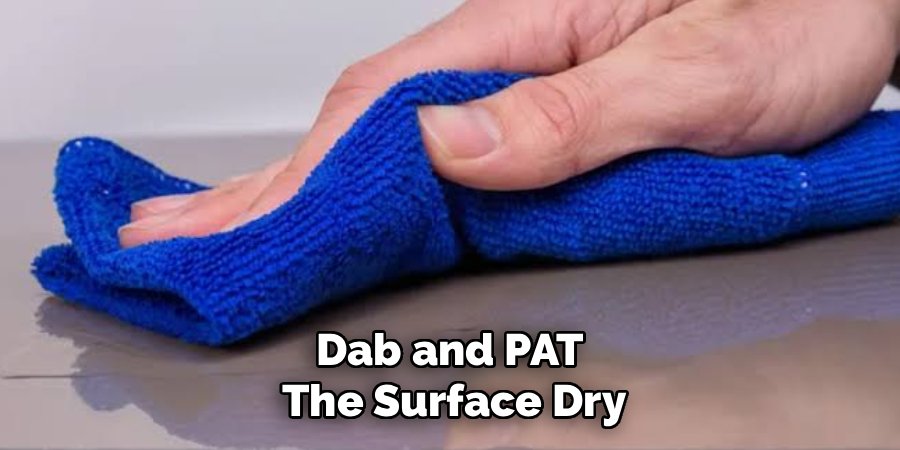
Rinse the panel with clean water until every trace of suds is gone. Then dab and pat the surface dry with a soft microfiber cloth — don’t rub in aggressive circles the way you would on glass. Blot, lift, and move on. Finish with a dry lint-free cloth for a light buff if you want extra clarity. Working in the shade helps here; direct sun dries the water in seconds and bakes streaks right into the surface.
Handling Stubborn Marks and Haze
For sticky residue like tape or bird droppings, soak the area with warm soapy water first to soften it, then wipe gently. Never scrape polycarbonate with a blade or a fingernail.
If you’re dealing with light hazing or fine scratches, a dedicated plastic polish or a product like a headlight restoration compound can revive clarity — but always test it on a hidden corner first. Some cleaners marketed for plastics still contain solvents that attack polycarbonate, so patch-testing is non-negotiable.
Safe vs. Avoid: Products and Tools for Polycarbonate
| Safe to Use | Avoid |
| Mild dish soap and lukewarm water | Ammonia-based glass cleaners (Windex-type) |
| Dedicated plastic-safe cleaners | Acetone, paint thinner, or any solvent |
| Soft microfiber cloths | Paper towels (they scratch and shed lint) |
| Non-abrasive sponge | Scouring pads or steel wool |
| Soft-bristled brush for frames | Squeegees with hard rubber edges |
| Plastic polish (patch-tested) | Alcohol-based sprays on coated panels |
| Lukewarm water for rinsing | Hot water or pressure washers up close |
Common Mistakes to Avoid
- Using ammonia glass cleaner. This is the big one. Ammonia causes crazing — that spiderweb of tiny cracks — and there’s no fixing it once it starts.
- Wiping a dry, dusty panel. No rinse first means you’re sanding the surface with its own grit. Always flood with water before any cloth touches it.
- Scrubbing hard on tough spots. Pressure creates the scratches you’re trying to avoid. Soak and lift instead.
- Reaching for paper towels. They feel soft but leave micro-scratches and lint haze. Microfiber only.
- Skipping the rinse. Dried soap film looks just like dirt and sends people back to scrubbing, which makes it worse.
- Using a squeegee. The hard edge that works beautifully on glass drags trapped grit across soft plastic. Pat dry instead.
Safety and Warnings
Cleaning polycarbonate is low-hazard for you, but high-hazard for the material — so most of these warnings protect the panels.
Never use solvents or ammonia. Acetone, paint thinner, benzene, and ammonia-based cleaners chemically attack polycarbonate. Beyond ruining the surface, solvent fumes are harmful to breathe, so keep them well away from this job entirely.
Don’t mix cleaning products. You don’t need anything stronger than dish soap here, but if you ever bring other cleaners near the space, never combine bleach with ammonia — the fumes are toxic. Ventilate and use one product at a time.
Patch-test every specialty product. Before using any plastic polish or “safe for plastics” cleaner across a full panel, test a hidden corner and wait. Some products react slowly.
Mind your footing and ladders. Conservatory roofs and skylights aren’t designed to bear weight — never stand or lean on a polycarbonate panel. Use a proper ladder or roof access equipment, and keep the ground below clear of slippery runoff.
Wear gloves. Even mild soapy water dries your skin over a long cleaning session.
Maintenance and Prevention Tips
A little routine care keeps polycarbonate clear far longer, and it saves you from ever needing an aggressive deep clean.
- Rinse regularly. A quick hose-down every couple of weeks on outdoor panels stops grit and grime from building into a hard film.
- Clean on a cloudy day or in the shade. Cooler surfaces stay wet longer, giving you time to work without streaking.
- Wipe spills and droppings quickly. Bird droppings and tree sap are acidic and harden fast. Deal with them while they’re soft.
- Apply an anti-static plastic treatment. Polycarbonate holds a static charge that pulls dust straight back onto it. An anti-static plastic protectant cuts down how fast panels get dirty again.
- Check seals and frames seasonally. Clean channels and gaskets so water drains properly and dirt doesn’t pack into the edges.
- Keep a dedicated cloth set. Store polycarbonate cloths separately so they never pick up grit from rougher outdoor jobs.
Clients used to ask me why their conservatory roof got grubby again so quickly compared to their glass windows. That static cling is the answer — plastic practically invites dust back, which is exactly why the anti-static step is worth the extra few minutes.
Frequently Asked Questions
What is the best thing to clean polycarbonate windows with?
Lukewarm water with a few drops of mild dish soap, applied with a soft sponge or microfiber cloth, is the safest and most effective option for everyday cleaning. It lifts dirt without the chemicals that damage plastic. For tougher clarity issues, a dedicated plastic-safe cleaner works, but skip anything containing ammonia or solvents.
Can you use Windex on polycarbonate?
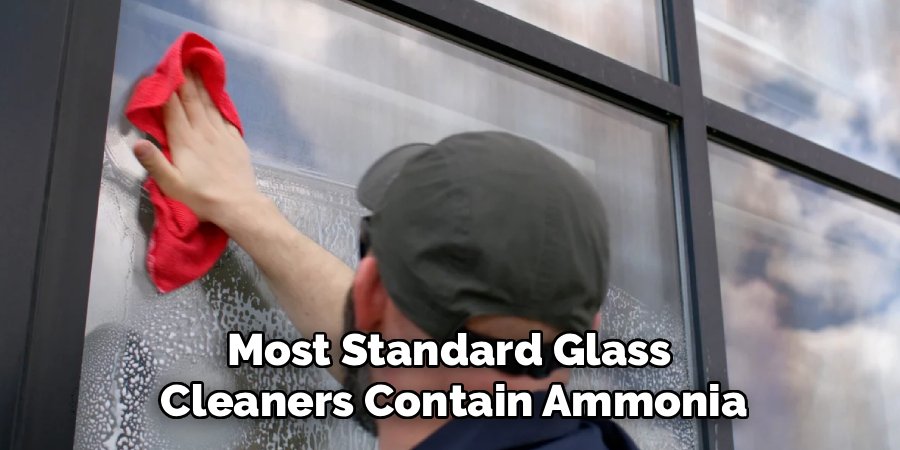
No. Windex and most standard glass cleaners contain ammonia, which causes polycarbonate to craze — a network of fine surface cracks that can’t be repaired. Stick to mild soap and water, or a cleaner specifically labeled safe for polycarbonate and plastics.
How do you get scratches out of polycarbonate windows?
Light surface scratches and hazing can sometimes be reduced with a plastic polish or a headlight restoration compound, applied gently and buffed with a soft cloth. Always patch-test first. Deep scratches usually can’t be fully removed because polycarbonate is soft, so prevention through gentle cleaning matters far more than repair.
Why do my polycarbonate windows look cloudy after cleaning?
Cloudiness is almost always leftover soap residue or hard-water minerals that dried on the surface. Rinse thoroughly with clean water and pat dry with microfiber instead of rubbing. If the haze is inside the plastic or looks like fine cracks, that’s likely crazing from a harsh cleaner, and it’s permanent.
Can you pressure wash polycarbonate windows?
Not up close. A high-pressure jet can force water behind seals, damage the surface, and drive grit into the plastic. If you use a pressure washer at all, keep it on a wide, low-pressure setting and stay well back — a garden hose is the safer choice.
How often should you clean polycarbonate windows?
A gentle rinse every couple of weeks and a full soapy wash every one to two months keeps most panels clear. Outdoor conservatory roofs and greenhouse panels collect grime faster and benefit from more frequent rinsing, especially in pollen-heavy spring months.
Final Thoughts
Rinse away the grit first, wash gently with mild soap, and never let a glass cleaner near the surface — that’s what keeps polycarbonate clear for years. Stay light-handed, pat instead of scrub, and your panels will stay crack-free and streak-free long after your neighbors’ have gone cloudy.
