
I got called out to a beautiful travertine entryway once where the owner had mopped the whole floor with straight lemon cleaner, thinking a “natural” acid would cut the grime. Within a week the surface had dull, cloudy patches everywhere the cleaner pooled — the acid had eaten into the stone and etched it. That damage doesn’t wipe off. It has to be honed out by a pro, which costs more than a year of proper cleaning supplies.
That’s the trap with this material: porous stone drinks in whatever you put on it, and acids and harsh chemicals cause damage you can’t scrub away. Knowing how to clean porous stone comes down to using pH-neutral products, blotting spills fast, and keeping the surface sealed. Do those three things and the stone stays gorgeous for decades.
What You’ll Need
- pH-neutral stone cleaner (or a few drops of mild dish soap in warm water)
- Two soft microfiber cloths
- A soft nylon-bristle brush for textured areas and grout
- A clean sponge mop or flat microfiber mop for floors
- Two buckets — one for cleaning solution, one for rinse water
- Baking soda or a poultice powder (for set-in stains)
- Plastic wrap and painter’s tape (for poulticing)
- Hydrogen peroxide, 3% (for organic stains on light stone only)
- A penetrating stone sealer (for resealing)
- Gloves
Keep vinegar, lemon, bleach, ammonia, and any “all-purpose” bathroom spray far away from the stone. Those are exactly what turns a clean-up job into a repair job.
Test the Surface and Clear the Loose Dirt First
Before you wet anything down, sweep or dry-dust the whole surface. Grit is abrasive, and dragging it around with a wet cloth scratches the finish — especially on polished marble or limestone.
Then check whether your stone is sealed. Drip a little water on it and watch. If the water beads up and sits, the seal is holding and you’re good to clean. If it soaks in and darkens the stone within a minute or two, the sealer has worn off and you’ll want to reseal after cleaning (more on that below). This quick test tells you how careful you need to be with moisture.
Wash With a pH-Neutral Cleaner
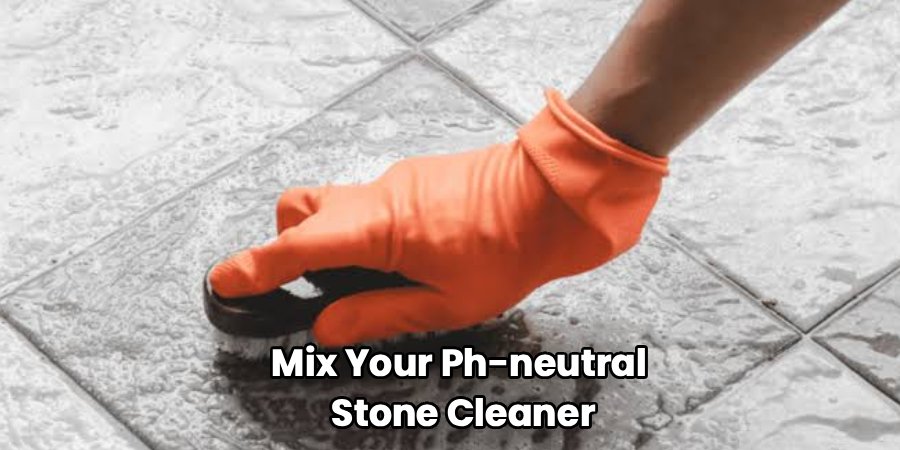
Mix your pH-neutral stone cleaner into warm water, or use a few drops of mild dish soap if that’s what you have. Dampen a microfiber cloth or your mop — you want it wet, not dripping. Standing water is one of porous stone’s worst enemies, so wring things out well.
Work in sections so no area sits soaked. Wipe or mop, then go over the same spot with a second cloth or mop dipped in clean rinse water. Soap residue left behind attracts dirt and dulls the surface, so that rinse pass matters more than people think. Change your rinse water the moment it turns cloudy.
Scrub Textured and Honed Surfaces Gently
Tumbled travertine, slate, and honed limestone have tiny pits and texture that trap grime. Reach for a soft nylon brush, not a scrub pad, and work the cleaner into the surface with light circles. Let the solution do the lifting instead of leaning on the brush.
For grout lines between stone tiles, the same soft brush works well. Skip the wire brushes and abrasive powders — they scratch both the grout and the stone edges.
Dry the Surface Right Away
Don’t let porous stone air-dry. As the water evaporates it pulls minerals and any leftover residue to the surface, leaving streaks and cloudy spots. Buff the whole area with a dry microfiber cloth while it’s still damp.
On floors, I used to keep a second dry mop just for this final pass. Clients would ask why their stone always looked hazy after mopping, and nine times out of ten it was because they let it dry on its own.
Lift Set-In Stains With a Poultice
For stains that have soaked in — oil, wine, coffee, rust — surface cleaning won’t cut it. You need to draw the stain back out with a poultice.
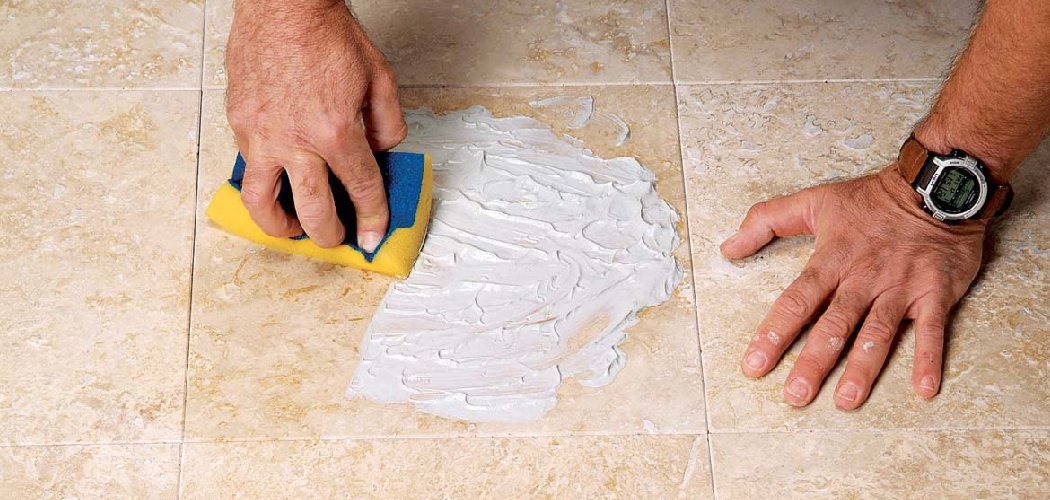
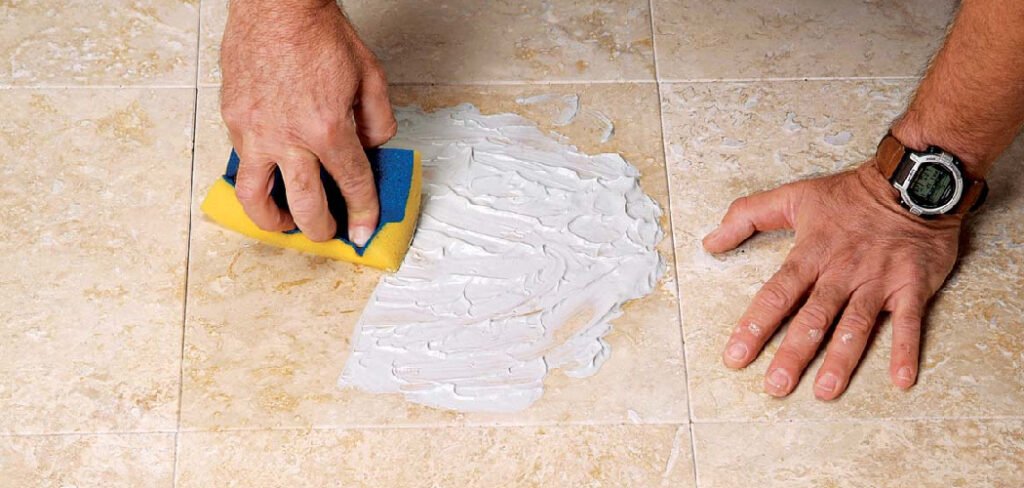
- Mix baking soda (or a commercial poultice powder) with water into a paste about the thickness of peanut butter. For organic stains like coffee or wine on light-colored stone, mix the powder with 3% hydrogen peroxide instead of water.
- Spread a quarter-inch layer over the stain, extending a little past the edges.
- Cover it with plastic wrap and tape down the sides, leaving a couple of small slits for slow drying.
- Leave it 24 to 48 hours. As the paste dries, it pulls the stain up out of the pores.
- Remove the plastic, let the paste dry fully, then scrape it off with a plastic (not metal) scraper.
- Rinse with clean water and buff dry. Deep stains may need a second round.
Safe vs. Damaging Products and Methods
| Safe on Porous Stone | Will Damage the Stone |
| pH-neutral stone cleaner | Vinegar and lemon juice |
| Mild dish soap in warm water | Bleach used routinely |
| Soft microfiber cloths | Ammonia and glass cleaners |
| Soft nylon-bristle brush | Abrasive scouring powders |
| Baking soda poultice | Scouring pads and steel wool |
| Hydrogen peroxide (light stone) | Acidic “all-purpose” sprays |
| Penetrating stone sealer | Standing water left to dry |
| Blotting spills right away | Wire brushes on grout |
The pattern is simple: anything acidic etches the stone, and anything abrasive scratches it. Neutral and gentle keeps the surface intact.
Common Mistakes to Avoid
- Using acidic cleaners. Vinegar, lemon, and most bathroom sprays etch stone on contact. The dull spots they leave can’t be wiped away — they have to be professionally honed out.
- Wiping spills instead of blotting. Wiping spreads a spill wider and pushes it into more pores. Blot straight down with a clean cloth.
- Letting water pool. Standing water seeps in and leaves mineral rings as it dries. Work in sections and dry as you go.
- Skipping the sealer. Unsealed porous stone stains from almost anything. If your water test showed the stone drinking up moisture, reseal it.
- Scrubbing with abrasives. Scouring pads and powders scratch the finish. Soft brushes and cloths only.
- Using the same dirty rinse water. You’re just spreading grime around. Swap it out often.
- Reaching for bleach on mold. Routine bleach can discolor stone and break down sealer. Use it rarely and diluted, if at all.
Safety and Warnings
Everyday stone cleaning with soap and water is low-risk, but a few products here need respect.
- Test any cleaner in a hidden spot first. Try it in a closet corner or under an appliance before using it on the visible surface — stone varies, and you want to see how it reacts.
- Never mix bleach and ammonia. Together they release toxic chloramine gas. Since many glass and all-purpose cleaners contain ammonia, don’t layer products, and honestly, neither belongs on porous stone as a routine cleaner.
- Ventilate when you seal. Penetrating sealers give off strong fumes. Open windows, run a fan, and follow the drying times on the label before walking on or using the surface.
- Wear gloves. Protect your skin during longer sessions and any time you handle peroxide, sealer, or diluted bleach.
- Store hydrogen peroxide in the dark. Light breaks it down, so a brown bottle in a cabinet keeps it working when you need it.
- Mind slippery wet floors. Stone gets slick when wet — block off the area while you clean and dry.
Keep Your Porous Stone Clean for Longer
The less you let dirt and spills settle into the pores, the less you’ll ever have to deep clean. These habits stretch the time between big jobs:
- Reseal on schedule. Most floors need resealing every one to three years, high-traffic and kitchen surfaces more often. Run the water-bead test every few months to check.
- Use coasters, mats, and trivets. Stop wine, oil, and hot cookware from ever touching bare stone. Prevention beats poulticing.
- Blot spills the second they happen. Acidic foods — citrus, tomato, coffee, wine — do the most damage the longer they sit.
- Put down entry mats. Most of the grit that scratches stone floors gets tracked in on shoes. A mat catches it at the door.
- Dust-mop floors regularly. Loose grit is abrasive underfoot. Sweeping it up often protects the finish.
- Keep acidic cleaners out of the room. Store vinegar and bathroom sprays elsewhere so nobody in the house grabs them by mistake.
Frequently Asked Questions
Can you use vinegar to clean porous stone?
No — keep vinegar away from it entirely. Vinegar is acidic, and porous stone like marble, limestone, and travertine etches on contact, leaving dull spots that won’t wipe off. Use a pH-neutral cleaner or mild dish soap and water instead. The same goes for lemon juice and most “natural” acidic cleaners.
What is the best cleaner for porous stone?
A pH-neutral stone cleaner is your safest bet, and a few drops of mild dish soap in warm water works well for routine cleaning too. Both lift dirt without etching or scratching the surface. Steer clear of anything acidic, abrasive, or labeled “heavy-duty.”
How do you get stains out of porous stone?
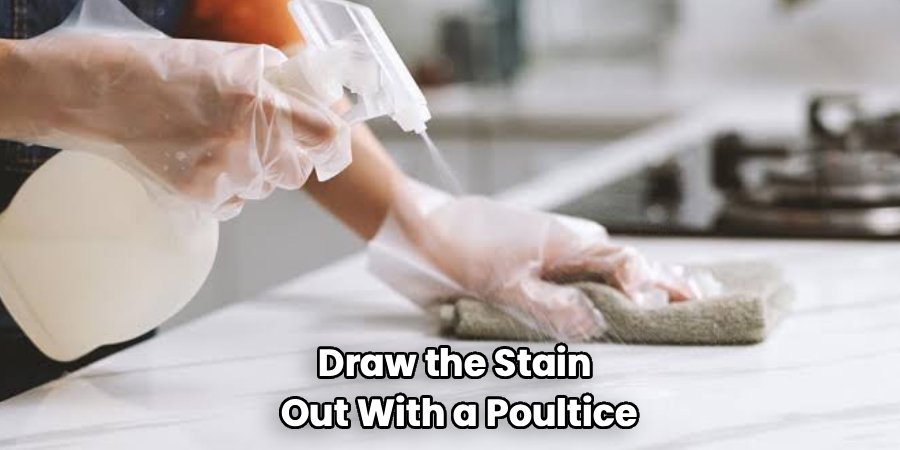
Draw the stain out with a poultice. Mix baking soda with water into a paste (or with hydrogen peroxide for organic stains on light stone), spread it over the mark, cover with plastic wrap, and leave it a day or two. As it dries, it pulls the stain up out of the pores. Scrape it off, rinse, and repeat if needed.
How often should you seal porous stone?
Most porous stone needs resealing every one to three years, though high-traffic floors and kitchen counters may need it more often. The easy check is the water-bead test: drip water on the surface, and if it soaks in and darkens the stone within a minute or two, it’s time to reseal.
Does porous stone stain easily?
Unsealed porous stone stains very easily because it absorbs liquids straight into its pores — oil, wine, and coffee are common culprits. A good penetrating sealer buys you time by keeping spills on the surface long enough to blot up. Even sealed, though, you should wipe spills quickly rather than letting them sit.
Can you use bleach on porous stone?
Only rarely and well diluted. Routine bleach can discolor stone and break down the sealer over time, so it’s not a good everyday cleaner. For mold or mildew, dilute it heavily, rinse thoroughly, and never mix it with ammonia-based products.
Final Word
Seal it, keep acids away, and blot spills before they sink in — that trio protects porous stone better than any deep-cleaning session ever will. Most of the damage I’ve seen came from someone reaching for the wrong “natural” cleaner, so let pH-neutral products and a soft touch do the work.
