
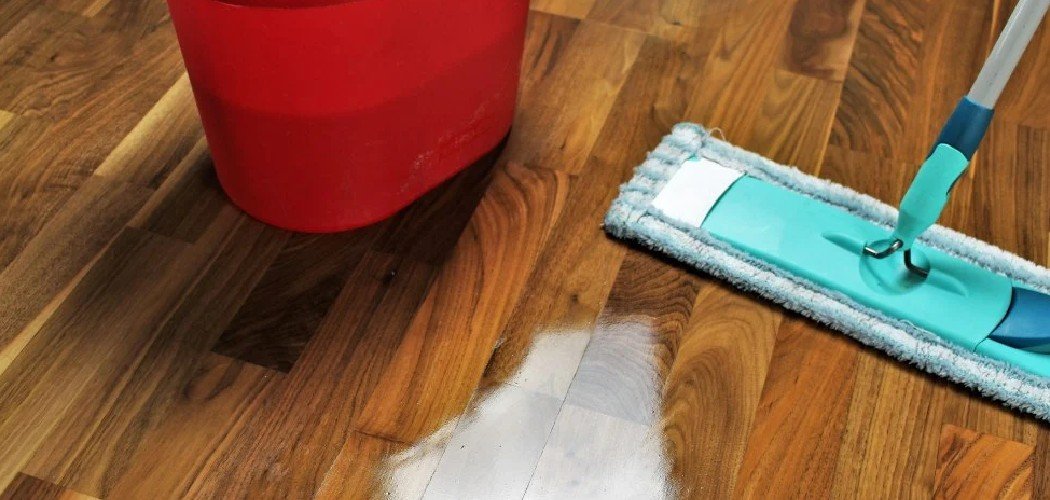
The fastest way to ruin how to clean engineered wood flooring is with a mop and a bucket of soapy water. I’ve walked into homes where a well-meaning owner damp-mopped every week, and within two years the plank edges had cupped and the seams were lifting — water had crept into the joints and swelled the layers underneath. That top wood veneer is thin, and the layers beneath it hate standing moisture.
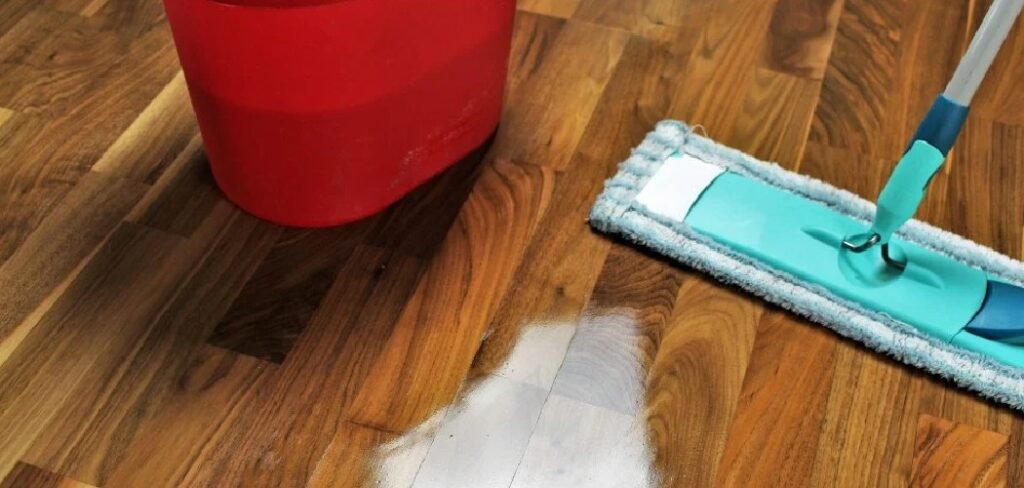
Cleaning engineered wood flooring well comes down to three things: less water than you think, the right pH-neutral cleaner, and a habit of catching grit before it scratches. Get those right and your floors will keep their finish for a decade or more.
What You’ll Need
- A soft-bristle broom or a vacuum with a hard-floor setting (no beater bar)
- A microfiber dust mop
- A flat spray mop with a washable microfiber pad
- A dry microfiber cloth or towel
- A pH-neutral hardwood floor cleaner
- A spray bottle (if you’re mixing your own solution)
- A soft cloth for spot-cleaning sticky spills
- Felt pads for furniture legs (for prevention)
- Rubber gloves if commercial cleaners bother your skin
You won’t find a bucket, a string mop, or a steam mop on that list. Those three are the usual suspects behind swollen, dull floors, and I’ll come back to why.
Sweep or Vacuum First to Clear the Grit
Before any cleaner touches the floor, get the dry debris off. Sand, grit, and pet hair act like sandpaper underfoot, and every step grinds them into the finish. This is the single most protective habit you can build.
Run a soft-bristle broom or dust mop across the planks, following the direction of the boards so you’re not flicking dust into the seams. If you vacuum, switch off the rotating beater bar or use the hard-floor setting — that spinning brush can scratch the veneer and scatter grit rather than lift it. Pay attention to the edges of the room and under furniture, where dust settles and clumps.
Damp-Mop with a Barely-Wet Microfiber Pad
Here’s where technique matters most. Fill a spray bottle with a pH-neutral hardwood cleaner (or the pre-mixed kind), and mist the floor lightly a few feet at a time — never dump liquid onto the boards. Then run a flat microfiber mop over that section.
The pad should be damp, not wet. Wring it out until it feels barely moist against the back of your hand. If you see the floor staying shiny-wet for more than a few seconds after you pass over it, you’re using too much liquid. Work in the direction of the planks, section by section, and refresh or rinse the pad when it starts looking dirty. A dirty pad just pushes grime around.
Dry the Floor Behind You in Humid Weather
In damp summers or a steamy kitchen, follow your mop with a dry microfiber cloth to pull up any lingering moisture. I picked this up working coastal homes — engineered planks take on humidity from the air and expand slightly, so the last thing they need is surface water sitting in the seams on a muggy day. A quick dry pass takes thirty seconds and saves you from cupped edges later.
Tackle Sticky Spills and Scuffs by Hand
Dried juice, greasy paw prints, and shoe scuffs won’t lift with a general mopping. Dampen a soft cloth with your pH-neutral cleaner and gently rub the spot with the grain. For stubborn scuffs, a clean tennis ball or a pencil eraser lifts the mark without scratching. Skip the magic-eraser sponges — they’re mildly abrasive and can dull the finish in a patch that stands out later.
Wipe up any spill the moment it happens. Water, wine, pet accidents — the longer they sit, the more chance they seep into a seam. A spill isn’t an emergency, but a spill you leave overnight can be.
Safe vs. Risky: What to Use on Engineered Wood
Half of floor damage I saw on the job came from the wrong product, not dirt. Here’s the quick reference I wish every client had taped inside their cleaning cupboard.
| Do Use | Don’t Use |
| pH-neutral hardwood floor cleaner | Vinegar or lemon-juice solutions |
| Barely-damp microfiber pad | String mop and a full bucket |
| Soft broom or beater-bar-off vacuum | Steam mop |
| Dry cloth for spot-drying | Oil soaps or wax-based polish |
| Manufacturer-approved cleaner | Ammonia or bleach sprays |
| Felt pads under furniture | Abrasive scrub pads or steel wool |
Vinegar surprises people because it’s the internet’s favorite floor hack. But it’s acidic, and over time it eats away at the protective finish on engineered wood, leaving it dull and more prone to water damage. Neutral is the word to remember.
Common Mistakes to Avoid
- Using too much water. The number-one killer of engineered floors. Standing water seeps into seams and swells the layers underneath. Damp, never wet.
- Reaching for a steam mop. Steam forces heat and moisture straight into the plank and can delaminate the veneer. Manufacturers void warranties over this for a reason.
- Cleaning with vinegar or lemon juice. Acidic solutions strip the finish over time. Stick to pH-neutral.
- Skipping the sweep. Mopping over grit drags it across the finish and scratches it in fine lines you’ll notice under angled light.
- Using oil soaps or wax polishes. They build up a cloudy film that’s a nightmare to strip and interferes with any future refinishing.
- Leaving spills to sit. Even water leaves a mark if it lingers on a seam long enough.
- Vacuuming with the beater bar on. That rotating brush scratches the surface and slings grit around.
Safety and Warnings
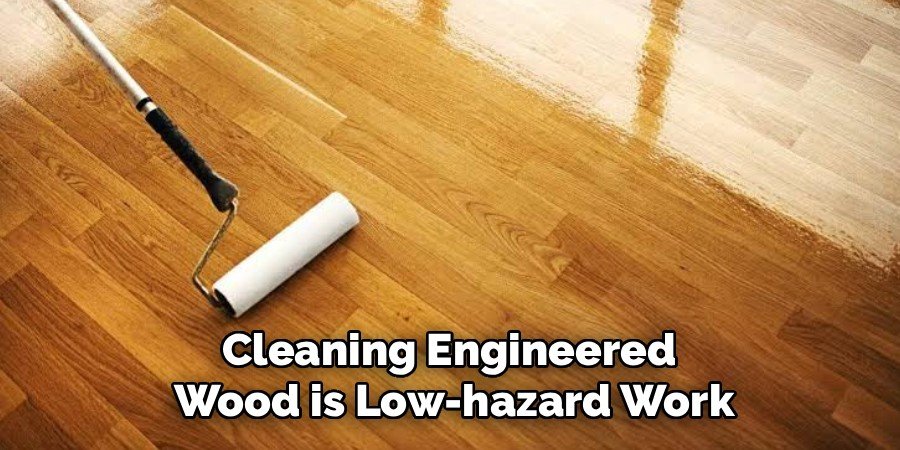
Cleaning engineered wood is low-hazard work, but a few points protect both you and the floor.
- Test any new cleaner in a hidden spot first. Try it in a closet or under furniture before doing the whole room. Finishes vary, and some floors react to products they shouldn’t.
- Check the manufacturer’s guidance. Many engineered floors come with specific cleaner recommendations, and using the wrong one can void the warranty. When in doubt, a plain pH-neutral hardwood cleaner is the safe bet.
- Never mix cleaning products. Don’t combine bleach and ammonia — the fumes are genuinely dangerous. Neither belongs on wood anyway, so the simplest rule is to keep both far from this job.
- Ventilate when using commercial cleaners. Open a window or run a fan, especially in a closed-up room, if your cleaner has a strong smell.
- Mind wet floors underfoot. A freshly mopped floor is slippery. Keep pets and kids off until it’s dry, and wear grippy footwear if you’re moving around.
- Wear gloves if your skin reacts to detergents during a long cleaning session.
Maintenance and Prevention Tips
Keeping engineered wood looking new is mostly about stopping dirt and moisture before they start. These small habits stretch the time between deep cleans and add years to the finish:
- Stick felt pads on every furniture leg and check them a couple of times a year — worn pads let wood and metal scrape the floor.
- Put doormats at every entrance, inside and out. Most of the grit that scratches floors walks in on shoes. A good mat traps it before it spreads.
- Adopt a no-shoes rule where you can, especially for heels and cleats, which dent even a tough finish.
- Sweep or dust-mop high-traffic areas every few days and the rest of the floor weekly. Dry cleaning does most of the protective work.
- Damp-mop only when it actually needs it — usually every one to two weeks for busy areas. Over-mopping adds moisture risk without much benefit.
- Manage indoor humidity. Aim for around 35–55%. Too dry and planks shrink and gap; too humid and they swell. A humidifier or dehumidifier helps in extreme seasons.
- Trim pet nails and wipe muddy paws at the door.
- Use a floor rug in front of the sink and stove, the spots most likely to catch splashes.
Clients used to ask me why one room’s floor looked worn while an identical floor down the hall still looked fresh. Nearly every time, it came down to the entry: the worn room opened onto the yard with no mat, so grit rode in on shoes all day. A ten-dollar mat would have saved them a refinishing job.

Frequently Asked Questions
What is the best thing to clean engineered wood flooring with?
A pH-neutral hardwood floor cleaner applied with a barely-damp microfiber mop. Mist the floor lightly, mop with the grain, and dry any leftover moisture. Avoid vinegar, steam, oil soaps, and anything abrasive — they all shorten the life of the finish.
Can you use a steam mop on engineered wood floors?
No. Steam drives heat and moisture into the plank and can cause the layers to separate or the veneer to lift. Most manufacturers warn against it and will void the warranty if you use one. Stick to a damp microfiber mop instead.
How often should you clean engineered wood floors?
Sweep or dust-mop high-traffic areas every few days and the whole floor weekly. Damp-mop only when it needs it — usually every one to two weeks. Over-mopping adds unnecessary moisture, so let how dirty the floor actually looks guide you rather than a rigid schedule.
Can I use vinegar to clean engineered wood flooring?
It’s best avoided. Vinegar is acidic, and repeated use wears down the protective finish, leaving the floor dull and more open to water damage. A pH-neutral cleaner does the job without the risk.
Why does my engineered wood floor look cloudy or dull?
Usually it’s residue buildup — from oil soaps, wax polishes, or using too much cleaner and leaving a film. It can also come from hard-water minerals if you’ve been mopping with plain tap water. Switch to a pH-neutral cleaner, use less liquid, and dry the floor behind you.
How do I get scratches out of engineered wood flooring?
Light surface scratches can be hidden with a matching wood touch-up marker or a fill stick, then buffed gently. Deeper scratches that reach through the veneer usually can’t be sanded out, since the top layer is thin — a repair kit or plank replacement is the realistic fix.
Engineered wood isn’t delicate, but it’s unforgiving about water and grit. Keep the moisture minimal, the products neutral, and the grit swept up before it scratches, and your floors will keep that just-installed look far longer than you’d expect.
