
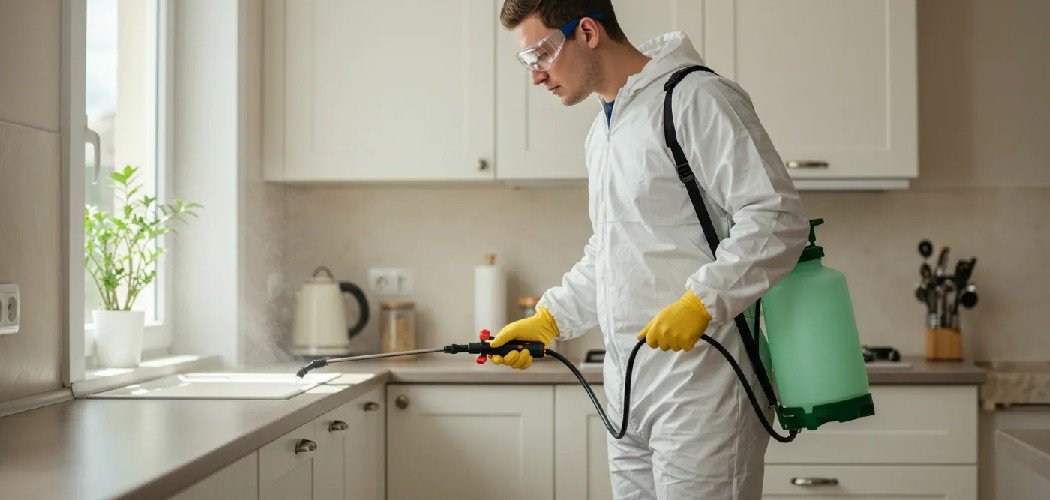
The exterminator leaves, the fumes clear, and you shove all your plates, cereal boxes, and spice jars right back onto the shelves within the hour. That’s the mistake that lands people back on the phone booking a second visit — because the treatment residue is still sitting there, and now it’s coating everything your family eats off of. Pest control products are designed to linger, and that’s exactly why you can’t treat the cleanup like a normal wipe-down.
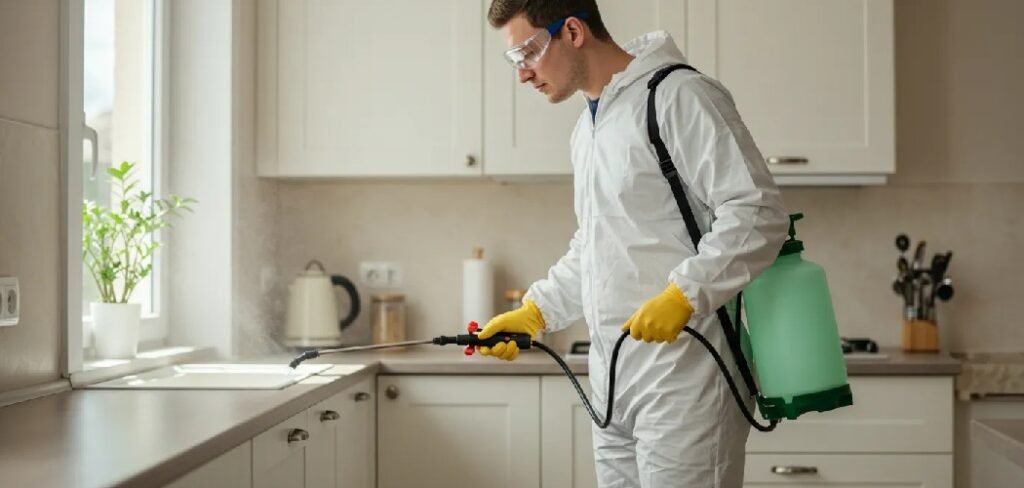
Learning how to clean cupboards after pest control comes down to timing, the right order of steps, and knowing which surfaces hold residue longer than others. You want to remove the chemical film without wiping away the protective barrier the technician placed in cracks and corners on purpose. Get the sequence right, and you keep your kitchen safe without undoing the work you paid for.
What You’ll Need
- Rubber or nitrile gloves
- A dust mask or respirator (especially for enclosed spaces)
- Mild dish soap
- Warm water
- Two buckets — one for washing, one for rinsing
- White vinegar (optional, for a natural degreaser)
- Baking soda for stubborn spots
- Microfiber cloths (several — you’ll toss the dirty water often)
- Old rags or paper towels for the first wipe
- A soft-bristle brush or old toothbrush for corners and seams
- Shelf liner (fresh, to replace anything old)
- A vacuum with a hose attachment
- Trash bags for anything contaminated
Skip the harsh all-purpose sprays and disinfectant bombs here. You’re removing chemical residue, not adding another layer of it.
Wait for the Full Dry Time Before You Touch Anything
Check the paperwork your technician left, or call the company and ask directly. Most treatments need somewhere between two and four hours to dry, but gel baits, dusts, and certain sprays want longer — sometimes a full day. Opening the cupboards and wiping while the product is still wet spreads it around and cancels the treatment.
The company will also tell you which areas to leave completely alone. Technicians often place bait or dust deep in wall voids, hinge gaps, and back corners on purpose. Ask before you start so you know exactly which spots to clean and which to skip. When clients rushed this, I’d usually find smeared product across the whole shelf instead of a clean surface and an intact treatment.
Empty the Cupboards Completely
Pull everything out — dishes, canned goods, packaged food, small appliances, the lot. Set it on a table or counter you’ve already wiped down, well away from any treated zone.
Anything that sat out uncovered during the treatment, or any open food packages, should go in the trash. It’s not worth the gamble. Sealed cans, glass jars, and factory-sealed boxes are usually fine once you wipe their outsides. This is also your moment to check expiration dates and dump the ancient stuff you keep meaning to sort.
Vacuum Loose Debris and Dead Pests First
Before any water touches the shelves, run a vacuum hose along the corners, seams, and back edges. You’ll pull out dead insects, egg casings, droppings, and dust that mixed with the product. Doing this dry keeps you from turning it all into a paste you then have to scrub.
Empty the vacuum canister outside straight after, or seal and bin the bag. You don’t want that debris sitting in the machine or getting recirculated.
Wash Shelves with Warm Soapy Water
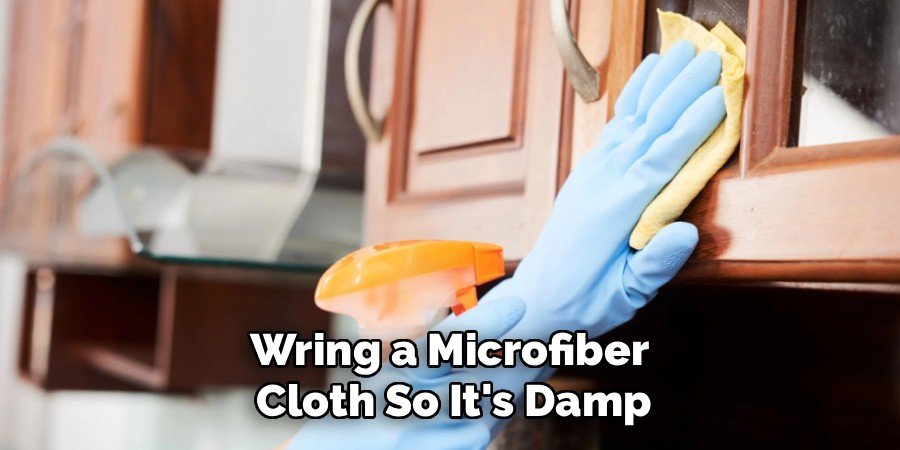
Mix a few drops of mild dish soap into warm water. Wring a microfiber cloth so it’s damp, not soaking, and wipe each shelf and wall from the top down. Work in one direction rather than scrubbing in circles, so you lift residue off instead of pushing it around.
Handle Laminate and Wood Differently
Laminate and melamine shelves (the smooth white or wood-look boards in most modern cabinets) hold pest spray residue on the surface, so it wipes off fairly easily with soap and water. Real wood and unsealed particleboard are more porous — residue sinks in a little, so you’ll want a second pass and you should never let water pool on them. Standing water swells wood and warps particleboard fast.
For wood, keep the cloth barely damp and dry the surface right after. A drop of vinegar in your water helps cut greasy residue on either material, but test it on a hidden corner of wood first — some finishes cloud with acid.
Scrub Corners, Seams, and Hinges
Residue and debris collect where two surfaces meet. Dip a soft brush or old toothbrush in your soapy water and work the corners, the seam where the shelf meets the wall, and around the hinges — but only in areas the technician cleared. Skip any spot where bait or dust was intentionally placed.
Rinse and Dry Thoroughly
Go back over every washed surface with a clean cloth wrung out in plain warm water. This second pass lifts the soap film and any loosened residue the first wipe left behind. Change your rinse water the moment it looks cloudy.
Then dry everything with a fresh cloth or leave the doors open until the wood and shelves are bone dry. Damp cupboards attract the very pests you just evicted, and moisture trapped under shelf liner breeds mildew.
Replace Shelf Liner and Restock Slowly
Toss any old liner — it soaks up residue and hides crumbs. Lay down fresh liner once the shelves are fully dry. Wipe the outside of every can, jar, and box before it goes back in, and give questionable packaging a hard look before you keep it.
Restock the food you use most where you can see it, and keep dry goods in sealed glass or hard plastic containers going forward. That one habit does more to keep pests out than anything else.
What to Use vs. What to Avoid
I’ve watched people reach for the strongest thing under the sink, thinking more power means more clean. With chemical residue, that logic backfires.
| Use This | Avoid This |
| Mild dish soap and warm water | Bleach or ammonia sprays |
| A damp (wrung-out) microfiber cloth | A dripping-wet sponge |
| White vinegar as a gentle degreaser | Mixing vinegar with bleach |
| A soft brush for corners | Steel wool or abrasive pads |
| Fresh shelf liner | Reusing old, residue-soaked liner |
| Plain-water rinse pass | Leaving soap film to dry |
| Open doors to air-dry | Sealing cupboards while damp |
| Cleaning only cleared areas | Wiping over placed bait or dust |
Vinegar and mild soap handle nearly every post-treatment cleanup. Bleach doesn’t remove pesticide residue any better than soap does, and it introduces fumes and reaction risks you simply don’t need.
Common Mistakes to Avoid
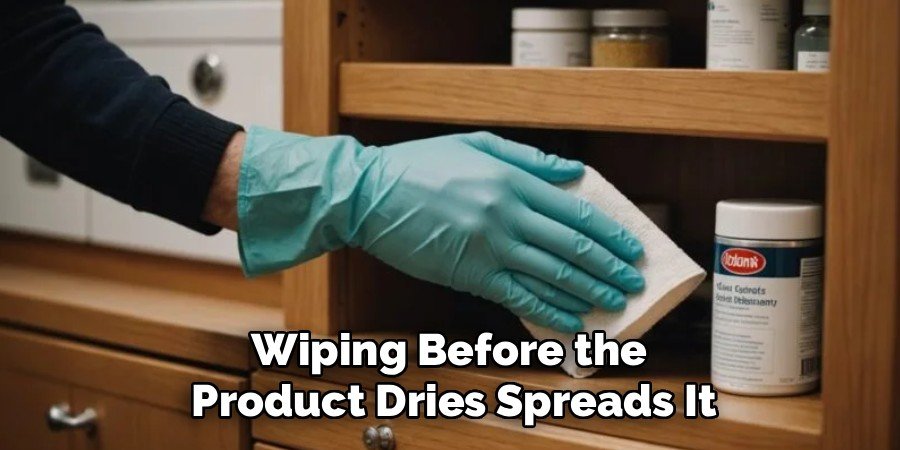
- Cleaning too soon. Wiping before the product dries spreads it and wipes out the treatment. Wait out the full dry time.
- Scrubbing away placed bait. Techs position bait and dust on purpose. Clean over them and you’ve undone the job.
- Putting food back on wet shelves. Damp cupboards draw pests and warp wood. Dry everything first.
- Using a soaking cloth on wood. Water sinks into porous surfaces and swells them. Keep cloths wrung out.
- Reusing old shelf liner. It traps residue and crumbs. Replace it.
- Reaching for bleach or strong disinfectants. They don’t lift pesticide better than soap and add fume risk.
- Skipping the rinse pass. Soap film left to dry gets sticky and grabs new dust. Always rinse.
Safety and Warnings
You’re dealing with chemical residue and enclosed spaces, so a few precautions genuinely matter here.
- Wear gloves. Rubber or nitrile gloves keep residue off your skin the whole time you’re wiping and rinsing.
- Protect your lungs. In tight or poorly ventilated cabinets, wear a dust mask or respirator, especially if the treatment used dusts or if the smell is still strong.
- Ventilate the room. Open windows and run a fan while you work and while the cupboards air-dry. Moving air clears lingering fumes faster.
- Never mix cleaning products. Don’t combine bleach with ammonia or vinegar — some mixes release toxic gas. Stick to one cleaner at a time and rinse between them.
- Test cleaners on a hidden spot. Try vinegar or any new product on an out-of-sight corner first, particularly on wood finishes that can cloud or dull.
- Keep kids and pets out. Block off the kitchen until you’ve finished cleaning and everything is dry and back in place.
- Confirm before you clean. When in doubt about which areas are safe to wipe, call the pest control company. They’ll tell you exactly what to leave untouched.
Maintenance and Prevention Tips
Keeping pests out long-term takes less effort than a full cleanup, and it protects the treatment you paid for. A few habits go a long way:
- Store dry goods in sealed containers. Glass or hard plastic with tight lids beats cardboard and bags every time. Pests can’t smell or reach what’s sealed.
- Wipe up spills and crumbs immediately. Sugar granules and grease film in a cupboard corner are a buffet. A quick weekly wipe keeps shelves uninteresting to bugs.
- Do a monthly quick check. Pull items from the back corners and look for droppings, webbing, or chew marks. Catching activity early beats another full treatment.
- Keep cupboards dry. Fix any leaks under the sink and don’t store damp items. Moisture draws roaches and silverfish straight in.
- Take trash out regularly. An overflowing bin near the cabinets undoes everything. Empty it often and keep the lid shut.
- Reseal gaps. Caulk small cracks and holes where cabinets meet walls. That’s the highway pests use to get back in.
Clients used to ask me why bugs kept returning to one particular cupboard after treatment. Nine times out of ten it was the one above or beside the trash bin, or the one hiding a slow leak — a warm, damp, food-scented pocket that no amount of spraying could fix on its own. Move the bin, dry the leak, and the problem usually solved itself.
Frequently Asked Questions on How to Clean Cupboards After Pest Control
How long should you wait to clean cupboards after pest control?
Follow the timeframe your technician gives you, which is usually two to four hours for sprays but can stretch to a full day for gels, dusts, and baits. Wiping before the product dries spreads it and cancels the treatment. When you’re unsure, call the company and ask for the exact dry time for the products they used.
Is it safe to put food back in cupboards after pest control?
Yes, once the treatment has fully dried and you’ve cleaned the surfaces you were told are safe to wipe. Throw out any open or exposed food, wipe the outside of sealed cans and jars, and only restock onto dry shelves. Putting food back too soon is the most common reason people worry about contamination.
What should you clean cupboards with after pest control?
Mild dish soap and warm water handle the job on nearly every surface. A little white vinegar helps cut greasy residue if you need it. Skip bleach and strong disinfectants — they don’t remove pesticide residue any better and add fume and reaction risks.
Do you have to wipe up all the pest control spray?
No — and you shouldn’t. Clean the shelves and surfaces you use for storing dishes and food, but leave any bait, gel, or dust the technician placed in corners, cracks, and wall voids. Those are meant to stay put and keep working. Ask which specific areas to avoid before you start.
How do you get rid of the pest control smell in cupboards?
Air is your best tool. Open windows, run a fan, and leave the cupboard doors open for several hours to a day. Wiping the surfaces with soapy water and a splash of vinegar helps, and a shallow dish of baking soda left inside absorbs lingering odor. Avoid masking it with sprays, which just add more chemicals.
Can pest control residue make you sick?
Residue left on food-contact surfaces can be a problem, which is exactly why you clean the shelves you store dishes and food on. Wear gloves, ventilate the space, and rinse surfaces well, and the risk drops sharply. If anyone in the home has strong sensitivities, keep them out of the kitchen until you’ve finished and everything has aired out.
Give the treatment its full dry time, clean only the surfaces you were cleared to touch, and dry everything before a single plate goes back. Do that, and you’ll have a safe kitchen and a pest treatment that actually keeps working.
