
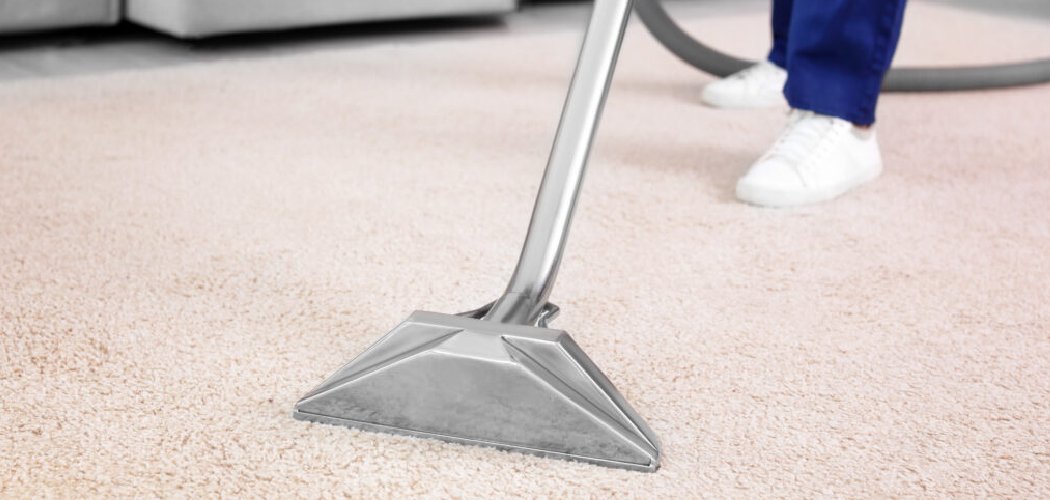
A property manager once handed me a mop and a bucket of hot, soapy water and asked me to “give the office floor a good wash.” That floor was carpet tile, and by the next morning half the squares had curled up at the corners like stale sandwich bread. Soaking carpet tiles is the fastest way to ruin them, because the water gets under the backing and loosens the adhesive holding every square in place.
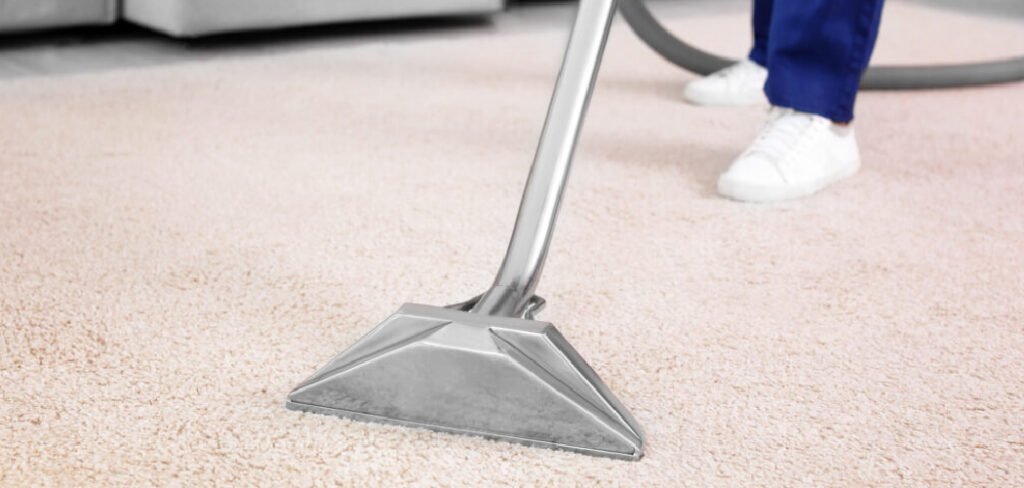
The good news is that carpet tiles are one of the easiest floor coverings to maintain once you know their quirks. Learning how to clean carpet tiles properly means treating them dry whenever you can, spot-cleaning fast, and lifting individual squares when a stain refuses to budge. That last trick is something wall-to-wall carpet owners would kill for.
What You’ll Need
- Vacuum with a beater bar or a strong upright
- Stiff-bristle brush and a soft cloth or two
- Two buckets — one for solution, one for clean rinse water
- White microfiber cloths (colored rags can bleed dye)
- Spray bottle
- Mild dish soap
- White vinegar
- Baking soda
- A plastic putty knife or a wide, flat scraper
- Rubber gloves
- A box fan
- A few spare tiles, if you have them, for swapping out ruined squares
Keep your cloths white. Damp fibers pull color out of anything, and I’ve watched a red shop rag leave a pink shadow on a pale gray tile that never fully came out. When the tile is wet, only white touches it.
Check the Tile Type and Backing First
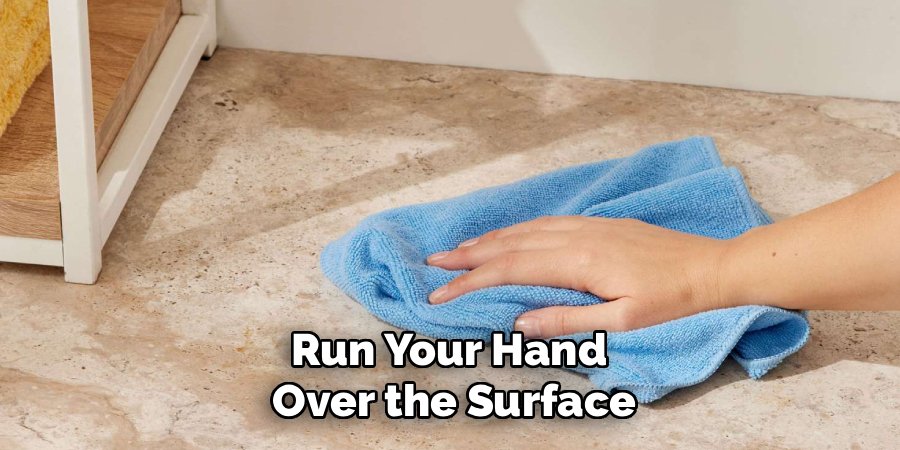
Run your hand over the surface and flip a loose corner if you can. Loop-pile tiles (the low, tight commercial kind) shrug off traffic but trap grit deep in the loops. Cut-pile tiles feel softer but show wear and crush marks faster.
The backing matters just as much. Most tiles use a heavy vinyl, bitumen, or PVC backing that hates standing water and heat. That’s why steam and mopping are off the table — you’re cleaning the fiber on top, not drowning the square.
Vacuum in Two Directions
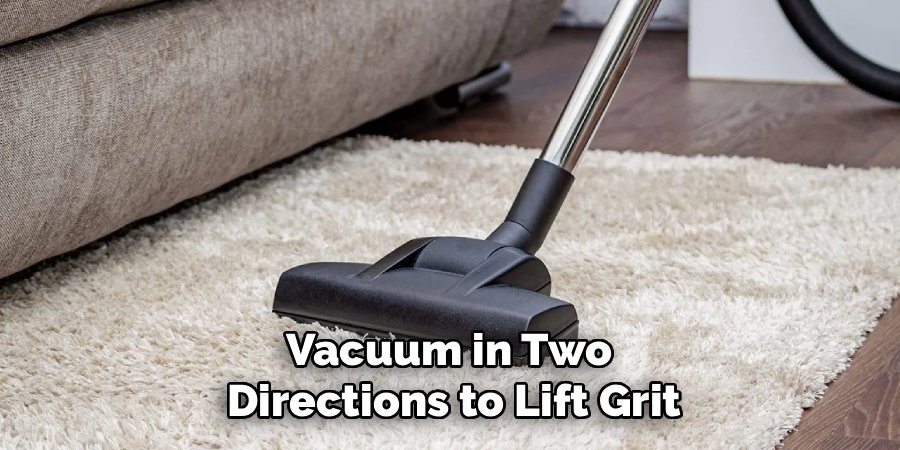
Start dry, always. Run the vacuum along the length of the room first, then go back across the width. Carpet tiles are laid in a grid, and the pile on each square often faces a slightly different direction, so cross-passing lifts grit the single-direction pass leaves behind.
Hit the Seams and Edges
Grit collects in the grooves between tiles and along baseboards. Use the crevice tool to work those lines, because loose dirt trapped in the seams grinds against the tile edges and frays them over time.
Go Slow Over High-Traffic Squares
Around doorways and desk chairs, run the beater bar over each tile two or three times. Fast passes barely touch the dirt sitting at the base of the pile, which is exactly where wear starts.
Deodorize With Baking Soda
Carpet tiles near kitchens, entries, and pet zones soak up smells long before they look dirty. Baking soda handles odor without a drop of liquid.
Sprinkle, Wait, and Vacuum
Scatter a light, even layer across the tiles and leave it 15 to 30 minutes — overnight for stubborn pet or smoke odors. Then vacuum every bit back up. Run your hand across the surface afterward; if it feels gritty, keep vacuuming, because leftover powder turns pasty the moment you spot-clean.
Spot-Clean Stains Without Soaking
Mix your solution in the spray bottle: one cup warm water, one tablespoon white vinegar, and a single drop of dish soap. That’s mild enough to rinse out clean, which matters more than most people think.
Blot, Never Scrub
Mist the stain lightly — damp, not wet — and press a white cloth straight down to lift it. Work from the outer edge of the stain toward the center so you don’t spread it into clean fiber. Scrubbing in circles frays the pile and drives the stain deeper into the backing.
Rinse and Blot Dry
Mist the spot with plain water from your second bucket and blot again to pull out any soap film. Skipping this rinse is why so many “cleaned” spots turn into dirt magnets within a couple of weeks — leftover soap keeps grabbing dust. Finish by pressing a dry towel down hard to soak up moisture, then point a fan at the square.
Lift and Wash a Badly Stained Tile
Here’s the trick that makes carpet tiles worth the money. If a square is beyond spot-cleaning, slide your putty knife under one corner and gently pry it up.
- Lift the tile straight up and carry it outside or to a sink.
- Rinse the fiber side under cool running water — the backing can handle a quick wash, just don’t let it soak for ages.
- Work in a drop of dish soap with a soft brush, then rinse until the water runs clear.
- Press out excess water with a towel and stand the tile on edge to air-dry completely, backing and all.
- Wipe the exposed floor underneath while the tile is out, then set the dry square back into place.
If the tile is stained past saving, swap in a spare. This is why I always tell people to buy an extra box at install and stash it in a closet — you’ll be grateful the day a full mug of coffee goes down.
Deep-Clean the Whole Floor
For a full refresh, work in sections. Lightly mist your vinegar solution over a few square feet, agitate the pile with a soft brush, then blot with a clean towel. Rinse-mist with plain water, blot again, and move on. Never work faster than you can dry — a floor fan trailing behind you keeps the backing from staying damp.
Method Comparison: What Works and What to Skip
| Method | Best For | Watch Out For | Verdict |
| Dry vacuuming | Daily grit, general upkeep | Cross-pass for best lift | Do it often |
| Baking soda (dry) | Odors, dinginess | Vacuum fully before wetting | Reliable and safe |
| Vinegar + water spray | Spots, light stains | Test colorfastness first | The everyday fix |
| Lifting a single tile | Stubborn, set-in stains | Pry gently to save the backing | The tile owner’s advantage |
| Swapping in a spare tile | Ruined, permanent stains | Buy extras at install | Cheapest long-term fix |
| Mopping | Nothing | Soaks backing, loosens adhesive | Never |
| Steam cleaning | Nothing on most tiles | Heat delaminates backing | Avoid unless rated for it |
Common Mistakes to Avoid
- Mopping or flooding the floor. Water gets under the backing, loosens the adhesive, and curls the corners. Damp is the ceiling, never wet.
- Using too much soap. Residue attracts dirt and re-soils the tile fast. One drop is plenty.
- Scrubbing stains hard. It frays the pile and pushes the stain into the backing where you can’t reach it.
- Skipping the rinse step. Leftover solution keeps grabbing dust long after you finish.
- Steam cleaning without checking the rating. Heat can delaminate a standard tile backing permanently.
- Ignoring the seams. Trapped grit in the grooves frays tile edges and shortens the floor’s life.
- Tossing a stained tile instead of lifting it. Half the time it cleans up in a sink — or you just swap it.
Safety and Warnings
Hand-cleaning carpet tiles is low-risk since you’re mostly using pantry staples, but a few rules still apply.
- Never mix vinegar with bleach. The combination releases toxic chlorine gas. Use one cleaner at a time.
- Don’t mix bleach and ammonia either. Some commercial spot cleaners contain ammonia, so read the label before layering products.
- Test in a hidden spot first. Try your solution under a desk or in a corner to check for color bleeding or fading before you treat a visible area.
- Ventilate the room. Even vinegar smells sharp in a closed office. Crack a window while you work.
- Wear gloves if repeated wetting or vinegar bothers your skin.
- Mind the wet floor. A damp tile next to a hard threshold is a slip hazard — block the area off until it’s dry.
- Dry tiles fully to prevent mold, which grows fast in the dark space between a damp backing and the subfloor.
Keep Your Carpet Tiles Cleaner Longer
A little routine care means you’ll rarely face a full deep-clean.
- Vacuum high-traffic zones twice a week and the whole floor weekly. Grit is what grinds down the pile.
- Rotate tiles from worn spots to hidden ones every few months. Swapping a doorway square with one under a cabinet spreads the wear evenly — a perk only tile floors offer.
- Blot spills the second they land. Fresh spills lift in seconds; set ones become a lift-and-wash job.
- Put walk-off mats at every entrance. Most dirt walks in on shoes, so trap it before it hits the tiles.
- Use chair mats under rolling desk chairs. Casters crush and fray pile faster than foot traffic.
- Keep spare tiles on hand. A stash from the original install saves you a color-match nightmare later.
- Address seams that lift early. A corner starting to curl only gets worse — press it back or re-adhere it before it becomes a trip hazard.
Frequently Asked Questions
How do you clean carpet tiles without removing them?
Vacuum in two directions to lift grit, then deodorize with baking soda and vacuum it back up. For spots, lightly mist a vinegar-and-water solution, blot from the edge inward with a white cloth, rinse-mist with plain water, and blot dry. Run a fan over the area so the backing never stays damp.
Can you steam clean carpet tiles?
Only if the manufacturer rates them for it, which most standard tiles are not. The heat and moisture can loosen the backing and cause squares to delaminate or curl. Stick to dry methods and light spot-cleaning unless the spec sheet says otherwise.
What is the best homemade carpet tile cleaner?
One cup of warm water, one tablespoon of white vinegar, and a single drop of mild dish soap handles most spots. Baking soda deals with odors before you spray anything. Test a hidden tile for colorfastness first, and never mix vinegar with a bleach-based product.
How do you get stains out of carpet tiles?
Blot from the outside of the stain toward the center with a white cloth and your vinegar solution — never scrub. If the stain won’t lift, pry the whole tile up, wash the fiber side in a sink, air-dry it fully, and set it back. When it’s truly ruined, swap in a spare.
Why are my carpet tiles curling at the corners?
Usually water damage. Mopping or over-wetting seeps under the backing and loosens the adhesive, so corners lift and curl. Press the corner back down, re-adhere it if needed, and switch to dry cleaning to stop it happening again.
How often should you clean carpet tiles?
Vacuum high-traffic areas twice a week and the whole floor weekly. Spot-clean spills immediately, and do a full section-by-section refresh every three to six months, or sooner in a busy office or a home with pets.
Final Word
Keep the water to a minimum, blot instead of scrub, and remember that any square can come up for a proper wash or a straight swap. That lift-and-replace flexibility is the whole reason tile floors outlast the people who insist on mopping them.
