

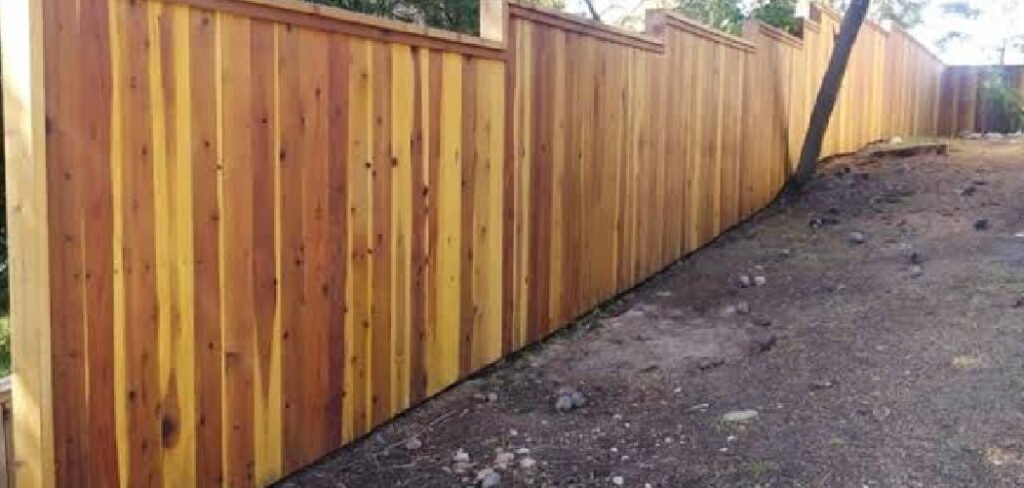
Every spring I’d get the same panicked call: someone had blasted their gray, weathered cedar fence with a pressure washer on full power, hoping to reveal that warm reddish-brown wood underneath. Instead, they carved deep furrows into the soft grain, fuzzed up the surface, and gouged lines that no amount of staining could hide. The fence looked worse than the dingy gray they started with — and the damage was permanent.
Cedar is soft, and it forgives almost nothing done in a hurry. The good news is that learning how to clean a cedar fence properly takes patience, not muscle. Do it right and you’ll pull off years of grime, mildew, and gray weathering without ever touching that vulnerable grain.
What You’ll Need
- Oxygen bleach (sodium percarbonate) — the wood-safe cleaner
- Wood brightener with oxalic acid (optional, for restoring color)
- Garden pump sprayer or watering can
- Soft-bristle or medium nylon deck brush on an extension pole
- Garden hose with an adjustable nozzle
- Two buckets — one for cleaner, one for rinse
- Mild dish soap
- Rubber gloves and safety glasses
- Long sleeves and old clothes
- Plastic sheeting and painter’s tape
- Drop cloths for nearby plants and grass
- Cedar-appropriate sealer or semi-transparent stain (for after it dries)
Wet Down Plants and Prep the Work Zone

Before any cleaner touches the wood, soak the grass and shrubs along both sides of the fence with plain water. A pre-soak dilutes any runoff that reaches the roots and keeps concentrated solution from scorching your greenery.
Drape plastic sheeting over delicate beds and tape it down where you can. Pull back mulch, garden hoses, and anything leaning against the fence. Cedar cleaner has a way of dripping exactly where you didn’t cover, so err on the side of too much protection.
Pre-Rinse the Fence to Loosen Loose Grime
Give the entire fence a gentle rinse with your hose on a wide spray. Work top to bottom so dirty water runs down over sections you haven’t cleaned yet.
This first pass knocks off cobwebs, dust, and loose surface dirt. Pre-wetting also stops the dry, thirsty cedar from drinking up your cleaning solution the second it lands, which lets the cleaner spread evenly and dwell where it should.
Mix and Apply Oxygen Bleach
Oxygen bleach is the cleaner I reached for on nearly every cedar job. Mix it with warm water per the label — usually about a cup per gallon — and stir until it fully dissolves. Warm water activates it faster and works better on stubborn mildew than cold.
Load it into a pump sprayer or apply with a watering can, working in manageable sections roughly six feet wide. Coat the boards evenly and let the solution dwell for 10 to 15 minutes. Keep it damp the whole time — if the sun starts drying it out, mist the boards lightly. That soak time breaks down mildew, algae, and gray weathering so you barely have to scrub.
Scrub Gently, Always With the Grain
Work your nylon brush along the length of each board, following the grain end to end. Scrubbing across the grain or in circles grinds grit into the soft fibers and raises a fuzzy nap you’ll regret.
Use light, even pressure. Cedar responds to the chemistry far more than to elbow grease, so if a section resists, reapply the cleaner and give it another few minutes rather than bearing down harder.
Tackle Deep Mildew and Black Spots
North-facing sections and shaded corners collect the worst black mildew. Reapply oxygen bleach directly to those patches, let it sit another 15 minutes, then scrub again with the grain.
For staining that’s set deep into the grain, a second full application beats aggressive scrubbing every time. Cedar’s soft surface tears long before the stain lets go if you get rough with it.
Rinse Clean and Let It Dry Fully
Rinse each section thoroughly before the cleaner dries, working top to bottom again. Leftover residue leaves a dull film and attracts fresh dirt once the boards dry out.
Give the fence at least 48 hours of dry weather before you seal or stain it. Cedar holds moisture deep in the grain, and sealing damp wood traps that moisture inside — which invites mildew right back and keeps the finish from bonding.
Brighten the Color (Optional)
If your cedar still looks dull or grayish after cleaning, apply a wood brightener with oxalic acid. It neutralizes any leftover cleaner and restores that warm cedar tone.
Spray it on, let it dwell a few minutes per the label, then rinse. Clients used to ask me why their “clean” fence still looked flat — nine times out of ten, a brightener was the missing step that brought the color back to life.
Cedar Cleaning Methods: What Works vs. What Wrecks the Wood
| Method or Cleaner | Safe for Cedar? | Why |
| Oxygen bleach (sodium percarbonate) | ✅ Yes | Lifts mildew, algae, and gray weathering without harming soft fibers or plants |
| Wood brightener (oxalic acid) | ✅ Yes | Neutralizes cleaner and restores warm cedar color |
| Mild dish soap + water | ✅ Yes | Fine for light surface dirt on newer fences |
| Nylon-bristle brush | ✅ Yes | Cleans effectively without shredding the grain |
| Chlorine bleach | ⚠️ Caution | Kills mildew but strips color, dries the wood brittle, and kills plants |
| Pressure washer (high PSI) | ❌ No | Gouges and fuzzes soft cedar, causing permanent damage |
| Wire brush or steel wool | ❌ No | Tears fibers and roughens the surface |
| TSP without dilution | ❌ No | Too harsh; can darken and damage bare cedar |
Common Mistakes to Avoid
- Cranking the pressure washer to full power. High PSI carves grooves into soft cedar that no stain will hide. If you must use one, keep it under 1,500 PSI with a wide fan tip held well back.
- Using straight chlorine bleach. It kills mildew but bleaches the wood pale, dries it out, and torches nearby plants through runoff.
- Scrubbing across the grain. Always follow the board’s length. Cross-scrubbing grinds dirt in and raises a rough nap.
- Sealing while the fence is still damp. Trapped moisture feeds mildew and stops sealer from bonding. Wait for two dry days.
- Skipping the plant prep. Concentrated runoff scorches grass and shrubs fast. Pre-soak and cover every time.
- Cleaning in direct midday sun. The cleaner dries before it can work, leaving streaks and forcing you to redo sections.
Safety and Warnings
Cleaning cedar is a manageable weekend job, but the products deserve respect. Wear rubber gloves and safety glasses whenever you handle oxygen bleach, chlorine bleach, or wood brightener — oxalic acid in particular irritates skin and stings badly if it reaches your eyes. Long sleeves save you from splatter, too.
Never mix cleaning products. Combining chlorine bleach with any ammonia-based cleaner releases toxic gas. Pick one cleaner and commit to it. Since oxygen bleach handles cedar safely on its own, there’s no reason to reach for anything harsher or to start blending chemicals.
You’re working outdoors, so ventilation usually isn’t a concern, but follow the label’s dilution ratios and dwell times exactly — stronger isn’t better on soft wood. Always test your cleaner on a hidden section first, like a back corner post or the bottom of an end board. Weathered cedar reacts differently than fresh boards, and a spot test shows you how yours will respond before you commit to the whole fence. Watch your footing near wet boards and coiled hoses while you work.
How to Keep Your Cedar Fence Clean Longer
- Rinse it down twice a year. A quick hose-off in spring and fall clears pollen, dust, and early mildew before it sets in.
- Trim back plants touching the boards. Vines and shrubs trap moisture against the wood, and that dampness is where mildew starts.
- Improve airflow and sunlight. Cut back overhanging branches so shaded sections dry faster after rain.
- Seal every two to three years. A quality water-repellent sealer or semi-transparent stain keeps moisture out and slows graying dramatically.
- Clear debris from the base. Piled leaves and mulch against the bottom rail hold water and rot the wood from the ground up.
- Spot-clean mildew early. Hit small black patches with diluted oxygen bleach the moment you see them, before they spread.
- Keep sprinklers pointed away. Repeated soaking from a misaimed sprinkler head is a fast track to mildew and premature graying.
One timing note from years of doing this: clean and reseal cedar in late spring or early fall, when you can count on a stretch of mild, dry days. Fences I cleaned during humid mid-summer stretches never dried fully before I sealed them, and the finish clouded within weeks. A dry window before and after cleaning matters as much as the cleaning itself.
Frequently Asked Questions
What is the best thing to clean a cedar fence with?
Oxygen bleach (sodium percarbonate) mixed with warm water is the best all-around choice. It removes mildew, algae, and gray weathering without damaging the soft wood or harming nearby plants. For light surface dirt on a newer fence, mild dish soap and water do the job. Skip chlorine bleach unless you’re prepared for it to strip the color.
Can you pressure wash a cedar fence?
You can, but it’s risky. Cedar is soft, and high pressure gouges and fuzzes the surface permanently. If you use a pressure washer, keep it under 1,500 PSI, fit a wide fan tip, and hold the wand well back from the wood. Honestly, a nylon brush and oxygen bleach give you a better result with zero chance of damage.
How do I get mildew off my cedar fence?
Apply oxygen bleach directly to the mildewed areas, let it dwell 10 to 15 minutes, then scrub gently along the grain and rinse. Stubborn black spots may need a second application rather than harder scrubbing. Shaded, north-facing sections collect the most mildew, so give those extra attention.
Should I seal my cedar fence after cleaning it?
Yes, once it’s fully dry. Sealing locks out the moisture that causes graying and mildew and helps preserve the cedar’s color. Wait at least 48 hours of dry weather after cleaning so the wood isn’t holding moisture, then apply a water-repellent sealer or semi-transparent stain.
Will bleach damage a cedar fence?
Chlorine bleach can. It kills mildew but also strips the wood’s natural color, dries it out and makes it brittle, and damages surrounding plants through runoff. Oxygen bleach is the safer alternative — it cleans just as effectively without those side effects. If you ever use chlorine bleach, never mix it with other cleaners.
How often should you clean a cedar fence?
A light rinse twice a year plus a deeper clean every one to two years keeps most cedar fences in good shape. Fences in shaded, damp spots or under heavy tree cover may need more frequent attention to stay ahead of mildew and gray buildup.
Final Word
Put the pressure washer away and let oxygen bleach do the heavy lifting — a nylon brush, gentle strokes with the grain, and patience will bring cedar back without wrecking it. Give it two dry days, seal it, and keep the plants trimmed back. Handle it that way and your fence will hold its color for years instead of graying out by next season.
