
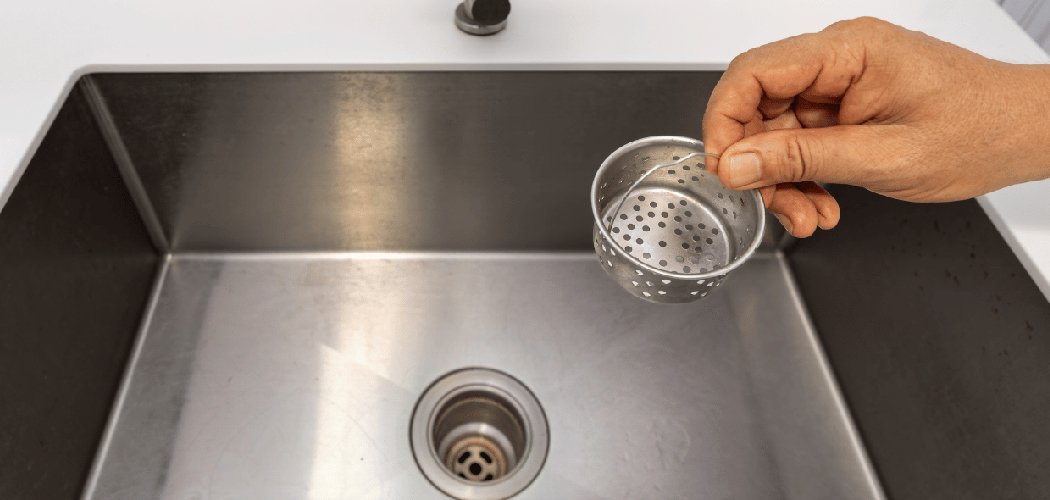
A client once called me in a panic because her bathroom sink had started smelling like a swamp and draining half as fast as it used to. She’d been dumping bleach down it every few days, convinced she was killing whatever was growing in there. When I pulled the stopper out, a rope of black gunk came with it — and the bleach hadn’t touched the real problem an inch below.
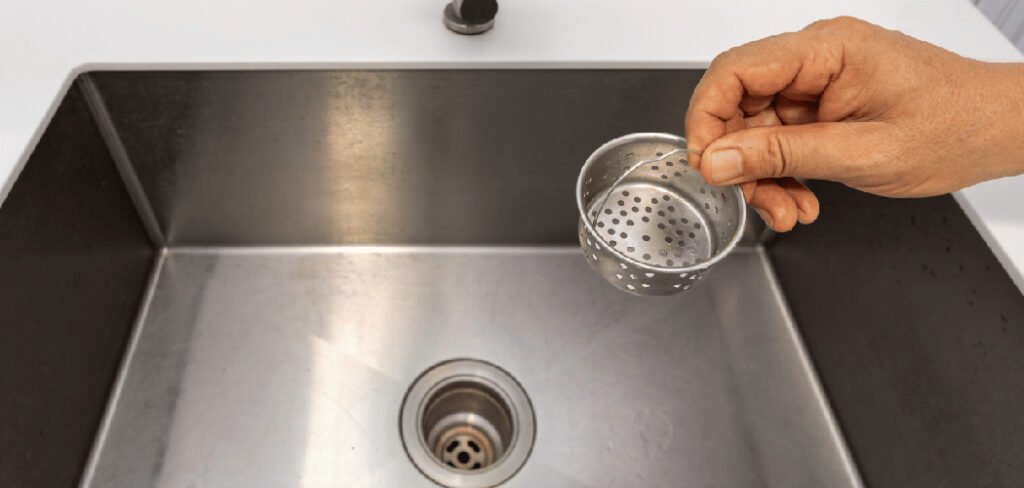
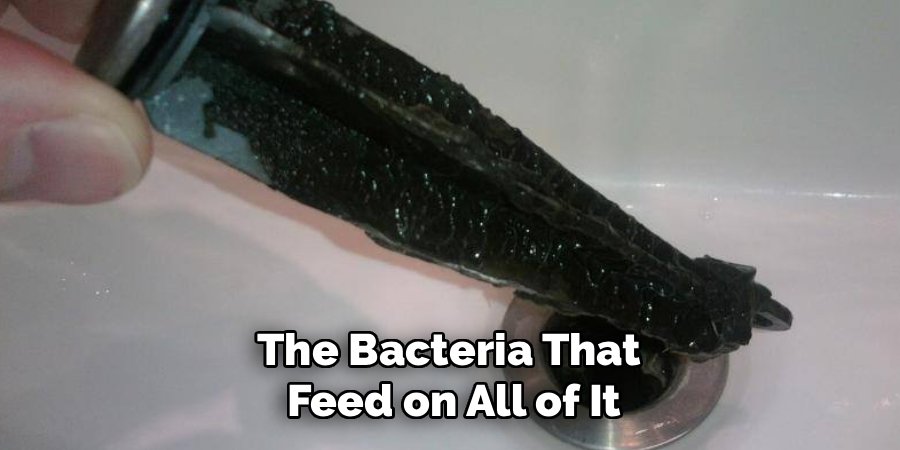
That black slime is a mix of decomposing soap scum, hair, skin cells, toothpaste, and bacteria feeding on all of it. Learning how to clean black sludge from sink drain buildup properly means physically removing that gunk, not just pouring liquid over the top and hoping. Once you clear it out and keep it out, the smell and slow drainage go with it.
What You’ll Need
Lay everything out before you start. Once your hands are covered in slime, you don’t want to be rummaging under the cabinet for a tool.
- Rubber gloves (thick ones, not thin kitchen gloves)
- An old towel or rags
- A flashlight or phone light
- A flathead screwdriver or pliers (for the stopper)
- A bent wire or a plastic drain-cleaning zip tool
- An old toothbrush or bottle brush
- Baking soda
- White vinegar
- A kettle or pot for hot water
- A bucket
- Dish soap
- A bowl for soaking small parts
Skip the chemical drain cleaner for now. I’ll explain why in the safety section, but for most sludge, you won’t need it.
Pull and Clean the Stopper First
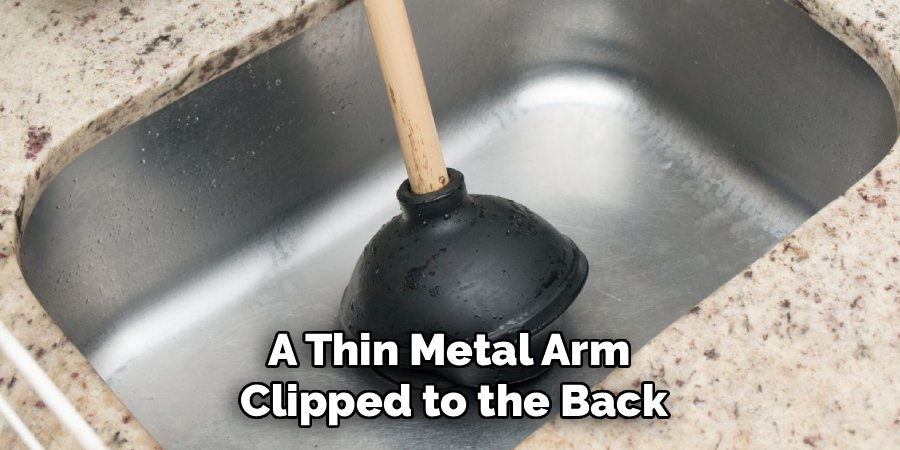
Most of the worst buildup sits right on and under the pop-up stopper, so start there. Look under the sink for the pivot rod — a thin metal arm clipped to the back of the drain pipe. Squeeze the clip or unscrew the nut holding it, slide the rod out, and the stopper lifts straight up from the top.
Brace yourself for what comes up. There’s usually a tangled mass of hair and black paste wrapped around the base. Wipe it into your bucket, then drop the stopper in warm soapy water to soak while you work on the drain itself.
Clear the Visible Sludge From the Drain Opening
Shine your light down the drain. You’ll see the sludge coating the walls just below the opening. Wrap a rag around your finger, or use the bent wire, and physically scrape the buildup off the sides. Pull out everything you can reach and drop it in the bucket.
Here’s a field detail worth knowing: that black coating gets noticeably thicker in winter. Grease and soap solidify faster in cold pipes, so the same drain that ran fine in July starts choking by January. If you only clean once a year, do it heading into the cold months.
Break Down the Deep Buildup With Baking Soda and Vinegar
Once the reachable gunk is gone, treat what you can’t see. Pour half a cup of baking soda directly into the drain, pushing it down with the toothbrush handle so it coats the walls. Follow it with a cup of white vinegar.
It’ll fizz and bubble up toward the opening — that’s the reaction loosening the greasy film. Let it sit and work for 15 to 20 minutes. This won’t dissolve a solid clog, but it does a genuine job of lifting the soft biofilm that makes up most black sludge.
Flush It Clear With Hot Water
Boil a kettle or heat a pot of water. While it heats, run the tap hot for a moment to warm the pipes so you don’t shock cold porcelain with boiling water.
Pour the hot water down the drain in a steady stream. It rinses the loosened sludge and the baking-soda-vinegar residue down and out. Do it twice if the water still drains slowly. For plastic PVC pipes, use hot-but-not-boiling water — sustained boiling water can soften certain older plastic joints over time.
Scrub the Stopper and Reassemble
Fish the stopper out of its soak. The gunk should wipe off easily now. Use the old toothbrush to scrub the grooves and the underside where hair catches. Rinse it clean.
Drop it back into the drain, line up the hole in the stopper stem with the pivot rod, feed the rod through, and re-clip it under the sink. Lift and lower the stopper a few times to check it seals and opens smoothly. Wipe down your tools and the sink, and you’re done.
Quick Step-by-Step Recap
Follow this order every time and you won’t miss the spot that actually holds the smell:
- Remove and soak the pop-up stopper.
- Scrape sludge off the stopper base and drain walls.
- Pour in baking soda, then vinegar; wait 15–20 minutes.
- Flush with hot water, twice if needed.
- Scrub the stopper and reinstall it.
- Test the drain and seal.
Dos and Don’ts at a Glance
| Do This | Not That |
| Remove the stopper and clean it physically | Assume liquid alone reaches the buildup |
| Use baking soda, vinegar, and hot water | Reach for chemical drain cleaner first |
| Scrape gunk out and bin it | Push sludge deeper with a plunger |
| Wear thick gloves the whole time | Handle biofilm bare-handed |
| Warm pipes before pouring hot water | Shock cold porcelain with boiling water |
| Clean the overflow hole too | Ignore the second smell source |
Common Mistakes to Avoid
- Pouring bleach down and calling it clean. Bleach masks the smell for a day and disinfects the surface, but it doesn’t remove the physical sludge. The gunk stays, and so does the slow drain. This was exactly my panicking client’s mistake.
- Skipping the stopper. People pour cleaner around the stopper without ever lifting it out. The thickest buildup lives right underneath it, so you’re cleaning around the actual problem.
- Forgetting the overflow hole. That little hole near the top rim of the sink connects to the same drain and grows its own black slime. If the smell lingers after you clean the drain, the overflow is your culprit — run a bottle brush through it.
- Reaching for chemical drain cleaner too soon. For soft sludge, it’s overkill and it sits in your trap corroding pipes. Save it for genuine solid clogs, if at all.
- Using a plunger on sludge. Plunging can pack the gunk tighter downstream instead of removing it.
Safety and Warnings
This is a low-hazard job if you follow a few rules, but a couple of them really matter.
- Never mix cleaning products. Do not pour bleach and vinegar together, or bleach and ammonia — the combination releases toxic gas. If you’ve used bleach in that drain recently, flush thoroughly with plain water before adding vinegar. When in doubt, stick to baking soda, vinegar, and hot water alone.
- Wear gloves. The black biofilm is packed with bacteria. Thick rubber gloves keep it off your skin and out of any small cuts.
- Ventilate the room. Open a window or run the extractor fan, especially if any chemical residue is still in the pipe.
- Handle hot water carefully. Pour slowly and keep your face back to avoid steam and splashback.
- Skip harsh chemical drain cleaners where you can. They’re caustic, they can burn skin and eyes, and they damage older pipes and finishes. If you must use one, follow the label exactly, never mix it with anything, and never plunge afterward — trapped cleaner can splash back at you.
Maintenance and Prevention
Clearing the sludge once is easy. Keeping it from coming back is where most people fall down.
- Do a weekly hot-water flush. Pour a kettle of hot water down each sink once a week. It stops grease and soap from settling into a film before it hardens.
- Run baking soda and vinegar monthly. A monthly fizz keeps the biofilm from ever building into full sludge. Ten minutes a month beats an hour of scraping later.
- Wipe the stopper weekly. Lift it, wipe the base, and drop it back. Thirty seconds stops the worst of the buildup at its source.
- Catch hair before it goes down. A cheap mesh drain screen in the bathroom sink traps the hair and skin flakes that feed the sludge. Empty it into the bin, not the drain.
- Don’t rinse grease or thick product down. In the kitchen sink, wipe greasy pans with a paper towel first. Grease is the glue that holds black sludge together.
- Flush the overflow occasionally. Pour a little baking soda solution through the overflow hole every couple of months so it doesn’t become a hidden odor source.
Clients used to tell me their drains “just started” smelling out of nowhere. It’s almost never sudden — it’s months of quiet buildup finally reaching the point you can smell it. A little weekly upkeep means you never get there.
FAQ
What causes black sludge in a sink drain?
It’s a buildup of soap scum, hair, skin cells, toothpaste, grease, and the bacteria that feed on all of it. Over weeks, that mix forms a black, slimy biofilm coating the inside of the drain and stopper. Bathroom sinks get it from soap and hair; kitchen sinks get it from grease and food residue.
Will bleach get rid of black sludge in a drain?
Bleach disinfects the surface and cuts the smell briefly, but it doesn’t remove the physical gunk that’s clogging and stinking. You have to pull the stopper and scrape the buildup out. Bleach on its own leaves the sludge in place, so the problem returns fast.
Is black sludge in a sink drain dangerous?
The biofilm itself carries bacteria, so you shouldn’t handle it bare-handed, and it can trigger odors and slow drainage. It’s not usually a serious health hazard for a healthy person, but it’s worth clearing promptly and wearing gloves while you do. Wash your hands well afterward.
How do I get the smell out of my sink drain?
Clean the sludge from both the stopper and the drain walls, then flush with a baking soda, vinegar, and hot water treatment. If the smell lingers, check the overflow hole — it grows its own slime and is a common hidden source. A dry or empty P-trap can also let sewer gas up, so run the tap if the sink’s been unused.
How often should I clean my sink drain?
Do a full clean whenever you notice slow drainage or odor, and run a preventive baking soda and vinegar flush once a month. A weekly hot-water rinse and a quick stopper wipe keep buildup from ever forming. Heading into winter, give it an extra clean, since cold pipes let grease solidify faster.
Can baking soda and vinegar really unclog a drain?
For soft sludge and biofilm, yes — the fizzing reaction loosens the greasy film so hot water can rinse it away. It won’t break through a solid blockage or a heavy hair clog, though. For those, you need to physically remove the material or use a drain snake.
The Takeaway
The black sludge isn’t beaten by whatever you pour down the drain — it’s beaten by lifting the stopper and physically getting it out. Do that, then keep up a weekly hot-water flush and a monthly baking soda treatment, and the smell and slow drainage simply stop coming back.
