
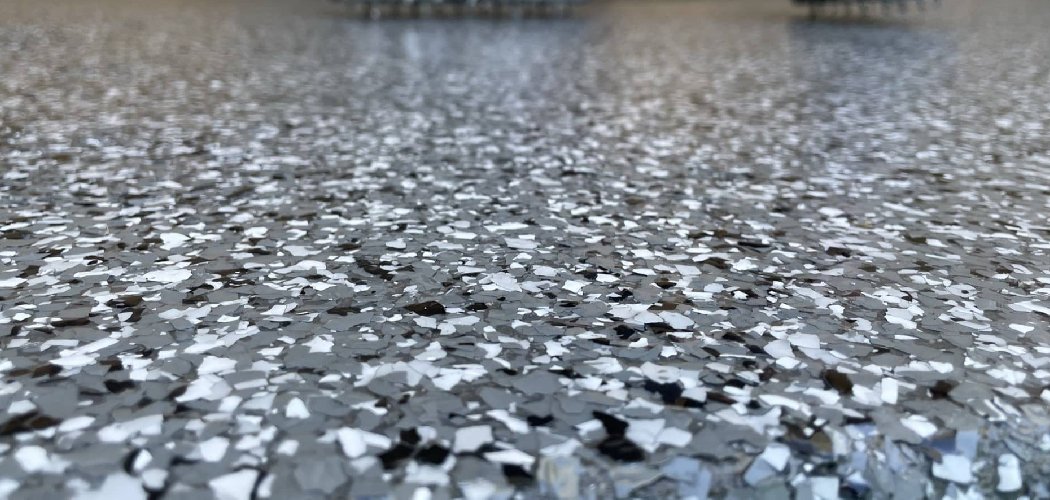
A guy I did a consult for parked his truck in a brand-new polyaspartic garage in January, tracked in a slush of road salt and grit, and left it to dry into white crusty streaks for two weeks because “it’s a garage, it’ll wipe up later.”
When he finally got to it, the salt had etched faint cloudy marks into the coating and the tires had left a sticky, darkened patch that no amount of scrubbing fully lifted. Nothing about the floor failed — he just let two of its only real enemies, road salt and hot tire rubber, sit on it far too long.
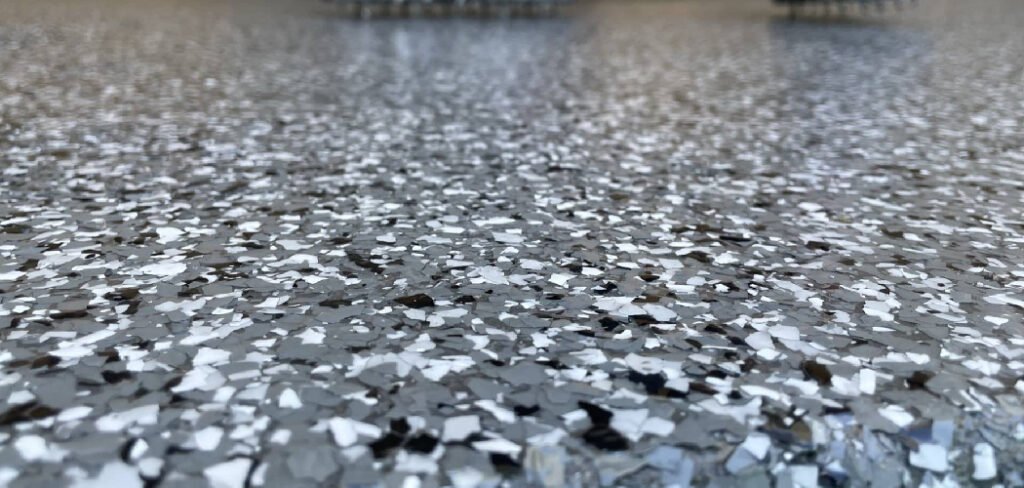
That’s the whole game right here. Knowing how to clean polyaspartic garage floor coatings is less about elbow grease and more about timing and gentleness — this is a tough, chemical-resistant surface that mostly asks you to not let stuff bake into it. Stay ahead of the salt, the oil, and the tire marks, and the actual cleaning is embarrassingly easy.
What You’ll Need
You almost certainly own most of this. The point is to keep it simple and gentle — the coating does the hard part.
- A stiff-bristle push broom (nylon, not metal)
- A dust mop or leaf blower for quick dry cleanups
- A garden hose, or a pressure washer on a low/wide setting
- A soft-bristle deck brush or microfiber flat mop
- A bucket
- A mild pH-neutral floor cleaner or a few drops of dish soap
- A squeegee (a floor squeegee saves your back and speeds drying)
- Clean rags or paper towels for spot spills
- Simple Green or a citrus degreaser for oil and grease spots
- A plastic putty knife for stuck-on gunk
Skip anything harsh: no bleach straight from the jug, no ammonia, no acidic bathroom or tile cleaners, and nothing abrasive like comet or steel wool. The coating shrugs off a lot, but the wrong products dull that glossy top layer over time.
Sweep or Blow Out the Loose Grit First
Every cleaning starts dry. Sand, salt crystals, and gravel are what actually scratch a polyaspartic floor — dragging a wet mop over them just grinds them into the finish like sandpaper.
Push everything out with a stiff nylon broom, or blast the floor with a leaf blower if you’ve got one, which is faster and my personal favorite for a big garage. Pay attention to the corners and the strip right inside the garage door, where grit piles up worst. Get it genuinely clean and dry before a drop of water touches it.
Rinse the Whole Floor With Plain Water
Once the loose debris is gone, hose the floor down. Polyaspartic is fully waterproof, so you can be generous here — there’s no core to swell and no seams to worry about, unlike wood-based floors.
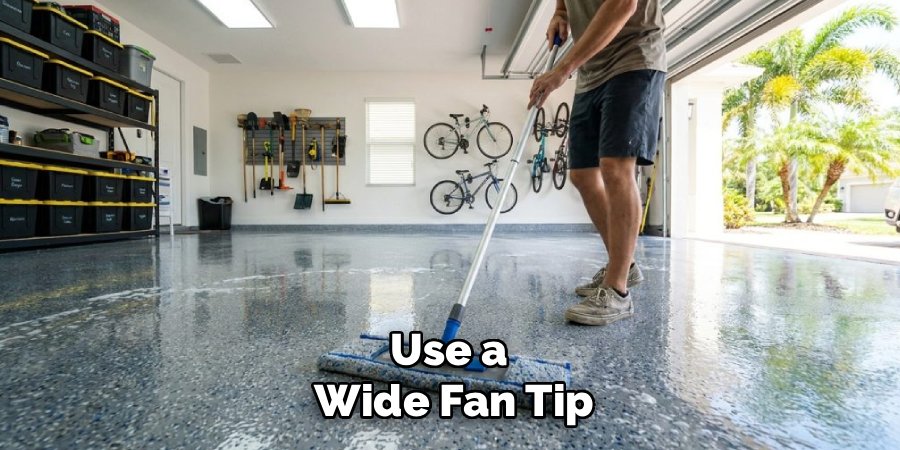
Work from the back of the garage toward the door so everything flows out. If you’re using a pressure washer, keep it on a wide fan tip and hold the nozzle back a foot or two; you’re rinsing, not blasting. A plain-water rinse alone handles most everyday dust and light dirt.
Wash With a Mild Cleaner
For anything the water didn’t lift, mix a bucket of warm water with a pH-neutral floor cleaner or just a few drops of dish soap. More soap isn’t better — it leaves a film that dulls the shine and gets slippery.
- Sweep and rinse first so you’re not scrubbing grit into the surface.
- Mix your mild cleaner into a bucket of warm water — go light on the soap.
- Work in sections so nothing dries before you rinse it.
- Spread the solution with a soft deck brush or microfiber mop, scrubbing gently in circles on any dirty spots.
- Rinse each section thoroughly with the hose before the soapy water dries.
- Squeegee the water toward the door in long, overlapping strokes.
- Let it air-dry, or speed it up with a leaf blower or fan.
Clients used to ask me why their coated floor looked hazy after they cleaned it, and it was almost always leftover soap. Polyaspartic has a high-gloss finish that shows residue instantly. Rinse until the water runs clear and you won’t get that film.

Tackle Oil, Grease, and Tire Marks
Polyaspartic resists oil far better than bare concrete, but fresh drips still wipe up easiest. Blot spills with a rag or paper towel as soon as you spot them rather than smearing them around.
For set-in oil or grease, spray a citrus degreaser or Simple Green on the spot, let it dwell a couple of minutes, then scrub with a soft brush and rinse. Tire marks — that dark, sometimes sticky discoloration under where you park — respond to the same degreaser and a little patience. Work it a few times if needed rather than reaching for something harsh.
What to Use vs. What to Avoid
| Use This | Avoid This |
| pH-neutral cleaner or a few drops of dish soap | Bleach, ammonia, or acidic cleaners |
| Soft deck brush or microfiber mop | Steel wool, wire brushes, abrasive pads |
| Citrus degreaser for oil and tire marks | Harsh solvents like acetone or paint thinner |
| Garden hose or low-pressure washer | High-pressure blasting at close range |
| Squeegee to clear water | Letting salty or soapy water dry on the floor |
| Nylon push broom | Metal-bristle brooms that scratch |
| Plastic putty knife for stuck gunk | Metal scrapers or box cutters |
The acidic-cleaner row trips people up most. Folks grab whatever’s under the sink, and a lot of tile or bathroom cleaners are acidic — over time those can dull and etch the topcoat. When in doubt, pH-neutral is the safe answer.
Common Mistakes to Avoid
Letting road salt sit all winter. Salt is the number one thing that damages these floors in cold climates. It draws moisture and can etch the finish. Rinse it off within a day or two of tracking it in.
Using acidic or bleach-heavy cleaners. They’re overkill and slowly break down the gloss. A mild cleaner does the same job without the damage.
Blasting at close range with a pressure washer. The coating is tough, but a concentrated jet held right up against it can find any weak edge or chip and work under it. Keep your distance and use a wide tip.
Scrubbing with abrasives. Steel wool and scouring pads leave micro-scratches that cloud the shine permanently. Soft bristles only.
Leaving hot tires parked on it fresh after install. During the first week or so of curing, hot tires can cause “hot tire pickup.” Give a new floor its full cure time before parking on it.
Skipping the squeegee. Letting mineral-heavy or soapy water air-dry in puddles leaves spots and film. Push the water out.
Safety and Warnings
Routine cleaning here is low-risk — you’re mostly using water and mild soap — but a few things are worth flagging, especially around the degreasers.
- Never mix cleaning products. Don’t combine bleach with ammonia or acids; the fumes are genuinely dangerous. You don’t need any of those on this floor anyway, so keep it to one mild cleaner at a time.
- Ventilate when using degreasers. Open the garage door and let air move when you’re working with citrus degreasers or solvents on stubborn oil.
- Wear gloves with degreasers. They dry out and irritate skin fast. A cheap pair of nitrile gloves saves you the trouble.
- Watch the slip risk. A wet polyaspartic floor is genuinely slick, and soap makes it worse. Squeegee it dry and keep foot traffic off until it’s fully dry.
- Test a new product in a hidden corner. Try any unfamiliar cleaner behind a shelf or in a corner first, and check for dulling before you do the whole floor.
Maintenance and Prevention Tips
The coated garages that still looked showroom-fresh years later all belonged to people who did tiny things often, not big scrub-downs rarely.
- Put a mat inside the door. A washable mat catches grit and salt before it spreads across the floor. This single habit cuts your cleaning way down.
- Rinse after winter drives. In salt country, a quick hose-off after you’ve been on treated roads keeps salt from sitting and etching. Do it while it’s still liquid, not after it’s crusted.
- Wipe oil and drips fast. Fresh spills lift with a rag in seconds; old ones need degreaser and scrubbing. Keep paper towels within reach.
- Sweep or blow weekly. Staying ahead of grit is what protects the gloss long-term, since grit is what actually scratches it.
- Use a mat under project areas. If you wrench on cars or do woodworking, throw down a cardboard or rubber mat to catch oil, dropped tools, and sparks.
- Mind the seasons. In humid summers, condensation can make the floor sweat and feel slick; a fan or dehumidifier helps. In deep winter, that tracked-in salt is your main watch-out.
- Lift, don’t drag. Slide furniture pads or plywood under anything heavy — dragging a metal shelf or jack stand can gouge the finish.
FAQ
What is the best cleaner for a polyaspartic garage floor?
A pH-neutral floor cleaner or a few drops of dish soap in warm water handles almost everything. For oil, grease, and tire marks, reach for a citrus degreaser or Simple Green. Avoid bleach, ammonia, acidic cleaners, and anything abrasive.
Can you pressure wash a polyaspartic floor?
Yes, but keep it gentle. Use a wide fan tip, hold the nozzle back a foot or two, and treat it as a rinse rather than a blast. A close-range concentrated jet can work under any chipped or weak edge, so distance matters more than power.
How do you remove tire marks from a polyaspartic garage floor?
Spray a citrus degreaser on the dark, sticky spot, let it dwell a couple of minutes, then scrub gently with a soft brush and rinse. Stubborn marks may need two or three passes. Skip harsh solvents and abrasive pads, which can dull the finish.
Does road salt damage polyaspartic floors?
Left sitting, yes — salt draws moisture and can slowly etch and cloud the coating, especially over a long winter. The fix is easy: rinse tracked-in salt off within a day or two instead of letting it dry and build up.
How often should you clean a polyaspartic garage floor?
Sweep or blow out grit weekly, and do a full wash and rinse every month or two, depending on traffic. Spot-clean oil, spills, and salt right away rather than waiting for cleaning day.
Will vinegar or bleach hurt a polyaspartic floor?
Both are harder on the coating than they need to be. Vinegar is acidic and can dull the gloss over time, and bleach is overkill for routine dirt. A mild pH-neutral cleaner does the same job without the wear.
Match your effort to the floor’s short list of real enemies — salt, standing oil, and hot tire rubber — and cleaning it stays a fast, low-fuss job. Sweep the grit, rinse generous, keep the cleaner mild, and squeegee it dry. Do that and your garage floor will keep that fresh, glossy look for years.
