
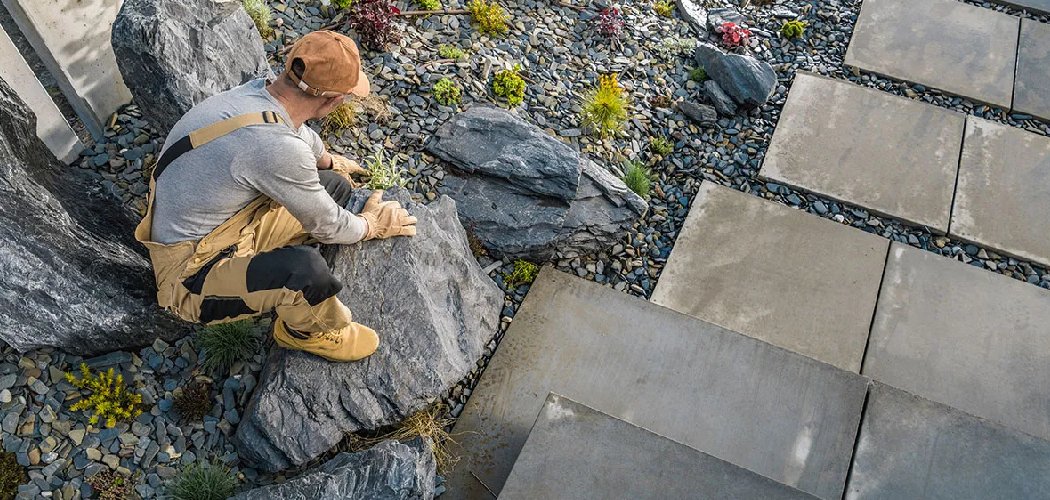
A guy hired me once to “fix” his flagstone walkway after he’d blasted it with bleach and a pressure washer on the same afternoon. The bleach bleached out the color in streaks, the pressure washer chewed the mortar out of the joints, and he was left with a patchy, crumbling path that cost more to repair than it ever would have to clean properly. That kind of damage is almost always avoidable.
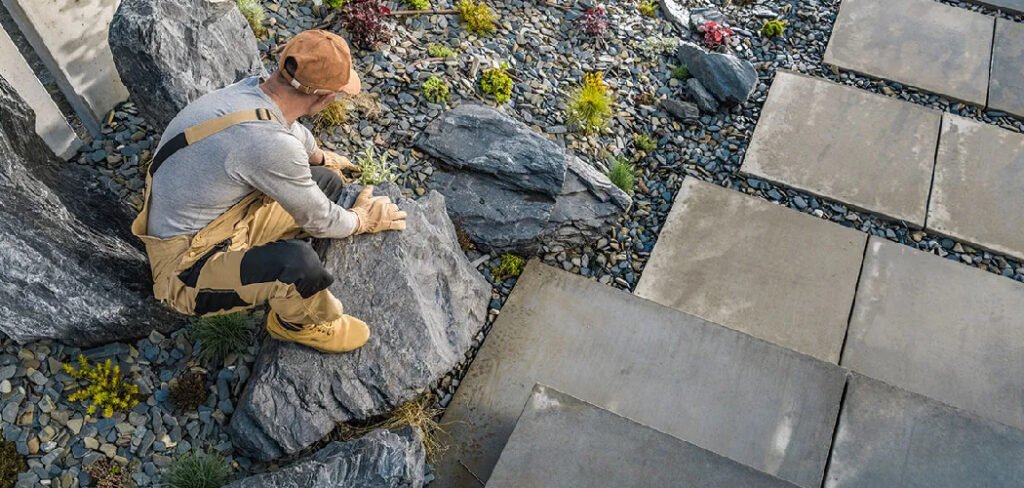
Learning how to clean outdoor stone starts with one truth most people skip: not all stone is the same, and the method that saves your slate can wreck your limestone. Match your approach to the material, and you’ll get better results with a fraction of the effort.
What You’ll Need
Nothing here is fancy, and most of it is probably already in your garage. The one thing folks skip is figuring out what type of stone they actually have before they start — and that skip causes most of the damage I got called out to fix.
- A stiff-bristle nylon brush or push broom (never wire)
- A garden hose with an adjustable nozzle
- Two buckets — one for cleaner, one for rinse water
- pH-neutral stone cleaner
- Mild dish soap for light routine cleaning
- Oxygen bleach (sodium percarbonate) for algae, moss, and organic stains
- A soft sponge or microfiber cloth for spot work
- A plastic putty knife for clearing debris from joints
- A squeegee or wet/dry vacuum for pooled water
- Rubber gloves and safety glasses
- Baking soda and hydrogen peroxide for a stain poultice (optional)
Skip anything acidic — vinegar, lemon, or “descaling” cleaners — until you know your stone. On softer stones like limestone, travertine, and marble, acid etches the surface on contact and leaves dull, rough patches you can’t scrub away.
Know Your Stone Before You Touch It
The single most useful thing you can do takes five minutes. Outdoor stone falls roughly into two camps, and the difference changes everything about how you clean it.
Acid-sensitive stone — limestone, travertine, marble, and some sandstone — is made of calcium carbonate. Acid dissolves it. These need pH-neutral cleaners only.
Acid-tolerant stone — granite, slate, quartzite, and most bluestone — shrugs off mild acid, though there’s rarely a reason to use it. Still avoid harsh acids that attack the mortar between pieces.
Not sure what you have? Drip a little diluted vinegar on a hidden corner and wait a minute. If it fizzes or dulls the spot, you’ve got acid-sensitive stone. If nothing happens, it’s more durable. Either way, you now know what’s safe.
The Step-by-Step Cleaning Process
Outdoor stone collects a different kind of grime than anything indoors — algae, moss, leaf tannins, pollen, and mineral crust from sprinklers. Work through these in order, and don’t flood the whole area at once, or your cleaner dries before you can scrub it in.
Clear the Surface and Sweep Debris First
Start dry. Sweep away leaves, dirt, and loose grit with your push broom. Anything gritty left behind turns into a grinding paste the moment you add water, and that dulls the finish over time. Use the plastic putty knife to lift packed debris out of joints and any natural pits, since those pockets trap the organic matter that feeds algae.
Rinse With a Gentle Water Spray
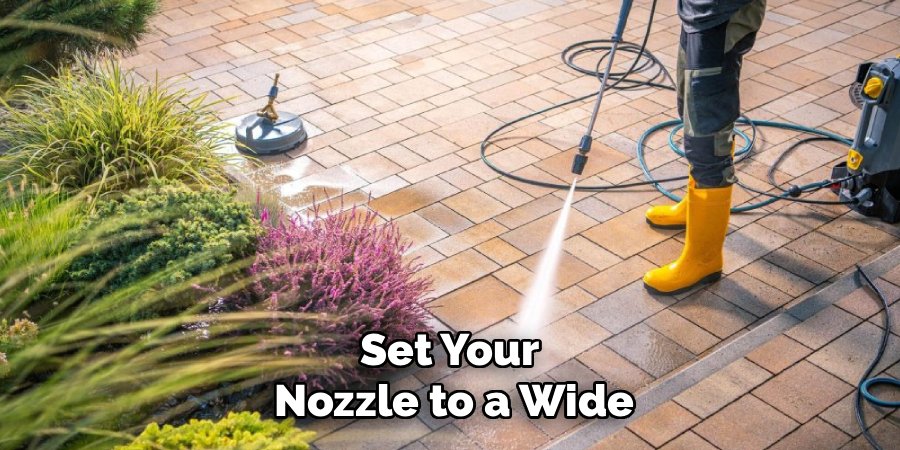
Set your nozzle to a wide, moderate spray and wet the whole surface. This loosens loose dirt and pre-wets the stone so it doesn’t drink up your cleaning solution too fast. Work from the highest point toward the drainage side so dirty water flows away instead of running back over clean stone.
Mix a Cleaning Solution to Match the Stone
Fill one bucket with warm water and a pH-neutral stone cleaner at the label’s dilution. For light, routine cleaning, a few drops of mild dish soap in warm water does the job. Keep the second bucket full of plain rinse water. Don’t eyeball the concentration too strong — leftover residue attracts dirt again within a week.
Scrub in Small Sections With a Nylon Brush
Pour or sponge the solution over about a square yard at a time. Let it sit two to three minutes to soften the grime, then work it in circles with your nylon brush. Give extra attention to textured areas and joints where dirt hides. You’ll feel the surface shift from slick-grimy to clean and grippy as you go.
Treat Algae, Moss, and Organic Stains
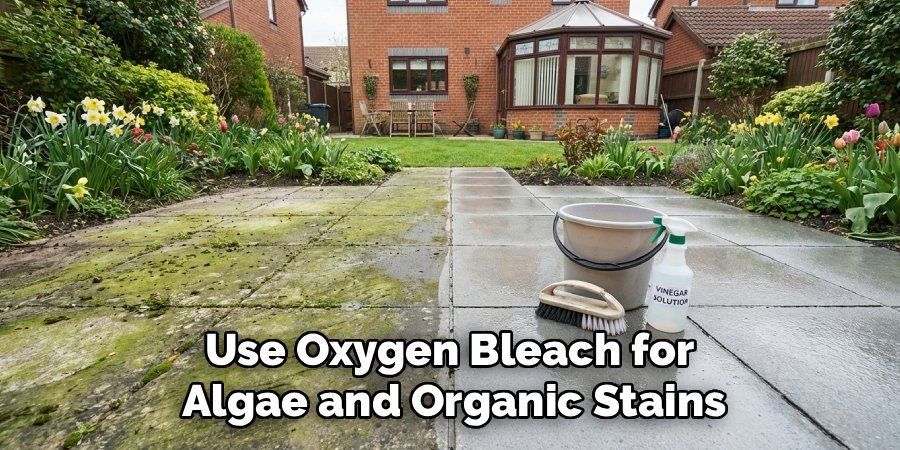
Shady, damp spots go green fast, especially through spring and after a wet fall. Mix oxygen bleach with warm water per the package directions, spread it on the affected area, and let it dwell 10 to 15 minutes before scrubbing. Oxygen bleach breaks down organics without the harshness of chlorine, which strips color and can weaken mortar. Catch these spots early — moss roots into the pores and gets stubborn if you let it settle for a season.
Rinse Thoroughly and Clear Standing Water
This is where a lot of surfaces end up streaky. Rinse each cleaned section with plain water before the solution dries. Any cleaner left to dry leaves a film that dulls the stone and grabs new dirt. Once rinsed, push the water off with a squeegee or pull it up with a wet/dry vacuum. Stone holds moisture, and standing pools invite the very algae you just removed.
Let It Dry and Inspect
Give it a full day to dry, longer if it’s humid or shaded. Walk it in daylight and look at a low angle for missed spots or haze. For stubborn stains, mix hydrogen peroxide with a little baking soda into a paste, cover the stain, tape plastic over it, and let it draw the stain out over 24 to 48 hours.
Safe vs. Damaging: What to Use and What to Avoid
| Safe to Use | Avoid |
| pH-neutral stone cleaner | Vinegar, lemon, or citrus on acid-sensitive stone |
| Mild dish soap and water | Chlorine bleach as a regular cleaner |
| Oxygen bleach for organics | Acidic tile, grout, or descaling cleaners |
| Hydrogen peroxide poultice | Muriatic acid on any stone |
| Stiff nylon brush | Wire brushes and steel wool |
| Moderate hose spray | Full-power pressure washers |
That last row trips people up. A pressure washer feels like the fast fix, but at full pressure it blasts mortar out of the joints and pits softer stone. If you must use one, keep it under 1,200 PSI, use a wide fan tip, and hold it at least a foot back.
Common Mistakes to Avoid
Using acid on the wrong stone. Vinegar and citrus feel natural, but they etch limestone, travertine, and marble on contact. This is the number-one damage I saw.
Blasting everything with a pressure washer. Too much pressure erodes mortar and roughens the finish, and once stone pits, dirt and algae settle in deeper.
Letting cleaner dry on the surface. Skipping the rinse leaves a residue film that dulls the look and pulls in more dirt. Rinse each section before it dries.
Ignoring the drainage direction. Scrubbing dirty water back over clean stone just redeposits grime. Always work high to low.
Leaving standing water behind. Stone soaks up moisture, and pooled water in shady spots breeds algae within days. Squeegee it off.
Waiting until stains set in. Leaf tannins, moss, and mineral spots lift easily when fresh. Let them cure through a season and you’re into poultices and repeat treatments.
Safety and Warnings
This is a fairly low-hazard job, but a few things protect both you and the stone.
- Never mix cleaning products. Chlorine bleach mixed with ammonia or acid releases toxic fumes. Stick to one product at a time — oxygen bleach and a pH-neutral cleaner handle nearly everything with no dangerous reactions.
- Test any new product in a hidden spot first. Try it in a corner or under a step, wait a few minutes, and check for dulling or color change before treating the whole surface.
- Wear gloves and eye protection. Even mild cleaners dry out your hands over a full patio, and scrubbing splashes upward. Rubber gloves and safety glasses are cheap insurance.
- Watch your footing. Wet stone gets slick, especially polished or sealed surfaces. Work in sections you can reach without walking across freshly wet areas.
- Ventilation is rarely an issue outdoors, but in a covered patio or enclosed courtyard, keep air moving while using oxygen bleach.
Maintenance and Prevention Tips
The surfaces that still looked good years later belonged to people who kept up small habits instead of waiting for a big annual scrub. A little upkeep saves you the hard cleanings entirely.
- Seal your stone. Most outdoor stone benefits from a breathable, penetrating sealer applied every one to two years. Sealer slows staining and makes routine cleaning far easier. Drip water on the surface — if it beads, the seal holds; if it soaks in and darkens the stone, it’s time to reseal.
- Sweep regularly. A quick weekly sweep keeps grit from grinding into the surface and clears organic debris before it stains.
- Rinse off pollen and leaves promptly. In spring, pollen builds fast and leaves a yellow film. A quick hose-down handles it before it sets.
- Hit algae at the first sign. A light oxygen-bleach treatment on a small green patch takes minutes. Ignore it and it spreads across the whole shaded side.
- Keep sprinklers off the stone. Hard-water spray leaves mineral deposits that build into stubborn white crust. Aim the heads at plants, not paving.
- Use furniture pads. Metal chair legs rust and stain, and dragging furniture scratches. Felt or rubber pads prevent both.
FAQ
What is the best cleaner for outdoor stone?
A pH-neutral stone cleaner is your safest, most effective choice for regular cleaning across nearly every stone type. For light jobs, warm water with a few drops of mild dish soap works well. Use oxygen bleach for algae and organic stains, and avoid acidic products unless you’re certain your stone can handle them.
Can you pressure wash outdoor stone?
You can, but carefully. Keep the pressure under 1,200 PSI, use a wide fan tip, and hold the wand at least a foot back. Full-power washing erodes the mortar between pieces and pits softer stone, so a gentle hose rinse is usually the smarter choice.
How do you remove algae and moss from stone?
Mix oxygen bleach with warm water, spread it over the green areas, and let it dwell 10 to 15 minutes. Scrub with a stiff nylon brush, rinse thoroughly, and squeegee off the water. Catch it early, because moss roots into the pores and gets much harder to remove once it settles in.
Does outdoor stone need to be sealed?
Most does. A breathable, penetrating sealer applied every one to two years slows staining and makes cleaning easier. Test it by dripping water on the surface — if it beads, the seal is working; if it soaks in and darkens the stone, reseal.
How do I know if my stone can handle vinegar or acid?
Drip a little diluted vinegar on a hidden corner and wait a minute. If it fizzes or dulls the spot, your stone is acid-sensitive (limestone, travertine, marble) and needs pH-neutral cleaners only. If nothing happens, it’s more acid-tolerant, though you still won’t want harsh acids near the mortar.
How often should you clean outdoor stone?
Sweep weekly and rinse as needed to clear pollen and debris. Plan a deeper scrub once or twice a year, and spot-treat algae or stains the moment you notice them. Staying ahead of buildup means you rarely need a heavy cleaning.
Figure out your stone type first, match your cleaner to it, and work in small sections so nothing dries before you rinse. Do that and your patio, path, or wall keeps its color and character season after season — no streaks, no crumbling joints, no expensive repairs.
