
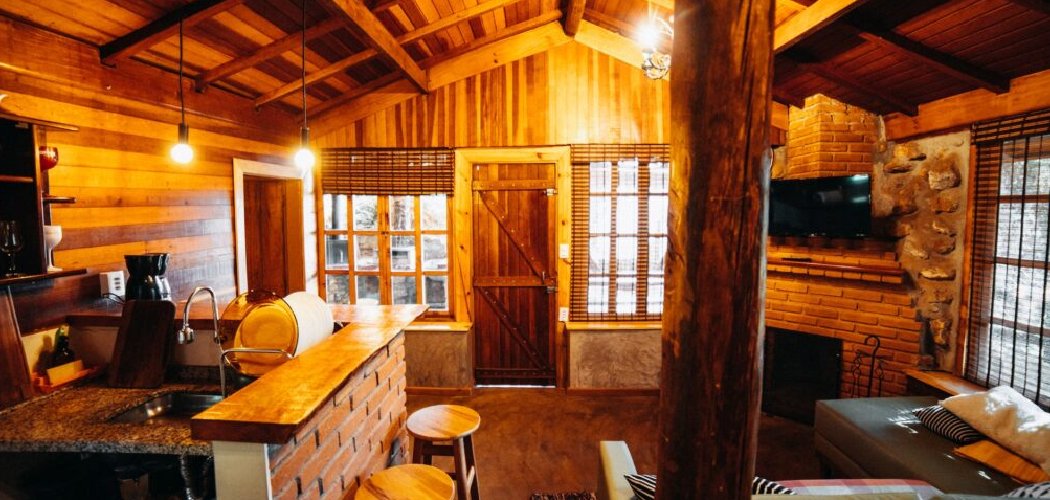
You grab a wet sponge and a bucket of soapy water, ready to scrub down the log wall behind your woodstove — and within minutes the water has soaked into the raw wood, raised the grain into a fuzzy texture, and left dark blotches that won’t dry out for days. Log walls drink water like a sponge, and once moisture sinks past the finish, you’re looking at swelling, staining, and sometimes mildew deep in the grain.
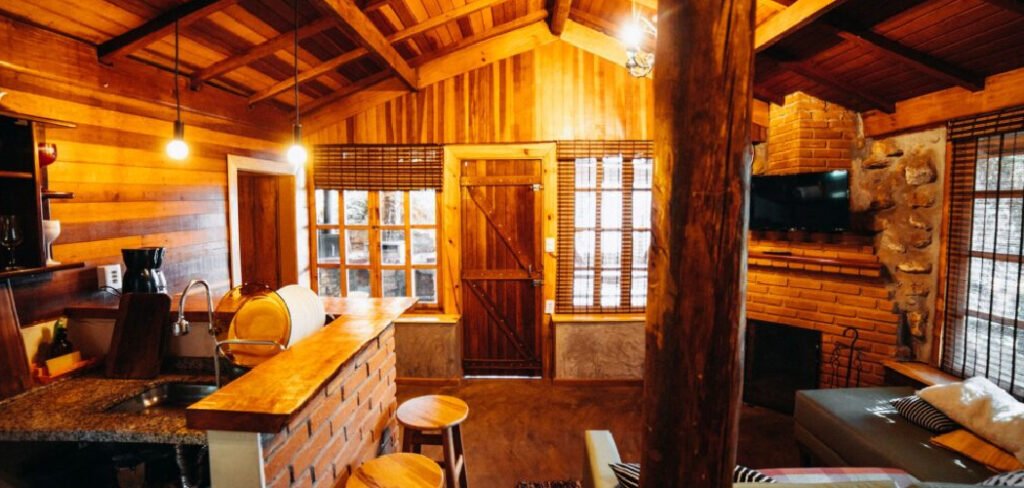
Learning how to clean log cabin interior walls starts with one rule: use as little moisture as possible and work from the top down. Get the dry dusting right first, keep your cloth damp instead of wet, and you’ll lift soot, cobwebs, and grime without ever raising the grain. The logs stay warm, sealed, and looking rich instead of blotchy.
What You’ll Need
- A soft-bristle brush or a broom wrapped in a microfiber cloth
- A vacuum with a soft brush attachment
- Several microfiber cloths
- A bucket of warm water
- Mild dish soap or a wood-safe cleaner
- White vinegar, for stubborn spots and mild mildew
- Trisodium phosphate substitute (TSP-free cleaner), for heavy soot near a fireplace
- Rubber gloves
- A step stool or ladder for high walls
- Dry towels
- A tack cloth or clean lint-free rag for finishing
Skip the string mops, dripping sponges, and any all-purpose spray loaded with ammonia or bleach. Those either flood the wood or strip the finish, and both leave you worse off than when you started.
Dry-Dust From the Top Down First
Before anything touches water, knock down the dry stuff. Log walls collect a shocking amount of dust in the grooves between logs — the chinking lines act like little shelves that catch everything floating in the air. Run your soft-bristle brush or a microfiber-wrapped broom along each log, moving from the ceiling toward the floor so falling dust lands on wood you haven’t cleaned yet.
Follow up with a vacuum and its soft brush attachment, working the seams and corners where cobwebs gather. Go slow around chinking and any checking (those natural cracks in the logs), since a hard bristle can catch and pull. Getting this dry layer off matters more than people expect, because any dust left behind turns to mud the second you introduce moisture.
Mix a Gentle Cleaning Solution
Add a few drops of mild dish soap to a bucket of warm water and stir until it’s barely sudsy. You want the mix light — heavy suds leave a film on sealed logs that dulls the sheen and grabs dust later. For most everyday grime, this is all you need.
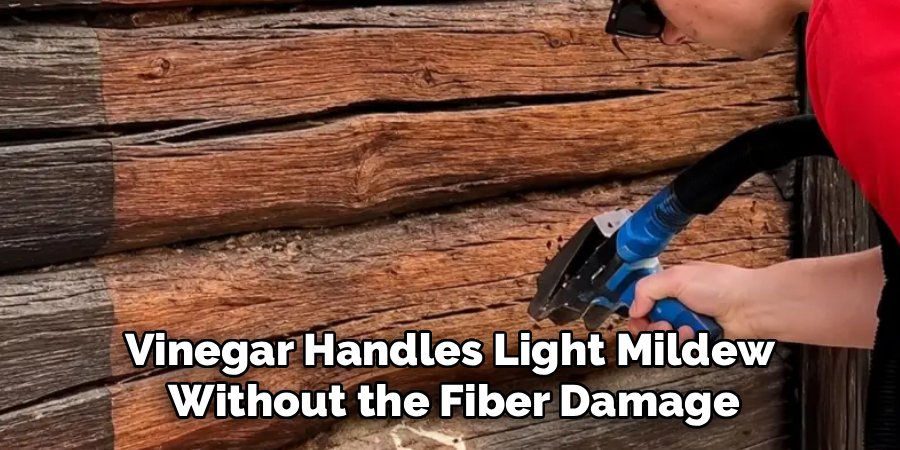
For mild mildew in a damp corner or a musty spot, mix one part white vinegar to three parts warm water instead. Vinegar handles light mildew without the fiber damage bleach causes. When I worked on lakeside cabins that sat closed up all winter, that vinegar mix was my go-to every spring — those places always came back to a faint musty smell in the north-facing corners where the sun never hit.
Wipe the Logs With a Damp — Not Wet — Cloth
Dip a microfiber cloth in your solution and wring it out hard, until it feels barely damp to the touch. Wipe each log following the grain, working in sections from the top down. The goal is to lift grime with the cloth, not to douse the wood — if you can see water sitting on the surface, your cloth is too wet.
Keep a second dry cloth in your other hand and follow right behind, drying each section as you go. This two-cloth method keeps moisture from lingering long enough to soak in. Rinse your cleaning cloth often and swap your water the moment it turns cloudy, since dirty water just smears grime back onto the logs.
Tackle Soot and Grime Near the Fireplace
The wall around a woodstove or fireplace is always the dirtiest, and it needs its own approach. Soot builds up as a greasy black film that ordinary soap can’t cut, so reach for a TSP-free heavy-duty cleaner mixed per the label. Log walls absorb soot right into the grain here — the constant heat opens the wood’s pores, and years of woodsmoke settle in deeper than you’d think.
Wipe gently along the grain and resist the urge to scrub hard in one spot, which can lift the finish unevenly and leave a pale patch. Work in overlapping strokes and rinse your cloth constantly, because soot smears fast. For heavy buildup, a second light pass beats one aggressive scrub every time.
Spot-Treat Mildew and Water Stains
For a mildew patch, dab your vinegar solution directly onto the spot and let it sit for a minute before wiping it away with a damp cloth. Blot, don’t grind — pressing hard just drives spores deeper into the checking. Dry the area thoroughly afterward so no moisture feeds a comeback.
Water stains and dark rings are trickier, since they often sit under the finish. A light vinegar wipe lifts surface marks, but a stain that’s soaked into bare wood usually needs sanding and refinishing, which is a separate job. Don’t keep scrubbing a set-in stain hoping it’ll budge — you’ll only wear through the finish around it.
Dry the Walls and Check the Finish
Go over every section you cleaned with a dry towel to pull out any lingering moisture, paying extra attention to the horizontal chinking lines where water likes to pool. Open a window or run a fan to move air across the walls and speed drying. Log walls should feel dry to the touch within an hour if you kept your cloth properly wrung out.
Once dry, run a clean lint-free rag over the surface to catch any streaks or leftover film. This is also the moment to eyeball the finish — if the wood looks thirsty, dull, or lighter in high-traffic spots, that’s your cue the sealant is wearing thin and a refresh is coming.
Safe vs. Unsafe Products and Methods for Log Walls
Log walls are far less forgiving than drywall or tile. The wrong product doesn’t just fail — it strips the finish, raises the grain, or drives moisture into the wood. Here’s what protects your logs versus what damages them.
| Safe for Log Cabin Walls | Avoid — Damages the Wood |
| Mild dish soap and warm water | Bleach or bleach-based cleaners |
| Diluted white vinegar for mildew | Ammonia-based sprays |
| TSP-free cleaner for soot | Original TSP on finished logs |
| Damp, well-wrung microfiber cloth | Dripping sponges or wet mops |
| Soft-bristle brush and vacuum | Stiff wire or abrasive brushes |
| Wiping with the grain | Hard circular scrubbing |
| Air-drying with a fan | Pressure washers indoors |
| Two-cloth wipe-and-dry method | Leaving walls to air-dry wet |
Pressure washers earn a special warning even though some folks reach for them. Indoors they force water deep into the logs and behind the chinking, where it can sit and rot for months out of sight. Save the pressure washer for exterior log maintenance, never interior walls.
Common Mistakes to Avoid
- Soaking the wood. Too much water raises the grain and leaves dark blotches that take days to dry. Damp cloth, always.
- Cleaning bottom to top. Falling dust and dirty runoff land on clean wood. Work top-down, every time.
- Skipping the dry dusting. Wetting dusty logs makes mud that smears into the grain. Dry-clean first.
- Using bleach on mildew. Bleach weakens wood fibers and can lighten the finish unevenly. Diluted vinegar does the job safely.
- Scrubbing soot hard in one spot. Aggressive scrubbing strips finish and leaves pale patches. Use light, overlapping passes.
- Ignoring the chinking lines. Water pools in those horizontal seams and lingers. Dry them deliberately.
- Chasing a set-in stain. A stain soaked into bare wood needs refinishing, not more scrubbing. Know when to stop.
Safety and Warnings
Cleaning log walls is moderate-risk — the biggest dangers come from heavy-duty cleaners and working up on a ladder — so a few precautions matter.
- Test in a hidden spot first. Try any cleaner on a low corner or behind furniture before doing a full wall, since finishes react differently and some cleaners dull the sheen.
- Never mix cleaning products. Don’t combine bleach with ammonia or vinegar — the fumes are toxic. Use one solution at a time and rinse your cloth between them.
- Ventilate the room. Open windows and run a fan when using vinegar or a TSP-free heavy-duty cleaner, especially in a closed-up cabin with poor airflow.
- Wear gloves. Heavy-duty soot cleaners can irritate and dry out skin. Rubber gloves keep your hands protected through a long job.
- Steady your ladder. Log walls run tall in cabins with vaulted ceilings. Set your ladder on level flooring and have someone spot you for the high sections.
- Keep moisture away from outlets. Wall switches and outlets sit right in the logs in many cabins. Wipe around them with a nearly dry cloth, never a wet one.
Maintenance and Prevention Tips
A light routine keeps log walls clean and cuts down how often you need a full wipe-down:
- Dust monthly. A quick pass with a microfiber-wrapped broom or vacuum brush stops dust from settling into the grain and chinking.
- Burn dry, seasoned wood. Green or damp firewood throws far more soot onto nearby walls. Well-seasoned wood keeps that fireplace wall cleaner for longer.
- Control indoor humidity. A dehumidifier in damp seasons keeps mildew from taking hold in cool corners. Aim for 30–50% humidity indoors.
- Wipe spills and splatters fast. Kitchen grease and drink splashes lift easily when fresh but stain if they sit. A quick damp wipe handles them.
- Refresh the finish on schedule. A well-sealed log resists dirt and moisture. Watch high-traffic and fireplace walls for dullness and reseal before the wood goes bare.
- Air out closed-up cabins. If your cabin sits empty seasonally, open it up and run fans on your first visit to clear the musty air before it settles into the logs.
Frequently Asked Questions
What is the best thing to clean log cabin walls with?
For everyday grime, a few drops of mild dish soap in warm water on a well-wrung microfiber cloth does the job. Use diluted white vinegar for mild mildew and a TSP-free heavy-duty cleaner for greasy soot near a fireplace. The key is keeping the cloth barely damp so you never soak the wood.

Can you use vinegar to clean log walls?
Yes, diluted. Mix about one part white vinegar to three parts warm water and use it for light mildew or musty spots. It cleans without weakening the wood fibers the way bleach does, and the smell fades as the wall dries. Always wipe the area dry afterward.
How do you get soot off interior log walls?
Reach for a TSP-free heavy-duty cleaner mixed to the label directions, since soot is a greasy film that plain soap won’t cut. Wipe gently along the grain in overlapping passes, rinsing your cloth constantly so you don’t smear it. For heavy buildup, do a second light pass rather than scrubbing hard in one spot.
Can you clean log walls with water?
Sparingly. Use a cloth wrung out until it’s barely damp, never a wet sponge or mop — log walls absorb water fast, which raises the grain and leaves dark blotches. Follow behind with a dry cloth to lift any lingering moisture right away.
How do you get rid of the musty smell in a log cabin?
Air the place out with open windows and fans, then wipe the walls (especially cool, north-facing corners) with a diluted vinegar solution. Run a dehumidifier to pull humidity down to 30–50%, which stops mildew from feeding the smell. Cabins that sit closed seasonally almost always need this treatment come spring.
How often should you clean log cabin interior walls?
Dust them monthly and do a fuller damp wipe once or twice a year, more often for the wall around a woodstove or fireplace. Cabins with heavy wood-burning use or seasonal closures need attention more often to stay ahead of soot and mildew.
Keep your cloth damp instead of wet, work top to bottom, and dry each section as you go — that’s the whole trick to log walls that look rich instead of blotchy. Stay on top of the dusting and the fireplace soot, and a full clean becomes a quick job instead of a weekend project.
