
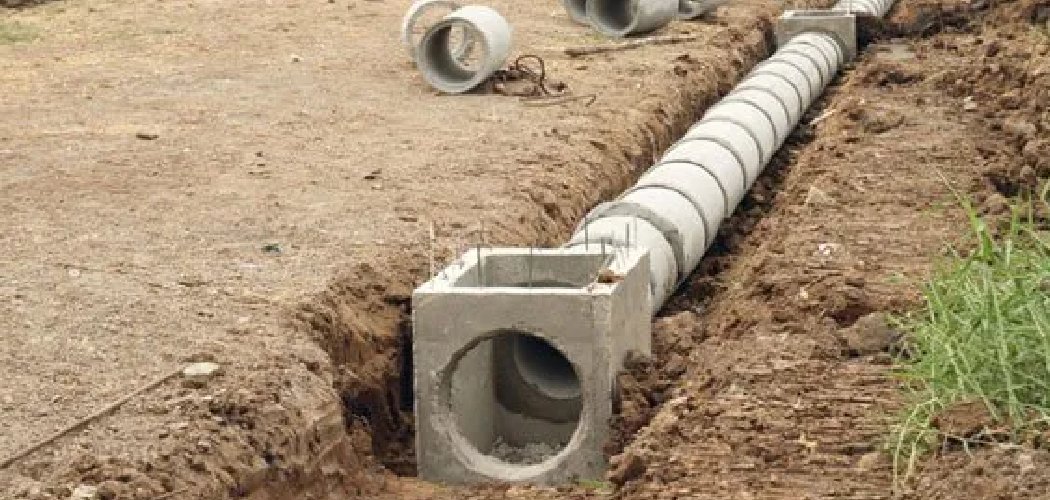
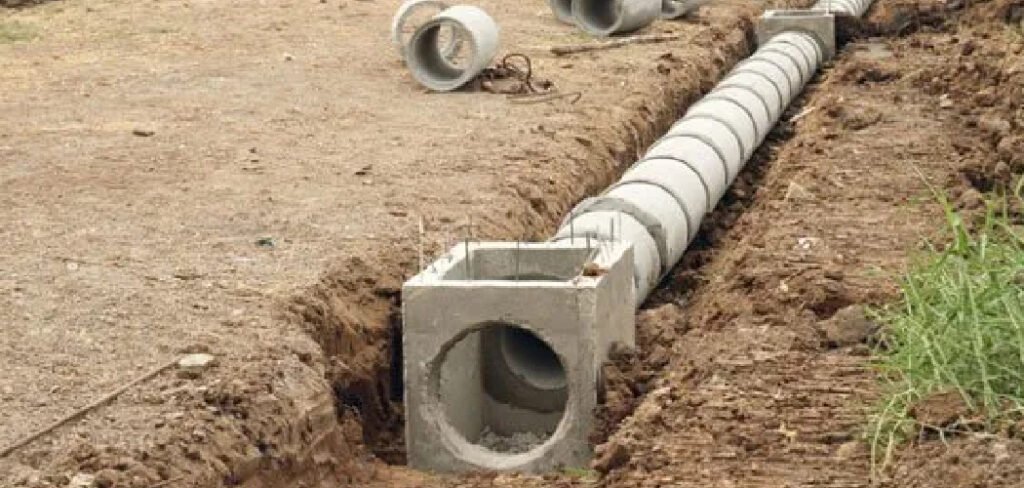
A guy called me once because his backyard had turned into a swamp near the septic tank, with grass so green over one strip it looked painted on. He’d been running a garden hose down his cleanout for weeks, convinced he could “flush” the field back to health. What he actually needed was to relieve the biomat choking his lines, and the hose was doing nothing but adding water the soil couldn’t take.
That’s the mistake that costs people a $15,000 replacement. Learning how to clean leach field lines starts with understanding you’re not scrubbing a pipe like a drain, you’re clearing the sludge and biomat that seal the lines and stop wastewater from soaking into the ground. Get that right and you can add years to a field that looked done for.
What You’ll Need
Line everything up before you start, because half this job is prep and the other half is patience.
- Septic tank pump-out (professional service or a scheduled truck)
- A sewer jetter or high-pressure line-jetting attachment
- A drain snake or auger with a root-cutting head
- Rubber gloves and a chemical-resistant apron
- Safety goggles
- An N95 or half-mask respirator
- Bacterial/enzyme septic additive
- A garden hose with clean water
- A shovel and a probe rod for locating lines
- Marker flags to map the field
- A bucket and old rags
- Optional: a sewer inspection camera
Start With a Full Septic Tank Pump-Out
You can’t clean the lines while the tank is packed with sludge, because every gallon of wastewater that leaves the tank carries solids straight into your field. Have the tank pumped first, always.
Call a pumping service and have them empty both the sludge layer on the bottom and the scum layer floating on top. While they’re there, ask them to check the baffles and the outlet filter. A clogged outlet filter alone can mimic a failing field, and it’s a ten-dollar fix instead of a ten-thousand-dollar one.
Locate and Access the Distribution Lines
Once the tank is empty, find your distribution box, the concrete or plastic junction that splits flow into each leach line. It usually sits a few feet past the tank.
Dig down carefully with a shovel until you expose the lid, then lift it. Inside you’ll see several outlet pipes, one for each line running out into the field. Shine a light in and look for standing water, roots, or sludge coating the pipes, which tells you which lines are struggling.
Jet the Lines to Break Up Biomat and Sludge
This is the part people mean when they talk about cleaning the field. Feed the sewer jetter hose into each distribution outlet and let the water pressure scour the inside of the perforated pipe.
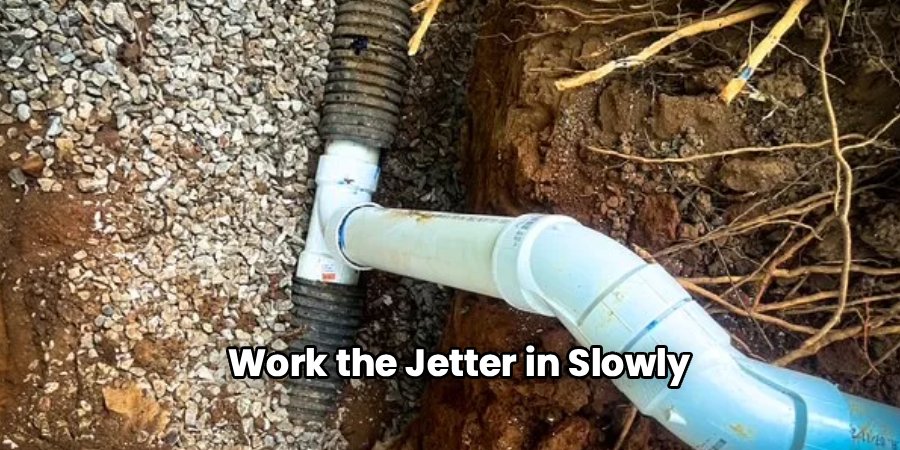
Work the jetter in slowly, then draw it back to pull loosened debris toward the box where you can bail it out. The high-pressure water breaks up the biomat, that black slimy layer of bacteria that builds on the pipe walls and the surrounding gravel. Move line by line, and don’t rush a single pass, because the second and third passes are where the real buildup comes loose.
Cut Through Root Intrusion
If your jetter stalls against something solid, you’ve likely hit roots. Willows, maples, and any thirsty tree planted too close will send roots straight into the moist, nutrient-rich lines.
Swap to a snake with a root-cutting head and work it through until the resistance gives way. Then jet the line again to flush the cut roots back out. I’ve pulled root balls the size of a football out of a single four-inch line, so don’t be shocked at what comes back.
Dose the System With Bacteria to Restore Balance
After the mechanical cleaning, your field’s natural bacteria population is knocked flat. A healthy biomat is normal and needed, an overgrown one is the problem, and you want to rebuild the good balance.
Add a quality enzyme or live-bacteria septic treatment through a toilet or the cleanout. These bugs digest the organic solids that mechanical cleaning can’t reach and help the soil recover its ability to accept water. Give it a few weeks before you judge results.
Confirm the Field Is Draining Again
Close up the distribution box and backfill any spots you dug out. Run water through the house for a day, then check the field.
Walk the ground over the lines. Soggy patches should start firming up, the sewage smell should fade, and drains inside should run quiet and fast. If water still pools over the lines after a week, one or more lines may be too far gone for cleaning and you’re into repair territory.
Cleaning Methods: What Works vs What Wastes Your Money
| Method | Best For | Effort | Watch Out For |
| Tank pump-out | Every job, always first | Low (hire out) | Skipping it dooms everything after |
| Sewer jetting | Biomat and sludge in lines | Medium | Needs proper pressure; too much cracks old pipe |
| Root-cutting snake | Root intrusion | Medium | Cut roots must be flushed out after |
| Bacterial/enzyme dosing | Restoring biological balance | Low | Slow acting; not a standalone fix |
| Chemical “septic openers” | Nothing — skip them | — | Harsh acids kill good bacteria and corrode pipe |
| Hosing down the cleanout | Nothing — skip it | — | Just adds water a failing field can’t absorb |
Common Mistakes to Avoid
These are the errors I watched turn a fixable field into a full replacement.
- Skipping the pump-out. Cleaning lines while the tank is full just pushes fresh sludge right back into them. Empty the tank first, every time.
- Pouring chemical drain openers down the system. Acids and caustics wipe out the bacteria your septic system runs on. You’ll trade a slow field for a dead one.
- Adding more water to “flush” it. A saturated field can’t take more liquid. Extra water floods the soil and makes the swamp worse, not better.
- Ignoring the trees. Clearing roots without removing or root-barriering the tree means they’ll grow right back within a season or two.
- Jetting at too high a pressure. Old clay or thin-wall pipe cracks under aggressive jetting. Match the pressure to the pipe, and ease into it.
- Calling it fixed too soon. The field needs days to weeks to show whether it’s truly draining. Judge it after that window, not the same afternoon.
Safety and Warnings
You’re working with raw sewage and high-pressure equipment, so treat this job seriously.
- Wear real PPE. Gloves, goggles, an apron, and a respirator are non-negotiable. Septic waste carries bacteria, viruses, and parasites you do not want on your skin or in your lungs.
- Beware sewer gas. Open distribution boxes and tanks release hydrogen sulfide and methane. Work in open air, never lean into an open tank, and never enter one, they can knock you unconscious in seconds.
- Never mix chemicals into the system. If someone already poured a chemical opener in, do not add anything else. Combining products in an enclosed line can release toxic fumes.
- Respect jetter pressure. A sewer jetter can inject water and bacteria through skin under pressure. Keep the nozzle pointed away from you and never test it against your hand.
- Watch for cave-ins. A hand-dug hole around a tank or box can collapse. Don’t dig deeper or wider than you need, and don’t stand in a deep excavation.
- Know your limits. If the tank needs entering, the lines are collapsed, or the field stays flooded, call a licensed septic pro. Some of this work is legally restricted for good reason.
If you’re not confident locating lines or handling a jetter, hiring out the mechanical part is money well spent. There’s no shame in leaving raw sewage to someone with the right rig.
How to Keep Your Leach Field Lines Clear Longer
A cleaned field will clog right back up if the habits that broke it don’t change.
- Pump the tank on schedule. Every three to five years for most households, sooner for big families. This single habit prevents most field failures.
- Watch what goes down the drain. Grease, wipes, coffee grounds, and harsh chemicals all shorten a field’s life. If it won’t break down, keep it out.
- Spread out your water use. Running every load of laundry on one day floods the field. Space it across the week so the soil can recover between loads.
- Keep trees and deep roots away. Plant thirsty species well clear of the field, or install a root barrier. This is the fix people skip and regret.
- Protect the drainfield surface. No parking, no driving, no sheds over the lines. Compacted soil can’t absorb water, and the weight crushes pipe.
- Redirect surface runoff. Clients used to ask me why their field flooded every spring. Nine times out of ten it was a downspout or a slope dumping rainwater straight onto the field, drowning it before the house ever added a drop.
Frequently Asked Questions
How do I know if my leach field lines are clogged?
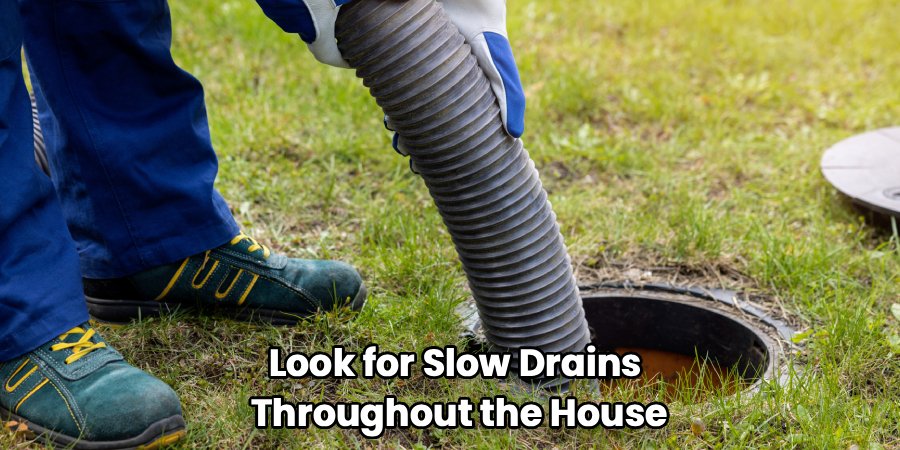
Look for slow drains throughout the house, sewage smells outdoors, and soggy or unusually green grass over the field. Gurgling toilets and backups after heavy water use are also classic signs. When several of these show up together, the field, not a single drain, is the problem.
Can you clean leach field lines yourself?
You can handle parts of it, like locating the distribution box, jetting accessible lines, and dosing the system with bacteria. The pump-out should go to a professional service, and anything involving collapsed pipe or entering a tank needs a licensed pro. Know where your skills and equipment stop.
Will chemicals or additives unclog a leach field?
Enzyme and live-bacteria additives help maintain a healthy system and support recovery, but they won’t clear a badly clogged line on their own. Harsh chemical “openers” do more harm than good, killing the bacteria your system depends on. Mechanical cleaning does the actual unclogging.
How often should you clean leach field lines?
Most systems never need line jetting if you pump the tank on schedule and treat the field well. If you’re seeing early clogging signs, cleaning every few years can help, but frequent cleaning usually means an underlying problem like root intrusion or overuse that needs fixing first.
Why does my leach field smell even after cleaning?
A lingering smell often means the field is still saturated or the biomat hasn’t rebalanced yet. Give it a few weeks after cleaning and bacterial dosing. If the odor sticks around past that, a line may be broken or the field may be failing beyond what cleaning can fix.
Can a flooded leach field be saved?
Sometimes. If flooding comes from a clog, roots, or a full tank, cleaning and better habits can bring it back. If the soil itself is worn out or the lines have collapsed, no amount of cleaning will help and you’re looking at repair or replacement.
Final Thoughts
Cleaning a leach field is about relieving the biomat and sludge that seal it, not blasting water at a pipe. Pump the tank first, jet and snake the lines, rebuild the bacteria, then change the habits that clogged it in the first place. Do that and you can pull a struggling field back from the edge instead of paying to dig up the whole yard.
