
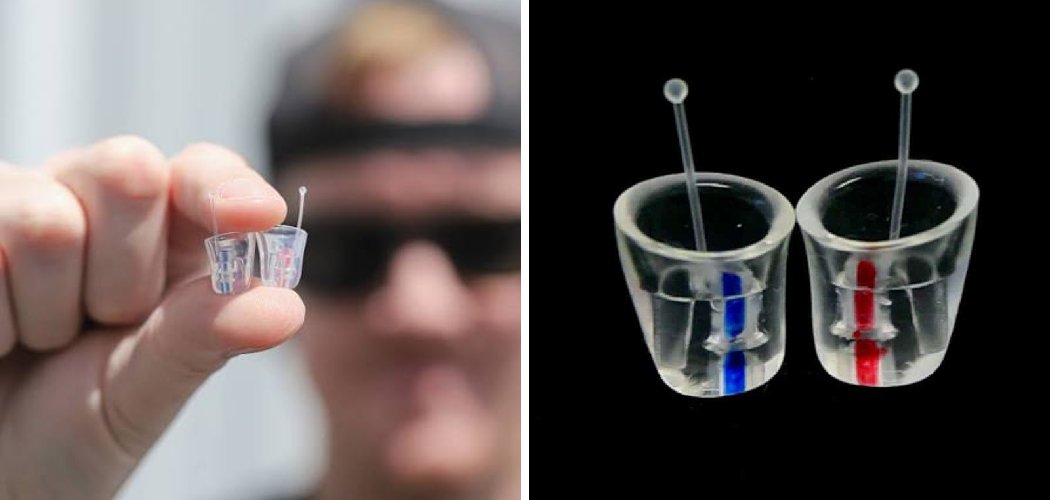
Someone pops their Earasers out after a loud concert, sees the wax coating the filter side, and drops both plugs straight into a mug of hot soapy water to “soak overnight.” By morning the silicone flanges feel tacky, the little acoustic filter has taken on a soggy dullness, and the fit never seals quite right again. Hot water and a long soak don’t clean these plugs — they wreck the exact parts that make them work.
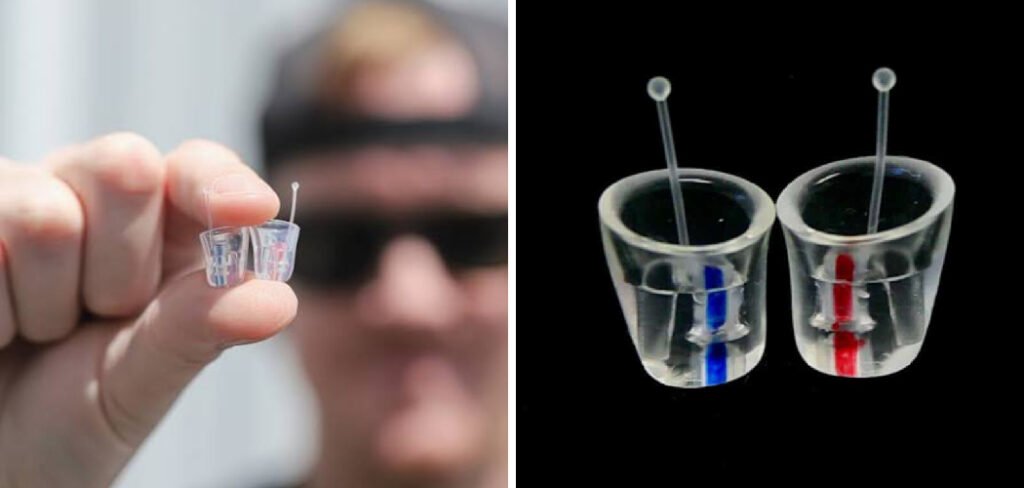
Earasers are soft silicone earplugs with a tuned filter, and that filter is the whole reason you paid more than a dollar for foam. Knowing how to clean Earasers the right way means protecting that filter while you lift wax and oil off the silicone. Do it in the sink with a light touch and they’ll last the year or two they’re built for.
What You’ll Need
- Lukewarm water (never hot)
- A drop of mild liquid hand soap or gentle dish soap — no antibacterial or heavy degreasers
- A soft microfiber cloth
- A dry, soft-bristle brush (a clean soft toothbrush works)
- A dry cotton swab
- A small towel or lint-free cloth to air-dry on
- Optional: your Earasers case or a small dish to work over so nothing rolls into the drain
Everything here is either dry or barely damp for a reason. The silicone can handle a quick, gentle wash, but the filter and the plug’s shape do not want a soak, and they definitely don’t want heat.
Inspect the Plugs Before Any Water Touches Them
Look at what you’re dealing with first — it changes how much cleaning you actually need.
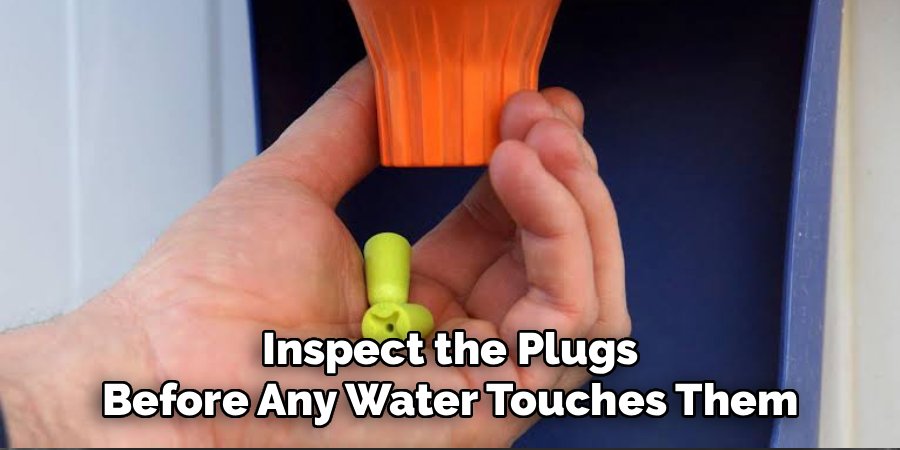
Hold each plug under good light and check both ends. The flange side (the part that sits in your ear) usually shows the most buildup: earwax, skin oil, and sometimes a bit of hairspray or sweat residue. The filter side has a tiny channel you can see if you tilt it toward the light. That channel is delicate, so you’re never digging into it — just noting whether it looks clear. If you only see light dust or a smudge, a dry wipe may be all you need before you reach for water at all.
Dry-Brush the Loose Wax First
Get the crumbly stuff off before it turns to paste under water.
Take your dry soft-bristle brush and sweep it gently across the flanges, brushing away from the plug rather than mashing debris deeper into the grooves between the flange rings. Dried wax flakes lift off surprisingly easily when they’re dry — add water first and that same wax smears into a sticky film that’s twice the work. Give the filter side a light, glancing brush too, but keep the bristles moving across it, never poking into the channel.
Wash the Silicone With Lukewarm, Soapy Water
Now the silicone gets its quick bath — quick being the key word.
Run lukewarm water and add one small drop of mild soap to your fingertips or a dish. Rub each plug gently between your thumb and finger, focusing on the flanges where the oil and wax collect. Fifteen to twenty seconds per plug is plenty. Keep the filter side angled down and away from the direct stream so water isn’t forced through the acoustic channel — you want to clean around the filter, not flush it. Rinse under a light flow of lukewarm water until the soap is gone.
Here’s something clients used to ask me about all the time with silicone: it grabs oils and holds them, which is why a heavy degreaser feels tempting. Resist it. Strong soaps and alcohol strip the silicone’s slight give over time, and once the flanges go stiff, that soft seal you rely on is finished. A single drop of mild soap does the job without touching the material’s flex.
Handle the Filter Side With Extra Care
The filter is the part you can’t replace, so treat it gently.
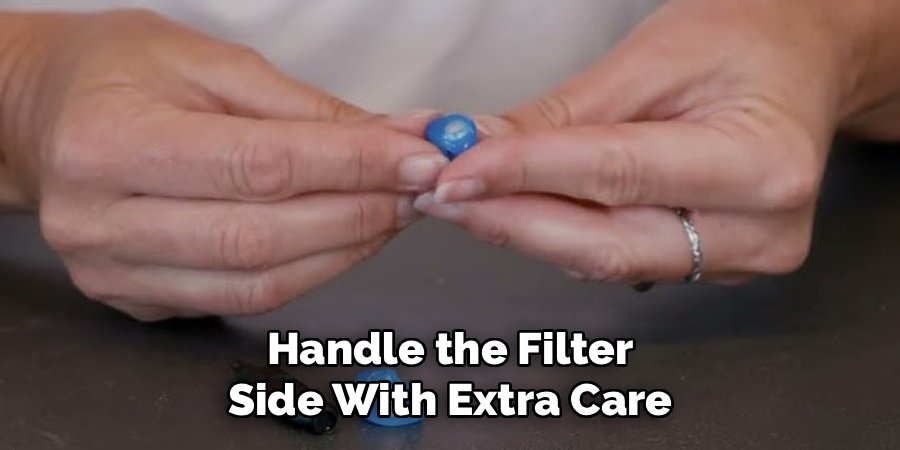
Never submerge the filter end or try to clean inside the channel with a swab, pin, or toothpick. If you see wax right at the filter opening, dab it — don’t dig — with the corner of a barely damp cotton swab, then let it be. Forcing anything into that channel changes how sound passes through and can push debris deeper where you’ll never get it out.
Dry Them Fully Before They Go Back in the Case
This is the step people rush, and it’s the one that keeps your plugs healthy.
Pat both plugs with a soft microfiber cloth, pressing gently over the flanges to pull out the water sitting in the grooves. Then set them on a dry towel, filter side down, and let them air-dry completely — give them a few hours or overnight if you can. Sealing damp Earasers in a closed case traps moisture against the silicone and the filter, and that’s how you end up with a musty smell and, eventually, a filter that sounds off. Fully dry plugs go back in clean and stay that way.
Safe Methods vs. What to Avoid
| Safe to Use | Avoid |
| Lukewarm water | Hot water (warps and degrades silicone) |
| One drop of mild hand or dish soap | Alcohol, hydrogen peroxide, or bleach |
| Soft dry brush on the flanges | Antibacterial or heavy-degreaser soaps |
| Barely damp cotton swab (dabbing only) | Pins, toothpicks, or swabs in the filter channel |
| Quick 15–20 second wash | Overnight soaking |
| Air-drying fully before storage | Sealing damp plugs in the case |
| Soft microfiber cloth to pat dry | Paper towels that shed lint into the flanges |
Common Mistakes to Avoid
Soaking them overnight. A long soak works water into the filter and softens the silicone’s structure. These plugs are built for a quick wash, not a bath.
Using hot water. Heat is the fastest way to warp soft silicone. Once a flange loses its shape, the seal goes with it, and no cleaning brings that back.
Reaching for alcohol or peroxide. People assume “disinfect” means alcohol, but it dries out and stiffens the silicone with repeated use. Mild soap and water clean them well enough for daily ear use.
Digging into the filter channel. A swab, pin, or toothpick shoved into the filter permanently changes how it works. Clean around it, never inside it.
Storing them wet. Trapped moisture breeds odor and dulls the filter. Always dry fully first — this single habit doubles their lifespan.
Scrubbing with paper towels. They feel handy but shed fibers that lodge in the flange grooves. Stick to a microfiber cloth.
Safety and Warnings
The main risk here is to the plugs and to your ears, not from harsh chemicals — because you shouldn’t be using harsh chemicals on anything that goes in your ear canal.
- Keep cleaners mild. Anything you’d hesitate to put near your skin doesn’t belong on an earplug. Skip alcohol, bleach, peroxide, and antibacterial soaps — residue from these can irritate the sensitive skin inside your ear canal.
- Never mix cleaning products. There’s no reason to reach past a single drop of mild soap. Mixing cleaners is pointless here and risks leaving irritating residue on something you insert into your ear.
- Make sure they’re bone-dry before wearing. Putting damp plugs back in traps moisture in the ear canal, and that warm, wet setting invites irritation and infection. Dry plugs, dry ears.
- Stop using them if the silicone tears or stiffens. A cracked or hardened flange won’t seal and can leave bits behind in your ear. Replace them rather than trying to clean a damaged plug back to life.
- Don’t share plugs, even clean ones. Earwax and skin flora are personal. Cleaning removes the visible stuff, not everything.
Keep Your Earasers Cleaner Longer
A few small habits mean you’ll rarely need more than a quick dry wipe.
- Wipe them down after each wear. A quick pass with a dry microfiber cloth clears fresh wax and oil before it hardens into the grooves.
- Do the full wash weekly, or more if you wear them daily. Regular light cleaning beats occasional deep scrubbing every time — buildup never gets a chance to bake in.
- Always store them dry and in their case. The case keeps out pocket lint and dust, but only load it once the plugs are fully dry.
- Keep your ears clean too. The less wax in your ears, the less lands on the plugs. Cleaner ears mean cleaner Earasers with almost no effort.
- Handle them with clean, dry hands. Lotion and hand oils transfer straight onto the silicone and attract grime.
- Mind the sweaty seasons. In hot, humid weather or during heavy workouts, plugs pick up far more sweat and oil, so bump up to a rinse every couple of days to stay ahead of the buildup.
Frequently Asked Questions
How often should I clean my Earasers?
Wipe them with a dry cloth after each use, and do a full lukewarm-water wash about once a week. If you wear them daily or sweat heavily, clean them every two or three days. Regular light cleaning keeps wax from hardening into the flange grooves, which is where most of the grime hides.
Can I use alcohol to clean my Earasers?
Skip it. Alcohol dries out and stiffens the soft silicone with repeated use, and once the flanges lose their flex, the seal stops working. A single drop of mild soap and lukewarm water cleans them well enough for everyday ear use without damaging the material.
Can Earasers get wet or be washed in water?
Yes, a quick wash in lukewarm water is exactly how you clean them — just keep it brief and keep the filter side angled away from the direct stream. What ruins them is a long soak or hot water, not a short, gentle rinse. Always dry them fully before storing.
How do I clean the filter part of my Earasers?
You mostly leave the filter alone. Never push a swab, pin, or toothpick into the channel, since that permanently changes how sound passes through. If wax sits right at the opening, dab it gently with the corner of a barely damp cotton swab and let it air-dry — nothing more.
Why do my Earasers smell bad?
That musty smell almost always comes from storing them while they’re still damp. Trapped moisture against the silicone and filter breeds odor fast. Wash them, let them air-dry completely for a few hours before they go back in the case, and the smell clears up.
How long do Earasers last with proper cleaning?
With gentle weekly cleaning and full drying, a pair typically lasts a year or two. What shortens that is heat, harsh cleaners, and storing them wet — all of which break down the silicone or the filter early. Treat them gently and they’ll go the distance.
Closing
Keep the water lukewarm, the soap to a single drop, and the filter channel strictly off-limits, and your Earasers stay soft, sealing, and odor-free. Dry them fully before they go back in the case and you’ll dodge the tacky flanges and musty smell that send most people shopping for a replacement pair too soon.
