


A woman once handed me a set of bamboo Roman shades that had grown fuzzy green patches along the bottom slats. She’d been spraying them down with an all-purpose cleaner every week, convinced she was keeping them fresh. What she was actually doing was soaking natural fiber that never got a chance to dry, and the mildew took hold fast. That’s the number one way people wreck bamboo blinds — treating them like plastic mini blinds you can drench and forget.
Knowing how to clean bamboo blinds means respecting what they are: dried plant fiber that swells, stains, and rots when it stays wet. Get the moisture level right and you’ll clear the dust without warping a single slat. The whole trick is doing most of the work dry.
What You’ll Need
Gather everything before you start so you’re not hunting for a cloth halfway through with damp hands.
- A vacuum with a soft brush or upholstery attachment
- A microfiber duster or clean lambswool duster
- Two microfiber cloths — one for damp work, one for drying
- Mild dish soap
- A small bowl of lukewarm water
- A soft-bristled brush or old toothbrush for grime
- Cotton swabs for tight corners and cord holes
- A hairdryer with a cool setting, or a box fan
- A step stool if the blinds are mounted high
- A dry towel to lay under the blinds if you take them down
You’ll notice there’s no spray bottle and no bucket for dunking. Standing water is the enemy here, and you’ll see why further down.
Dust the Slats Dry Before You Touch Water
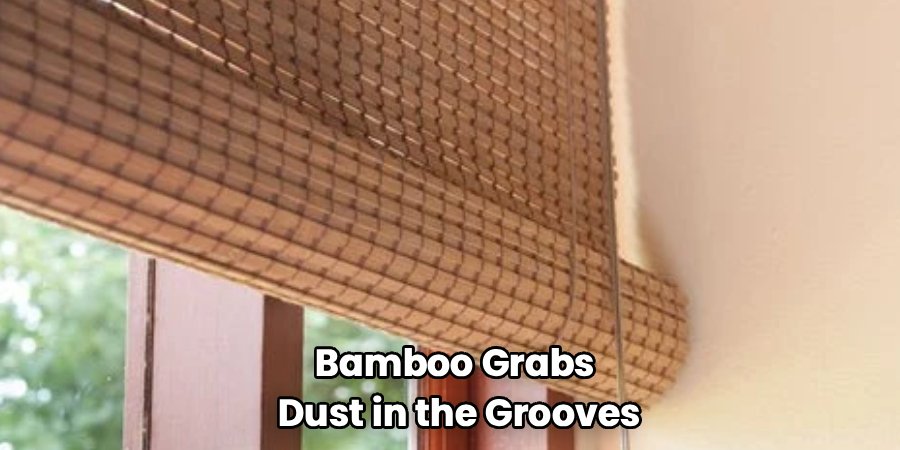
Bamboo grabs dust in the grooves between slats, and that dust turns to a gray paste the second it meets moisture. So every clean starts bone dry.
Close the blinds fully so the slats sit flat and overlap. Run your vacuum’s soft brush attachment down the length of the blinds, top to bottom, letting the suction lift the dust rather than pressing the nozzle into the fiber. Then tilt the slats the other direction and repeat, because dust settles on both faces. Follow up with a microfiber or lambswool duster to catch what the vacuum skipped in the tight seams.
Take your time here. Thorough dry-dusting handles the bulk of the job and means you’ll barely need any water at all.
Spot-Clean Grime With a Barely-Damp Cloth
Once the loose dust is gone, deal with any sticky film, fingerprints, or grime — the stuff that builds up near cord pulls and along kitchen windows where cooking vapor drifts over.
- Add a single drop of mild dish soap to your bowl of lukewarm water and swirl it into faintly soapy water, not suds.
- Dip a microfiber cloth, then wring it out hard until it’s barely moist and won’t drip.
- Wipe each slat gently, moving along the grain of the bamboo rather than across it.
- For a stubborn spot, dip a soft toothbrush in the same water, wring the bristles on a towel, and work the area with light strokes.
- Use cotton swabs around the cord holes and where the slats meet the header rail.
- Follow immediately behind with your dry cloth to lift any leftover moisture.
Work one small section at a time so no part of the blind stays wet for more than a few seconds. You’re touching the grime, not saturating the fiber.
Dry the Blinds Fully Before Raising Them
This step matters as much as the cleaning. Damp bamboo left rolled up or closed tight breeds mildew inside the slats, and you won’t spot it until it smells or spreads.
Leave the blinds down and open in a well-ventilated room. Aim a box fan at them for an hour, or move a hairdryer on the cool setting steadily across the surface until everything feels dry to the touch. Skip the hot setting — high heat scorches and embrittles natural fiber, which is one of the fastest ways to crack a slat. Only raise or close the blinds once every groove is completely dry.
Deep-Clean Heavily Soiled Blinds Outdoors
If your blinds are years past their last wipe-down or coated in kitchen grease, take them down and work outside where dust can scatter freely.
Lay them flat on a clean, dry towel or a tarp. Vacuum both sides thoroughly, then spot-clean the worst areas with your barely-damp cloth and soapy water. Never hose them down or lean them in the shower — that’s the soaking mistake that warps and rots them. Once wiped, prop them upright against a wall in the shade (not direct sun, which bleaches bamboo unevenly) and let a breeze finish the drying before you rehang.
Bamboo Blinds: What to Do vs. What to Avoid
Clients used to ask me for the “one spray” that would make their blinds look new. The honest answer is that the winning method barely uses any liquid at all. Here’s how the common choices stack up.
| Method / Product | Safe on bamboo? | Verdict |
| Dry vacuuming with soft brush | Yes | Best first step, every time |
| Microfiber or lambswool dusting | Yes | Ideal for regular upkeep |
| Barely-damp cloth + drop of dish soap | Yes | Right call for grime and spots |
| Spraying cleaner directly on slats | No | Over-wets fiber and invites mildew |
| Hosing down or soaking | No | Warps, stains, and rots the bamboo |
| Bleach or harsh chemical cleaner | No | Discolors and dries out the fiber |
| Furniture polish or oil | Rarely | Leaves a tacky film that grabs dust |
| Hairdryer on cool setting | Yes | Great for thorough, fast drying |
| Steam cleaner | No | Forces moisture deep into the grain |
Common Mistakes to Avoid
These are the repeat offenders I saw turn a five-minute clean into a replacement order:
- Spraying cleaner straight onto the blinds. It soaks the fiber and drips down the cords, setting up the exact mildew problem you’re trying to avoid. Keep moisture on a wrung-out cloth.
- Skipping the dry-dust step. Wiping dusty bamboo with a damp cloth just smears grime into the grooves and leaves gray streaks.
- Hosing them down or soaking them. Bamboo swells, stains, and loosens at the weave once it’s waterlogged. It rarely recovers its shape.
- Using a hot hairdryer. High heat cracks and dries out the fiber. Cool air only.
- Rolling or closing them while damp. Trapped moisture in a closed blind is a mildew factory.
- Wiping against the grain. Aggressive cross-strokes fray the bamboo. Follow the grain with light pressure.
- Reaching for polish or oil. Those products leave a sticky surface that pulls in dust faster than before.
Safety and Warnings
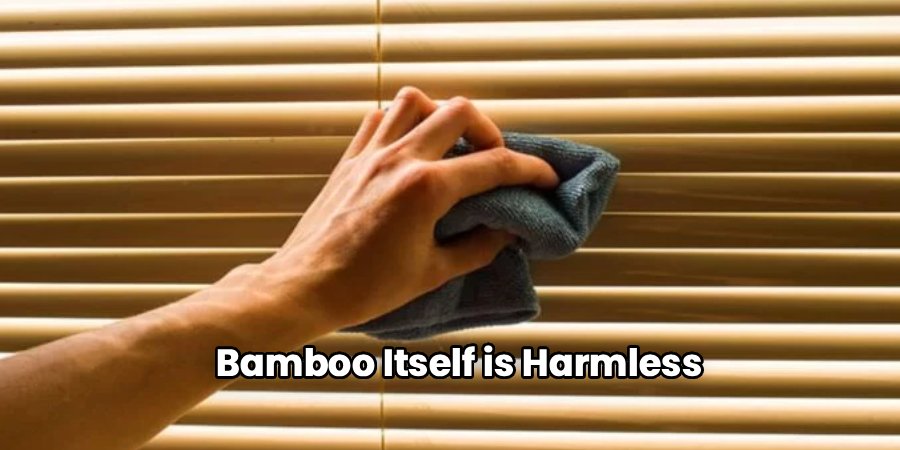
Bamboo itself is harmless — it’s dried plant fiber and mild soap, no fumes involved. The real hazards here are moisture damage, working at height, and the temptation to reach for stronger products than the job needs.
Test any cleaner on a hidden spot first. Before wiping the whole blind, dab your soapy cloth on a slat near the bottom or behind the header rail and let it dry. Watch for discoloration or water spotting before you commit to the rest.
Don’t mix cleaning products. Mild dish soap and water are all you need. There’s no reason to combine cleaners, and mixing anything with bleach or ammonia releases harmful fumes for zero benefit on bamboo.
Work from a stable base. If your blinds are mounted high, use a proper step stool on level ground. Don’t stretch off a chair arm to reach the top rail.
Handle taken-down blinds carefully. Bamboo slats can splinter, especially older or dried-out ones. Grip them by the header rail and support the length so they don’t fold and crack.
Keep moisture away from mounting hardware. Metal brackets and screws corrode when they stay wet, so wring your cloth well and dry any hardware you happen to wipe.
Maintenance and Prevention Tips
Stay ahead of the dust and you’ll almost never face a deep clean:
- Dust every one to two weeks with a soft brush or vacuum attachment. A quick dry pass stops dust from bonding into that greasy film, which matters most on blinds hanging over a kitchen sink where cooking vapor settles.
- Control the humidity around them. Bamboo in a bathroom or steamy kitchen absorbs moisture from the air and is far more prone to mildew. Run the exhaust fan and open a window when you can.
- Use a dehumidifier in damp months. In humid summers, natural fiber swells and softens, so keeping room humidity down protects the slats’ shape and finish.
- Rotate exposure if they get strong sun. Steady direct sunlight bleaches bamboo unevenly over time, leaving one section paler than the rest. A sheer curtain layer helps.
- Dry-dust before winter heating kicks in. Forced-air heat stirs up a lot of dust, and clearing the slats first keeps it from caking on.
- Wipe spills the moment they happen. A splash of coffee or grease sets into a stain fast on porous bamboo, so blot it dry right away rather than letting it soak in.
Frequently Asked Questions
Can you get bamboo blinds wet?
Only lightly. A well-wrung, barely-damp cloth is fine for wiping grime, but never soak, hose, or spray them directly. Bamboo is porous and swells, stains, and grows mildew when it stays wet. Always dry the blinds fully after any damp cleaning.
What’s the best way to remove dust from bamboo blinds?
Start with a vacuum and soft brush attachment, running it down the closed slats top to bottom, then tilt the slats and do the other side. Follow with a microfiber or lambswool duster for the tight seams. Dry-dusting handles most of the job and keeps dust from turning to paste once any moisture is involved.
How do you get mildew off bamboo blinds?
Lightly dampen a cloth with a diluted vinegar solution, wring it out hard, and wipe the affected slats along the grain. Dry the area immediately with a cool hairdryer or fan so no moisture lingers. Then fix the cause — improve ventilation or run a dehumidifier — or the mildew comes right back.
How often should you clean bamboo blinds?
Dry-dust them every one to two weeks and do a damp spot-clean only when you see grime or a film building up. Blinds over a kitchen or in a busy room need dusting more often because grease and dust settle faster. Regular dusting means you’ll rarely need to bring water near them.
Can I use a steam cleaner on bamboo blinds?
No. Steam forces moisture deep into the bamboo grain, which leads to warping, staining, and mildew. Stick with dry dusting and a barely-damp cloth for spots — bamboo and concentrated moisture don’t mix.
Should I oil or polish bamboo blinds to keep them looking good?
Usually not. Oils and polishes leave a tacky surface that traps dust and can darken the bamboo unevenly. Keeping the slats clean and dry does far more for their look and lifespan than any product.
The Bottom Line
Dust dry first, keep your cloth barely damp, and never let the slats stay wet — that’s the entire formula for bamboo blinds that hold their color and shape. Treat water as the enemy rather than the tool, and yours will keep their warm, natural look for years.
