
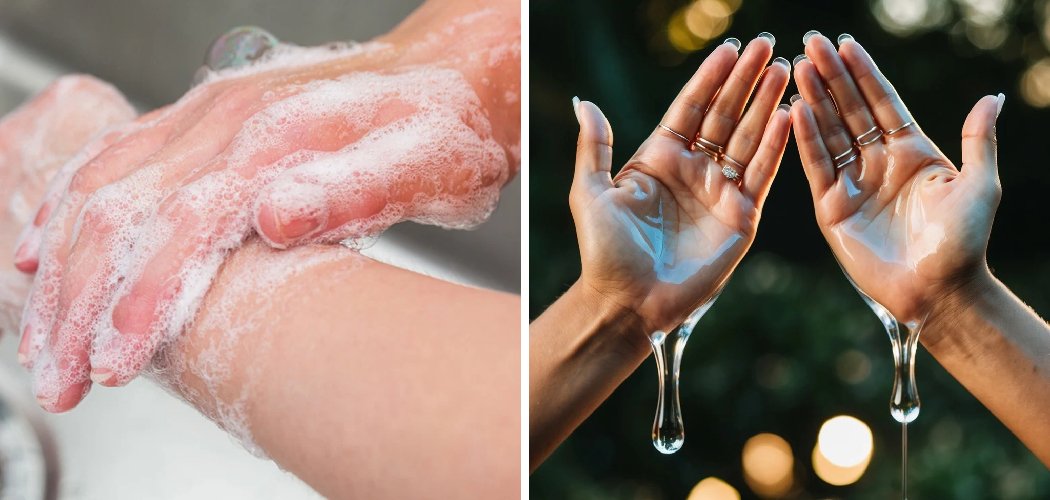
You reach up to steady a dripping mold mid-pour, forget you’re bare-handed, and suddenly there’s a warm, sticky film spreading across your fingers. Your first instinct is to grab the acetone off the shelf and scrub — and that’s the exact move that drives the resin deeper into your skin and leaves it red and stinging.

Cured resin flakes off eventually, but wet epoxy needs the right approach fast, because the longer it sits, the more it bonds and the higher your risk of a reaction. Knowing how to clean resin off hands without harsh solvents keeps your skin intact and gets you back to work sooner. The trick is to lift the resin, not blast it.
What You’ll Need
- Paper towels or a rag (to wipe off the bulk first)
- Plain white vinegar OR isopropyl alcohol
- A hand scrub or gritty exfoliant (sugar, salt, or baking soda works)
- Cooking oil, olive oil, or coconut oil
- A pumice-style hand cleaner or waterless mechanic’s soap
- Mild dish soap or hand soap
- Warm water
- A soft nail brush
- Hand lotion or a rich moisturizer for afterward
Keep the oil and the vinegar within arm’s reach of your work station before you ever start a pour. Cleaning up is always faster when you’re not hunting through cabinets with resin dripping off your knuckles.
Wipe Off the Excess Before It Spreads
Grab a paper towel and blot the wet resin off first. Don’t smear it — press and lift, so you’re pulling the bulk of it away instead of spreading a thin layer across more skin. Get every visible glob you can before you touch anything else, because whatever you leave behind is what you’ll have to break down later.

Skip water at this stage. Rinsing wet resin under the tap just moves it around and does nothing to dissolve it. Dry removal first, every time.
Break It Down With Vinegar or Alcohol
Soak a paper towel in plain white vinegar or isopropyl alcohol and press it against the sticky spots. Hold it there for a few seconds, then rub gently. Both of these loosen uncured resin’s grip without the harsh sting and skin-drying punch of acetone.
Vinegar is my go-to here, and it’s the one most people already have under the sink. Work it in with small circles, re-wetting the towel as it picks up the residue. You’ll feel the tackiness start to release.
Why Not Just Use Acetone?
Acetone works, but it soaks straight through your skin’s barrier and carries resin chemicals with it — which is exactly what you’re trying to avoid. It also dries and cracks your hands fast. Save it for tools and surfaces, not skin.
Scrub With Oil and a Gritty Exfoliant
Here’s the step most people skip: oil dissolves what water can’t. Pour a generous amount of cooking oil, olive oil, or coconut oil into your palm and rub it into the resin-stained areas. The oil breaks the bond between the resin and your skin.
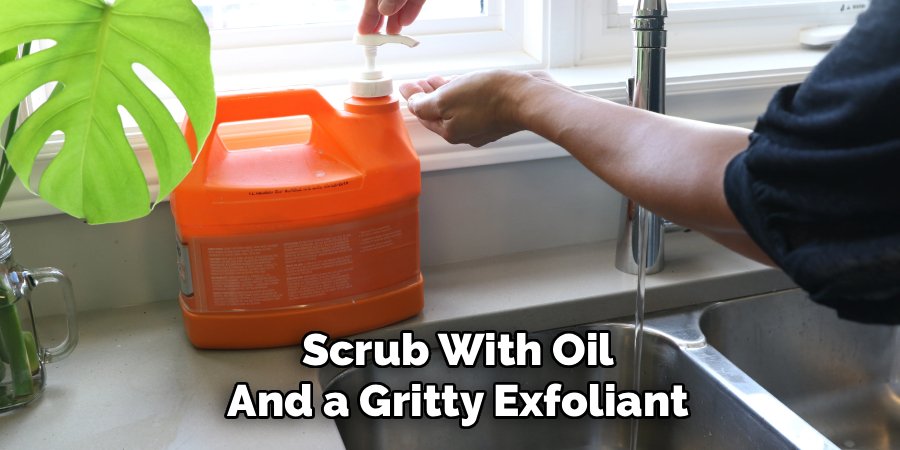
Now add something gritty — sugar, salt, or baking soda — right on top of the oil. Scrub in circles for 30 to 60 seconds. The oil lifts the resin while the grit physically works it off. For years my clients used to ask why plain soap never touched sticky residues, and it’s this: you need something to dissolve it and something to abrade it, working together.
Reach the Stubborn Spots
Cuticles, nail beds, and the creases of your knuckles hold resin longest. Use a soft nail brush with a little extra oil-and-grit mix to work those tight areas. Go gentle — you want to lift the resin, not scrape your skin raw.
Wash Off With Warm Soapy Water
Once the resin feels like it’s releasing, wash your hands with mild dish soap and warm water to strip away the oil and loosened residue. Lather thoroughly, rinse, and check for any remaining tacky patches. If you find some, repeat the oil-and-grit scrub rather than reaching for something harsher.
A pumice-style hand cleaner or waterless mechanic’s soap is a great finisher here — it’s built to cut oils and lift ground-in grime in one pass.
Moisturize Right Away
Even a gentle cleanup strips your skin’s natural oils, so follow up with a rich hand lotion or moisturizer. Resin work is hard on your hands over time, and dry, cracked skin is more prone to irritation on your next pour. Two minutes of moisturizing now saves you real discomfort later.
What To Use vs. What To Avoid
The wrong product turns a minor cleanup into red, stinging skin.
| Cleanup Job | What To Use | What To Avoid |
| First removal | Dry paper towel, press-and-lift | Rinsing under water |
| Dissolving residue | Vinegar or isopropyl alcohol | Acetone on skin |
| Breaking the bond | Cooking or coconut oil | Scrubbing dry |
| Physical scrub | Sugar, salt, baking soda | Steel wool, sandpaper |
| Final wash | Pumice hand cleaner, dish soap | Harsh industrial solvents |
| Aftercare | Rich moisturizer | Skipping lotion entirely |
Common Mistakes to Avoid
- Reaching for acetone first. It drives resin chemicals through your skin barrier and dries your hands out badly. Try vinegar or alcohol before anything stronger.
- Rinsing wet resin under water. Water spreads it around and dissolves nothing. Wipe dry first, always.
- Skipping the oil step. Soap and water alone barely touch uncured resin. Oil is what actually breaks the bond.
- Scrubbing bare skin raw. Aggressive scraping to remove a stubborn patch damages your skin without removing the resin any faster. Add more oil and be patient.
- Ignoring your cuticles and nails. These hold residue longest and get missed when you rush.
- Not moisturizing afterward. Every cleanup strips your skin. Dry, cracked hands react worse to the next exposure.
Safety and Warnings
Wet resin on your skin is more than a mess — it’s a genuine sensitization risk, so a few precautions matter.
Uncured resin can sensitize your skin. Repeated exposure to epoxy resin and its hardener is how many crafters develop contact dermatitis or a lasting allergy. Once you’re sensitized, even tiny amounts can trigger a reaction. Clean it off promptly, and don’t treat frequent skin contact as normal.
Watch for a reaction. If the area turns red, itchy, swollen, or blistered, stop and rinse thoroughly. Persistent or spreading irritation needs a doctor — an allergic response to resin doesn’t resolve on its own the way a simple irritation does.
Ventilate if you use solvents. Isopropyl alcohol and especially acetone give off strong fumes and are flammable. Work near an open window or with a fan running, and keep them away from heat and open flame.
Never mix cleaning chemicals. Don’t combine solvents or mix cleaners in an attempt to work faster — some combinations release harmful gases. Stick to one product at a time, and lean on oil and vinegar, which are the safest options for skin.
The real fix is prevention: wear gloves. Nitrile gloves are your best defense. If resin gets on the gloves instead of your skin, you peel them off and the problem’s gone. More on that below.
Maintenance and Prevention Tips
- Wear nitrile gloves every time. Not latex — some resins degrade it. Nitrile holds up through a full pour and saves your skin entirely.
- Barrier cream as backup. Rub a protective barrier cream into your hands before gloving up. If resin sneaks past a torn glove, it wipes off far easier.
- Keep a cleanup kit at your station. Oil, vinegar, paper towels, and a gritty scrub within reach means you handle spills in seconds, before resin cures.
- Change gloves when they tear. A pinhole is all it takes. Swap gloves the moment you feel stickiness inside.
- Clean up promptly. The sooner you address wet resin, the easier it lifts and the lower your exposure. Cured resin has to wear off on its own.
- Moisturize daily. Healthy, intact skin resists irritation better than dry, cracked skin. Make lotion part of your routine, not just your cleanup.
Frequently Asked Questions
Does acetone remove resin from skin?
Yes, but it’s not the best choice. Acetone dissolves uncured resin, but it also drives those chemicals through your skin barrier and dries your hands out fast. Vinegar, isopropyl alcohol, or an oil-and-grit scrub remove resin more safely and are much gentler on your skin.
How do you get cured resin off your hands?
Cured resin bonds to the top layer of skin and won’t dissolve, so you can’t scrub it off the way you would wet resin. Soak your hands in warm, soapy water to soften the skin, then gently exfoliate with an oil-and-sugar scrub. Whatever remains will flake away naturally as your skin sheds over a day or two.
Will resin come off your hands on its own?
Uncured resin won’t — it stays tacky and keeps exposing you until you remove it, so clean it off promptly. Small amounts of cured resin will wear away with normal skin shedding over a couple of days. Either way, don’t leave wet resin sitting, since prolonged contact raises your risk of irritation.
Is it bad to get resin on your skin?
It can be. Uncured epoxy resin and hardener are skin sensitizers, meaning repeated exposure can lead to contact dermatitis or a lasting allergy. A one-time small spill you clean up quickly is usually fine, but making skin contact a habit is how problems start. Gloves are the real answer.
What household items remove resin from hands?
Plenty of things you already own work well: white vinegar, isopropyl alcohol, cooking or coconut oil, and a gritty scrub like sugar, salt, or baking soda. Pair oil with grit for the best results — the oil dissolves the resin’s bond while the grit lifts it off. Finish with dish soap and warm water.
How do you prevent resin from sticking to your hands?
Wear nitrile gloves for every project, and apply a barrier cream underneath for extra protection. Keep a cleanup kit at your workspace so you can handle drips fast, and swap out gloves the moment they tear. Prevention beats cleanup every time when it comes to protecting your skin.
Final Word
Skip the acetone, reach for oil and a gritty scrub, and moisturize the moment you’re done. Better yet, glove up before your next pour so cleaning resin off your skin becomes a problem you rarely have to solve.
