
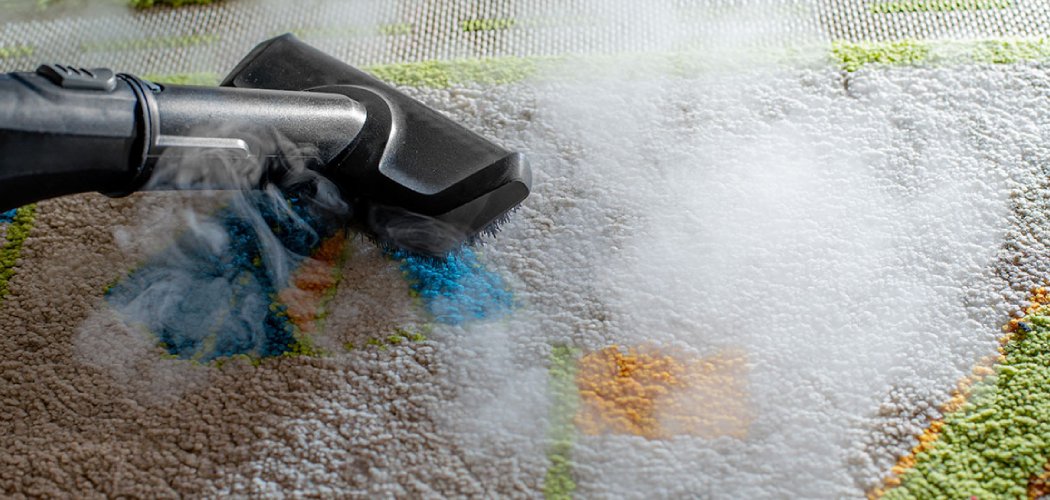
I once got called to a house where the owner had scrubbed a red wine spill with a stiff brush and the hottest water her tap could produce. By the time I arrived, she’d turned a coin-sized stain into a fuzzy, pale halo the size of a dinner plate — the wine was gone, but so was the twist in the fibers. Heat and hard scrubbing are the two fastest ways to wreck nylon, and almost everyone reaches for both.
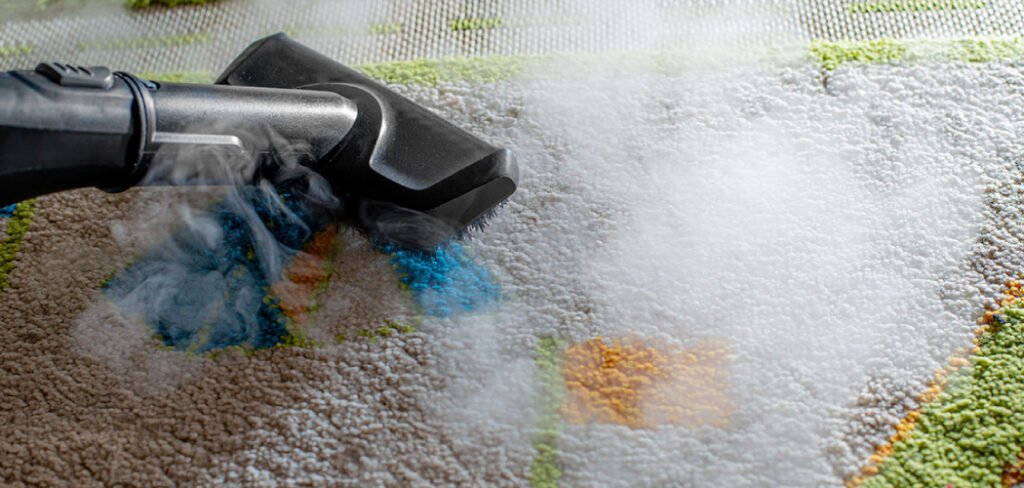
The upside is that nylon is the toughest common carpet fiber you can own, and it responds beautifully once you stop fighting it. Learning how to clean nylon carpet the right way comes down to lukewarm water, gentle blotting, and letting the fiber do what it was built to do. Get those basics right and this stuff outlasts nearly everything you’ll walk on.
What You’ll Need
- Vacuum with an adjustable-height beater bar
- White microfiber cloths or plain white towels
- Two buckets — one for cleaning solution, one for rinse water
- Spray bottle
- Mild dish soap (clear or white, no dyes)
- White vinegar
- Baking soda
- A soft-bristle brush
- Rubber gloves
- A box fan or two
- A clean, dry towel plus something heavy for weighting down (a stack of books works)
Keep every cloth white. Nylon holds dye well, which is great for its own color but means a damp red rag can transfer pigment straight into a light carpet. I learned that the expensive way early in my career, so now only white touches a wet fiber.
Know Your Nylon Before You Wet It
Nylon comes in two main grades — Type 6 and Type 6,6 — and while you don’t need a lab to tell them apart, both share one habit worth knowing. The fibers are naturally resilient, meaning crushed pile springs back up once it’s clean and dry. That’s why a matted traffic lane often looks half-dead before cleaning and surprisingly plush afterward.
Most modern nylon carpet also carries a stain-resist treatment from the factory. Harsh alkaline cleaners strip that coating, so the mild solutions below aren’t just gentle for the sake of it — they protect the finish that keeps the carpet resisting spills in the first place.
Vacuum Thoroughly and Slowly
Start dry, every time. Set your beater bar so it just grazes the pile — too low and it grinds grit into the base, too high and it barely touches the dirt.
Work in Overlapping Rows
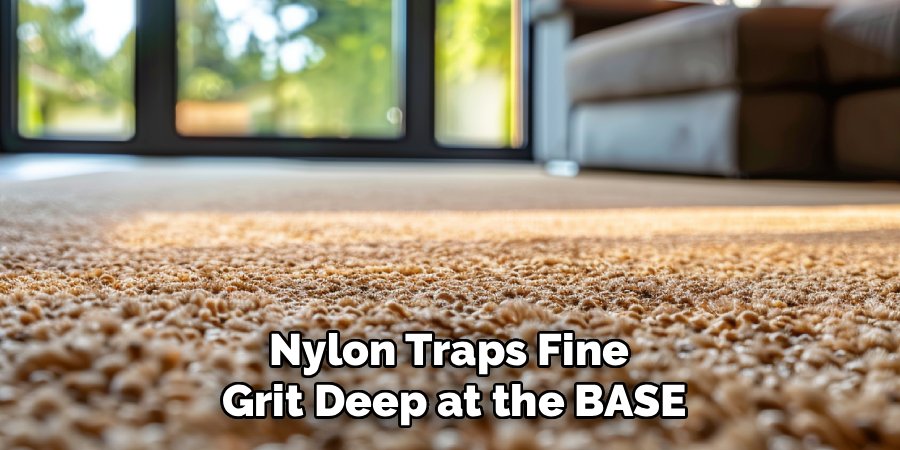
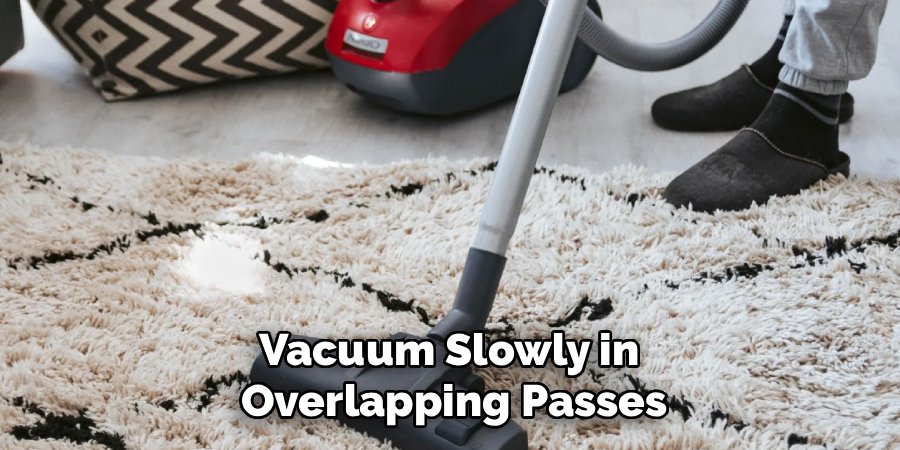
Run the vacuum in slow, overlapping passes rather than fast back-and-forth strokes. Nylon traps fine grit deep at the base of the pile, and that grit is what saws through fibers over years of foot traffic. Slow passes give the machine time to pull it up.
Cross-Pass the Traffic Lanes
For hallways and the strip in front of the sofa, go over each section a second time at a right angle. Nylon pile leans in the direction people walk, and cross-passing gets the vacuum head under fibers that a single direction leaves flattened.
Lift Odors With Baking Soda
Nylon doesn’t hold odor the way wool does, but pet zones and entryways still build up a stale smell over time. Baking soda handles it dry, no moisture required.
Sprinkle, Wait, Vacuum
Scatter a thin, even layer over the carpet and leave it 20 to 30 minutes — overnight for stubborn pet odors. Then vacuum it up completely. Run your hand across the pile afterward; if it feels powdery, keep going, because leftover baking soda turns pasty the second you spot-clean over it.
Spot-Clean Fresh Stains Fast
Mix your everyday solution in a spray bottle: two cups of lukewarm water, one tablespoon of white vinegar, and one drop of dish soap. Lukewarm is the rule — hot water can set protein stains and soften the stain-resist finish.
Blot From the Edge Inward
Mist the stain lightly and press a white cloth straight down. Work from the outside edge toward the center so you don’t spread the stain into clean pile. Nylon releases most fresh spills with almost no effort if you catch them before they dry, so speed beats scrubbing every time.
Rinse and Weight It Dry
Mist the spot with plain water, blot again to lift any soap, then fold a dry towel over the area and press something heavy on top. Leave it 15 minutes. This wicks moisture up out of the backing and stops the ring that forms when a spot dries from the outside in.
Deep-Clean a Full Room
For a whole-room refresh, work in sections about four feet square. Lightly mist the vinegar solution, agitate gently with the soft brush in the direction of the pile, then blot with a clean towel. Rinse-mist with plain water, blot again, and move on.
- Vacuum the entire room first — deep-cleaning dirty pile just makes mud.
- Test your solution in a closet corner and wait ten minutes to check for color change.
- Mist and agitate one section at a time, never soaking the carpet.
- Blot each section dry before moving to the next.
- Rinse-mist with plain water to pull out soap residue.
- Set up fans and keep foot traffic off until the carpet is bone dry — usually four to six hours.
Never work faster than you can dry. Nylon itself doesn’t mind moisture, but a soaked backing and pad can grow mildew within a day, and that smell never fully leaves.
Method Comparison: What Works and What to Skip
| Method | Best For | Watch Out For | Verdict |
| Slow vacuuming | Daily grit, matting | Set beater height right | Do it often |
| Baking soda (dry) | Odors, dinginess | Vacuum fully before wetting | Reliable and safe |
| Vinegar + water spray | Fresh spots, light stains | Use lukewarm, test first | The everyday fix |
| Warm water extraction | Full-room deep cleans | Dry fast to avoid mildew | Great once or twice a year |
| Blotting fresh spills | Almost any new stain | Blot, don’t rub | Nylon’s superpower |
| Hot water / steam blasting | Nothing on stain-resist nylon | Strips finish, sets stains | Avoid |
| Stiff-brush scrubbing | Nothing | Frays and fuzzes the pile | Never |
Common Mistakes to Avoid
- Using hot water. It softens the stain-resist coating and can set protein spills like blood, milk, and egg. Lukewarm is the ceiling.
- Scrubbing with a stiff brush. It untwists and fuzzes the pile, leaving a permanent dull patch even after the stain is gone.
- Over-wetting the carpet. Nylon dries fine, but the pad and backing underneath breed mildew when soaked.
- Skipping the rinse. Leftover soap acts like a magnet for dirt, so a “clean” spot turns grey within weeks.
- Reaching for harsh cleaners. Ammonia and high-alkaline products strip the factory stain protection you paid for.
- Rubbing instead of blotting. Rubbing drives the stain deeper and roughs up the fiber surface.
- Letting spills sit. Fresh spills lift in seconds; dried ones become a full extraction job.
Safety and Warnings
Hand-cleaning nylon carpet is low-risk since you’re working with pantry staples, but a few rules keep it that way.
- Never mix bleach and ammonia — or products that contain them. The reaction releases toxic chloramine gas. Some commercial spot cleaners hide ammonia in the label, so read before you layer anything.
- Don’t mix vinegar with bleach either. That combination produces chlorine gas. Stick to one cleaner at a time.
- Test every solution in a hidden spot first — a closet corner or under a heavy piece of furniture — and wait ten minutes to check for dye bleeding or fading before you treat a visible area.
- Ventilate the room. Even vinegar smells sharp in a closed space, and any store-bought cleaner needs airflow. Crack a window and run a fan.
- Wear gloves if repeated wetting or vinegar irritates your skin.
- Block off wet areas. Damp nylon over a hard subfloor edge is a slip hazard until it dries.
Keep Your Nylon Carpet Cleaner Longer
A little routine care means you’ll rarely face a full deep-clean.
- Vacuum high-traffic lanes twice a week and the whole floor weekly. Grit is what shortens a carpet’s life, not foot traffic.
- Blot spills the second they land. Nylon’s stain resistance buys you time, not immunity — a wiped-up spill beats a scrubbed one every day.
- Rearrange furniture occasionally so traffic patterns and crush marks spread out instead of wearing one lane bare.
- Use walk-off mats at every entrance to trap the dirt that rides in on shoes before it hits the carpet.
- Add pads under heavy furniture legs to stop deep dents, then fluff any dents back up with your fingers and a spritz of water.
- Deep-clean once or twice a year, and more often in a home with pets or kids.
- Keep the sun off it where you can. Nylon resists fading better than most fibers, but constant direct sunlight will still dull rich colors over years.
Frequently Asked Questions
What is the best way to clean nylon carpet at home?
Vacuum slowly in overlapping passes, deodorize with baking soda, and spot-clean with a mix of two cups lukewarm water, one tablespoon white vinegar, and a drop of dish soap. Blot stains from the edge inward with a white cloth, rinse with plain water, then weight a dry towel over the spot to wick out moisture. Test any solution in a hidden corner first.
Can you use a steam cleaner on nylon carpet?
You can use warm-water extraction, but avoid blasting nylon with true high-heat steam. Excess heat softens the factory stain-resist finish and can set protein stains permanently. Keep the water warm rather than scalding, and dry the carpet fast with fans to prevent mildew in the pad.
Why does my nylon carpet look flat and worn in the hallway?
That’s crushing, not wear. Nylon pile leans over under repeated foot traffic, so it looks matted and dull long before the fibers actually thin out. A slow vacuum with the beater bar set correctly, followed by a light cleaning, usually springs the pile back up — one of the reasons nylon lasts so well.
How do you get old stains out of nylon carpet?
Rehydrate the stain first by misting it with your lukewarm vinegar solution and letting it sit five minutes, then blot from the edge inward. Repeat the mist-and-blot cycle several times rather than scrubbing once hard. Set-in stains often need two or three gentle rounds, but scrubbing just fuzzes the fiber and leaves a dull patch.
Does vinegar damage nylon carpet?
Diluted white vinegar is safe on nylon and actually helps rinse out soap and neutralize odors. Use it well diluted — about one tablespoon per two cups of water — and never mix it with bleach. Always test a hidden spot first to rule out any dye reaction.
How often should you clean nylon carpet?
Vacuum high-traffic areas twice a week and the whole floor weekly. Blot spills immediately, and do a full deep-clean once or twice a year — more often with pets, kids, or a busy entryway.
Final Word
Keep the water lukewarm, blot instead of scrub, and give every spill your attention the moment it lands. Treat nylon gently and it rewards you by springing back, shrugging off stains, and lasting years longer than the mistakes people make on it.
