
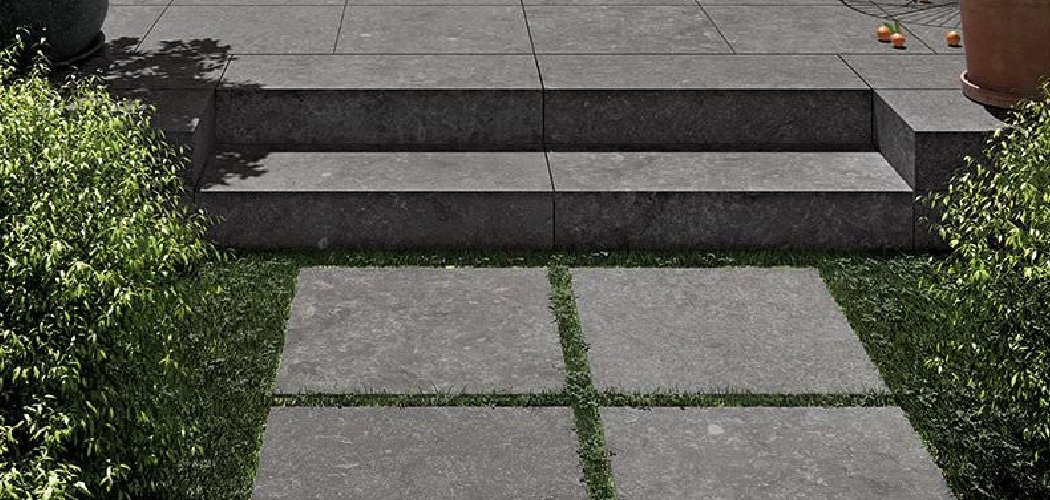
A guy I did a summer patio job for once dragged a stiff wire brush and a tub of cement-stain remover across his brand-new porcelain slabs, convinced the light haze on them was ground-in dirt. It wasn’t dirt — it was grout residue left over from installation, and the acid he used etched dull patches into a surface that’s supposed to be nearly stain-proof. He spent more fixing that mistake than the original cleaning would have cost.
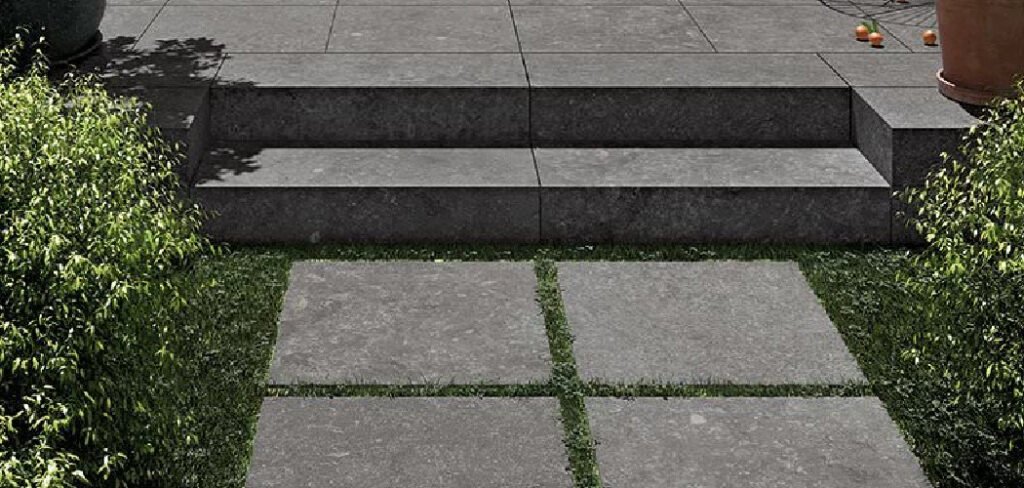
The good news is that these slabs are one of the easiest hard surfaces to look after once you know their quirks. Learning how to clean porcelain paving slabs is mostly about using the gentlest thing that works and skipping the harsh, abrasive stuff people reach for out of habit. Porcelain’s dense, low-porosity surface does most of the heavy lifting for you.
What You’ll Need
None of this is exotic. The item most people forget is a soft-bristle brush — they grab whatever stiff broom is in the shed, and that’s how fine scratches start showing up in low sunlight.
- A soft-bristle brush or push broom (nylon, not wire)
- A garden hose or a pressure washer with a fan/wide nozzle
- A bucket
- pH-neutral tile or patio cleaner
- Warm water
- Washing-up liquid for light everyday cleaning
- A microfiber cloth or soft sponge for spot cleaning
- A dedicated porcelain grime/oil remover for stubborn marks (optional)
- Grout haze remover for post-install film (optional)
- A squeegee or soft cloth for drying
- Rubber gloves
Leave the wire brushes, steel wool, acidic cleaners, and neat bleach in the cupboard. Porcelain doesn’t need them, and the abrasive ones will dull the finish over time.
Sweep and Rinse Before Anything Else
Clear the surface first. Sweep off leaves, grit, and loose debris with a soft-bristle broom, then give the slabs a good rinse with the hose. Grit is the sneaky one here — if you start scrubbing with sand still sitting on the surface, you’re basically sanding your own patio. A rinse floats most of it away before you touch the slabs with a brush.
Pay attention to what the water does. On sealed or new porcelain it sheets off fast and beads slightly. If you notice it soaking into the grout lines instead, that’s usually where your dirt and green film build up, so make a mental note to work those seams harder later.
Mix a Gentle pH-Neutral Solution
Fill your bucket with warm water and add either a squirt of washing-up liquid for routine cleaning or a pH-neutral patio cleaner at the label’s dilution for a deeper clean. Warm water lifts grease and grime far better than cold, especially on outdoor slabs that have baked in summer sun. Resist making the mix stronger than directed — extra cleaner just leaves a film that attracts more dirt and shows up as streaks once it dries.
Scrub With the Grain, Not in Circles
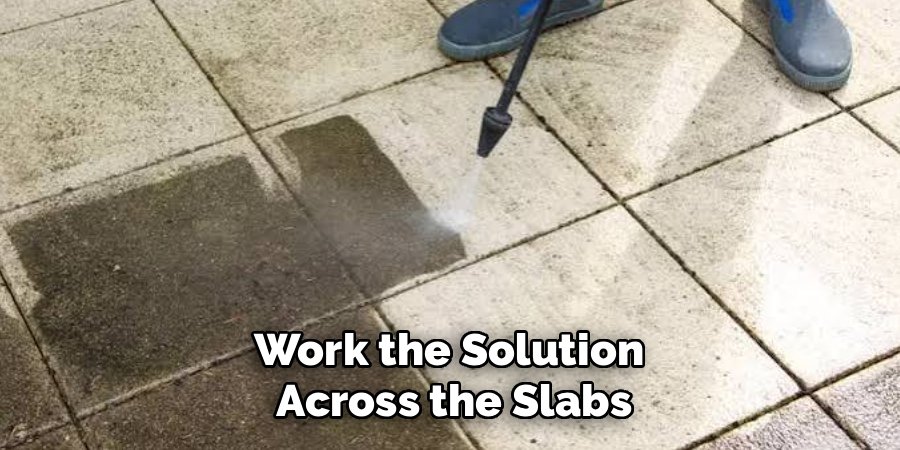
Work the solution across the slabs with your soft-bristle brush, moving in straight lines that follow the surface texture rather than scrubbing in tight circles. Circular scrubbing tends to leave swirl marks visible in raking light, especially on darker or polished-finish porcelain. Cover a manageable section at a time so the cleaner doesn’t dry on before you rinse it off.
For the grout lines, angle the brush into the seams — that’s where moss, algae, and general muck settle first. A narrower grout brush helps if the joints are recessed.
Tackle Stubborn Stains and Algae
For set-in marks the general clean didn’t shift:
- Identify the stain type — oil and grease need a degreaser, while green algae and moss respond to a patio cleaner or a mild oxygen-based (not chlorine) cleaner.
- Apply the right product directly to the mark and let it dwell for the time on the label, usually 5 to 10 minutes. Don’t let it dry out.
- Agitate gently with your soft brush.
- Rinse thoroughly with clean water.
- Repeat once more rather than scrubbing harder on the first pass.
Something clients used to ask me about constantly: those rust-colored spots that appear near metal furniture legs and garden ornaments. That’s rust bleed, not a porcelain fault, and it needs a specific rust remover — general patio cleaner won’t touch it, and scrubbing just spreads it.
Rinse and Dry Properly
Hose the whole area down until the water runs clear, making sure no cleaner sits drying in the joints. On porcelain, leftover residue is the number-one cause of that “why does it look streaky now?” complaint. If you want a spotless finish with no water marks, pull a squeegee across the slabs or go over them with a soft cloth, working toward the drainage side.
Safe vs. Damaging: What to Use and What to Avoid
| Safe to Use | Avoid |
| pH-neutral patio or tile cleaner | Acidic cleaners (they etch and dull) |
| Washing-up liquid and warm water | Neat bleach on light or colored slabs |
| Soft-bristle nylon brush | Wire brushes and steel wool |
| Pressure washer on a wide fan nozzle | Pressure washer on a narrow pinpoint jet |
| Oxygen-based algae cleaner | Chlorine bleach for algae (streaks grout) |
| Dedicated rust or oil remover for spots | Abrasive scouring powders |
| Microfiber cloth for spot cleaning | Cement/brick acid on the slab surface |
The pressure-washer row trips people up most. A wide fan nozzle held a sensible distance away is fine and fast. A pinpoint jet held close can blast the sand or grout out of the joints and, on cheaper slabs, damage the surface — so ease off the trigger and keep your distance.
Common Mistakes to Avoid
Using acidic or cement-cleaning products. These are meant for brick and masonry, not porcelain. They dull the finish and can permanently etch it. If you’ve got grout haze from installation, use a proper grout haze remover, not brick acid.
Reaching for a wire brush. Porcelain’s smooth face scratches under metal bristles, and those scratches trap dirt and show up in sunlight. Soft nylon only.
Blasting a narrow pressure-washer jet. It strips joint sand and can mark the surface. Wide fan nozzle, moderate pressure, kept moving.
Letting cleaner dry on the slabs. Dried residue streaks and attracts more dirt. Work in sections and rinse before it dries.
Using neat bleach on colored porcelain. It can lighten and blotch the surface and discolor grout. Dilute properly, or skip it for an oxygen-based cleaner.
Ignoring the joints. Most of the green film and weed growth starts in the grout lines, not on the slab face. Clean the seams every time.
Safety and Warnings
This is a fairly low-risk job, but chemicals and pressure washers still call for common sense.
- Never mix cleaning products. Bleach and ammonia together release toxic fumes, and mixing bleach with acidic cleaners does the same. Stick to one product at a time and rinse thoroughly between different ones.
- Test in a hidden spot first. Try any new cleaner on an out-of-the-way slab or corner, wait a few minutes, and check for dulling or color change before doing the whole patio.
- Wear gloves and eye protection. Degreasers, rust removers, and bleach can irritate skin and eyes. Rubber gloves and safety glasses take seconds to put on.
- Ventilate around walls and enclosed patios. Strong cleaners in tight, fenced-in spaces build up fumes. Work with airflow around you.
- Mind your footing. Wet porcelain, especially polished finishes, gets slippery. Move deliberately and keep hoses and cables out of your walking path.
- Read the pressure-washer manual. Follow the recommended nozzle and distance for paving so you don’t damage the surface or the joints.
Maintenance and Prevention Tips
The patios that still looked showroom-fresh years after I first cleaned them all had owners who did small, regular things instead of one big annual battle.
- Sweep weekly. Keeping grit and leaves off the surface stops staining and stops that grit from scratching underfoot.
- Rinse after big spills. Porcelain barely absorbs anything, so a quick rinse of wine, barbecue grease, or plant food usually prevents any mark at all — if you catch it early.
- Deal with algae before winter and after. Green film thrives in damp shade. A late-autumn clean and an early-spring one keep it from taking hold, and that seasonal timing saves you a much bigger scrub later.
- Keep the joints in good shape. Refill or repair any washed-out jointing compound so water drains properly and weeds can’t root.
- Lift furniture, don’t drag it. Dragging metal legs scratches the surface and can leave rust bleed. Add felt or rubber feet.
- Position planters on feet or saucers. Sitting pots directly on porcelain traps moisture and leaves ring marks and algae shadows.
- Skip the annual pressure-wash habit if you can. Regular light cleaning means you rarely need to blast the slabs, which is gentler on the joints in the long run.
FAQ
What is the best thing to clean porcelain paving slabs with?
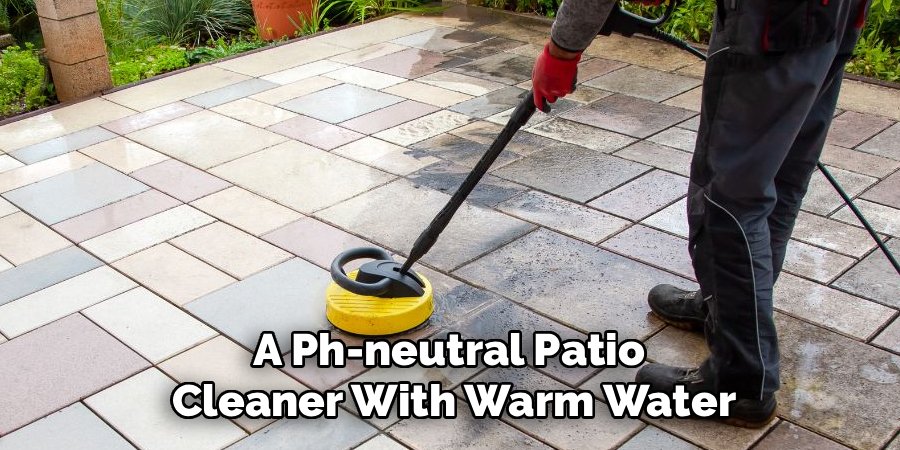
A pH-neutral patio cleaner with warm water is the safest, most effective choice for a deeper clean, and plain washing-up liquid in warm water handles routine cleaning perfectly. Both lift dirt without touching the finish. Use a soft-bristle brush to agitate, and rinse well so no residue dries on and streaks.
Can you use a pressure washer on porcelain paving?
Yes, as long as you use a wide fan nozzle at moderate pressure and keep a sensible distance. Avoid a narrow pinpoint jet held close to the surface — it can blast out joint sand and, on lower-quality slabs, mark the surface. Keep the nozzle moving rather than lingering on one spot.
Why do my porcelain slabs look streaky or hazy after cleaning?
Nine times out of ten it’s leftover cleaner residue that dried on the surface, so rinse more thoroughly and squeegee the slabs dry. If the haze was there from the start — a cloudy film that won’t wash off — it’s usually grout residue from installation, which needs a dedicated grout haze remover, not a stronger patio cleaner.
How do you remove algae and moss from porcelain paving?
Use a patio cleaner or a mild oxygen-based cleaner, let it dwell for a few minutes, then agitate with a soft brush, working into the joints where it starts. Rinse thoroughly. Avoid chlorine bleach, which streaks the grout and can lighten colored slabs, and tackle the growth in late autumn and early spring before it spreads.
Can you use bleach on porcelain paving slabs?
Diluted bleach can help with heavy staining on light-colored slabs, but skip neat bleach and be cautious on colored porcelain, since it can blotch the surface and discolor grout. An oxygen-based cleaner is usually a safer bet, and you should always test any bleach solution in a hidden spot first.
How do I get rust stains off porcelain paving?
Rust bleed near metal furniture or ornaments needs a dedicated rust remover — general patio cleaner won’t shift it, and scrubbing just spreads the mark. Apply the rust remover to the spot, let it dwell per the label, then rinse well. Prevent it from coming back by lifting metal items onto feet or pads.
Keep it simple, keep it gentle, and let the porcelain’s dense surface work in your favor. Clean the joints as carefully as the slab faces, rinse away every trace of product, and a quick weekly sweep will save you from ever needing that heavy annual scrub.
