
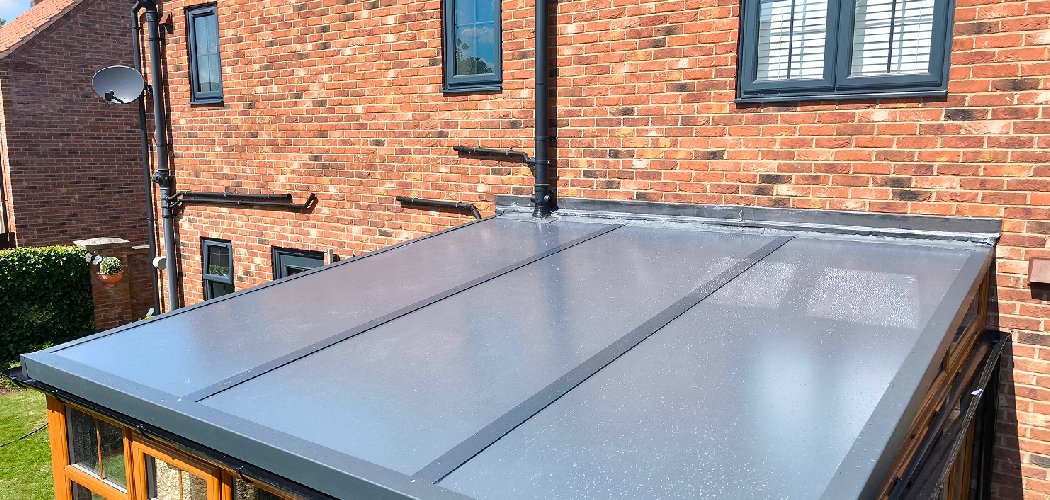
Someone always tells me they tried to blast their conservatory roof clean with a jet washer, and now there’s a damp patch spreading across the ceiling inside. That high-pressure spray forces water straight past the sealing gaskets and the rubber trims, and once moisture gets between the panels, no amount of wiping brings it back. I lost count of the callouts I made to fix exactly that mistake.
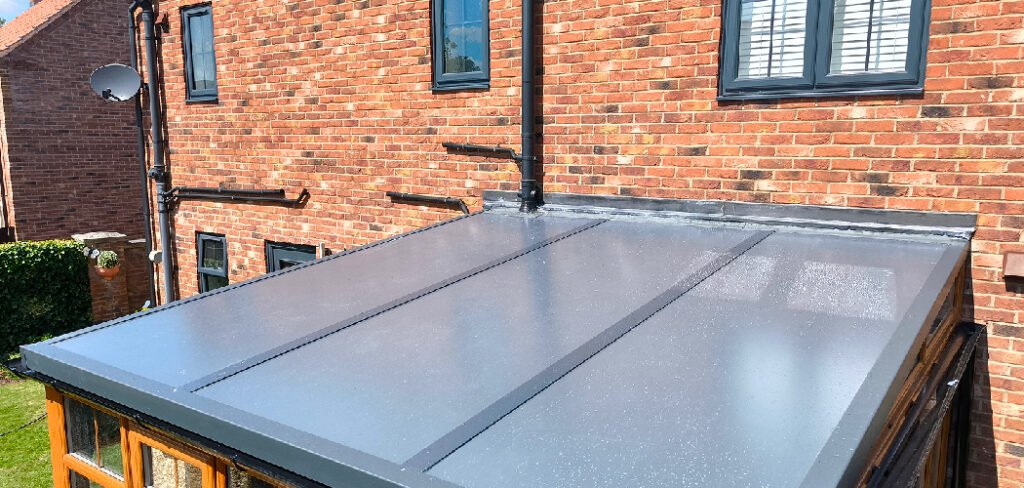
The good news is you don’t need pressure or harsh chemicals to get a spotless result. Learning how to clean a conservatory roof comes down to a soft-brush approach, the right timing, and working with the pitch of the roof instead of against it. Do it properly and you’ll get years of clear glass or bright polycarbonate without a single leak.
What You’ll Need
- Telescopic water-fed pole with a soft flocked or bristle brush head
- Extension ladder plus a stabilizer bar
- Bucket of warm water
- A few drops of mild dish soap or a dedicated conservatory cleaner
- Soft microfiber cloths
- Soft-bristle hand brush for the frames and trims
- Garden hose with a gentle spray nozzle
- Plastic scraper or wooden spatula (never metal) for stubborn moss
- Non-slip footwear
- A helper to foot the ladder
If you have polycarbonate panels rather than glass, keep everything soft. Those panels scratch far more easily than people expect, and a stiff brush leaves swirl marks you’ll notice every sunny morning.
Check the Weather and Your Panel Type First
Pick a cool, overcast day. Bright sun dries your cleaning solution into a streaky film before you’ve even reached the far side, and I always steered clients toward a slightly grey morning for this job.
Then work out what your roof is made of. Polycarbonate feels lighter, flexes a little, and has hollow ribbed channels you can see along the edge. Glass is rigid and heavier. This matters because polycarbonate goes brittle in cold snaps, so never clean or lean weight on it during a hard frost — it can crack under pressure it would shrug off in summer.
Clear the Loose Debris and Gutters
Before any water touches the panels, get the loose mess off. Brush away leaves, twigs, and windblown grit that gather in the valleys and along the ridge.
Clear the gutters and the box gutter where the conservatory meets the house wall. This spot clogs faster than anywhere else, and a blocked gutter here is the number-one cause of overflow stains running back down the glass. Scoop the debris by hand or with a small trowel, then flush the channel with your hose.
Mix a Gentle Cleaning Solution
Fill your bucket with warm water and add a few drops of dish soap. That’s genuinely all most roofs need. For heavier grime or algae, a purpose-made conservatory cleaner works, but skip anything abrasive or solvent-based.
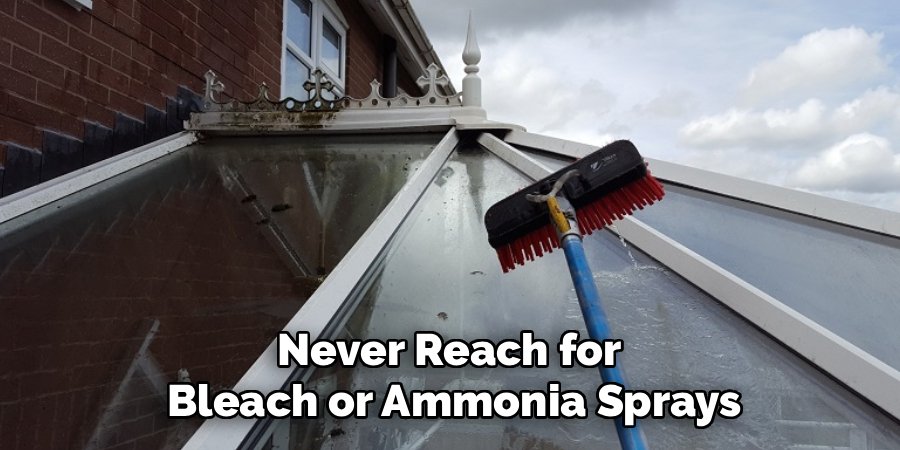
Never reach for bleach or ammonia sprays. They can bleach the rubber seals, dull polycarbonate, and strip the finish off aluminum or uPVC frames over time.
Wash the Panels From the Ridge Down
Wet the whole roof with your hose first to float off loose dirt. Then dip your soft brush in the soapy water and work in gentle, overlapping strokes, always starting at the ridge and pulling down toward the gutter. Gravity carries the dirty runoff away from the clean sections instead of dragging it back across them.
Let the solution sit for a minute or two on stubborn areas, but don’t let it dry. Reapply water if it starts to go tacky.
Handling Moss and Algae Buildup
Green streaks and moss cluster on the shaded, north-facing slope. Loosen them gently with your soft brush, and for thicker moss lodged in the trims, use a plastic scraper or wooden spatula. Metal tools gouge the panels and scratch the frames, so keep them well away.
For a lingering green film, a diluted conservatory-safe algae treatment left on for the time stated on the label does the work without scrubbing. Rinse it fully afterward.
Cleaning the Frames, Trims, and Seals
Give the uPVC or aluminum bars a wipe with your soft hand brush and soapy water. Pay attention to the rubber gaskets and glazing seals — grime builds up along these edges and holds moisture against the panel. A gentle wipe keeps them supple and doing their job.
Rinse Thoroughly and Buff the Edges
Rinse from the ridge down with clean water until no suds remain. Leftover soap dries into a haze that attracts more dirt, so be generous here.
If you can safely reach the lower edges, buff them dry with a microfiber cloth to stop water pooling and leaving mineral spots. Let the upper slopes air-dry — chasing them with a cloth isn’t worth the reach.
Safe vs. Unsafe Cleaning Choices
| Category | Safe to Use | Avoid |
| Glass panels | Dish soap, warm water, soft brush, microfiber | Abrasive pads, metal scrapers, jet washers |
| Polycarbonate panels | Mild soapy water, soft flocked brush | Solvents, alcohol, stiff brushes, hot water |
| Algae and moss | Conservatory-safe algae treatment, plastic scraper | Bleach, patio moss killer, wire brushes |
| Frames and seals | Soft brush, soapy water, damp cloth | Ammonia sprays, scouring sponges |
| Method | Gentle hose rinse, ridge-to-gutter strokes | Pressure washing, cleaning in direct sun |
| Timing | Cool overcast day, above freezing | Frost, midday heat, windy conditions |
Common Mistakes to Avoid
- Reaching for the pressure washer. It forces water past the seals and into the roof structure, causing the leaks and damp patches I mentioned up top.
- Cleaning polycarbonate in freezing weather. Cold makes it brittle, and it cracks under brush pressure it would handle fine in mild weather.
- Using bleach or patio moss killer. These degrade the seals and discolor panels and frames.
- Scrubbing with anything metal. Metal scrapers and wire brushes leave permanent scratches that catch the light forever after.
- Skipping the gutters. A blocked box gutter overflows straight back onto your freshly cleaned glass.
- Leaning your weight on the panels. They’re glazing, not a floor. Always keep your body on the ladder and let the pole do the reaching.
Safety and Warnings
Working at height is the real danger here, not the cleaning products. Never stand on the conservatory roof itself — the panels won’t hold you, and neither will the glazing bars. Use a properly footed extension ladder with a stabilizer, wear non-slip shoes, and keep a helper at the base. If the roof is steep, high, or you can’t reach it safely from a ladder and pole, hire a professional. No clean roof is worth a fall.
On the product side, keep things simple and ventilated. Never mix cleaning products — combining anything containing bleach with anything containing ammonia releases toxic fumes.

Wear gloves if you’re using a stronger algae treatment, and always test any new cleaner on a small, hidden corner first, especially on polycarbonate, so you can catch clouding or dulling before it spreads across the whole roof. Steer clear of the job entirely on wet, icy, or windy days.
How to Keep Your Conservatory Roof Clean Longer
- Brush off loose debris every few weeks. A quick pass with a soft brush or blower stops leaves rotting into the valleys.
- Clear the gutters seasonally. Do it in late autumn once the leaves drop and again in spring. This alone prevents most overflow staining.
- Trim overhanging branches. Less shade and less falling debris means far slower algae growth on the north slope.
- Rinse after heavy pollen or storms. A two-minute hose-down stops film baking on in the sun.
- Apply a rain-repellent glass treatment. On glass roofs, a hydrophobic coating helps water sheet off and carry dirt with it, stretching the time between deep cleans.
- Check the seals twice a year. Look for cracked or lifting gaskets and reseal early, before grime and water get behind the panels.
A proper clean twice a year, spring and autumn, keeps most conservatory roofs looking sharp. Homes tucked under trees or on shaded plots may want a light third pass midsummer.
Frequently Asked Questions
How often should you clean a conservatory roof?
Twice a year suits most homes — once in spring and once in autumn after the leaves have dropped. If your conservatory sits under trees or on a shaded, north-facing side, add a lighter clean midsummer to keep algae from taking hold.
What is the best way to clean a conservatory roof without a pressure washer?
Use a telescopic water-fed pole with a soft brush head, warm soapy water, and a gentle hose rinse. Work from the ridge down in overlapping strokes so the dirty water runs away from the clean panels. This gets the same result as a pressure washer without risking the seals.
How do you clean a polycarbonate conservatory roof safely?
Stick to mild soapy water and a soft flocked brush, and never use solvents, alcohol, or stiff bristles, which scratch and cloud the surface. Avoid cleaning it in freezing weather too, since cold makes polycarbonate brittle and prone to cracking under pressure.
How do you get green algae off a conservatory roof?
Loosen it with a soft brush and warm soapy water, then treat any lingering film with a conservatory-safe algae remover left on for the time the label states. Keep bleach and patio moss killers away — they damage the seals and discolor the panels.
Can you walk on a conservatory roof to clean it?
No. The panels and glazing bars aren’t built to hold your weight and will crack or give way. Clean it from a properly footed ladder using a telescopic pole, or hire a professional for high or steep roofs.
Why does my conservatory roof still look streaky after cleaning?
Streaks usually mean you cleaned in direct sun and the solution dried too fast, or you didn’t rinse all the soap away. Work on a cool, overcast day and rinse generously from the ridge down until no suds remain.
Final Thoughts
A conservatory roof rewards patience and a soft touch far more than muscle or strong chemicals. Match your method to the panel, respect the ladder, and rinse properly — that’s how you keep the light pouring in for years without a single leak.
