
Last spring, a client called me in a panic because she’d blasted her sunroom windows with a garden hose on a scorching afternoon, and every pane cracked within the hour. Cold water hitting hot glass is the fastest way to ruin a double pane window, and it’s the number one mistake I saw over 12 years on the job. The second? Scrubbing away at foggy glass that no amount of elbow grease will ever fix.
Knowing how to clean a double pane window properly means treating it differently from old single-pane glass. These windows have two sheets of glass with a sealed gas layer between them, and that seal is delicate. Get your method right and the glass stays streak-free for weeks.
What You’ll Need
- Two clean microfiber cloths (one for washing, one for drying)
- A soft sponge or non-abrasive scrubbing pad
- A rubber-bladed squeegee
- A bucket of warm water
- White vinegar OR a few drops of dish soap
- A spray bottle
- A soft-bristled brush or vacuum with a brush attachment (for the tracks)
- Distilled water, if your tap water is hard
- An old towel to catch drips
Start Dry: Clear the Loose Dirt First
Never go straight in with liquid. Dry dust plus water equals a muddy smear that you’ll fight for ten minutes.
Grab your soft brush or the vacuum attachment and sweep the frame, the corners, and the window tracks. Pay attention to the bottom track, where grit collects and turns into a gritty paste the second it gets wet. Getting this loose debris out first protects the glass from tiny scratches when you start wiping.
Mix a Gentle Cleaning Solution
Skip the heavy-duty sprays. For double pane glass, a light solution does the job without leaving residue that attracts more dust.
Mix one of these in your spray bottle:
- One part white vinegar to two parts warm water, or
- A few drops of dish soap in a bottle of warm water
If you have hard water, use distilled water instead of tap. I learned this the hard way in a coastal town where the mineral-heavy water left chalky spots no matter how carefully I dried the glass.
Wash the Glass in Sections
Spray your solution onto the cloth or lightly onto the glass — not soaking wet, just damp.
Work top to bottom in small sections. Use your microfiber cloth or soft sponge in gentle circles to lift the grime, then move down. Cleaning in sections stops the solution from drying before you get to it, which is exactly what causes those stubborn streaks.
Squeegee for a Streak-Free Finish
Start at the top corner and pull the squeegee down in a straight line. Wipe the blade with your dry cloth after each pass. Overlap each stroke slightly so you don’t leave wet lines behind.
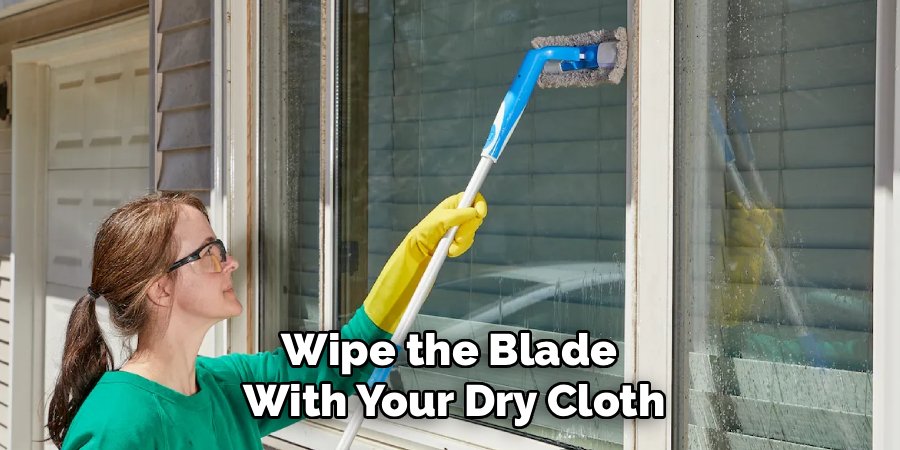
For the edges the squeegee misses, run your dry microfiber cloth along the perimeter.
Dry and Buff the Frame
Wipe the frame and sill with your second dry cloth. Water pooling in the frame corners can, over time, work its way toward the seal — and a failed seal is what causes permanent fogging between the panes.
Give the glass one final buff with a dry cloth held up to the light. Angle your head so you catch any missed streaks.
Safe Products vs. Products to Avoid
| Safe to Use | Avoid |
| White vinegar solution | Ammonia-based cleaners (can degrade some coatings and seals) |
| Mild dish soap and water | Abrasive powders or scouring pads |
| Microfiber cloths | Paper towels (leave lint, can scratch coated glass) |
| Rubber squeegee | Razor blades or metal scrapers |
| Distilled water | Bleach |
| Soft sponge | High-pressure hoses or power washers |
Common Mistakes to Avoid
- Cleaning in direct sunlight. The heat dries your solution too fast and bakes streaks right onto the glass. Wait for shade or an overcast day.
- Using too much liquid. Excess water seeps into the frame and edges, and moisture near the seal is the enemy of double pane windows.
- Trying to clean fog between the panes. If you see haze inside the glass, the seal has failed. No cleaner reaches that space — the pane needs professional repair or replacement.
- Reaching for paper towels. They shed lint and can leave micro-scratches on any low-E coating.
- Ignoring the tracks. Dirty tracks trap moisture and grit that migrate onto the glass every time you open the window.
Safety and Warnings
Glass cleaning is low-risk, but a few things deserve caution.
Never mix cleaning products. Combining bleach and ammonia creates toxic fumes. Stick to one solution at a time, and if you switch products, rinse your bottle first.
Ventilate the room if you use any commercial cleaner, and keep windows open while you work.
Test any new product on a small, hidden corner of the glass first — especially on coated or tinted windows, where some cleaners strip the finish.
Mind the temperature. As my cracked-sunroom client learned, don’t hit hot glass with cold water or cold glass with hot water. The rapid change stresses the panes. Clean when the glass is at a moderate, even temperature.
Skip razor blades and metal scrapers. They scratch tempered and coated glass permanently. If you have dried paint or stickers, soften them with warm soapy water and lift gently with a plastic scraper instead.
Maintenance and Prevention Tips
A little upkeep stretches the time between deep cleans and protects that all-important seal.
- Wipe condensation promptly. In winter, moisture builds up on the interior glass overnight. A quick morning wipe keeps water away from the frame and seal.
- Vacuum the tracks monthly. This is the single habit most people skip, and it’s what keeps grit from grinding into your glass.
- Buff with a dry cloth weekly. A quick dry pass removes dust before it bonds with humidity.
- Check the seal seasonally. Look for fogging or moisture between the panes each time the weather shifts. Catching a failing seal early saves you money.
- Keep gutters clear. Overflowing water splashing dirt onto your windows is a hidden cause of constant grime.
Clients used to ask me why their neighbor’s windows always looked cleaner — nine times out of ten, it came down to that weekly dry buff, not fancier cleaner.
Frequently Asked Questions
Why does my double pane window look foggy inside?
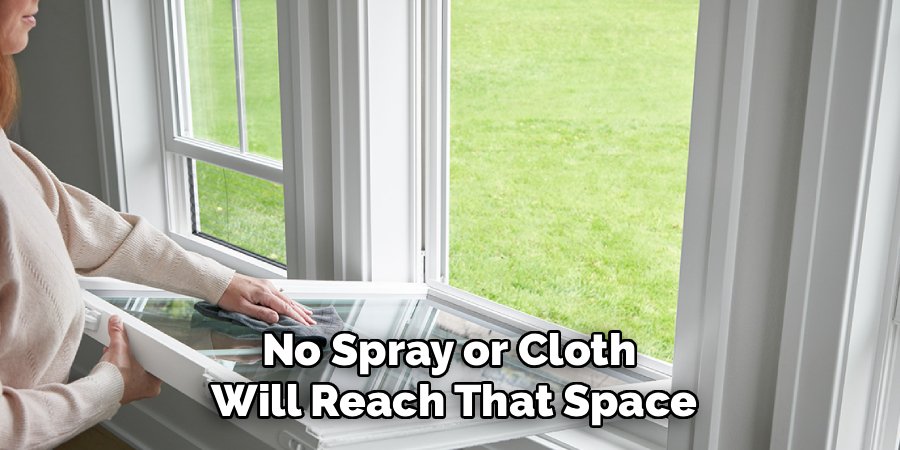
The fog sits between the two panes, which means the seal has failed and the insulating gas has escaped. You can’t clean it from either side. The unit needs repair or replacement by a professional — no spray or cloth will reach that space.
Can I use vinegar to clean double pane windows?
Yes. A diluted white vinegar solution (one part vinegar to two parts water) is one of the safest choices. It cuts grime without the harsh chemicals that can damage coatings or seals. Just avoid soaking the frame edges.
What is the best way to clean windows without streaks?
Clean in the shade, use a damp — not soaking — cloth, and finish with a rubber squeegee pulled top to bottom in overlapping strokes. Wipe the squeegee blade between passes and buff the edges with a dry microfiber cloth.
Can I use Windex on double pane windows?
Standard ammonia-based glass cleaners can degrade seals and strip low-E coatings over time. Choose an ammonia-free formula or a simple vinegar or dish soap solution instead, and always test a hidden spot first.
How often should I clean double pane windows?
A deep clean twice a year — spring and fall — handles most homes. In between, a quick dry buff every week or two and monthly track vacuuming keep them clear. Coastal or high-pollen areas may need more frequent attention.
Is it safe to pressure wash double pane windows?
No. The force can breach the seal, drive water into the frame, and even crack the glass. Stick to hand cleaning with gentle pressure.
Final Thoughts
Treat the seal with respect, keep your solution light, and finish every clean with a dry buff — that’s the whole trick. Do this a couple of times a year and your windows stay clear, sealed, and streak-free far longer than you’d expect.
