
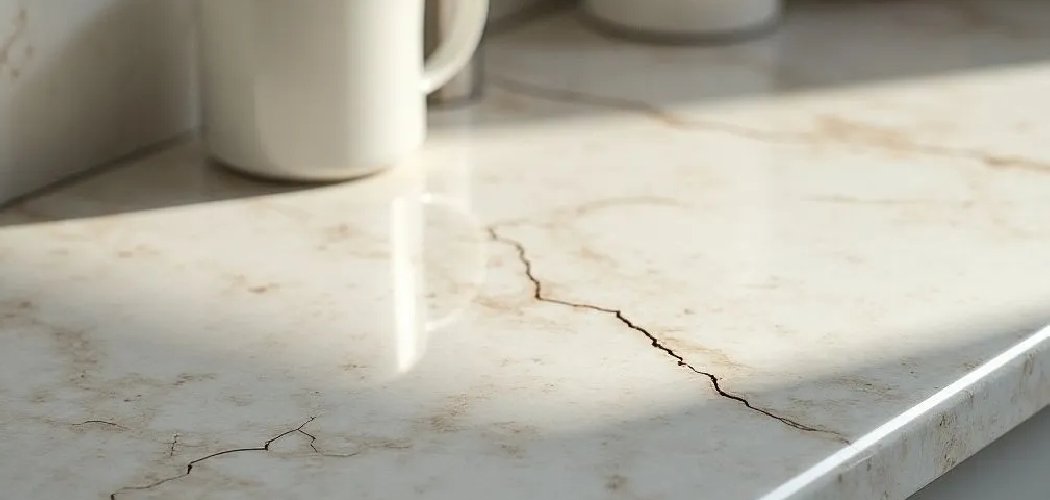
A woman I used to clean for made a beautiful marble-look epoxy island the centerpiece of her whole kitchen — then set a cast-iron skillet straight off the stove onto it while plating dinner. By the time she noticed, there was a dull, slightly sunken ring baked into the resin that no cleaner on earth was going to lift. Heat and harsh chemicals are what wreck these surfaces, not everyday spaghetti sauce.
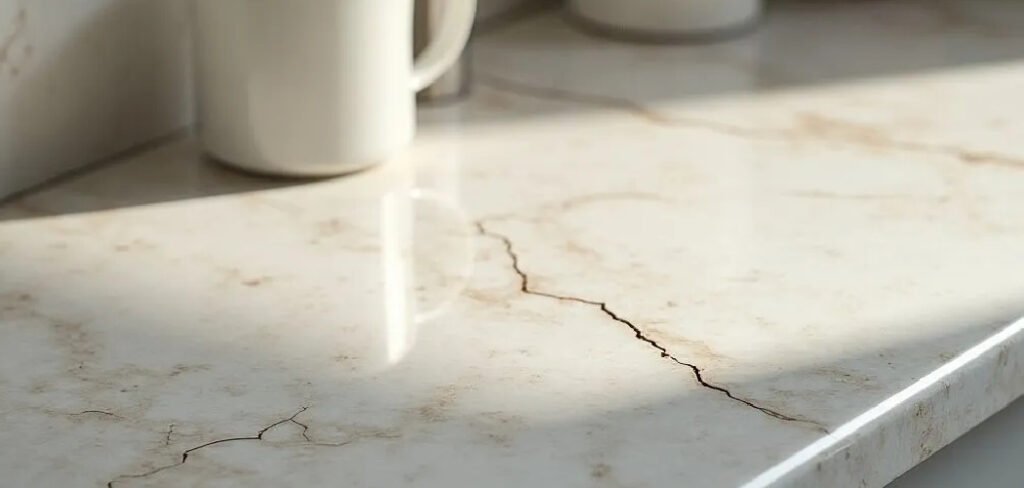
Once you understand that epoxy is a plastic-based resin coating, the rest falls into place. Knowing how to clean epoxy countertops is mostly about being gentle and consistent, because the finish scratches and dulls far more easily than granite or quartz. Get into a simple routine and the surface stays glossy for years.
What You’ll Need
Nothing exotic here. The whole point is keeping the abrasive, acidic stuff away from the resin.
- A soft microfiber cloth (two or three, actually)
- A non-abrasive sponge — the soft side only
- Warm water
- A few drops of mild dish soap
- A spray bottle for your cleaning solution
- Isopropyl alcohol (70%) for stubborn spots
- A soft, dry towel for buffing
- A plastic scraper or old credit card for dried-on gunk
- Food-safe mineral oil or a countertop wax (for upkeep, more on that later)
Leave the glass cleaner, the bleach spray, and anything with “scrubbing” or “citrus power” on the label in the cupboard. Those are the products that fog the finish over time.
Wipe Down Daily with Soap and Warm Water
Your everyday clean is almost boring, and that’s the point. Mix a few drops of dish soap into a spray bottle of warm water — you want it barely soapy, not sudsy. Mist the surface lightly, then wipe with a damp microfiber cloth.
Work in the direction of the light coming through your kitchen window so you can spot streaks as you go. Follow up with a dry microfiber cloth to buff away moisture, because standing water on a glossy resin can leave faint spots as it evaporates, especially if your tap water runs hard.
Lift Sticky Spills and Dried Food Without Scratching
Dried syrup, candle wax, and stuck-on food are where people reach for the scouring pad and cause real damage. Don’t. Soften the spot first by laying a warm, damp cloth over it for a couple of minutes.
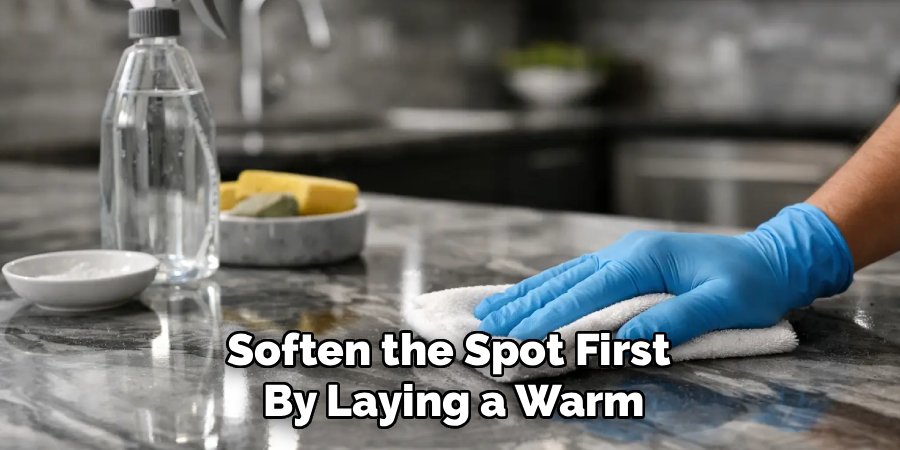
Once it loosens, slide a plastic scraper or the edge of an old credit card under it at a low angle. Plastic won’t gouge the resin the way a metal knife or blade will. Finish with your regular soap-and-water wipe to clear any residue.
Tackle Stubborn Marks with Isopropyl Alcohol
For coffee rings, ink, or a greasy film that soap won’t shift, 70% isopropyl alcohol is your friend. It cuts through the gunk without the acidity that eats at the finish.
- Dab a small amount onto a clean microfiber cloth — never pour it straight onto the counter.
- Rub the spot gently in small circles.
- Wipe the area with a plain damp cloth to remove any alcohol residue.
- Buff dry with a soft towel.
- If the mark persists, repeat rather than pressing harder — patience beats pressure on resin every time.
Clients always asked me why their “kitchen-safe” disinfectant wipes left a hazy film on epoxy. Most of those wipes are mildly acidic or full of surfactants that build up on a sealed surface. Alcohol and water rinse clean; the wipes don’t.
Restore the Shine After Cleaning
Epoxy looks its best when the surface is spotless and fully dry. After a deeper clean, go over the whole counter with a dry microfiber cloth in long, overlapping strokes. This buffs out water marks and brings back that wet-look gloss people pay for.
If the shine still looks flat in spots, that’s usually a sign the finish needs conditioning — not more cleaning. I’ll cover that in the maintenance section.
What to Use vs. What to Avoid
| Use This | Avoid This |
| Mild dish soap and warm water | Bleach or ammonia-based cleaners |
| 70% isopropyl alcohol for spots | Vinegar, lemon, or acidic cleaners |
| Soft microfiber cloths | Abrasive scrub pads or steel wool |
| Non-abrasive sponge (soft side) | Scouring powders like Comet |
| Plastic scraper for stuck-on food | Metal knives or blades on the surface |
| Trivets and cutting boards | Placing hot pans directly on the resin |
| Food-safe mineral oil for shine | “Citrus power” degreasers |
| Buffing dry after every clean | Letting water air-dry on the surface |
The vinegar row catches people off guard. It gets pushed as the natural do-it-all cleaner, but its acidity slowly dulls and etches the resin. Natural doesn’t mean safe for a plastic-based coating.
Common Mistakes to Avoid
Setting hot pans on the surface. This is the big one. Epoxy softens under high heat and holds the damage permanently. Always use a trivet, even for a warm baking dish.
Cutting directly on the counter. A knife blade slices right into the resin and leaves gouges that catch grime. Use a cutting board, every time.
Scrubbing with abrasives. Steel wool, green scour pads, and powdered cleansers scratch the gloss into a dull, cloudy patch. Once those micro-scratches are in, they don’t buff out.
Using acidic cleaners. Vinegar, lemon, and citrus degreasers eat at the finish over months of use. The dulling creeps up so slowly you don’t notice until the shine is gone.
Letting spills sit. Wine, coffee, turmeric, and mustard can stain a resin surface if they sit for hours. Wipe them fresh.
Over-relying on disinfectant wipes. The residue builds into a haze. Fine in a pinch, but not as your everyday clean.
Safety and Warnings
Cleaning epoxy countertops is low-risk, but a few habits keep you and the surface safe.
- Never mix cleaning products. You shouldn’t need bleach or ammonia on epoxy at all, but if either is nearby, keep them apart — combined, they release toxic gas.
- Ventilate when using alcohol. Isopropyl fumes are strong in a closed kitchen. Crack a window or run the exhaust fan while you work with it.
- Keep alcohol away from open flame. It’s flammable, so don’t use it near a lit gas burner or candle.
- Test a new product in a hidden spot first. Before trying any cleaner you haven’t used, dab it on an out-of-the-way corner, let it dry, and check that it didn’t dull or discolor the finish.
- Mind food-contact surfaces. If you prep food directly on the counter, rinse away any alcohol or soap residue with plain water afterward and dry it.
- Watch the slip factor on floors. Alcohol and soapy water dripping down cabinet fronts onto the floor can get slick — wipe drips as you go.
Maintenance and Prevention Tips
The counters that still looked showroom-fresh years down the line belonged to people who protected the surface, not the ones who scrubbed it hardest.
- Use trivets and hot pads religiously. Heat is the number one killer of epoxy. Never let anything straight off the stove or out of the oven touch it.
- Always cut on a board. Protecting against scratches keeps the gloss intact longer than any polish.
- Wipe spills right away. Especially wine, coffee, and turmeric — the pigments that can stain if they linger.
- Condition the surface a few times a year. A thin coat of food-safe mineral oil, rubbed in with a soft cloth and buffed off, revives the depth and shine. Countertop wax does the same for a longer-lasting layer.
- Keep small appliances on mats. Coffee makers and kettles that vent steam or heat downward can dull the resin underneath over time.
- Avoid sitting or standing on it. Epoxy over a substrate can flex and crack under concentrated weight, so don’t use the counter as a step stool.
- Buff dry after every wet clean. Two minutes of buffing keeps water spots from building into a permanent haze.
FAQ
What is the best cleaner for epoxy countertops?
Mild dish soap in warm water handles almost everything for daily cleaning. For stubborn spots like coffee rings or grease, 70% isopropyl alcohol on a soft cloth cuts through without harming the finish. Skip anything acidic, abrasive, or bleach-based.
Can you use vinegar on epoxy countertops?
No. Vinegar is acidic, and repeated use slowly dulls and etches the resin. It gets recommended as a natural cleaner everywhere, but “natural” doesn’t mean safe for a plastic-based coating. Stick with soap and water or alcohol.

Can you put hot pans on epoxy countertops?
You shouldn’t. Epoxy softens under high heat and can leave a permanent dull ring or sunken mark. Always use a trivet or hot pad, even for warm dishes, not just scorching ones.
How do you get stains out of epoxy countertops?
For fresh stains, wipe immediately with soap and water. For set-in marks like coffee, ink, or grease, rub gently with 70% isopropyl alcohol on a microfiber cloth, then wipe clean with plain water. Repeat if needed rather than scrubbing harder.
Why does my epoxy countertop look cloudy or dull?
Usually it’s residue buildup from disinfectant wipes or acidic cleaners, or micro-scratches from abrasive pads. Clean with alcohol and water to strip the film, then condition with a little food-safe mineral oil to bring the shine back. If scratches caused it, only refinishing restores the gloss.
Are epoxy countertops food safe to prep on?
Cured epoxy is generally food safe once fully hardened, but you’re better off using a cutting board to avoid scratches and stains. If you do prep directly on it, rinse away any cleaner residue with plain water first and dry the surface.
Keep hot pans on trivets, wipe spills before they set, and buff the surface dry after every wet clean — that trio does most of the work. A few minutes of conditioning a couple times a year keeps the gloss deep and glassy instead of fading to a tired matte finish.
