
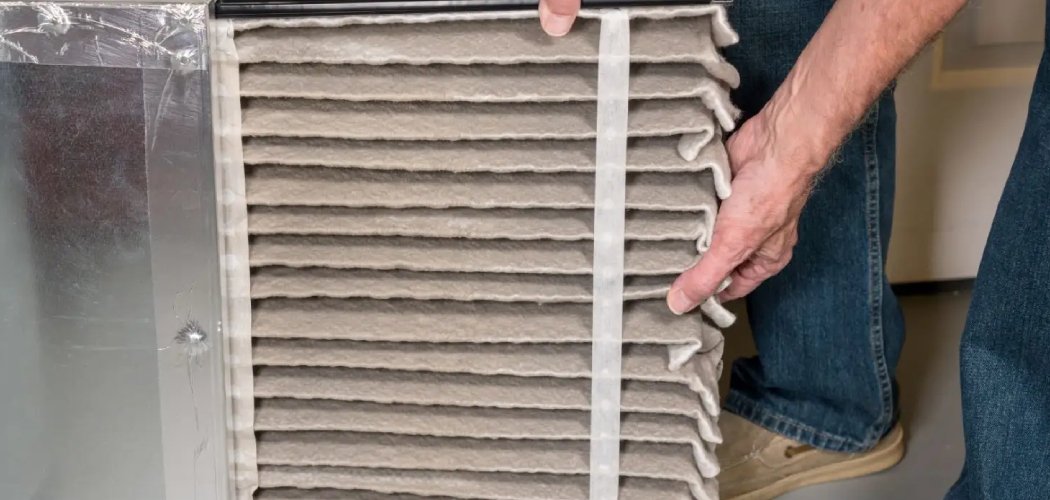
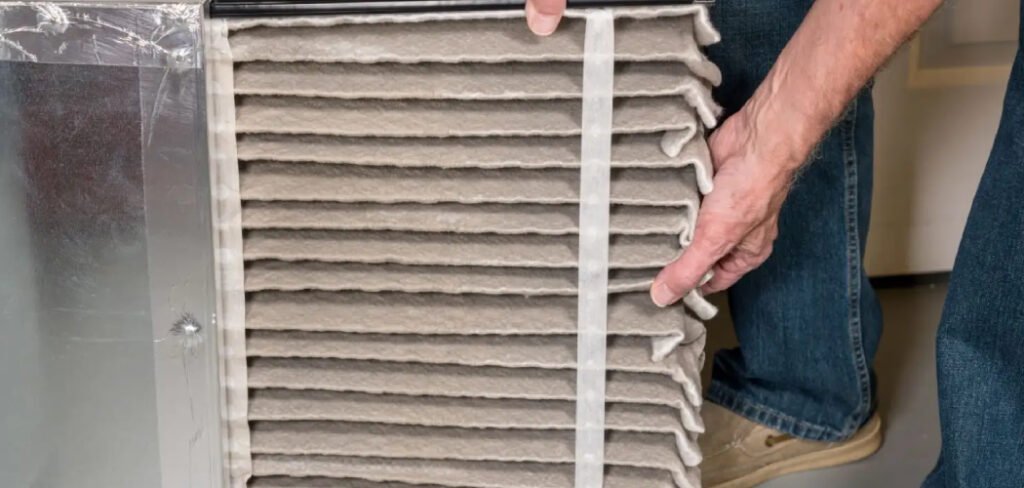
A homeowner once handed me an electrostatic filter that had gone completely dead — no static grab left, dust blowing right past it into the vents. Turned out he’d been drying it in front of a space heater every month to speed things up. The heat had cooked and slicked the polypropylene layers, and once that self-charging weave gets glazed over, it stops holding a charge for good.
The whole point of this filter is that friction from moving air builds a static charge that pulls dust in like a magnet. Knowing how to clean an electrostatic air filter without wrecking that charge is the difference between a filter that lasts a decade and one you’re tossing in a year. It takes about ten minutes of hands-on work, and the golden rule is gentle water and full air-drying — nothing more aggressive than that.
What You’ll Need
- A garden hose with an adjustable spray nozzle (or a handheld showerhead at a utility sink)
- Mild dish soap — plain, grease-cutting, no bleach or citrus boosters
- A large basin, laundry sink, or bathtub
- A soft-bristle brush or a clean sponge
- White vinegar (optional, for odor or greasy buildup)
- Rubber gloves
- A dust mask, N95 if you have one
- Clean microfiber or lint-free rags
- A drop cloth or old towels for the floor
- An airy spot to dry the filter flat or upright
Leave the pressure washer in the garage. The high-velocity spray tears the media frame and can flatten the electrostatic layers, and once that weave is damaged the charge won’t hold.
Shut Off the System and Pull the Filter Straight Out
Kill the power at the thermostat, then flip the dedicated switch on your furnace or air handler. You don’t want the blower firing up with an open filter slot and hauling raw dust straight into the ductwork.
Slide the filter out slowly and keep it flat as it clears the slot so the loose surface dust doesn’t dump onto your floor or fall back into the return. Look for the airflow arrow stamped on the metal frame and make a mental note — that arrow has to point toward the blower when it goes back in.
Check the Frame Before You Commit to Cleaning
Electrostatic filters ride in a metal or heavy plastic frame, and that frame takes abuse over time. Hold it up and look for bent corners, separated seams, or spots where the media has pulled loose from the edge. If the frame’s warped, the filter won’t seat flush and air sneaks around it unfiltered. Small dings you can bend back; a torn or gapping media panel means it’s time to replace, not wash.
Dry-Vacuum or Tap the Loose Dust First
Take the filter outside or hold it over a trash can and tap the frame against a hard edge to shake off the heavy surface debris. Then run a vacuum with a brush attachment over both faces. This dry pass matters — if you hit a caked filter straight with water, the dust turns to paste and works deeper into the layers instead of rinsing free.
Wear your mask here. A season of trapped dust, dander, and pollen comes off in a cloud, and that’s exactly the stuff you bought the filter to keep out of your lungs.
Rinse With Low-Pressure Water — Backward
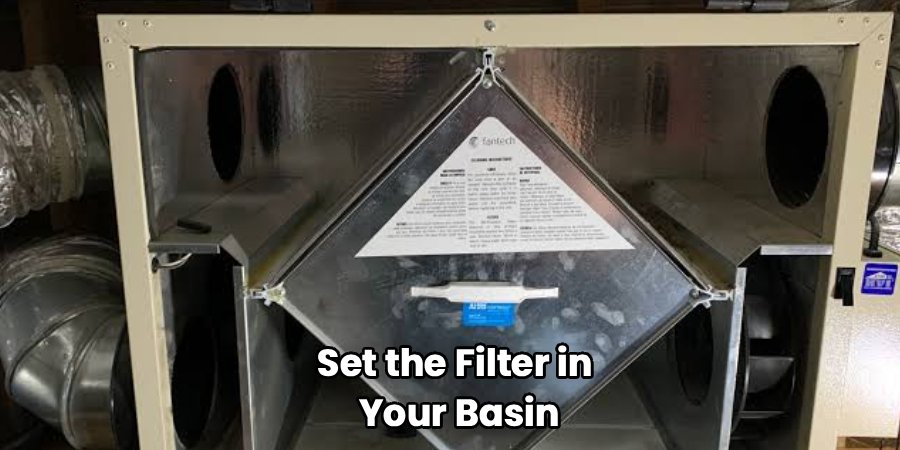
Set the filter in your basin or take it outside, and rinse with a gentle spray. Aim the water against the airflow arrow so you’re flushing trapped dirt back out the way it came in, not driving it deeper into the media.
Start at the top and work down. Keep the pressure soft and even. Watch the runoff — it’ll come off muddy gray at first and gradually run clear, which tells you the bulk of the grime is out.
Wash Off the Greasy Film With Mild Soap
If your return sits anywhere near a kitchen, the filter picks up a fine cooking-grease film, and that oily layer is what makes dust stick and smell. Plain water won’t move it. Mix a few drops of mild dish soap into a basin of lukewarm water, or add a cup of white vinegar if the filter’s gone musty.
Lay the filter in and let it soak 10 to 15 minutes. Then work both faces gently with your soft brush or sponge, moving with the grain of the media. Don’t scrub hard — you’re lifting film, not scouring a pan. Aggressive scrubbing crushes the layered weave that generates the charge.
Rinse Clean and Drain the Water
Rinse both sides under low-pressure water until there’s zero soap left. Leftover residue is a dust trap — it’ll load the filter back up faster than before — so keep going until the water runs clear and doesn’t feel slick.
Shake the filter firmly to fling out the standing water, then stand it on a corner and let gravity pull the rest down. Blot the metal frame edges with a rag so they don’t sit wet.
Air-Dry It Completely Before Reinstalling
This is the step that separates a filter that lasts from one that dies early. Air-dry it fully — stand it upright or lay it flat on a rack somewhere with good airflow. Depending on humidity, that’s a few hours to overnight.
No heat. No hair dryer, no space heater, no sunny dashboard. Clients used to ask me why their “self-charging” filter quit working, and nine times out of ten they’d been drying it with heat. The polypropylene layers glaze over and lose their ability to build static. Let it dry at room temperature and it keeps its grab.
Dos and Don’ts
| Do This | Don’t Do This | Why It Matters |
| Vacuum or tap off dust before wetting | Hose down a dry, caked filter first | Dry dust plus water makes paste that clogs deeper |
| Rinse against the airflow arrow | Rinse the same direction air flows | Flushes trapped dirt out instead of driving it in |
| Use mild dish soap or vinegar | Use bleach, degreasers, or solvents | Harsh chemicals break down the self-charging layers |
| Air-dry at room temperature | Speed-dry with heat | Heat glazes the media and kills the static charge |
| Use low-pressure water | Blast it with a pressure washer | High pressure tears the frame and flattens the weave |
| Reinstall with the arrow toward the blower | Slide it in backward | A backward filter drops airflow and filters poorly |
Common Mistakes to Avoid
Most dead electrostatic filters I saw came down to a few repeat offenders:
- Drying with heat. The number-one killer. Heat glazes the polypropylene and the filter stops holding a charge permanently.
- Reinstalling it wet. Damp media cakes with dust within days, and moisture in a dark return duct invites mold.
- Skipping the dry-dust step. Hitting a loaded filter straight with water turns debris into a paste that’s harder to rinse out.
- Rinsing the wrong direction. Spraying with the airflow pushes dirt deeper instead of flushing it free.
- Reaching for strong chemicals. Bleach and solvents strip the layers that generate static.
- Ignoring the airflow arrow. Reinstalled backward, the filter fights the airflow and lets more debris through.
- Scrubbing too hard. Crushing the weave permanently reduces how well it holds a charge.
Safety and Warnings
Nothing here is chemically dangerous the way solvent-heavy jobs are, but a few points protect you and your equipment.
Cut the power first, every time. Never clean or reinstall with the system running. An open filter slot with the blower on pulls dust and debris straight into the ductwork.
Never mix cleaning products. Mild dish soap OR a vinegar soak — pick one, and never add bleach or ammonia. You don’t need aggressive chemistry here, and mixing products can release fumes that circulate through your home the moment the system kicks on.
Protect the media from force and heat. Electrostatic filters are built to be washed, but only under low-pressure, room-temperature water. High pressure tears the frame; heat destroys the charge. Both damage the filter permanently.
Dry it fully — this is a real hazard. A damp filter in a dark, still return duct is prime mold territory, and HVAC mold spreads spores through every room. If it isn’t bone dry, it doesn’t go back in.
Wear a mask and gloves. The dust knocked off a used filter isn’t something to breathe, and gloves keep grime and soap off your skin during the soak.
How to Keep Your Filter Cleaner Longer
A simple routine stretches the time between washes and keeps your airflow strong.
- Check it monthly, wash it every one to three months. Homes with pets, smokers, or heavy cooking need the shorter end; a quiet household can stretch it.
- Time your deep cleans around the seasons. Wash before late summer when the AC runs hardest, and again in early fall before the furnace takes over. Those two windows keep you ahead of peak use.
- Keep a backup filter on hand. Rotating two lets you drop in a dry one immediately while the other dries on its own schedule — no temptation to rush the drying.
- Vacuum between full washes. A quick dry pass mid-cycle knocks down surface dust and pushes back the next deep clean.
- Keep the return area clean. Dust and vacuum near the vent so the filter isn’t pulling extra debris off a dirty floor.
- Run your range hood while cooking. Less grease reaching the return means less oily film — and that film is what shortens a filter’s clean life fastest.
Frequently Asked Questions
How often should you clean an electrostatic air filter?
Check it every month and wash it every one to three months. Pets, smokers, and heavy cooking push you toward the shorter end. Hold the filter up to a light — if you can’t see any glow through the media, it’s clogged and due, regardless of the calendar.
Can you wash an electrostatic filter with water?
Yes — these are made to be washed. Use low-pressure water and mild dish soap, rinse against the airflow arrow, and let it air-dry completely at room temperature. Just skip pressure washers and any heat source, both of which permanently damage the filter.
How long does an electrostatic filter take to dry?
Anywhere from a few hours to overnight, depending on humidity and airflow. Stand it upright or lay it flat in a well-ventilated spot. Never use a hair dryer, heat gun, or heater to speed it up — heat glazes the media and kills the static charge.
Do electrostatic air filters lose their charge over time?
The charge itself regenerates from airflow, so a clean filter keeps working for years. What actually kills it is damage: heat glazing, crushed layers from hard scrubbing, or a torn frame. Treat it gently and it holds its grab for a decade or more.
What happens if you put a wet electrostatic filter back in?
Two problems, both bad. The damp media cakes with dust almost immediately and chokes your airflow, and trapped moisture in the dark return duct can grow mold that circulates through the house. Dry it 100% before it goes back in.
Why isn’t my electrostatic filter catching dust anymore?
Usually it’s been damaged — heat-dried, scrubbed too hard, or torn at the frame so air bypasses it. Check for a warped frame or glazed, slick-looking media. If the weave looks crushed or the panel has pulled from the edge, cleaning won’t revive it and it needs replacing.
Final Thoughts
An electrostatic filter is a long-term investment only if you protect the charge that makes it work. Rinse it gentle and backward, wash off the grease with mild soap, and let it dry at room temperature — never with heat. Do that, and one filter carries you for years instead of quitting on you by spring.
