The first time a homeowner called me in a panic about a “backed-up sink that wouldn’t drain no matter what,” the culprit wasn’t the sink at all. It was a septic filter caked solid with two years of neglect, sitting inside a tank nobody had opened since the day it was installed. That clog cost them a $280 plumber visit for something they could have handled in fifteen minutes with a garden hose.
Learning how to clean a septic filter is one of the easiest ways to protect your whole system from a costly failure. This guide walks you through the exact process I used on hundreds of jobs, so you can do it yourself and skip the emergency call.
What You’ll Need
Gather everything before you lift the lid. Nothing’s worse than standing over an open tank realizing your gloves are in the garage.
- Heavy-duty rubber gloves (elbow-length if you have them)
- Safety glasses or goggles
- A garden hose with a spray nozzle
- An old 5-gallon bucket
- A flathead screwdriver or pliers (some filter caps need a twist or pry)
- A dust mask or respirator
- Old clothes you don’t mind ruining
- A tarp or old towel to set the filter on
- A flashlight or headlamp
- Optional: a soft-bristle brush for stubborn buildup
Locate and Open the Filter Housing
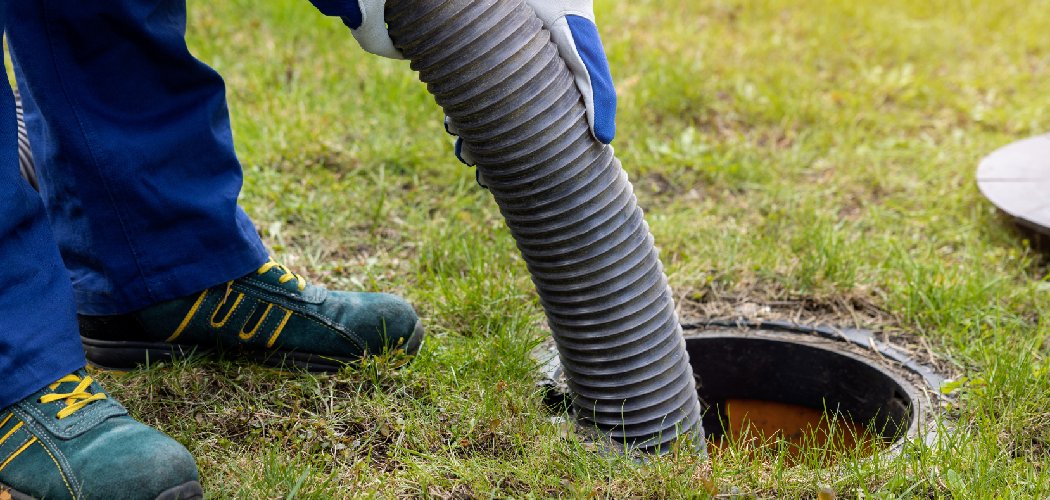
Your septic filter sits inside the outlet tee of the tank, on the side closest to your drain field. On most residential systems, it’s under a green or black plastic lid at ground level, or beneath a concrete riser cap.
Find the access port over the outlet side. If your tank has two lids, the filter is almost always under the one farther from the house. Pry the lid off carefully and set it aside where nobody will trip over it or step into the opening.
Check the Effluent Level First
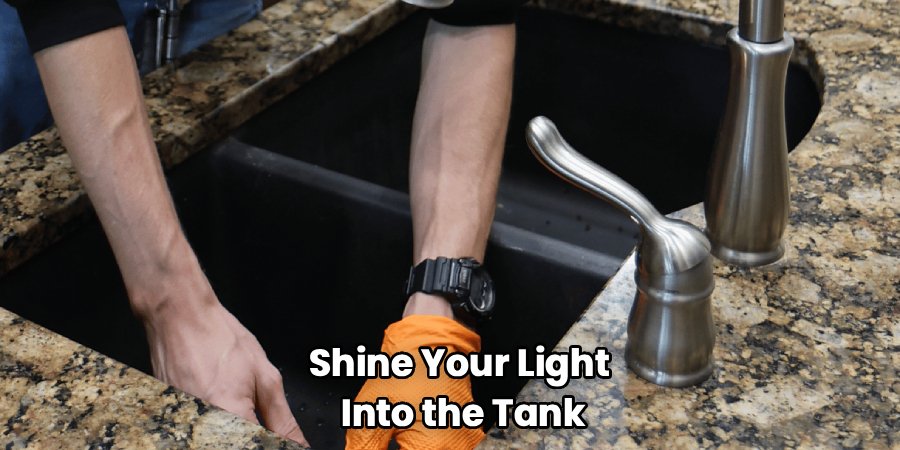
Before you touch anything, shine your light into the tank. The liquid level should sit at or just below the outlet pipe. If it’s overflowing above the outlet, you’ve likely got a clogged filter or a drain field problem, and that’s useful information for later.
Pull the Filter Cartridge Straight Up
Grip the filter handle and lift it straight up and out. Don’t yank it sideways or twist unless the housing design requires it. Most cartridges slide out cleanly, though a heavily clogged one may resist because of the sludge sealing it in place.
Set it directly over your bucket. Sewage will drip, and you want it contained, not running down your arm. This is the moment your old clothes earn their keep.
Rinse the Filter Thoroughly
Take the cartridge to a spot away from the tank opening, over grass or gravel where runoff won’t matter. Spray it top to bottom with the hose, letting all the solids fall back toward the tank area or into your bucket for disposal.
Work the water into the grooves and slots. A clean filter should let you see light through the mesh or fins. For baked-on gunk, use your soft brush, but skip anything abrasive that might scratch or crack the plastic ribs.
A Detail Most People Miss
Rinse everything back toward the tank, not away from it. The bacteria living in that effluent are the good guys, and washing them into the yard does nothing but waste them. I always tell folks the solids belong in the system, not on the lawn.
Reinsert the Filter and Reseal
Once the filter runs clear, slide it back into the housing the same way it came out. Push it down until it seats fully. A filter sitting even half an inch high can let solids slip past into your drain field, which is exactly what you’re trying to prevent.
Replace the lid, press it down until it’s secure, and you’re done. Peel off your gloves inside-out and wash up well.
Dos and Don’ts at a Glance
| Do This | Avoid This |
| Rinse with a garden hose | Use a pressure washer (it damages the mesh) |
| Wear gloves and eye protection | Reach in bare-handed |
| Rinse solids back toward the tank | Wash effluent onto your lawn or garden |
| Clean it every 6–12 months | Wait until drains back up |
| Seat the filter fully before closing | Force a filter that won’t drop in |
| Use plain water | Pour bleach or drain cleaner on it |
Common Mistakes to Avoid
The biggest mistake I saw over the years wasn’t dirty technique, it was total neglect. People assume a septic system runs itself until the day it stops.
- Skipping the filter entirely. Many homeowners don’t even know they have one. If your tank was installed after the early 2000s, you almost certainly do.
- Cleaning it right before a pump-out. If your tank is due for pumping, do the filter afterward so the technician can inspect it and confirm it’s seated right.
- Using harsh chemicals. Bleach and drain cleaners kill the bacteria your system depends on. Plain water is all the filter needs.
- Forcing a stuck filter. If it won’t lift, wiggle it gently. Cracking the cartridge means buying a replacement.
- Leaving the lid loose. An unsecured lid is a serious fall hazard, especially with kids or pets around.
Safety and Warnings
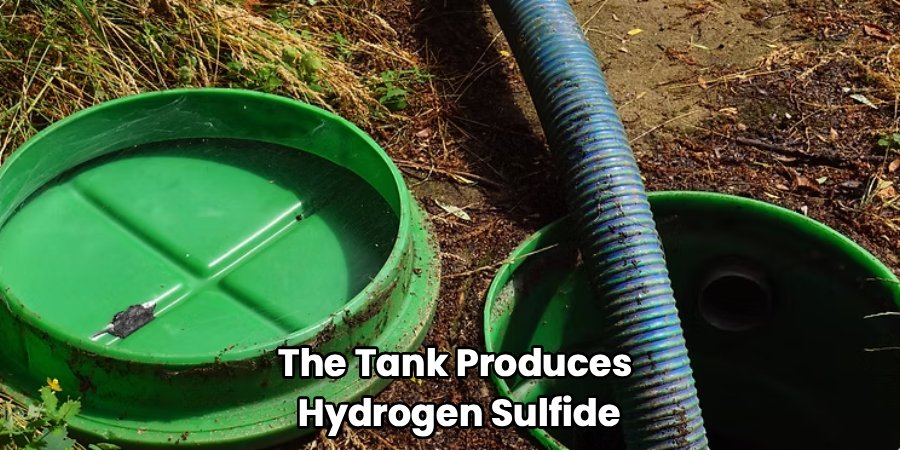
Septic gases are no joke. The tank produces hydrogen sulfide and methane, which can be toxic and, in confined spaces, deadly.
- Never lean your head into an open tank. Do all your work from above ground, standing to the side.
- Never enter a septic tank. People have died from gas exposure in seconds. No cleaning job is worth that risk.
- Keep the area ventilated and work on a breezy day if you can.
- Wear a mask, gloves, and eye protection. Effluent carries bacteria and pathogens you don’t want on your skin or in your eyes.
- Don’t mix any chemicals near the tank. You don’t need cleaning products for this job, so there’s no reason to bring bleach, ammonia, or anything else near the opening.
- Keep children and pets far back while the lid is off. An open riser is a fall hazard.
If you ever feel dizzy or lightheaded near the tank, step away into fresh air immediately.
Maintenance and Prevention Tips
A little routine care keeps the whole system healthy and stretches the time between professional service calls.
- Set a reminder to clean the filter every 6 to 12 months. Larger households or homes with garbage disposals should lean toward the shorter interval.
- Time it with the seasons. I always recommend a spring cleaning. Cold winter ground makes tanks harder to open, and a filter that clogs in a January freeze is a miserable fix.
- Watch what goes down the drain. Grease, coffee grounds, wipes labeled “flushable,” and paper towels all overload the system and clog filters faster.
- Space out your laundry. Running six loads in one day floods the tank and pushes solids toward the outlet before they settle. Spread washing across the week.
- Pump the tank every 3 to 5 years. The filter catches what it can, but the tank still needs professional pumping on schedule.
- Keep a maintenance log. Jot down the date each time you clean the filter. It helps you spot if it’s clogging faster than usual, which can signal a bigger problem.
Frequently Asked Questions
How often should you clean a septic filter?
For most households, once a year is plenty. If you have a large family, use a garbage disposal often, or notice your drains slowing down, bump that up to every six months. When the effluent level sits high in the tank, that’s your signal to clean it sooner regardless of the calendar.
What happens if you don’t clean your septic filter?
The filter clogs and stops letting liquid pass into your drain field. You’ll notice slow drains, gurgling pipes, and eventually sewage backing up into your home. Left long enough, the backup pressure can push solids into the drain field and damage it, which is one of the most expensive repairs a septic system can face.
Can you clean a septic filter yourself?
Yes, and it’s one of the simplest septic maintenance tasks a homeowner can handle. You need gloves, eye protection, a garden hose, and about fifteen minutes. The one rule that matters most: never lean into or enter the tank because of the toxic gases.
Do you need to pump the tank when you clean the filter?
No, these are two separate jobs. Cleaning the filter just clears the mesh at the outlet, while pumping removes the accumulated sludge from the entire tank. Clean the filter yearly and schedule pumping every three to five years.
Why is my septic filter clogging so fast?
Rapid clogging usually points to too much solid material entering the tank or a tank overdue for pumping. Grease, food scraps, and non-flushable products are common culprits. If you’ve cleaned the filter and it clogs again within weeks, call a professional to check your sludge levels.
Can I put bleach or cleaner on my septic filter?
No. Harsh chemicals kill the beneficial bacteria that break down waste in your tank, and they can degrade the filter plastic over time. Plain water from a garden hose does the job perfectly.
Final Thoughts
Cleaning your filter is fifteen minutes of mildly unpleasant work that saves you from a very pleasant surprise on a plumber’s invoice. Put a reminder on your calendar, grab your gloves, and handle it before your drains start warning you the hard way.
