
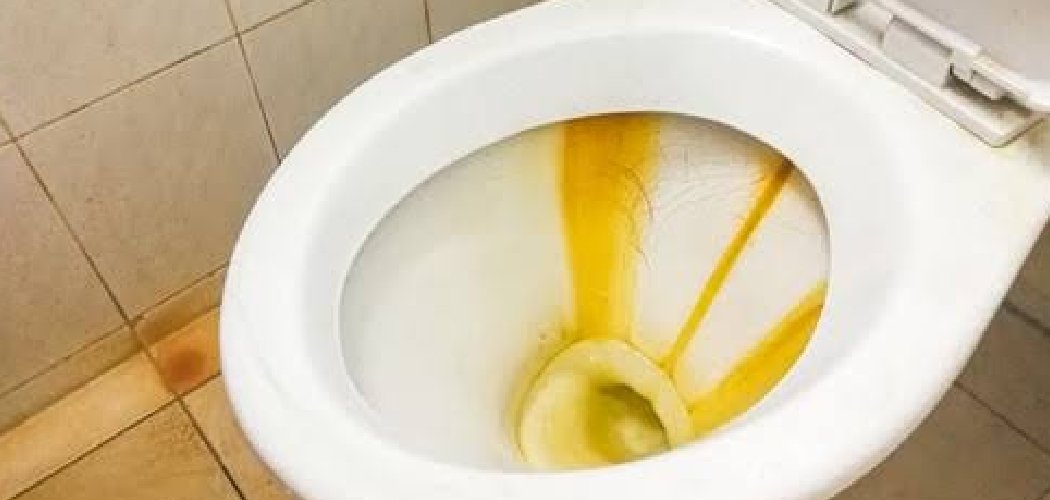
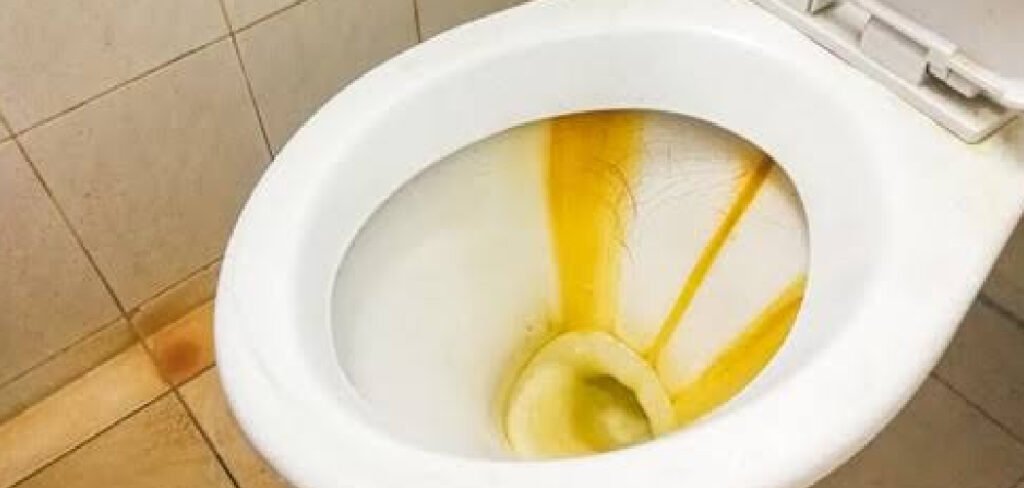
A client once called me convinced her toilet was cracked and leaking something orange, when the real story was a rusty bolt and hard water doing their slow work over two years. She’d been dumping bleach on those stains every week, watching them barely budge, and never realized bleach actually sets rust deeper into the porcelain instead of lifting it.
That single mistake is the reason most rust stains never go away. When you learn how to clean rust in a toilet bowl the right way, you’ll skip the bleach entirely and reach for acids that dissolve the iron instead. It’s easier than you’d think, and you probably already own half the supplies.
What You’ll Need
Set everything out before you start so you’re not running around with wet gloves halfway through.
- White vinegar (a full bottle)
- Citric acid powder, or a lemon or two
- Borax or baking soda
- A pumice stone (the kind made for toilets)
- A stiff nylon toilet brush
- Rubber gloves
- Safety glasses
- An old rag or two
- A commercial rust remover like Bar Keepers Friend or a naphthalene/oxalic-acid product (for stubborn cases)
- A cup or small bowl for mixing
- Paper towels
Empty the Bowl Before You Treat the Stain
This is the step everyone skips, and it’s why their cleaner never works. Rust removers get diluted the second they hit standing water, so you want the porcelain nearly dry before anything touches it.
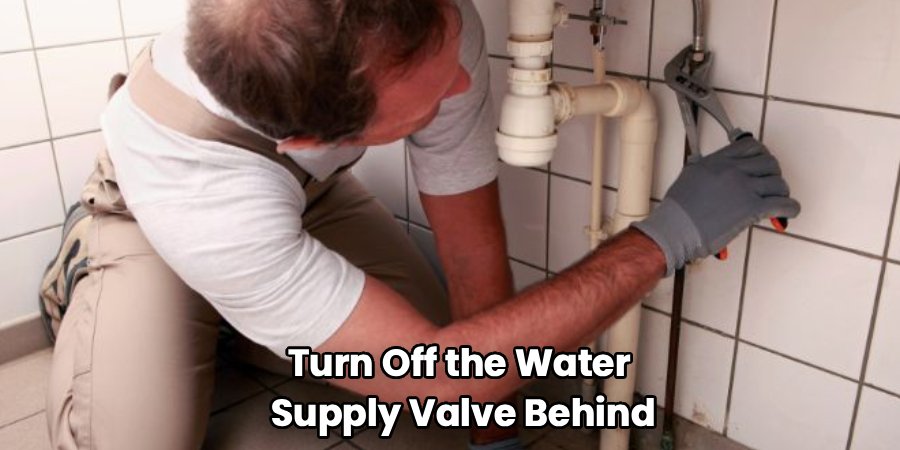
Turn off the water supply valve behind the toilet, then flush and hold the handle down to drain most of the bowl. Use a cup to bail out whatever’s left, and mop the last bit with paper towels. Now your cleaner sits directly on the stain at full strength.
Why Dry Porcelain Matters
Acids work by chemically reacting with the iron oxide. Water thins that reaction and lets your product slide down into the trap before it can do a thing. I’ve watched people burn through half a bottle of remover on a full bowl and get nowhere, then clear the same stain with a quarter of the product on a dry surface.
Start With Vinegar and Citric Acid
For light to moderate rust, mild household acids handle the job without any harsh fumes.
- Pour white vinegar directly over the stain until it’s coated.
- Sprinkle citric acid powder (or squeeze fresh lemon juice) over the wet area.
- Let it sit for a minimum of 30 minutes. For older stains, give it a few hours.
- Scrub with your nylon brush in small circles, keeping pressure on the stain.
- Reapply and repeat if the rust has faded but not vanished.
Citric acid is the quiet hero here. It clings to vertical surfaces better than vinegar alone, so the stains under the rim and along the waterline actually get treated instead of dripping dry in minutes.
Make a Paste for the Stubborn Spots
If the stain sits high on the bowl where liquid won’t stay put, mix borax with just enough lemon juice or vinegar to form a thick paste. Pack it onto the rust, press a paper towel over it to hold it in place, and leave it for an hour. The paste stays where you put it and keeps the acid working the whole time.
Break Out the Pumice Stone for Set-In Rust
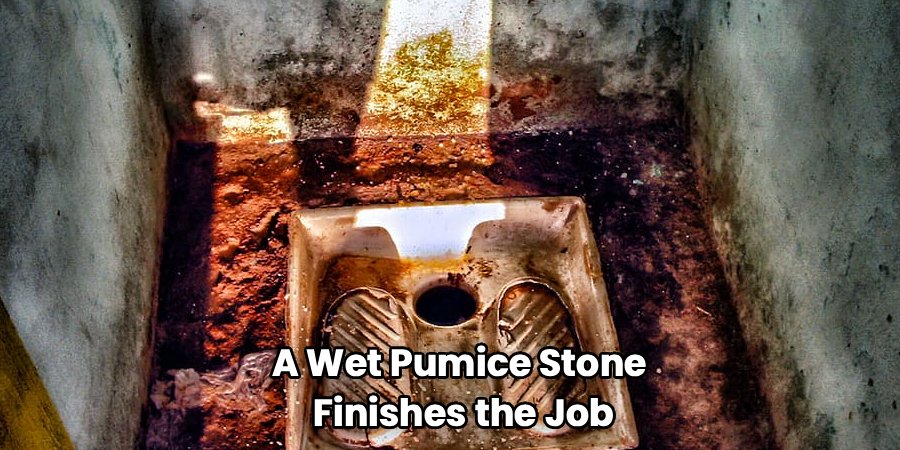
When acids soften the stain but a shadow remains, a wet pumice stone finishes the job. Always wet both the stone and the porcelain first, then rub gently. Dry pumice on dry porcelain will scratch, and those scratches trap future stains faster than ever.
Work in light passes and check often. You’re grinding away a thin mineral crust, not sanding the bowl.
When to Reach for a Commercial Rust Remover
Some stains, especially rust rings that built up over years of well water, need a dedicated oxalic-acid product. Follow the label exactly, apply it to the empty dry bowl, and never leave it longer than the directions say. These work fast and strong, which is exactly why you respect the timing.
Method Comparison: What Works on What
| Method | Best For | Time Needed | Notes |
| Vinegar + citric acid | Light to moderate rust | 30 min–few hours | Cheap, low-fume, kid-and-pet friendly |
| Borax paste | Stains under rim / waterline | 1 hour | Stays put on vertical surfaces |
| Pumice stone | Set-in surface crust | 5–10 min | Must stay wet or it scratches |
| Bar Keepers Friend | Moderate rust + general grime | 10–15 min | Contains oxalic acid; rinse well |
| Oxalic-acid rust remover | Deep, years-old rust rings | Per label | Strongest option; strict timing |
| Bleach | Nothing rust-related | — | Sets rust deeper; avoid entirely |
Common Mistakes to Avoid
The difference between a clean bowl and a permanent stain usually comes down to these few habits.
- Using bleach or chlorine products. They react with iron and lock the stain into the porcelain. This is the number one reason old rust won’t lift.
- Cleaning a full bowl. Standing water dilutes every product you use. Drain first, always.
- Scrubbing dry pumice. You’ll scratch the glaze and create a magnet for future buildup.
- Rushing the dwell time. Acids need minutes to hours to break down rust. Wiping too soon wastes the product.
- Ignoring the source. If a rusty bolt or old supply line is feeding the stain, you’ll be back to scrubbing within weeks.
Safety and Warnings
Rust removal means working with acids, so a few rules keep this simple job from turning into a bad afternoon.
- Never mix bleach with vinegar, citric acid, or any rust remover. Combining bleach with acid releases toxic chlorine gas. If you’ve used bleach in the bowl recently, flush several times and rinse thoroughly before switching to an acid product.
- Ventilate the bathroom. Open a window or run the exhaust fan, especially with commercial oxalic-acid products.
- Wear gloves and safety glasses. Oxalic acid irritates skin and is genuinely dangerous if it splashes in your eyes.
- Keep products in their original containers and away from kids and pets. Oxalic acid is toxic if swallowed.
- Test a hidden spot first if you’re unsure how your porcelain will react, particularly on older or antique fixtures.
- Rinse completely by turning the water back on and flushing several times before anyone uses the toilet.
If you ever catch a sharp chemical smell you can’t place, stop, leave the room, and air it out before going back in.
How to Keep Rust From Coming Back
Getting the bowl clean is half the battle. Keeping it that way saves you from doing this again in a month.
- Find the rust source. Check the tank bolts, the supply line, and any metal parts inside the tank. Corroded hardware drips iron into the bowl constantly. Swap rusty bolts for stainless or plastic ones.
- Treat your water if you’re on a well. High iron content is the usual culprit for recurring stains. A whole-house iron filter or water softener cuts the problem off at the root.
- Do a monthly vinegar rinse. Pour a cup of white vinegar into the bowl, let it sit overnight, and brush in the morning. It stops mineral and iron buildup before it stains.
- Keep the tank clean. Drop in a cup of vinegar, let it sit a few hours, then flush. A rusty tank feeds a rusty bowl.
- Dry the waterline occasionally. Wiping the ring where water meets air removes the film where rust likes to start.
Clients used to ask me why their guest bathroom stained faster than the main one, and it was almost always because that toilet sat unused for weeks. Still water sitting on iron-rich supply lines is prime rust territory, so flushing an idle toilet now and then genuinely helps.
Frequently Asked Questions
Does bleach remove rust stains from a toilet?
No, and it usually makes them worse. Bleach reacts with iron and sets the stain deeper into the porcelain, which is why the rust seems permanent after repeated bleaching. Stick with acids like vinegar, citric acid, or a dedicated oxalic-acid product instead.
What is the fastest way to remove rust from a toilet bowl?
Drain the bowl, apply a commercial oxalic-acid rust remover or Bar Keepers Friend directly to the dry stain, wait the time on the label, then scrub. Working on a dry bowl at full product strength is what makes it fast. For lighter stains, a vinegar and citric acid soak clears them in about an hour.
Will vinegar remove rust from a toilet?
Yes, for light to moderate stains. Pour it directly on a drained bowl, add citric acid or lemon juice to boost it, and let it sit at least 30 minutes before scrubbing. Older, heavier rust rings may need a stronger commercial remover.
Why does my toilet keep getting rust stains?
The two usual causes are corroded metal hardware inside the tank and iron-rich water, common with well systems. Check your tank bolts and supply line for rust, and consider an iron filter if you’re on a well. Fixing the source stops the stains from returning.
Can rust stains be permanent in a toilet?
They can become nearly permanent if you’ve repeatedly used bleach, which bonds the rust to the porcelain, or if scratches in the glaze are holding the iron. Fresh stains treated with acid come off easily. Deep-set ones may need several rounds of oxalic acid and a wet pumice stone.
Is it safe to leave a rust remover in the bowl overnight?
Only mild ones like vinegar. Commercial oxalic-acid products should never sit longer than the label allows, since prolonged contact can etch the glaze and the fumes build up in a closed bathroom. Read the directions and stick to the stated dwell time.
Final Thoughts
Rust in a toilet bowl isn’t a sign you need a new toilet, just the right acid and a little patience. Drain the bowl, skip the bleach, and fix whatever’s feeding the stain so you’re not back here next month.
