
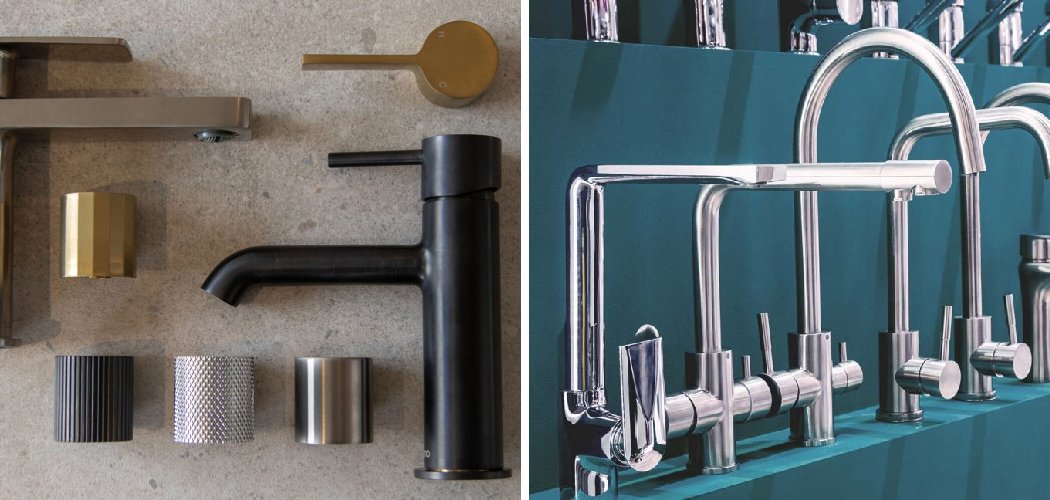
Someone brings me a gorgeous black-gold faucet, brand new, already looking cloudy and streaked after three weeks. The culprit? A “bathroom shine” spray loaded with mild abrasives and acid. On regular chrome, that spray would’ve been fine. On a PVD finish, it slowly ate into the top layer and left a haze that no amount of scrubbing brought back.
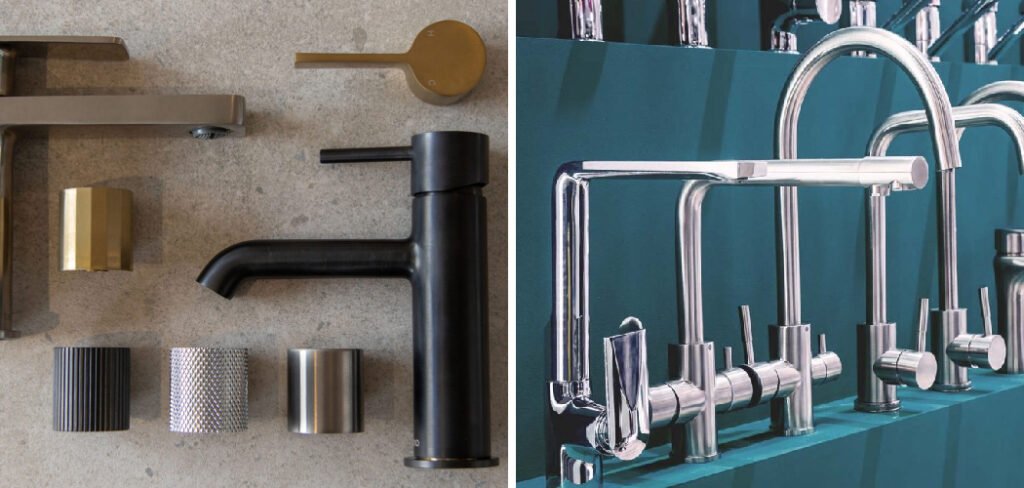
That’s the thing people miss. Learning how to clean PVD coating isn’t about buying a stronger product — it’s about backing way off and using far less than you’d think. Get it right and these finishes stay flawless for decades, because the coating itself is one of the toughest surface treatments made.
What You’ll Need
You need almost nothing here, and that’s the point. Reach for gentle every time.
- Two soft microfiber cloths (one for washing, one for drying)
- Warm water
- A few drops of mild dish soap (pH-neutral)
- A soft-bristle brush or old toothbrush for crevices
- A spray bottle (optional, for pre-mixing your soapy water)
- Distilled water if you live in a hard-water area
Skip anything labeled “polish,” “scouring,” “descaler,” or “heavy-duty.” You won’t need it, and it’s exactly what damages the finish.
Understand What You’re Actually Cleaning
PVD stands for physical vapor deposition — a paper-thin layer of metal bonded to the surface under vacuum. It’s harder than chrome and far more scratch-resistant, but it lives on the very top, so anything that abrades or chemically bites the surface goes straight for the part that matters.
Here’s a detail I learned the hard way years back: PVD holds up beautifully to moisture, better than chrome, which pits and spots quickly in a steamy bathroom. But PVD shows fingerprints and water minerals more visibly, especially on dark or brushed tones. So the enemy isn’t rust — it’s residue. That changes how you clean it.
Wipe Away Loose Dust and Grime First
Before any water or soap touches the surface, wipe it down dry with a clean microfiber cloth. Grit sitting on the surface is the one thing that can scratch even a tough coating, so you want it gone before you start rubbing with a damp cloth.

For grooves, handle bases, and hinge areas, use a dry soft brush to lift trapped dust. Don’t press hard. You’re sweeping, not scrubbing.
Wash With Warm Soapy Water
Mix a few drops of pH-neutral dish soap into warm water. Dip your microfiber cloth, wring it so it’s damp rather than dripping, and wipe the surface following the direction of any brushed grain.
For fixtures like faucets and door handles, work the soft brush gently into crevices where soap scum and skin oils collect. This is where buildup starts, and catching it early means you never need anything stronger.
Rinse Off Every Trace of Soap
Wipe the whole surface again with a fresh cloth dampened in plain water. Leftover soap film dries into its own dull haze, which is often what people mistake for a “damaged” finish.
If your tap water is hard, this is where distilled water earns its place. Mineral-heavy water leaves spots as it dries, and those spots are the main reason dark PVD looks patchy.
Dry Immediately and Buff
Never let a PVD surface air-dry. Take your second, dry microfiber cloth and buff the whole thing until it’s completely dry, again following any grain.
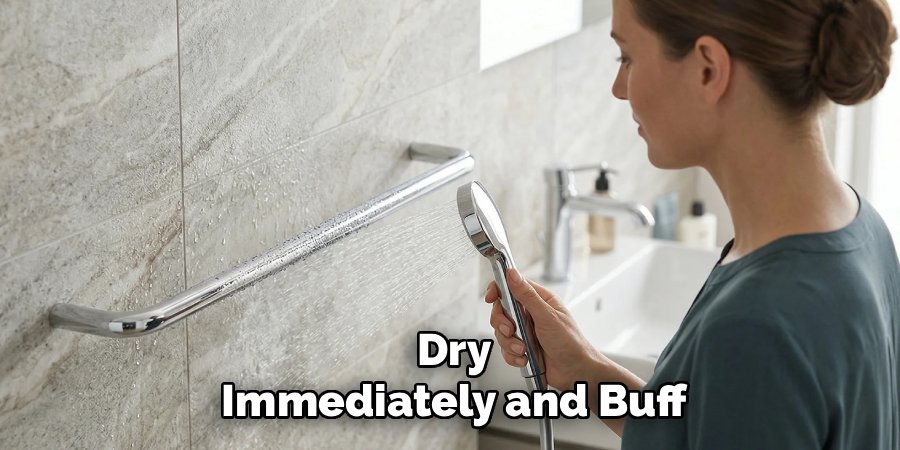
This single step does more for the look of the finish than anything else. Water evaporating on its own is what leaves the streaks and mineral marks people fight so hard to remove later.
Safe vs. Unsafe Cleaners and Methods
What you keep away from the surface matters more than what you put on it. PVD is chemically stable, but the wrong product can still etch or scratch the outer layer permanently.
| Task | Safe to Use | Avoid |
| Everyday cleaning | Mild pH-neutral dish soap + warm water | Abrasive “shine” sprays with grit |
| Wiping the surface | Soft microfiber cloth | Scouring pads, steel wool, magic erasers |
| Removing water spots | Distilled water, gentle buffing | Vinegar, lemon, or other acids |
| Tackling crevices | Soft-bristle or old toothbrush | Wire brushes, hard scrubbers |
| Disinfecting | Diluted mild soap, then rinse | Bleach and ammonia cleaners |
| Descaling nearby areas | Keep descaler off the PVD entirely | Acidic lime/scale removers on the coating |
| Polishing | Nothing — just buff dry | Metal polish, abrasive compounds |
When you’re unsure, warm water and a soft cloth handle nearly everything a PVD surface needs.
Common Mistakes to Avoid
These are the habits that turn a lifetime finish into a dull, patchy one.
- Reaching for abrasive cleaners. Even “mild” scouring products carry grit that hazes the top layer over time.
- Using acidic cleaners. Vinegar, lemon, and lime removers can etch the coating — a common swap people make thinking natural means safe.
- Letting it air-dry. This is the number one cause of the spots and streaks people blame on the coating itself.
- Using magic erasers. They feel soft but work by micro-abrasion, and they’ll slowly wear down the sheen.
- Scrubbing with the wrong cloth. Paper towels and rough rags leave fine scratches you only notice under bright light.
- Applying metal polish. Polish is made to abrade metal. On PVD, that’s the last thing you want.
- Ignoring hard-water residue. Left alone, mineral buildup dulls the finish and gets harder to remove with each cleaning.
Safety and Warnings
The real risk with PVD isn’t to you — it’s to the finish, and that damage is usually permanent. Once the coating’s outer layer is scratched or etched, you can’t buff it back; you’d have to recoat the whole piece.
Always test any new product on a hidden spot first, like the underside of a handle or the back of a fixture. Wait, dry it, and check for dulling before you go near the visible surface.
Never use bleach or ammonia-based cleaners on PVD, and never mix the two anywhere — combined, they release toxic chloramine gas that’s dangerous in an enclosed bathroom or kitchen. Even for the surfaces around your fixtures, work with ventilation and rinse thoroughly so no harsh residue drifts onto the coating. If you’re descaling tiles or grout nearby with an acidic product, mask off or wipe down the PVD fixtures right after, since acid splashes are one of the quietest ways these finishes get ruined.
How To Keep PVD Looking New For Longer
A little routine care means you’ll almost never face a hard clean.
- Wipe fixtures dry after use. A quick pass with a soft cloth after showering or washing up stops water spots before they form.
- Do a soapy wash weekly. Regular light cleaning keeps oils and scum from building into something stubborn.
- Keep hard water in check. In mineral-heavy areas, dry the surface every time — it’s the single best habit for dark finishes.
- Store the right cloths nearby. Keep dedicated microfiber cloths in the bathroom or kitchen so gentle cleaning stays easy.
- Watch the humid months. In summer or in poorly ventilated rooms, spotting happens faster, so drying after use matters even more.
- Handle with clean hands where you can. Lotions and oils show up quickly on PVD, especially on handles and pulls.
- Address splashes fast. Toothpaste, soap, and cleaning product overspray should be wiped off promptly, not left to sit.
Stay consistent with the small stuff and the finish essentially cleans itself.
Frequently Asked Questions
Can you use vinegar to clean PVD coating?
No — skip vinegar and any other acidic cleaner. While PVD is very hard, acids can etch the outer layer over repeated use, leaving dull patches that can’t be buffed out. Warm water with a drop of mild dish soap removes the same grime safely, and it won’t put the finish at risk.
Does PVD coating scratch easily?
PVD is one of the most scratch-resistant finishes available, noticeably tougher than standard chrome or plating. That said, it isn’t indestructible — steel wool, scouring pads, and grit dragged across the surface can still mar it. Stick to soft microfiber cloths and you’ll keep it pristine.
How do you remove water spots from PVD?
Wipe the surface with a cloth dampened in distilled water, then immediately buff it dry with a clean microfiber cloth. The key is the drying step, since spots form as mineral-heavy water evaporates. For hard-water homes, drying fixtures after every use prevents the spots from returning.
Is PVD coating better than chrome for bathrooms?
For humid spaces, yes — PVD resists moisture, corrosion, and pitting far better than chrome, which spots and degrades faster in steamy rooms. The trade-off is that darker and brushed PVD tones show fingerprints and water marks more visibly. A quick dry-wipe after use keeps that from being an issue.
What cleaner is safe for PVD faucets?
A few drops of pH-neutral dish soap in warm water is all you need. Apply it with a soft microfiber cloth, rinse with plain water, and buff dry right away. Avoid anything labeled abrasive, acidic, or “polish,” since those are the products that damage the coating.
Can you polish PVD coating to restore shine?
You shouldn’t use metal polish — it works by abrading the surface, which wears down the thin coating. If your PVD looks dull, the cause is almost always soap film or mineral residue, not the finish itself. A gentle soapy wash followed by a thorough dry buff usually brings the shine right back.
Final Word
Treat PVD the opposite of how you’d treat tough grime elsewhere: go gentle, dry it every time, and keep acids and abrasives well away. Do that, and the finish outlasts nearly everything else in the room without ever needing a hard scrub.
