
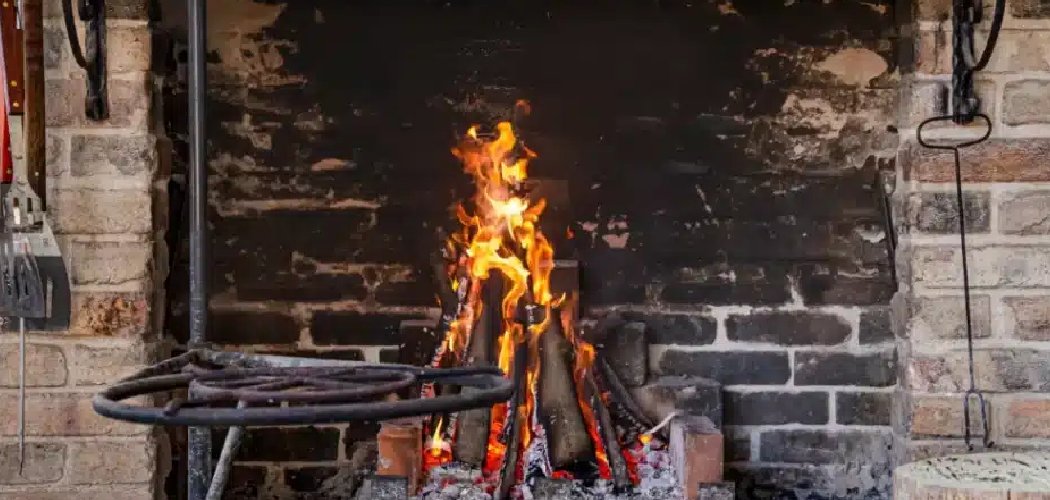
A client once called me in a panic because she’d vacuumed out her fireplace two days after her last fire, thought the ashes were cold, and melted the inside of her shop vac into a plastic-and-ember mess on the garage floor. Those coals had been buried under a gray blanket of ash, quietly holding heat the whole time. It’s the single most common — and most dangerous — mistake I ran into over 12 years of cleaning.
The good news is that once you respect how long ash holds heat, the job is quick and low-fuss. Learning how to clean out fireplace ashes comes down to patience, the right container, and keeping fine dust from floating all over your living room. Get those three things right and you’ll be done in fifteen minutes without a mess.
What You’ll Need
Gather everything before you open that firebox so you’re not tracking soot across the house mid-job:
- A metal ash bucket with a tight-fitting lid (never plastic)
- A metal fireplace shovel or scoop
- A stiff hearth brush or hand broom with natural bristles
- A metal dustpan
- Heavy work gloves
- A dust mask or respirator (N95 or better)
- Safety glasses
- An old sheet or drop cloth for the floor
- A spray bottle with plain water
- An ash vacuum (a purpose-built one — not a regular shop vac)
- Newspaper or a paper bag for lining
Skip anything plastic that touches the ash directly. Warm embers will melt it, and I’ve seen the scorch marks to prove it.
Confirm the Ashes Are Fully Cold First
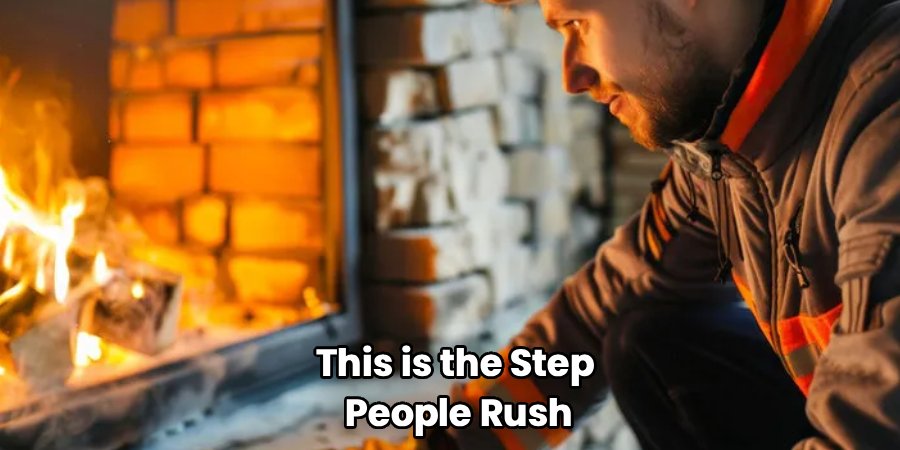
This is the step people rush, and it’s the one that starts fires. Ash is an incredible insulator, so a bed that looks dead gray on top can hide glowing coals underneath for a shockingly long time.
Wait at least 24 hours after your last fire before you touch anything — 48 hours if you burned a big, long load overnight. Even then, hold the back of your gloved hand a few inches above the ash bed to feel for warmth before you dig in. If you feel any heat at all, walk away and give it another day.
Lay Down Protection and Gear Up
Spread your drop cloth or old sheet across the hearth and out onto the floor in front of the fireplace. Ash finds its way everywhere, and a light barrier saves you a much bigger cleanup later.
Put on your gloves, safety glasses, and dust mask now, before you disturb anything. Fine ash goes airborne the instant you move it, and you do not want to breathe that in — more on why in the safety section.
Mist the Ash Bed to Keep Dust Down
Here’s a trick that separates a clean job from a gray cloud filling your room: give the ash bed a light misting with plain water from a spray bottle. You want it barely damp on top, not soaked into mud.
That thin layer of moisture weighs down the finest particles so they don’t billow up the second your shovel goes in. Don’t overdo it, though — soggy ash is heavy, sticks to your tools, and smears black streaks on the firebox floor.
Scoop the Ashes Into a Metal Bucket
Work slowly and deliberately with your metal shovel. Fast, jerky movements throw dust into the air no matter how well you misted.
Follow this order to keep things tidy:
- Start at the back of the firebox and pull ash toward you in small loads.
- Tip each shovelful gently into the metal bucket — don’t drop it from height.
- Leave about an inch of ash on the floor of the firebox if you burn wood (see the maintenance section for why).
- Use the dustpan and hearth brush to sweep up the last fine layer you can’t scoop.
- Press the lid firmly onto the bucket as soon as you’re done.
- Carry the bucket outside immediately and set it on bare concrete or dirt — never on a wood deck, in the garage, or against the house.
Keep that lid on between loads if you’re stopping and starting. It’s the difference between contained ash and a hazy room.
Brush and Wipe Down the Firebox
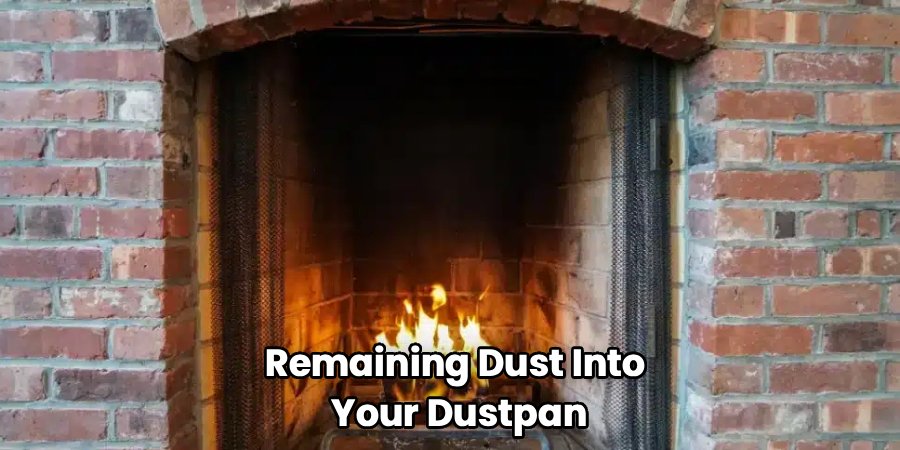
Once the bulk is out, sweep the remaining dust into your dustpan with the hearth brush. Get into the corners and along the seams where ash likes to pack down.
For a deeper clean on a masonry firebox, wipe the walls with a barely damp cloth. Don’t drench brick or mortar — it’s porous, holds moisture, and can develop white staining if you overwet it. A light pass is plenty.
Handling a Gas Fireplace with Fake Logs
If you have a gas unit with ceramic logs and no real wood ash, skip the shovel entirely. Turn off the gas at the valve, let everything cool, then use a soft brush and a low-suction vacuum to lift dust off the logs and burner. Never soak ceramic logs or move them around — they sit in a specific pattern for a reason, and shifting them can throw off the flame.
Wet Method vs. Dry Method at a Glance
Both approaches work; which one fits depends on how recently you burned and how much dust you can tolerate.
| Factor | Dry Method | Wet (Misted) Method |
| Best for | Fully cold, older ash | Fresh ash cleared within a day or two |
| Dust control | Higher airborne dust | Far less airborne dust |
| Tool cleanup | Easy, ash brushes off | Ash cakes onto shovel and pan |
| Firebox residue | Minimal | Can leave gray smears if oversprayed |
| Speed | Fastest | Slightly slower |
| Ember risk | Water reveals hidden heat as steam | Same, plus visible reaction |
Common Mistakes to Avoid
These are the repeat offenders that turned a simple task into a disaster on service calls:
- Using a shop vac or household vacuum. Fine ash slips right through standard filters and can pump a live ember into the motor. Only a dedicated ash vacuum is built for this.
- Storing ashes in a plastic bucket or paper bag. Hidden heat melts plastic and ignites paper. Metal with a lid, every time.
- Setting the bucket on a wood deck or in the garage. Even a cool-feeling bucket radiates heat. Bare ground or concrete only, well away from anything flammable.
- Cleaning too soon. If you can feel any warmth, you’re not ready.
- Scooping bone-dry ash aggressively. You’ll fill the room with dust you then breathe and clean off every surface for days.
- Emptying every last bit from a wood-burning firebox. A thin ash layer actually helps your next fire.
Safety and Warnings
Fireplace ash carries a few genuine hazards, so don’t treat this like ordinary dusting.
Assume buried embers are live for at least 24 hours. This is the big one. Ash insulates coals so well that fires have started days after the last flame. When in doubt, wait longer.
Never use a plastic container or regular vacuum. A warm ember plus plastic equals a melt or a fire. A standard vacuum can spread hot particles and blow ultrafine ash through its exhaust into the air you breathe.
Wear a proper dust mask. Wood ash is fine and alkaline, and breathing it irritates your lungs and airways. If you burned any treated, painted, or manufactured wood, the ash can contain chemicals you really don’t want in your lungs — wear an N95 and ventilate the room.
Protect your skin and eyes. Wood ash is caustic enough to irritate skin on contact, especially if it gets damp against you. Gloves and glasses aren’t optional.
Keep the ash bucket outside and isolated until you’re certain the contents are stone cold — that can take several days in a sealed metal bucket. Only then move ashes to their final destination.
Don’t mix ash with anything. People sometimes toss ash in with other cleaning debris or chemicals. Ash is alkaline and can react, so keep it on its own.
Maintenance and Prevention Tips
A little routine care keeps ash from ever becoming a big chore:
- Leave a one-inch ash bed in a wood-burning firebox. This is the tip clients were always surprised by. A thin layer of ash insulates the coals and reflects heat back, so your next fire lights faster and burns hotter. Clear it fully only at the end of the season.
- Clean out ashes when the bed reaches an inch or two deep, rather than after every single fire. Constant cleaning just kicks up more dust for no real benefit.
- Do your big clear-out in early spring. Once you’re done with fires for the year, empty the firebox completely so damp summer air doesn’t sit on packed ash and cause odors or staining. I always scheduled clients’ full clean-outs for the first warm week.
- Burn only seasoned hardwood. Wet or green wood leaves more ash and heavy creosote. Properly dried wood burns cleaner and leaves less to shovel.
- Keep a lidded metal ash can as a permanent fixture near the fireplace so you’re never tempted to grab a plastic bin in a hurry.
- Repurpose cooled wood ash in the garden compost or on icy walkways — just confirm it’s completely cold and comes from untreated wood only.
Frequently Asked Questions
How long should you wait before cleaning out fireplace ashes?
Wait at least 24 hours after your last fire, and 48 hours after a large overnight burn. Ash traps heat and hides live coals far longer than you’d expect. Always hold a gloved hand over the bed to check for warmth before you start.
Can you vacuum fireplace ashes?
Only with a dedicated ash vacuum built for the job. A regular household vacuum or shop vac lets fine ash clog and pass through the filter, and it can suck up a hidden ember that damages the motor or starts a fire. Never use standard vacuum equipment on ash.
Where should you dump fireplace ashes?
Cooled ashes from untreated wood can go into compost, garden beds, or onto icy paths for traction. Otherwise, seal them in a metal container and dispose of them with household waste once fully cold. Never dump warm ashes in the trash, on a deck, or near the house.
Is it OK to leave ashes in the fireplace?
Yes, and a thin one-inch layer actually helps a wood fire burn better by insulating the coals. Just don’t let ash pile up past an inch or two, and clear it out completely at the end of burning season so moisture doesn’t cause odors. Gas fireplaces don’t produce wood ash, so this doesn’t apply.
Why does ash spread everywhere when I clean it?
Because dry ash is incredibly fine and goes airborne the instant you disturb it. Lightly misting the bed with water weighs down the smallest particles so they stay put. Moving your shovel slowly instead of scooping fast makes a big difference too.
How do you clean ash off the fireplace glass or firebox walls?
Wipe with a barely damp cloth once the surface is cool, using minimal water on porous brick or mortar. For glass doors, a damp paper towel dipped in a little cooled ash acts as a gentle abrasive that lifts soot surprisingly well. Buff dry afterward so no streaks remain.
The Bottom Line
Respect the heat, use metal instead of plastic, and mist before you scoop — those three habits turn ash removal into a fast, clean routine. Leave that thin insulating layer during the season, do your full clear-out in spring, and your firebox will be ready whenever the next cold night rolls in.
