
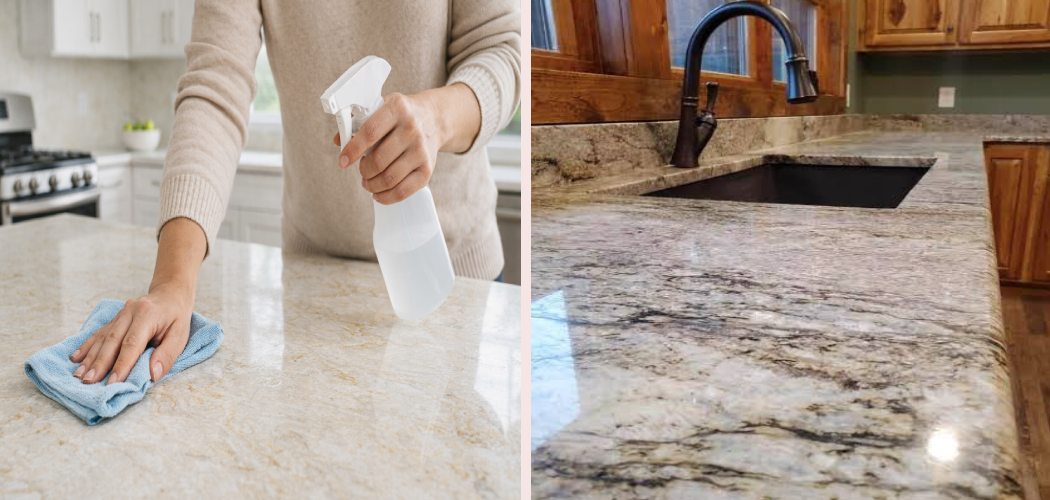
A client once called me in a panic because a bottle of lemon-scented spray cleaner had left a dull, cloudy patch right in the middle of her brand-new kitchen island. She hadn’t spilled anything. She’d simply wiped it down every morning with the same product she used on her glass. That acid ate through the sealer in under a week.
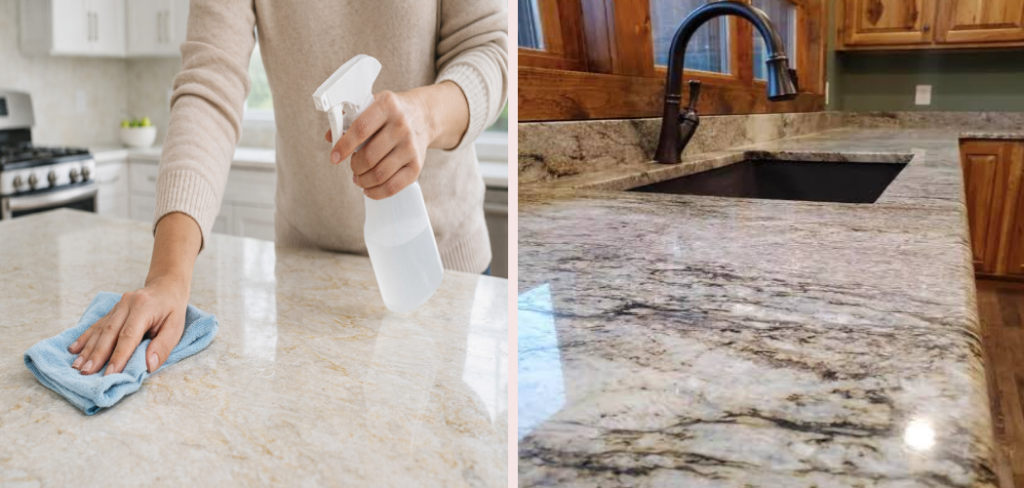
Learning how to clean granite stone properly comes down to one thing: matching the cleaner to the surface. Granite is tough, but it’s also porous and sensitive to acids and harsh chemicals. Get the routine right and it stays glossy for decades.
What You’ll Need
- Microfiber cloths (at least two — one for washing, one for drying)
- Warm water
- A few drops of pH-neutral dish soap, or a dedicated stone cleaner
- A soft sponge (non-abrasive side only)
- A plastic putty knife or old credit card for stuck-on gunk
- A spray bottle
- Optional: 50/50 isopropyl alcohol and water mix for disinfecting
- Optional: baking soda for stubborn stains
Skip the scouring pads, the “all-purpose” sprays, and anything labeled acidic, bleach-based, or citrus. I’ll explain why further down.
Wipe Down Daily With Warm, Soapy Water
For everyday grime — coffee rings, crumbs, the general chaos of a working kitchen — you don’t need anything fancy. Mix a few drops of pH-neutral dish soap into warm water. Dip your microfiber cloth, wring it out so it’s damp not soaking, and wipe the surface in long strokes.
Don’t let soap build up. Over weeks, film accumulates and leaves granite looking hazy. So follow up with a second cloth dampened in clean water to rinse.
Dry and Buff to Prevent Water Spots
This is the step almost everyone skips, and it’s the one that keeps your counter looking sharp. Once the surface is clean, buff it dry with a fresh microfiber cloth. Granite that air-dries develops streaks and mineral spots, especially if you’ve got hard water.
Buff in a circular motion until the surface squeaks. That gentle shine you see on showroom slabs? Most of it is just careful drying, not expensive product.
Tackle Stuck-On Messes Without Scratching
Dried tomato sauce, candle wax, or a smear of hardened cheese needs a gentle hand. Don’t reach for a metal scraper or the green scrubby side of your sponge. Instead, hold a plastic putty knife or an old credit card at a low angle and lift the debris off.
For grease, let warm soapy water sit on the spot for a minute or two to loosen it before you wipe. Patience beats pressure every time on stone.
Lift Stains With a Baking Soda Poultice
Oil stains show up as darker patches that don’t wipe away. Granite absorbs oil, so you have to draw it back out. Mix baking soda with a little water into a thick paste, spread it over the stain, and cover it with plastic wrap taped down at the edges.
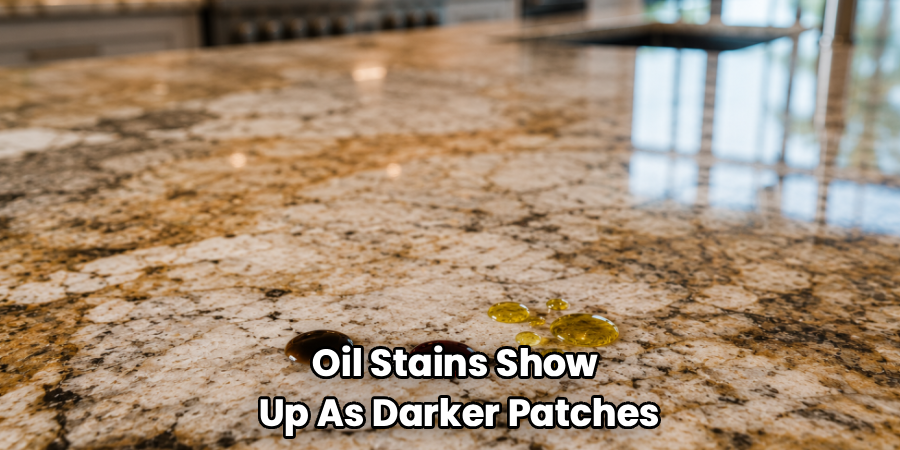
Leave it 24 hours, then scrape the dried paste off and rinse. For an oil-based stain, use water in the paste; for organic stains like coffee or wine, a dab of hydrogen peroxide works better. It may take two rounds on an old stain.
Disinfect Safely Between Deep Cleans
When you need to sanitize — after handling raw chicken, say — reach for a 50/50 mix of isopropyl alcohol and water. Spray it on, let it sit for three to five minutes, then wipe and buff dry. Alcohol disinfects without stripping the sealer, unlike vinegar or bleach.
What to Use vs. What to Avoid
| Safe for Granite | Damages Granite |
| pH-neutral dish soap | Vinegar, lemon, or any citrus cleaner |
| Warm water | Bleach and ammonia products |
| Dedicated stone cleaner | Glass cleaner (Windex-type) |
| 50/50 isopropyl alcohol + water | Abrasive powders or creams |
| Microfiber cloths | Steel wool, scouring pads |
| Baking soda poultice (occasional) | Undiluted essential oils |
The pattern is simple: acidic and abrasive products are your enemy. Neutral and gentle keep the sealer intact.
Common Mistakes to Avoid
- Using vinegar because “it’s natural.” Natural doesn’t mean stone-safe. The acid etches the surface and dulls the finish over time.
- Leaving spills to sit. Wine, oil, and citrus juice soak into unsealed or worn-sealed granite fast. Blot immediately, don’t wipe and spread.
- Scrubbing with abrasives. Those micro-scratches trap dirt and kill the shine permanently. There’s no buffing that out at home.
- Skipping the dry-and-buff step. Air-drying is how you end up with that cloudy, streaky look people mistake for a “dirty” counter.
- Over-soaping. More soap doesn’t mean cleaner. It means film. A few drops is plenty.
- Ignoring the sealer. A well-sealed slab repels stains. A worn one soaks them up. Most people never check theirs.
Safety and Warnings
Granite cleaning is low-risk compared to a lot of household jobs, but a few things still matter.
- Never mix cleaning products. Bleach and ammonia together create toxic chloramine gas. Since you shouldn’t use either on granite anyway, the safest habit is to keep this counter to soap, water, and alcohol only.
- Ventilate when using isopropyl alcohol. Open a window or run the exhaust fan. The fumes are strong in a closed kitchen.
- Test any new product in a hidden spot first — the corner behind the sink or under an appliance. Wait a few minutes and check for dulling before you commit to the whole surface.
- Wear gloves if you have sensitive skin. Even mild dish soap dries out hands over repeated use, and alcohol will sting any cuts.
- Keep the poultice materials away from kids and pets while they sit, especially anything with hydrogen peroxide.
Keep Your Granite Cleaner for Longer
The real trick isn’t cleaning harder — it’s cleaning less often because you’ve prevented the mess. Here’s what keeps a slab looking new:
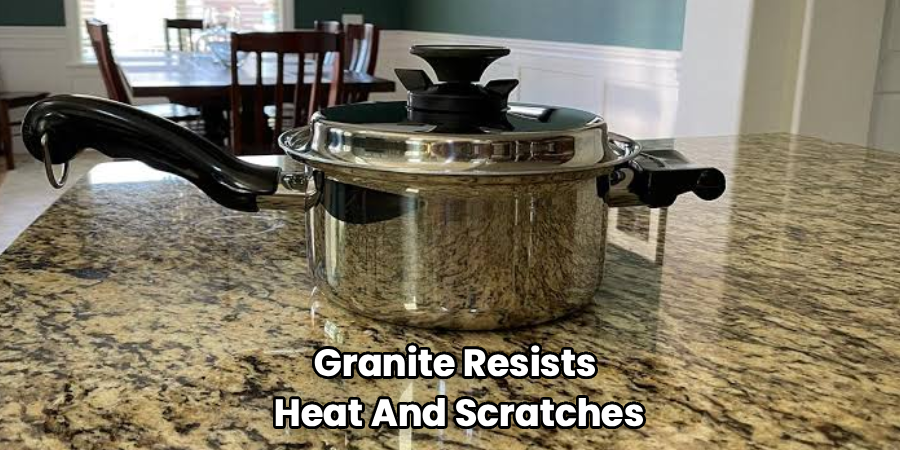
- Use cutting boards and trivets. Granite resists heat and scratches better than most surfaces, but sliding a knife or a hot pan directly on it wears the finish and can scratch the sealer.
- Wipe spills as they happen. Especially anything acidic or oily. Ten seconds now saves you a poultice later.
- Reseal on a schedule. Most granite needs resealing every one to three years, depending on use and stone porosity. Here’s a field trick: drop a small puddle of water on the counter and wait 15 minutes. If it beads, your seal is fine. If it darkens the stone, it’s time to reseal.
- Do a monthly water test. Same as above — it takes two minutes and tells you exactly where the sealer stands before a stain forces the issue.
- Keep a spray bottle of your soap mix ready. When cleaning is easy and the supplies are right there, you actually do it.
Darker granites tend to hide their sealer wear longer than light ones like white or beige, so pay extra attention to pale slabs. Clients with cream-colored kitchens always asked me why their counters “aged faster” — it wasn’t the stone, it was the sealer showing through sooner.
Frequently Asked Questions
Can you use vinegar to clean granite stone?
No. Vinegar is acidic, and it slowly etches the surface and breaks down the protective sealer. It might look fine after one use, but repeated cleaning leaves dull, dead-looking patches. Stick with pH-neutral soap and water.
What is the best homemade granite cleaner?
A few drops of pH-neutral dish soap in warm water handles daily cleaning. For disinfecting, mix equal parts isopropyl alcohol and water in a spray bottle. Both are gentle, cheap, and won’t strip your sealer.
How do you make granite shine again?
The shine comes from a clean, streak-free surface — not polish. Wash with soapy water, rinse, then buff completely dry with a microfiber cloth in circular motions. If it still looks dull after that, your sealer is likely worn and the stone needs resealing.
Is it safe to use Windex or glass cleaner on granite?
Skip it. Glass cleaners often contain ammonia and other chemicals that degrade the sealer over time, leaving a hazy film and eventually exposing the porous stone underneath. Use them on your windows, not your counters.
How often should you clean granite countertops?
Wipe them down daily with soap and water, and do a proper dry-and-buff after each clean. Disinfect once a week or after handling raw food. Reseal every one to three years based on your water-bead test.
How do you get stains out of granite?
Draw the stain out with a baking soda poultice. Use a water-based paste for oil stains and one made with hydrogen peroxide for coffee, wine, or other organic marks. Cover it, leave it 24 hours, scrape, and rinse. Repeat for older stains.
Final Word
Treat granite gently and it rewards you with decades of shine — no expensive products required. Keep the acids and abrasives away, buff it dry, and run that water-bead test every month so a worn sealer never catches you off guard.
