
I once watched a homeowner scrub her gorgeous encaustic entryway with a bleach spray and a stiff brush. Within a month, the deep navy pattern she loved had faded to a chalky gray, and the surface felt rough enough to catch a sock. She thought she was being thorough. She was actually stripping the pigment right off her floor.
Cement tiles are softer, more porous, and far more sensitive than the porcelain or ceramic most people are used to. Once you understand how to clean cement tiles the right way, you’ll keep those colors rich and the surface smooth for decades instead of accidentally sanding them down with the wrong products.
What You’ll Need
Gather these before you start. Half the damage I saw over the years happened because someone grabbed whatever was under the sink.
- pH-neutral floor cleaner (or a few drops of mild dish soap in warm water)
- Two buckets — one for cleaning solution, one for rinse water
- A soft microfiber mop or soft cotton mop
- A soft-bristle brush or nylon scrub pad (never metal or hard bristles)
- Clean microfiber cloths or towels for drying
- A vacuum or soft broom
- pH-testing strips (optional, but handy if you like precision)
- Penetrating sealer, if your tiles need resealing
- Rubber gloves
You’ll notice there’s no acid, no bleach, and no vinegar on that list. That’s on purpose, and I’ll explain why in the mistakes section.
The Step-by-Step Cleaning Process
Cement tiles reward patience. Rushing is how you get streaks, dull patches, and water spots.
Dry-Sweep or Vacuum First

Always start dry. Grit and sand act like sandpaper when you drag a wet mop over them, and cement surfaces scratch easily. Sweep with a soft broom or run a vacuum on the bare-floor setting. Get into the grout lines and corners where dust collects.
Mix a Gentle, pH-Neutral Solution
Fill one bucket with warm water and a pH-neutral cleaner. If you’re using dish soap, keep it light — think one or two drops per liter, not a foamy bath. Too much soap leaves a film that dulls the finish and actually attracts more dirt over time.
Fill the second bucket with plain warm water for rinsing.
Mop in Sections, Not All at Once
Dip your microfiber mop, wring it out until it’s damp rather than dripping, and work in small sections. Cement tiles hate standing water. If liquid pools and sits, it soaks into the pores and can leave a lighter ring behind once it dries.
Move across the floor in a grid so you never step on a section you just cleaned.
Spot-Treat Stubborn Marks Gently
For scuffs or dried spills, dab a little extra solution directly on the spot and let it sit for a minute or two. Then work it with your soft-bristle brush using light, circular motions. Let the cleaner do the lifting — pressure is what damages pigment.
Rinse Away Every Trace of Soap
This step is the one people skip, and it shows. Go over the floor again with your clean rinse water and a wrung-out mop. Any leftover soap residue creates that hazy, sticky film that makes a floor look permanently dirty.
Dry the Surface by Hand
Here’s a detail I learned the hard way on a client’s kitchen floor: cement tiles left to air-dry almost always spot, especially in hard-water areas. Grab a dry microfiber towel and buff the surface. It takes ten extra minutes and saves you from those cloudy mineral marks.
Dos and Don’ts at a Glance
| Do This | Avoid This |
| Use pH-neutral or mild soap cleaners | Vinegar, lemon, or any acidic cleaner |
| Sweep or vacuum before mopping | Dragging a wet mop over grit |
| Wring the mop until damp | Flooding the floor with water |
| Rinse and hand-dry | Letting the surface air-dry |
| Reseal periodically | Bleach or ammonia-based products |
| Blot spills immediately | Metal brushes or scouring pads |
Acidic cleaners are the biggest culprit. Cement is alkaline, so anything acidic literally eats into the surface and etches it. Vinegar gets recommended for everything online, but on these tiles it’s slow-motion damage.
Common Mistakes to Avoid
Reaching for vinegar or lemon. I know it feels natural and “green,” but acid and cement don’t mix. Every etched, patchy floor I was ever called to rescue had a vinegar habit behind it.
Using too much soap. More suds don’t mean more clean. Excess soap builds up into a dull film that traps dirt, so the floor looks grimy no matter how often you mop.
Skipping the seal. Unsealed cement tiles drink up every spill. A glass of red wine on an unsealed floor is a genuine emergency. Sealed tiles give you a buffer.
Letting water sit. Puddles leave rings and can lift pigment on newer, freshly laid tiles that haven’t fully cured.
Scrubbing with hard tools. Steel wool and stiff brushes scratch the surface and open up the pores, which just makes future staining worse.
Safety and Warnings
Cement tile cleaning is low-risk compared to a lot of jobs, but a few rules matter.
- Never mix cleaning products. Bleach and ammonia together create toxic chloramine gas. Since you shouldn’t use either on cement tiles anyway, stick to your neutral cleaner and you’re safe by default.
- Ventilate when sealing. Penetrating sealers give off fumes. Open windows, run a fan, and don’t work in a closed room for long stretches.
- Wear gloves. Even mild cleaners dry out your skin over a long session, and sealers can irritate.
- Test in a hidden spot first. Before you try any new cleaner or sealer, test it on a tile in a closet or under a rug. Watch it for a few minutes to make sure there’s no discoloration.
- Mind wet floors. Damp cement tile gets slippery. Block off the area until it’s fully dry, especially on stairs or entryways.
Maintenance and Prevention Tips
Keeping cement tiles clean is far easier than deep-rescuing them, and this is the part most guides skip entirely.
- Sweep daily in high-traffic zones. Grit is the enemy. A quick pass keeps abrasive dirt off the surface.
- Blot spills the second they happen. Coffee, wine, and oil are the worst offenders. Blot, don’t wipe, so you don’t spread the stain.
- Reseal on a schedule. Most floors need resealing every one to three years, sooner in kitchens and entryways. A simple water test tells you when: drop a little water on the tile, and if it darkens quickly, the seal has worn off.
- Use mats at doorways. A good entry mat catches the sand and grit that does the most damage over time.
- Skip the steam mop. Clients used to ask me about these all the time. The heat and forced moisture can weaken the sealer and drive water deep into the pores. Not worth the risk on cement.
Cement tiles actually develop a soft patina as they age — a gentle sheen that comes from years of proper care and light foot traffic. That’s a feature, not wear. The goal is to protect it, not scrub it away.
Frequently Asked Questions
Can you use vinegar to clean cement tiles?
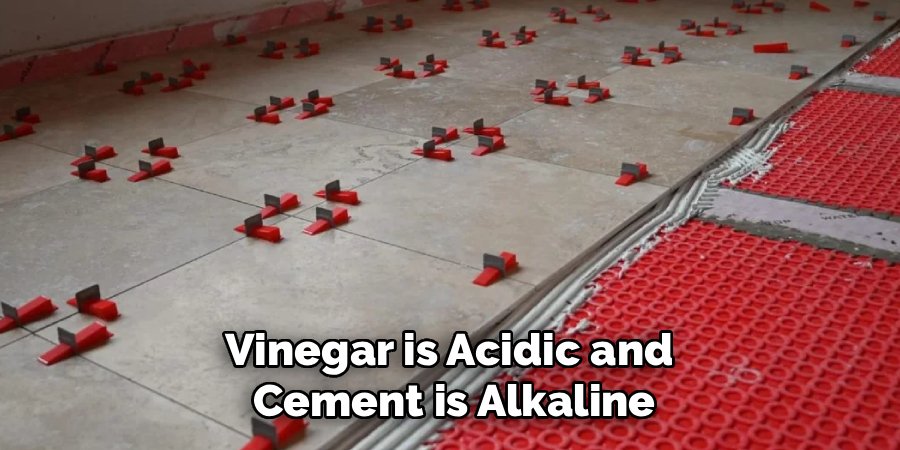
No. Vinegar is acidic, and cement is alkaline, so the acid etches and dulls the surface over time. It’s one of the fastest ways to permanently damage the finish. Stick with a pH-neutral cleaner instead.
How do you get stains out of cement tiles?
Act fast and blot the spill rather than wiping it. For set-in stains, apply a little pH-neutral cleaner, let it sit a couple of minutes, then gently work it with a soft brush. For deep oil or grease marks on unsealed tiles, a poultice paste designed for stone can draw the stain out of the pores.
Do cement tiles need to be sealed?
Yes. Cement is porous, so an unsealed tile absorbs water, oil, and color from spills almost instantly. A penetrating sealer creates a protective barrier and buys you time to clean up messes before they set.
How often should you reseal cement tiles?
Every one to three years for most homes, and closer to yearly in kitchens, bathrooms, and entryways. Run the water-drop test — if the tile darkens fast, it’s time to reseal.
Why do my cement tiles look dull after cleaning?
Usually it’s soap residue or air-drying. Too much cleaner leaves a film, and letting the floor dry on its own leaves mineral spots. Rinse with plain water and buff dry with a microfiber towel to bring the color back.
Can you use a steam mop on cement tiles?
I don’t recommend it. The heat and moisture can break down the sealer and push water into the pores, which leads to staining and a worn finish. A damp microfiber mop does the job without the risk.
Treat your cement tiles gently and they’ll outlast almost everything else in your home. Skip the acid, keep the mop damp, and buff them dry — that’s most of the battle right there.
