

The fastest way to ruin a beautiful wood banister? Spraying an all-purpose cleaner straight onto the rail and wiping it down like a kitchen counter. I watched a client do exactly that for years, and by the time I got there, the finish near the top newel post had gone cloudy and sticky, trapping grime instead of releasing it.

Wood is picky, but it isn’t difficult once you understand what it wants. Learning how to clean a wood banister comes down to using the right amount of moisture, the right product, and a light touch. Get those three things right and you’ll pull off years of hand grease without stripping the finish.
What You’ll Need
- Two soft microfiber cloths (one damp, one dry)
- A soft-bristle brush or an old toothbrush for spindles and carved details
- Warm water
- A few drops of mild dish soap OR a dedicated wood cleaner
- A small bucket or bowl
- White vinegar (optional, for stubborn buildup)
- Wood polish or conditioner (for finished wood)
- A vacuum with a soft brush attachment
- Rubber gloves if your hands are sensitive to detergent
You don’t need anything fancy here. Most of what makes a banister look worse over time is people reaching for harsh sprays when warm soapy water would have done the job.
Start by Dusting, Not Wiping
Before any liquid touches the wood, get the loose dust off. Skipping this step turns dry dust into a muddy smear the second you add water.
Run your vacuum’s soft brush attachment along the handrail, down the spindles, and around the base of the newel posts. Dust settles in the grooves of turned spindles more than anywhere else, and those spots are exactly where guests never look but always feel. Follow up with a dry microfiber cloth to grab whatever the vacuum missed.
Wipe Down the Handrail with a Barely-Damp Cloth
The handrail takes the most abuse. Skin oils, hand lotion, and everyday grime build up into a slightly tacky film, especially near the top and bottom where everyone grips.
Mix a few drops of dish soap into warm water. Dip your microfiber cloth, then wring it out until it’s just damp — not dripping. This is the part most people get wrong. Wood and standing water don’t mix. Wipe the rail in the direction of the grain, working in sections. As soon as you finish a section, follow behind with your dry cloth to lift any lingering moisture.
Tackling Sticky or Greasy Spots
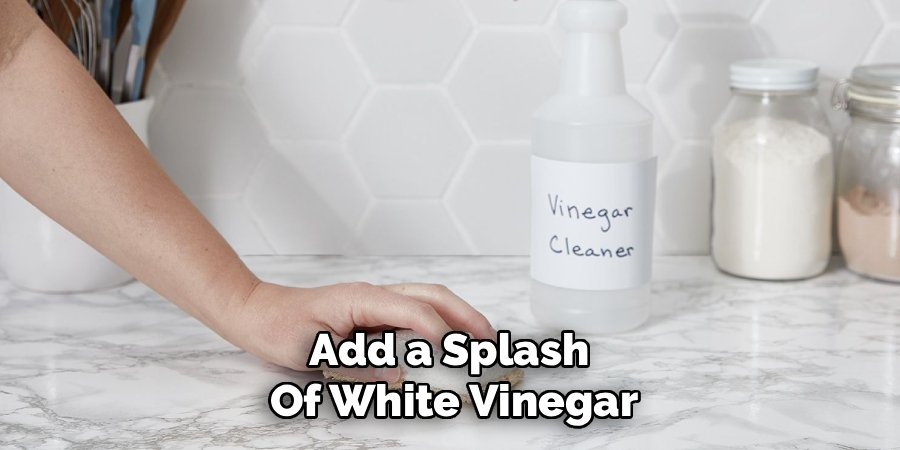
For that gummy buildup near hand-grip zones, add a splash of white vinegar to your soapy water. The mild acidity cuts through oils without the aggression of a degreaser. Test it on a hidden spot first (more on that in the safety section), then wipe gently. You should feel the tackiness release under the cloth almost immediately.

Clean the Spindles and Balusters
Spindles collect dust and cobwebs but rarely get greasy, so they need less muscle. Wrap your damp cloth around each spindle and slide it top to bottom. For turned or carved spindles with grooves, switch to a soft-bristle brush or old toothbrush dipped in your soapy water. Work the bristles into the detailing, then wipe dry.
Here’s something I learned the hard way years ago: spindles near a front door or a big window tend to warp and dry out faster because of temperature swings. In winter, dry indoor heat pulls moisture out of that wood, so go extra light with water on those sections and dry them immediately.
Detail the Newel Posts and Base
Newel posts — the big anchor posts at the top and bottom — usually have the most decorative carving and the most trapped grime. Use your brush for the carved sections and your damp cloth for the flat faces. Don’t forget the base where it meets the floor; dust and mop water splash tend to collect there and dull the finish over time.
Dry and Buff for Shine
Once everything’s clean, go over the whole banister one more time with a dry microfiber cloth. If your wood is sealed or finished, apply a small amount of wood polish or conditioner and buff it in the direction of the grain. This restores the sheen and adds a thin protective layer against the next round of fingerprints.
Safe Cleaners vs. What to Avoid
Not everything under your sink belongs on wood. Here’s a quick reference for what actually helps versus what quietly damages the finish.
| Safe to Use | Avoid |
| Mild dish soap + warm water | Undiluted vinegar or lemon juice |
| Diluted white vinegar (for tough spots) | Ammonia-based glass cleaners |
| Dedicated wood cleaners | Bleach or bleach sprays |
| Wood polish or conditioner | All-purpose disinfectant sprays |
| Barely-damp microfiber cloth | Abrasive scrub pads or steel wool |
| Soft-bristle brush | Soaking-wet rags or mops |
The pattern is simple: gentle, diluted, and low-moisture wins every time.
Common Mistakes to Avoid
- Over-wetting the wood. Standing water seeps into seams and lifts the finish. Wring that cloth out hard.
- Spraying cleaner directly onto the rail. It pools in the grain and around joints. Always spray the cloth, not the wood.
- Using furniture polish as a shortcut every time. Silicone-based sprays build up into a hazy film that attracts more dust.
- Wiping against the grain. It pushes grime into the grain lines instead of lifting it out.
- Skipping the dry-off step. Even a little leftover moisture leaves streaks and, over time, water spots.
- Using the same rough sponge you use for dishes. Abrasive surfaces scratch the finish and dull the shine.
Safety and Warnings
Wood cleaning is low-risk compared to bathroom or oven work, but a few things matter.
- Test in an inconspicuous spot first. Try any new cleaner — especially vinegar — on the underside of the rail or a hidden section of the base before doing the whole banister. Different finishes react differently, and older or waxed wood can cloud.
- Never mix cleaning products. In particular, never combine bleach and ammonia (or any ammonia-based glass cleaner) — the fumes are toxic. Since neither belongs on wood anyway, the easiest rule is to keep both away from this job entirely.
- Ventilate if you use commercial wood polish. Some contain solvents. Open a window and don’t work in a closed stairwell for long stretches.
- Wear gloves if detergent irritates your skin, especially if you’re cleaning a long staircase and your hands will be wet a while.
- Mind your footing. You’ll be reaching and leaning on stairs. Keep cloths and buckets off the steps where you could slip.
Maintenance and Prevention Tips
A banister that gets a quick wipe often almost never needs a deep clean. Build these small habits and you’ll stretch months between full cleanings:
- Run a dry microfiber cloth over the handrail once a week to catch oils before they build up into a film.
- Dust spindles during your regular cleaning routine so grime never has time to settle in the grooves.
- Apply wood conditioner or polish every two to three months on high-touch rails to keep the finish protected.
- Keep the wood away from constant direct sunlight where you can — UV fades and dries out the finish over time.
- In dry winter months, a room humidifier near the staircase helps keep the wood from drying out and cracking.
- Wipe up any splashes near the base right away, especially after mopping nearby floors.
Clients used to ask me why their freshly cleaned banister looked dull again within weeks. Nine times out of ten, it was silicone polish buildup — they were “cleaning” with the same spray polish over and over without ever actually washing the wood. A proper wash every few months resets it.
Frequently Asked Questions
What is the best cleaner for a wood banister?
Warm water with a few drops of mild dish soap handles almost everything. For stubborn, greasy hand-grip areas, add a splash of white vinegar. If you’d rather buy something, a dedicated wood cleaner works well. Skip all-purpose sprays, ammonia, and bleach.
Can I use vinegar to clean a wood banister?
Yes, but only diluted. Undiluted vinegar is too acidic and can dull or etch the finish over time. Mix a small splash into your warm soapy water, test it on a hidden spot, and wipe with the grain. It’s great for cutting through the oily film that builds up where people grip.
How often should I clean my wood banister?
Give the handrail a quick dry wipe weekly, and do a full clean every one to two months depending on how much traffic your stairs see. Homes with kids or pets usually need it more often, since little hands and fur add up fast.
Why does my wood banister feel sticky?
That tacky feel is usually a mix of skin oils, lotion, and old polish buildup. A wash with warm soapy water and a splash of vinegar dissolves it. If it comes back quickly, you’re likely relying too much on silicone spray polish, which layers up into a sticky film.
How do I clean carved spindles and detailed newel posts?
Use a soft-bristle brush or an old toothbrush dipped in your soapy water to reach into the grooves, then wipe with a damp cloth and dry immediately. The brush loosens dust that a flat cloth just glides over.
Can I use furniture polish on my banister?
Occasionally, yes — it adds shine and a light protective layer. But don’t use it as your only cleaning method. Silicone-based polishes build up into a haze that attracts dust and makes the wood look dull faster. Wash first, polish second.
Wood banisters aren’t fragile — they just don’t forgive shortcuts. Keep the water minimal, the products mild, and a dry cloth close behind, and yours will hold its shine for years.
