
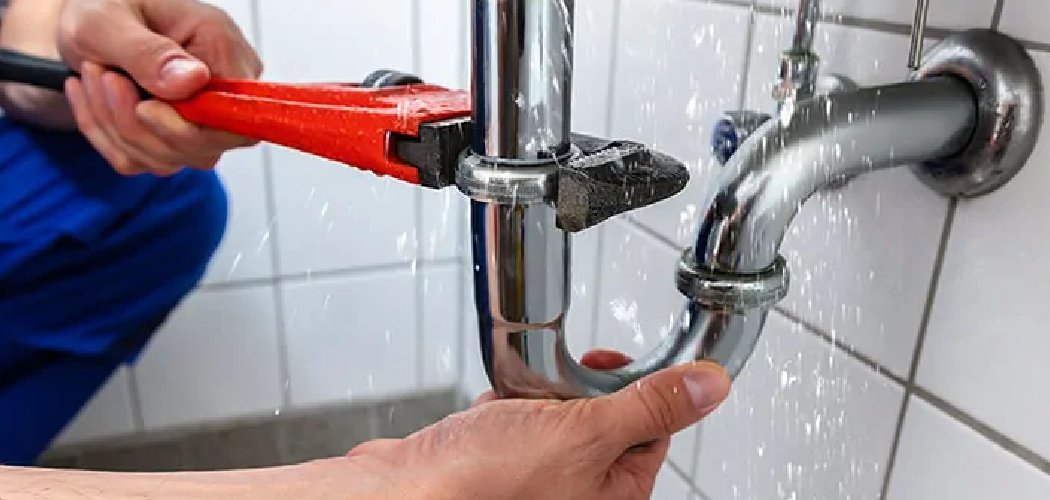
Every drain in the house gurgling at once, a toilet that burps when you run the kitchen sink, and a faint sewer smell drifting through the bathroom — that’s the classic sign of a blocked vent, and nine times out of ten it starts with a bird’s nest or a wad of leaves sitting in the pipe on the roof. Most people ignore it until the drains slow to a crawl, then blame the p-traps or reach for a chemical drain cleaner that does nothing, because the clog isn’t in the drain at all. It’s in the vent, forty feet up, letting no air in.
Knowing how to clean plumbing vent pipe blockages saves you a service call and a lot of guesswork. The vent’s whole job is to let air into your drain system so water flows freely and sewer gas escapes above the roofline. When it clogs, everything downstream suffers — and the fix is usually simpler than you’d expect.
What You’ll Need
Set everything out before you head up, because climbing back down for a forgotten tool is how people rush and slip:
- A sturdy extension ladder, footed on level ground
- A garden hose with a spray nozzle
- A plumber’s drain auger (snake), 20–25 feet
- A flashlight or headlamp
- Work gloves and safety glasses
- A helper to spot the ladder and run the water
- A bucket and a small hand trowel for scooping debris
- A roof harness if your pitch is steep
- Non-slip shoes with good tread
Skip the chemical drain cleaners entirely. They’re formulated for drain lines, not vents, and pouring them down a roof vent just sends caustic liquid splashing back at you.
Confirm the Vent Is Actually the Problem
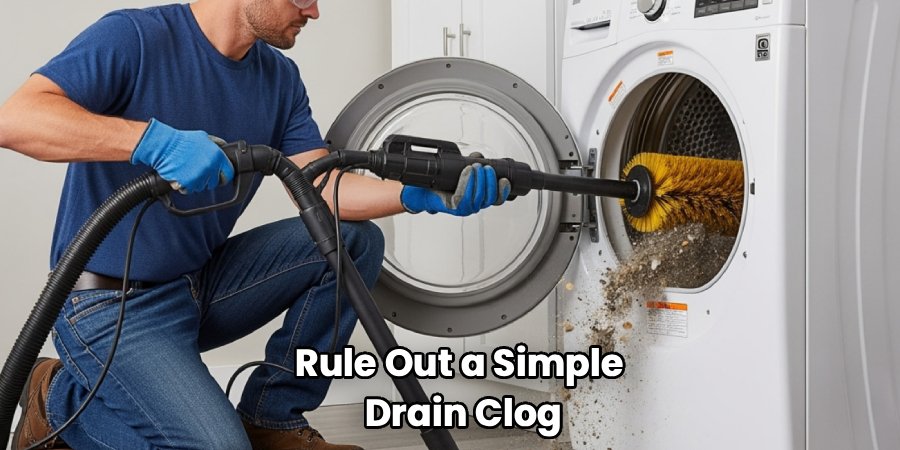
Before you touch a ladder, rule out a simple drain clog. Run water in a lower-level sink and listen. If distant drains gurgle, the toilet bubbles, or you smell sewer gas indoors, air isn’t getting through the vent. A single slow drain with no gurgling is usually a local clog — save yourself the climb.
Head outside and look at the roofline. On a still day you can sometimes hear the difference: a healthy vent draws a faint whoosh of air when a big volume of water drains below. Dead silence and back-gurgling point straight at a blockage up top.
Get Up to the Roof Safely
Position your extension ladder on firm, level ground with the base out about one foot for every four feet of height. Have your helper hold the base while you climb. Move slowly, keep three points of contact, and never lean out to reach the vent — reposition instead.
Once you’re up, locate the vent stack. It’s the open pipe, usually PVC or cast iron, poking through near the main bathroom. Peer inside with your flashlight before you do anything. You’re looking for nests, leaves, a dead animal, or a solid plug of debris.
Clear Visible Debris by Hand First
If you can see and reach the clog — a nest, matted leaves, a tennis ball some kid lobbed up there years ago — pull it out with a gloved hand or scoop it with your trowel into the bucket. I’ve pulled everything from squirrel nests to a full frisbee out of vent stacks, and the frisbee had been rattling around causing “ghost gurgles” for two winters before anyone thought to look up top.
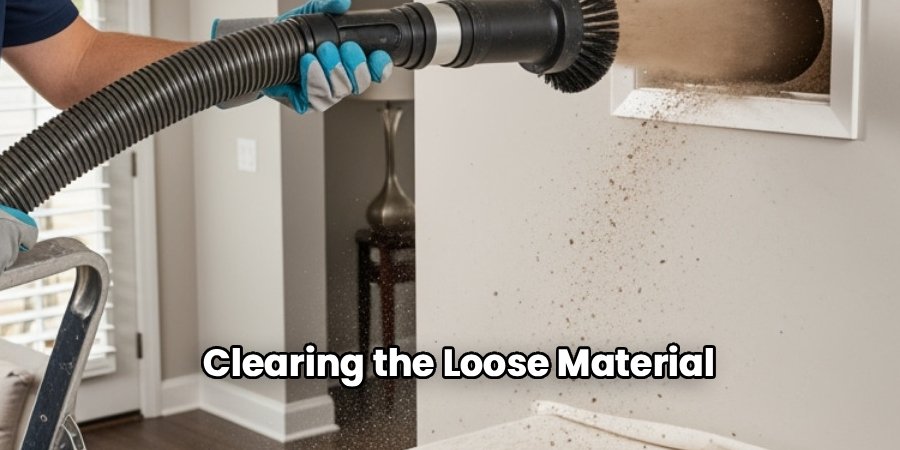
Get out what you can before introducing water. Clearing the loose material first means you’re not just packing it down deeper with the hose.
Flush the Vent With a Garden Hose
Feed the hose down into the vent pipe and have your helper turn the water on at moderate pressure. Listen and watch. If the water backs up and rises in the pipe, you’ve confirmed a lower blockage the hose alone won’t clear. If it drains freely, the flush is loosening and pushing debris down toward the main line where the system can carry it out.
Let it run for a minute or two. A steady flush often washes out the softer buildup — leaf mush, sludge, and grime that coats the inside of the pipe over the years. Watch your footing; water on a roof makes everything slicker.
Break Up Stubborn Clogs With a Drain Auger
When water pools instead of draining, it’s time for the snake. Feed the auger cable down the vent slowly, cranking the handle as you go. When you feel resistance, work the cable back and forth to chew through the blockage rather than forcing it in one hard shove.
Once the auger pushes through and you feel it give, retract it slowly — you’ll often pull debris up with it. Follow up with another hose flush to clear whatever you broke loose. Repeat the snake-and-flush cycle until water runs straight down with no backup.
Confirm the Vent Is Clear
Do a final flush and watch the water disappear cleanly. Back inside, have your helper run water in the sink that was gurgling. If the drains flow quietly and the burping stops, you’ve cleared it. The sewer smell should fade within a day as airflow returns to normal.
Vent Cleaning Methods: Dos and Don’ts
| Do This | Don’t Do This |
| Clear visible debris by hand first | Pour chemical drain cleaner down the vent |
| Flush with a garden hose at moderate pressure | Blast it with a pressure washer (can crack joints) |
| Use a drain auger for deeper clogs | Force the snake against hard resistance |
| Work with a helper spotting the ladder | Climb and clean alone |
| Wear gloves and eye protection | Reach in bare-handed near a dead animal |
| Reposition the ladder to stay centered | Lean out over the roof edge |
| Install a vent cap or screen after cleaning | Leave the stack wide open to nesting birds |
| Snake from the roof downward | Try to clear the vent from inside the house |
Common Mistakes to Avoid
- Treating it like a drain clog. Chemical cleaners and plunging do nothing for a vent blockage up on the roof. You’ll waste money and time chasing the wrong end of the system.
- Skipping the hose test. Feeding a snake blind, without first flushing to gauge the clog, means you’re guessing at depth and direction.
- Using too much pressure. A pressure washer can blow apart old glued PVC joints or crack aging cast iron. Moderate hose pressure is plenty.
- Climbing alone. Roof work is where the real danger lives — not the clog. One slip with nobody around turns a small job into an emergency.
- Forcing the auger. Ramming the cable hard can jam it or damage a fitting. Let the tip work through gradually.
- Ignoring the cap afterward. An open stack is an open invitation. Birds and squirrels will move right back in by next season.
- Reaching bare-handed. Nests carry mites and droppings, and a decomposing animal is a biohazard. Gloves stay on.
Safety and Warnings
Roof work and sewer gas both deserve real respect, so don’t shortcut these.
- The ladder is the biggest hazard, not the clog. Foot it on level ground, secure the base, and have someone hold it. Never overreach — climb down and move it.
- Never mix chemicals near the vent. If you’ve been experimenting with drain products indoors, do not follow up by pouring anything else down the stack. Combining bleach-based and ammonia-based cleaners releases toxic gas.
- Sewer gas can build up at the opening. When you first uncap or lean over a blocked vent, turn your face away for a moment. Trapped gas can be concentrated and genuinely nasty in the first breath.
- Wear gloves and eye protection. Debris, droppings, and splashback from the hose all belong away from your skin and eyes.
- Watch the weather. Wet, icy, or windy conditions make roof work dangerous. Wait for a dry, calm day.
- Know your limit. If the vent runs deep, the roof is steep, or the clog won’t budge after a couple of snake-and-flush cycles, call a plumber. Some blockages sit down in the main stack where a rooftop tool can’t reach.
- Steep or high roofs need a harness. If you’re not confident and secured, this isn’t a solo DIY job.
Maintenance and Prevention Tips
Keeping the vent clear is far easier than clearing it, and a little seasonal attention prevents most blockages entirely.
- Install a vent cap or mesh screen. This is the single best prevention. A proper cap keeps birds, squirrels, and leaves out while letting air flow. Check that the mesh isn’t so fine it clogs with frost.
- Clear the roof each fall. Leaves peak in autumn, and that’s when nests and debris pile up around and inside the stack. A quick look after leaf-drop catches trouble early.
- Watch for early gurgling. Faint drain burping is the first whisper of a partial block. Deal with it then, not after it becomes a full clog and a sewer smell.
- Trim overhanging branches. Limbs directly above the vent drop leaves straight in and give animals easy access. Cutting them back solves two problems.
- Check the cap in spring. Winter ice can crack or dislodge caps. A spring look-over confirms it’s still seated and doing its job.
- Note freeze-ups in cold climates. In deep cold, vent openings can frost over from escaping moisture. If drains slow only in a hard freeze, a narrowed or capped-too-tight stack may be icing up.
- Keep a log. Jot down when you last cleared or inspected the vent. Patterns show you whether one stack fouls faster than the rest.
Frequently Asked Questions
How do I know if my plumbing vent is clogged?
Listen for gurgling drains, toilets that bubble when other fixtures run, and slow drainage across multiple fixtures at once. A sewer smell indoors is another giveaway. When several drains act up together — not just one — the vent is the likely culprit rather than a single drain line.
Can I clean a plumbing vent pipe myself?
Yes, if you’re comfortable and safe on a ladder and roof. Clearing debris by hand, flushing with a hose, and running an auger from the top are all doable DIY tasks on a dry, calm day. Bring a helper to spot the ladder, and call a plumber if the clog sits deep in the main stack or the roof is too steep to work safely.
Will chemical drain cleaner unclog a vent pipe?
No. Drain cleaners are made for clogs inside horizontal drain lines, not vertical vent stacks. Poured down a vent, they just splash back and do nothing for a blockage caused by leaves, nests, or debris. Stick to mechanical clearing — a hose and an auger.
What causes a plumbing vent to get blocked?
Leaves, bird and squirrel nests, and the occasional dead animal are the usual offenders. Over time, sludge and grime also coat the inside of the pipe. In cold climates, frost can narrow or seal the opening. An uncapped stack near overhanging trees clogs fastest.
How often should I clean my plumbing vent pipe?
For most homes, a yearly check in fall after the leaves drop is enough. Homes under heavy tree cover or with a history of nesting animals may need a look twice a year. If you’ve installed a good vent cap, blockages become rare — but check the cap itself each spring.
Is it dangerous to breathe sewer gas from a vent?
In small, brief amounts it’s mostly unpleasant, but concentrated sewer gas can cause headaches, nausea, and dizziness, and in high concentrations it’s genuinely hazardous. That’s exactly why the vent exists — to carry gas above the roofline. When you first open a blocked stack, turn your face away for a moment before leaning in.
The Takeaway
A vent clog fools people into fighting their drains when the real problem is sitting up on the roof. Clear the debris, flush with a hose, snake what won’t budge, then cap the stack so it stays clean. Do the roof work with a spotter on a dry day, and the whole system breathes easy again.
