
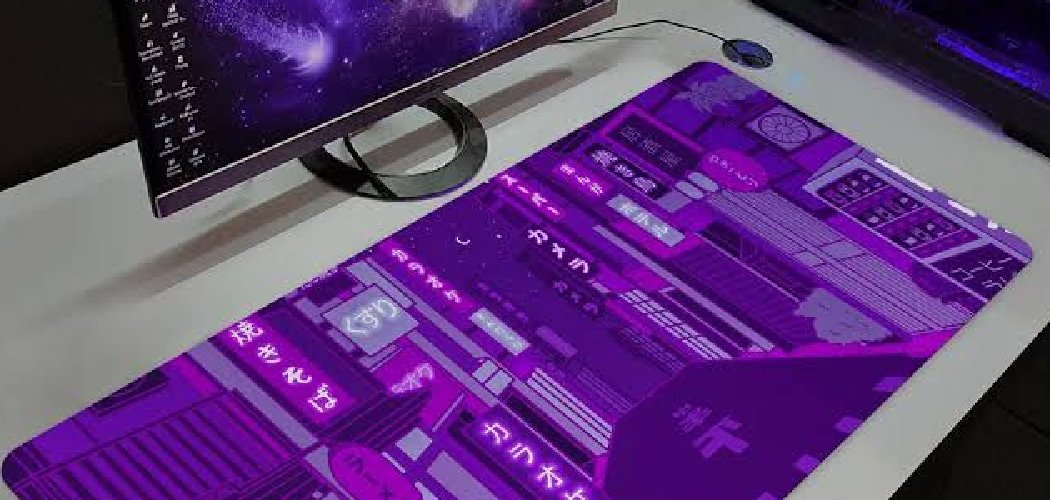
A guy once showed me his fabric deskmat and asked why the middle had turned a permanent gray-brown. He’d been “cleaning” it for a year by rubbing at it with a dry paper towel whenever it looked dingy. All that did was grind hand oil, skin cells, and coffee splatter deeper into the weave until it set like a stain. That’s the most common deskmat mistake I see — waiting until it’s filthy, then scrubbing dry instead of washing it properly.
Learning how to clean a deskmat comes down to knowing which kind you own, because a stitched-edge fabric mat and a smooth PU leather one need completely different handling. Get that part right and most mats come back looking close to new. The rest is just patience and letting it dry all the way through.
What You’ll Need
Pull these together before you start so you’re not walking away from a soaking-wet mat mid-job.
- Mild dish soap or a gentle detergent
- Lukewarm water (a bathtub or large sink helps for big mats)
- A soft-bristled brush or clean microfiber cloth
- Two microfiber cloths for wiping and drying
- A spray bottle for spot-cleaning
- White vinegar or isopropyl alcohol for tougher spots
- A dry towel large enough to lay the mat flat
- Optional: a lint roller for quick dust and hair pickup
You’ll notice there’s no washing machine on this list. I’ll explain why that’s usually a mistake further down.
Identify Your Deskmat Material First
Before any water touches it, figure out what you’re working with, because it changes everything.
Fabric/cloth mats have a stitched or heat-sealed edge and a soft, slightly textured top. These absorb spills and hold onto oils, so they need a proper wash now and then.
PU leather and hard mats have a smooth, wipeable surface and usually a solid or rubber base. These almost never need soaking — a damp wipe handles most of it.
Check the underside for a care label or a brand name you can look up. When in doubt, treat it gently and test any cleaner on a corner first.
Clean a Fabric Deskmat by Hand
This is the method for the soft, stitched mats most people own. Hand-washing keeps the shape and the rubber base intact.
- Lift off loose debris first. Run a lint roller over the surface or shake the mat outside to knock off crumbs, hair, and dust.
- Fill a tub or large sink with lukewarm water and a small squirt of mild dish soap. Skip hot water — it can loosen the glue holding the fabric to the rubber base.
- Lay the mat flat in the water, fabric side up, and let it sit for two to three minutes.
- Work the surface in small circles with a soft brush or microfiber cloth, following the direction of the weave. Give extra attention to the mouse-tracking zone and the wrist-rest edge, where oil builds up worst.
- For a set-in stain, dab a little undiluted dish soap directly on the spot and gently work it in before rinsing.
- Drain the dirty water and rinse the mat under cool running water until no suds remain. Leftover soap attracts dirt fast.
- Press — don’t wring — the mat between your hands or against the tub to push out excess water.
Take your time on the rinse. Trapped detergent is the reason a “clean” mat starts looking dingy again within a week.
Spot-Clean a PU Leather or Hard Mat
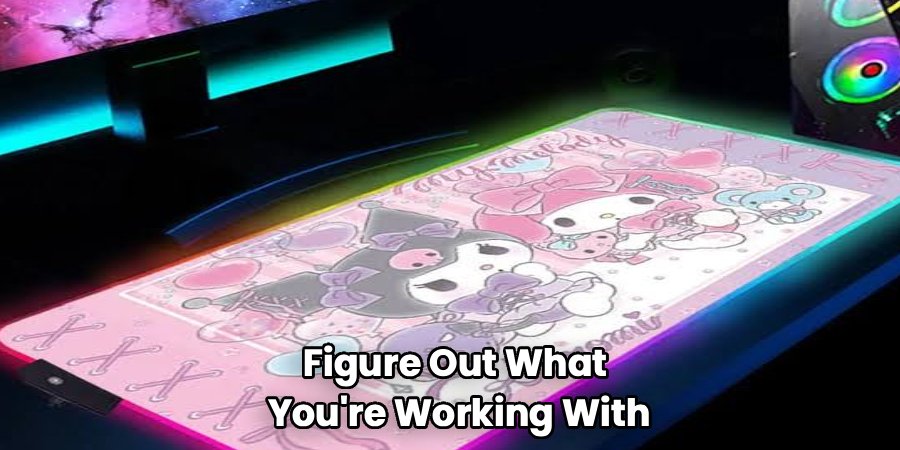
For smooth mats, a full soak is overkill and can seep into the base layer.
Mix a few drops of dish soap into a spray bottle of lukewarm water. Mist a microfiber cloth — not the mat itself — and wipe the surface in long, even strokes. For stubborn marks like ink or dried coffee, put a little isopropyl alcohol on a cloth and blot the spot, then wipe with plain water to remove residue. Follow immediately with a dry cloth. The whole thing takes five minutes and the mat is usable again within the hour.
Dry the Mat Completely Before Using It
This step wrecks more mats than any cleaner does, so don’t rush it.
Lay the mat flat on a dry towel, fabric side up, somewhere with good airflow. Roll the towel and mat together and press gently to pull out moisture, then unroll and leave the mat flat to air-dry. Never hang a fabric mat over a rail — the weight of the water stretches it and warps the rubber base into a permanent curl. Skip the dryer, the hairdryer on hot, and direct sun, all of which can crack the base or peel the surface. Depending on thickness and humidity, a full dry takes 12 to 24 hours.
Deskmat Cleaning: What to Do vs. What to Avoid
Clients used to ask me for the fastest shortcut, usually meaning “can I just throw it in the machine.” Here’s how the common approaches actually hold up.
| Method / Approach | Fabric mat | PU/hard mat | Verdict |
| Hand-wash in mild soapy water | Yes | No, overkill | Best for fabric |
| Damp microfiber wipe | For spots | Yes | Best for smooth mats |
| Isopropyl alcohol on tough spots | Yes, spot only | Yes | Fine in small amounts |
| Lint roller for dust and hair | Yes | Not needed | Great quick upkeep |
| Washing machine | Risky | No | Can shred edges, peel base |
| Tumble dryer or hot hairdryer | No | No | Cracks and warps the base |
| Bleach or harsh cleaner | No | No | Fades color, degrades material |
| Hanging to dry | No | No | Stretches and curls the mat |
| Air-dry flat | Yes | Yes | The only safe drying method |
Common Mistakes to Avoid
These are the repeat offenders that turn a simple wash into a ruined mat:
- Scrubbing a dry mat. Rubbing dirt with a dry towel grinds oil and grime deeper into the fibers. Always loosen debris first, then wash with water.
- Machine-washing on a whim. The agitation frays stitched edges and can peel the fabric off the rubber base. If you must use a machine, cold water, gentle cycle, and a laundry bag only — and know it’s a gamble.
- Using hot water. Heat softens the adhesive between the fabric and base, leaving you with bubbling or separation.
- Skipping the rinse. Leftover soap acts like a magnet for dust and makes the mat dingy again within days.
- Wringing a fabric mat. Twisting cracks the rubber backing and warps the shape. Press the water out instead.
- Hanging it to dry. Wet weight stretches the mat and curls the corners so they never lie flat again.
- Drenching a PU leather mat. Water seeps into the base layer and lifts the top surface over time. Damp wipes only.
Safety and Warnings
There’s not much danger here — you’re mostly working with mild soap and water on a desk accessory, so no fumes or protective gear needed for basic cleaning. The real risks are to the mat itself and to any electronics nearby.
Test cleaners on a hidden corner first. Before using alcohol or vinegar on the whole surface, dab a small amount on a bottom corner and let it dry to check for fading or texture change.
Never mix cleaning products. Dish soap and water handle nearly everything. Don’t combine bleach with ammonia or vinegar — that releases toxic fumes for zero benefit on a deskmat.
Keep water away from your electronics. Clean the mat far from your keyboard, mouse, and any powered devices. A wet mat back on the desk near a power strip is an easy accident.
Ventilate if you use isopropyl alcohol. It’s fine in small amounts, but crack a window if you’re spot-treating several stains so you’re not breathing the vapor in a closed room.
Make sure the mat is bone dry before it goes back down. A damp mat traps moisture against the desk surface and can grow mildew or leave a musty smell underneath.
Maintenance and Prevention Tips

Stay ahead of the grime and you’ll almost never need a full wash:
- Run a lint roller over it every few days. A quick pass lifts crumbs, hair, and dust before they work into the weave. This is the single habit that keeps fabric mats looking fresh longest.
- Wipe smooth mats down weekly. A dry or barely-damp microfiber cloth clears the oily film your hands leave behind, especially around the mouse zone.
- Wash your hands before long sessions. Hand oil and lotion are the main reason the center of a mat darkens. Cleaner hands mean a cleaner mat.
- Keep drinks off the mat. Move your coffee to a coaster on the far side of the desk. Most set-in stains I saw came from a knocked-over mug.
- Deep-clean fabric mats every one to two months. Regular use with food or drinks nearby calls for the higher end of that range.
- Watch humidity in summer. In humid months a mat takes far longer to dry, so plan your wash for a day you can leave it out flat overnight with a fan running.
Frequently Asked Questions
Can you machine-wash a deskmat?
Most fabric mats aren’t built for it, and the agitation can fray the stitched edges or peel the fabric off the rubber base. If the care label allows it, use cold water, a gentle cycle, and a mesh laundry bag, then air-dry flat. Hand-washing is safer and gives you more control over the result.
How do you get stains out of a fabric deskmat?
Dab a little undiluted dish soap directly on the spot and gently work it into the weave before rinsing. For ink or dried coffee, blot with a cloth dampened in isopropyl alcohol, then wipe with plain water. The key is treating the stain during a wash, while the fibers are already wet.
How often should you clean a deskmat?
Lint-roll it every few days, wipe smooth mats weekly, and deep-wash a fabric mat every one to two months. If you eat or drink at your desk often, lean toward the shorter interval. Regular light upkeep means you’ll rarely face a heavily soiled mat.
Why does the middle of my deskmat turn dark?
That darkening is built-up hand oil, lotion, and skin cells pressed into the fabric right where your wrist and mouse sit most. Washing your hands before use and deep-cleaning on schedule keeps it from setting in. Once it’s fully set, it may not lift completely, so catch it early.
How long does a deskmat take to dry?
Plan on 12 to 24 hours for a fabric mat air-drying flat, longer in humid weather. Smooth PU mats dry in under an hour since you’re only wiping the surface. Never speed it up with a dryer or hot hairdryer, which can crack the base.
Can you use disinfectant wipes on a deskmat?
On smooth PU or hard mats, an occasional wipe is fine, but follow with a plain-water wipe to remove residue. On fabric mats, skip them — the alcohol and additives can fade the color and dry out the material unevenly. Stick with mild soap and water for cloth surfaces.
The Bottom Line
Match the method to the material, rinse fabric mats until the water runs clear, and let everything dry flat before it touches your desk again. Do that and your mat stays looking sharp instead of slowly turning gray in the middle.
