
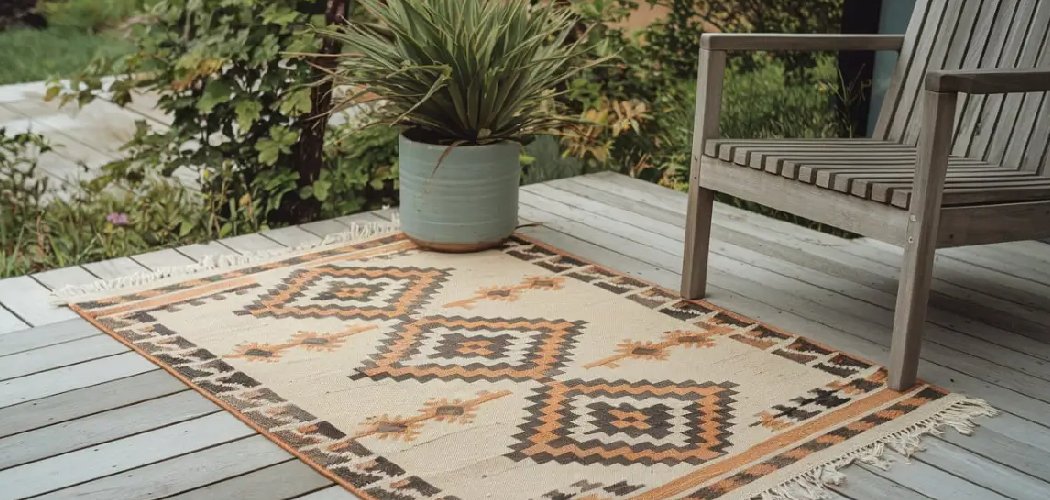
Someone once soaked their brand-new bamboo rug in a bathtub full of sudsy water, thinking it would come out looking fresh. It came out warped, cracked, and permanently curled at the corners. Bamboo is a grass, not a fabric, and drowning it is the fastest way to ruin one.
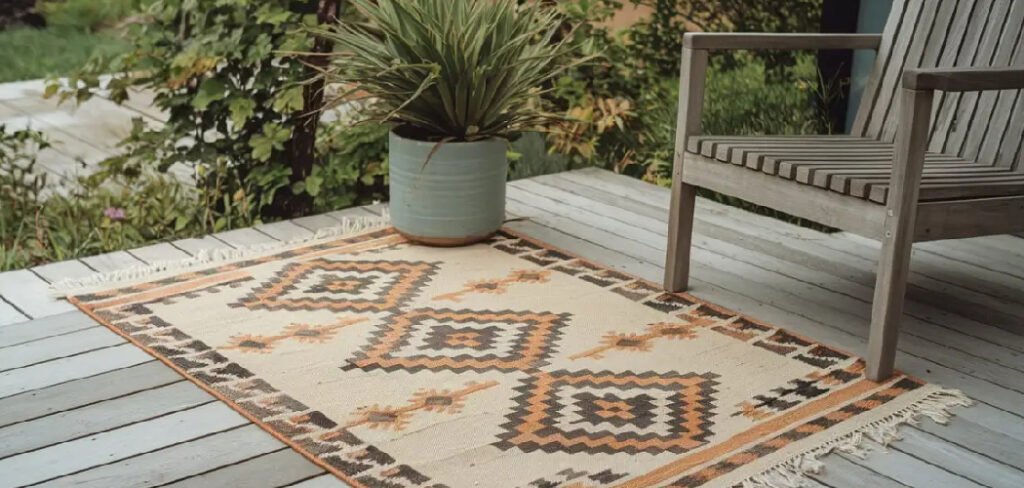
Knowing how to clean bamboo rug comes down to one rule: keep water to a minimum and never let moisture sit. Do that, and these rugs stay gorgeous for years. Ignore it, and you’ll be shopping for a replacement sooner than you’d like.
What You’ll Need
- A vacuum with a hard-floor or suction-only setting (no rotating beater bar)
- A soft-bristle broom or dust mop
- Two clean microfiber cloths
- A bucket of lukewarm water
- Mild dish soap or a pH-neutral cleaner
- A spray bottle
- White vinegar (for spot treatment)
- A dry towel for blotting
- A small soft brush or old toothbrush for grout-like seams
Vacuum and Sweep the Loose Debris First
Start dry, always. Bamboo slats trap grit in the gaps between strips, and that grit acts like sandpaper underfoot, scratching the finish over time. Run your vacuum on the suction-only setting, moving in the direction of the slats, not across them.
If your vacuum only has a beater bar you can’t switch off, skip it and use a soft broom instead. Those spinning bristles snag on woven edges and fray the binding. Sweep along the grain, then flip the rug and shake it out or vacuum the underside too, since dust settles there and holds moisture against the backing.
Spot-Clean Spills Before They Set
Move fast on spills. Bamboo doesn’t absorb liquid the way carpet does, but if a drink sits long enough it seeps into the seams and leaves a dark watermark that’s nearly impossible to lift.
Blot, don’t rub. Press a dry microfiber cloth straight down onto the spill and lift. Repeat with a fresh section of cloth until no more liquid transfers.
For sticky or greasy spots, mix a few drops of dish soap into a cup of lukewarm water. Dampen a corner of your cloth, wring it until it’s barely moist, and wipe the spot. Follow immediately with a second cloth dampened with plain water to rinse, then blot dry.
Handling Stubborn Stains
For food, coffee, or wine that’s already dried, mix one part white vinegar to four parts water in your spray bottle. Mist it lightly onto the stain, wait 30 seconds, then work it gently with a soft brush along the grain. Blot dry right away. Clients used to ask me why their stain came back a day later, and it was almost always because they left the area damp and the residue wicked back up as it dried.
Do a Light Overall Clean
When the whole rug looks dull, you can wipe it down, but keep it barely damp. Dip a microfiber cloth in your soapy water, wring it hard, and wipe a small section following the slats. Rinse with a second damp cloth, then dry the section with a towel before moving to the next.
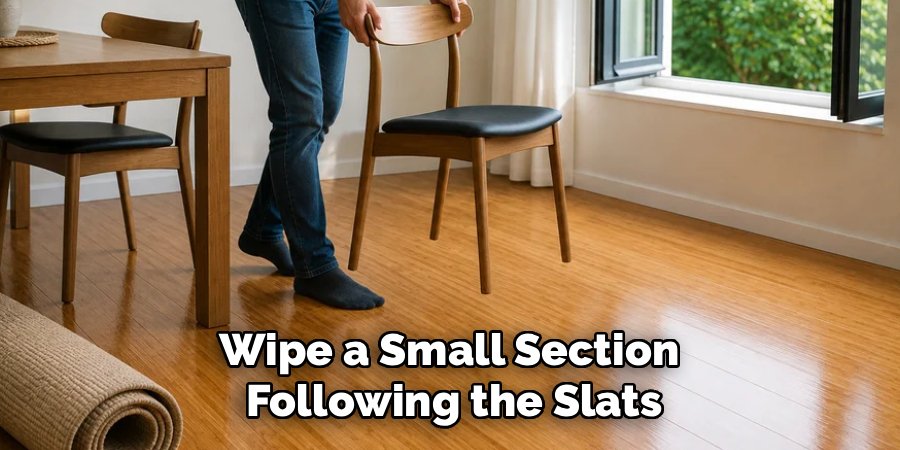
Work in patches rather than wetting the entire rug at once. This keeps water from pooling and lets each strip dry as you go. Never let standing water sit on bamboo for more than a few seconds.
Dry It Completely
Drying matters more than washing. Lay the rug flat in a well-ventilated room or outdoors in the shade, never in direct sun. Harsh sunlight fades and bleaches bamboo, and it dries the slats unevenly so they warp.
Prop it up on its side or hang it over two chairs to let air circulate underneath. A fan speeds things along. Don’t put the rug back on the floor until both sides feel bone dry to the touch.
Dos and Don’ts at a Glance
| Do This | Avoid This |
| Vacuum with suction only, along the grain | Using a rotating beater bar |
| Blot spills immediately | Letting liquid soak in |
| Use a barely-damp cloth | Soaking, hosing, or bathtub washing |
| Dry flat in the shade | Drying in direct sunlight |
| Use mild soap or diluted vinegar | Bleach, ammonia, or harsh solvents |
| Clean along the slats | Scrubbing across the grain |
| Flip and clean both sides | Ignoring the underside |
Common Mistakes to Avoid
Overwetting the rug. This is the big one. Bamboo swells when wet and shrinks as it dries, and repeated soaking cracks the individual slats. If you remember nothing else, remember to keep it damp, never wet.
Skipping the dry vacuum. People jump straight to wet cleaning and end up grinding trapped grit deeper into the finish. Always remove loose debris first.
Scrubbing across the slats. Working sideways lifts the edges of each strip and loosens the string that binds them. Move with the grain every time.
Using the wrong cleaners. Oil soaps and furniture polish leave a slick film that attracts more dirt. Stick to a small amount of mild dish soap or diluted vinegar.
Rolling it up while damp. Trapped moisture inside a rolled bamboo rug invites mildew and leaves a musty smell you can’t get rid of.
Safety and Warnings
Bamboo rugs are low-risk to clean, but a few cautions still apply.
- Patch test first. Before using any cleaner, even diluted vinegar, test it on a hidden corner. Some bamboo rugs have a lacquer or sealant finish that can react and dull.
- Never mix cleaning products. Don’t combine bleach and ammonia or any store-bought cleaners together. The fumes are genuinely dangerous, and neither belongs on bamboo anyway.
- Skip bleach entirely. It strips the natural color and weakens the fibers, leaving pale, brittle patches.
- Ventilate when using vinegar. It’s mild, but open a window if the smell bothers you, especially in a small room.
- Watch your footing. A damp bamboo rug is slippery. Keep it off the floor until it’s fully dry so nobody takes a fall.
Keep It Cleaner for Longer
A little prevention saves you from deep cleaning altogether.
- Vacuum weekly. Regular light passes stop grit from building up in the seams.
- Rotate the rug every couple of months so foot traffic and any sun exposure wear it evenly.
- Use a rug pad underneath. It cushions the slats, stops sliding, and lets air move under the rug so moisture doesn’t get trapped against the floor.
- Keep shoes off it. Outdoor grit and salt are rough on bamboo, and a no-shoes rule cuts your cleaning in half.
- Mind the humidity. In damp climates, run a dehumidifier or fan near the rug. Bamboo takes on moisture from the air, and I’ve seen rugs in humid coastal homes develop a slight curl at the edges during the wettest months. A steady, dry indoor climate keeps them flat.
- Address spills the second they happen. Waiting is what turns a wipeable drip into a permanent mark.
FAQ
Can you wash a bamboo rug with water?
You can use water, but sparingly. Wipe it down with a barely-damp cloth and dry it right away. Never soak, hose, or submerge a bamboo rug, since heavy water exposure warps and cracks the slats.
How do you get stains out of a bamboo rug?
Blot fresh spills immediately with a dry cloth. For set-in stains, mist a solution of one part white vinegar to four parts water, wait 30 seconds, gently brush along the grain, then blot dry. Always dry the spot fully so the stain doesn’t wick back up.

Can bamboo rugs get wet or go outside?
Some bamboo rugs are made for patios and can handle a light rain, but they still shouldn’t stay wet. Bring them under cover during heavy weather and let them dry flat afterward. Indoor bamboo rugs should be kept away from moisture entirely.
How do you remove mildew or a musty smell from a bamboo rug?
Wipe the affected area with a cloth dampened in diluted vinegar, which kills mildew and neutralizes odor. Then dry the rug completely in a ventilated spot out of direct sun. Musty smells usually mean the rug was stored or rolled while damp, so make sure it’s fully dry before putting it away.
How often should you clean a bamboo rug?
Vacuum or sweep weekly to keep grit out of the seams, and spot-clean spills as they happen. A light overall wipe-down every month or two is plenty for most homes, more often in high-traffic areas.
Why is my bamboo rug curling at the edges?
Curling usually comes from moisture or uneven drying. High humidity, a damp floor underneath, or drying in direct sun all cause it. Use a rug pad for airflow, keep the room’s humidity in check, and dry the rug flat if it’s gotten wet.
Final Word
Bamboo rugs reward a gentle, dry-first approach and punish anyone who tries to deep-soak them. Keep the water minimal, dry every damp spot completely, and vacuum along the grain, and yours will keep that clean, natural look for years.
