
A man once dragged his grandmother’s hand-knotted Turkish rug onto the driveway, blasted it with a pressure washer, and scrubbed it with a stiff deck brush and a bucket of bleach solution. Two weeks later he called me, near tears, because the reds had bled into the cream field and half the pile had gone stiff and matted. Bleach and brute force are the fastest way to destroy a rug that took someone months to knot by hand.
Most Turkish rugs are wool, sometimes wool-on-cotton or silk, dyed with colors that can and will run if you flood them or use the wrong cleaner. Knowing how to clean a Turkish rug comes down to gentle methods, cool water, and pH-safe products that respect both the fibers and the dyes. Do it right and these rugs get better with age — I’ve handled 80-year-old pieces that still look richer than anything off a showroom floor.
What You’ll Need
- Vacuum with adjustable height (beater bar off for older or fringed rugs)
- Soft-bristled brush or a clean broom
- Two buckets — one for solution, one for rinse water
- Wool-safe or pH-neutral rug shampoo (never a general carpet cleaner)
- White vinegar (for a dye-setting test rinse)
- Several white microfiber cloths and old towels
- A soft sponge or upholstery brush
- Squeegee or wet-vac for extraction
- Garden hose with a gentle spray setting (for full washes)
- Rubber gloves
- A shaded, well-ventilated spot to dry
Stick to white cloths and pale sponges. Colored ones can transfer dye into a light-colored field, and with wool that soaks up moisture, that transfer sets fast.
Test the Dyes Before You Touch the Rug
This single step separates a clean rug from a ruined one. Vegetable and older synthetic dyes on Turkish rugs aren’t always colorfast, and reds are the usual troublemakers.
Run a Colorfastness Check
Dampen a white cloth with your cleaning solution and press it firmly onto a hidden section — the back edge or a spot under furniture. Hold it there for ten seconds, then check the cloth. If any color transfers, stop. That rug needs a professional; any water cleaning at home will bleed.
Why Reds Bleed First
Older madder-root reds and some cheap modern dyes are the least stable. I always warned clients that if a rug had a bright crimson border, we tested that border three times before committing. A rug that passes on the cream field can still bleed on the red.
Beat the Dust Out First
Turkish rugs hold an astonishing amount of grit deep in the pile — far more than you’d guess from the surface. Cleaning wet before you remove that dry soil just turns it into mud.
Vacuum Both Sides
Vacuum the top slowly with the beater bar off, moving with the pile, not against it. Then flip the rug and vacuum the back. The vibration loosens embedded grit that top-only vacuuming never reaches.
Take It Outside if You Can
For a smaller rug, drape it over a railing and tap it with the flat of a broom. You’ll be shocked at the cloud that comes out. This dry step alone removes most of what makes a rug look dull.
Wash With Cool Water and a Wool-Safe Shampoo
Once the dust is gone and your dye test is clean, you can wash. Cool water only — heat makes wool dyes bleed and can shrink the foundation.
Mix a Gentle Solution
Add a capful of wool-safe or pH-neutral shampoo to a bucket of cool water. Skip anything labeled for synthetic carpet, and never use dish soap with degreasers or brighteners. Whip it into suds and work mostly with the foam.

Work the Foam Along the Pile
Dip your soft sponge or brush into the suds and stroke it gently in the direction of the pile. Cover the whole surface in sections, always moving one way. Don’t scrub in circles — that mats wool and breaks the tips of the fibers.
Rinse Until the Water Runs Clear
Rinse with cool water from a hose on low pressure, or wipe repeatedly with clean, water-dampened cloths. Keep rinsing until no suds appear. Leftover shampoo attracts dirt and stiffens the pile as it dries.
Here’s the full wash in order:
- Vacuum both sides and beat out the dry dust.
- Test the dyes on a hidden spot and wait for a clean cloth.
- Mix cool water with a wool-safe shampoo into foam.
- Sponge the foam along the pile in sections, one direction only.
- Rinse thoroughly with cool water until it runs clear.
- Add a splash of white vinegar to a final rinse to help set the dyes.
- Squeegee or wet-vac out as much water as possible.
- Dry flat or draped in the shade with good airflow.
Extract the Water and Dry It Flat
Wet wool is heavy and slow to dry, and a rug left damp will mildew and smell within a day or two.
Push Out the Moisture
Run a squeegee across the surface in the direction of the pile to press water out, or use a wet-vac. The more you extract now, the faster and safer the drying.
Dry in the Shade, Never Full Sun
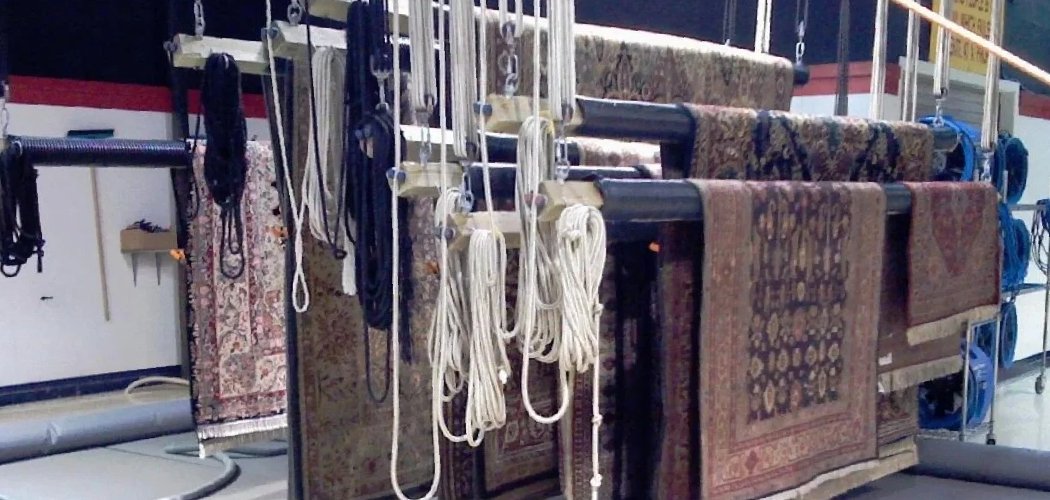
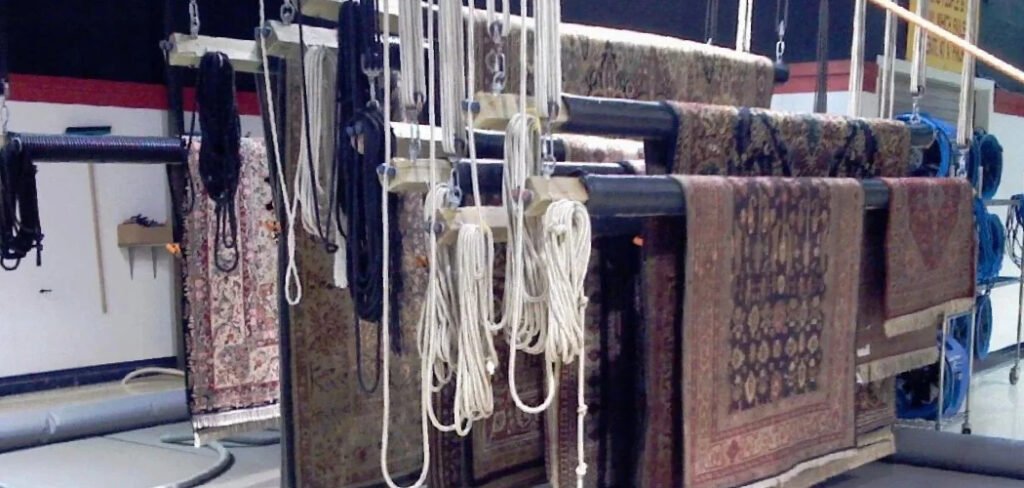
Lay the rug flat or drape it over a rail in a breezy, shaded spot. Direct sun fades the dyes unevenly, so keep it out of harsh light. Flip it once it’s dry on top so the back dries fully too — a rug that dries damp underneath is a rug that grows mildew.
Method Comparison: What Works and What Wrecks It
| Approach | Safe for a Turkish Rug? | Why |
| Vacuuming both sides | Yes | Removes deep grit without damage |
| Beating out dust | Yes | Clears soil before any water |
| Cool water + wool shampoo | Yes | Cleans without bleeding dyes |
| White vinegar rinse | Yes | Helps set colors, cuts odor |
| Foam sponged with the pile | Yes | Lifts dirt without matting wool |
| Squeegee extraction | Yes | Speeds safe drying |
| Hot water | No | Bleeds dyes and shrinks foundation |
| Bleach or ammonia | No | Destroys wool and strips color |
| Stiff-brush scrubbing | No | Mats the pile and snaps fibers |
| Pressure washing | No | Blows knots loose, forces dye to run |
| Drying in direct sun | No | Fades colors unevenly |
| General carpet cleaner | No | Too harsh, wrong pH for wool |
Common Mistakes to Avoid
- Skipping the dye test. One ten-second check saves you from a permanently bled rug.
- Using hot water. Heat is what makes those beautiful dyes run into each other.
- Scrubbing in circles. It felts the wool into dull, matted patches that never fully recover.
- Reaching for bleach or strong stain removers. They eat wool and strip color on contact.
- Leaving shampoo in the pile. Residue stiffens the fibers and pulls in new dirt fast.
- Drying it damp or in the sun. Damp breeds mildew; sun fades the colors you were trying to protect.
- Vacuuming the fringe with a beater bar. The spinning brush chews through knotted fringe in seconds.
Safety and Warnings
The bigger risk here is to the rug, but a few real cautions protect you too.
- Never mix cleaning products. Don’t combine bleach and ammonia, or a store cleaner with vinegar — some blends release harmful fumes. Use one product at a time.
- Ventilate the space. If you’re washing indoors or using any scented or solvent-based cleaner, open windows and run a fan.
- Test in a hidden area first. Beyond the dye check, patch-test any new product on the back edge and let it dry before treating a visible area.
- Wear gloves. Even mild shampoos dry out and irritate skin over a long wash.
- Mind the weight. A soaked wool rug can weigh three or four times its dry weight — lift with your legs, or get a second pair of hands, so you don’t strain your back or drop it onto a dirty floor.
For antique, silk, or high-value pieces, or any rug that fails the dye test, take it to a specialist who hand-washes rugs. The cost of a proper wash is nothing next to replacing an heirloom you bled at home.
Keep Your Turkish Rug Looking Good Longer
Wool is naturally tough and even somewhat stain-resistant, so a little routine care keeps deep cleaning years apart.
- Vacuum lightly once a week. Beater bar off, moving with the pile, to lift grit before it grinds down the fibers.
- Rotate it twice a year. This evens out foot traffic and sun exposure so no single area wears or fades first.
- Use a quality rug pad. It cushions the knots, stops sliding, and lets air move underneath.
- Blot spills the moment they happen. Press a dry white cloth straight down — don’t rub — and blot with a splash of cool water and mild soap if needed.
- Keep it out of harsh direct sun. A sheer curtain or occasional rotation prevents that faded stripe along a window.
- Address moths early. Wool is moth food. Vacuum the back and under furniture regularly, since moths love the dark, undisturbed spots. In late summer I always told clients to lift the rug and check the underside, because that’s when larvae quietly do the most damage.
- Deep clean every one to three years. Depending on traffic, that’s plenty for wool — over-washing does more harm than leaving it alone.
Frequently Asked Questions
Can you wash a Turkish rug with water?
Yes, most wool Turkish rugs handle a gentle cool-water wash well, but only after you’ve tested the dyes for colorfastness. Use cool water, a wool-safe shampoo, and rinse thoroughly, then dry it flat in the shade. If any color transfers during your test, skip the water and call a professional.

Why is the color running on my Turkish rug?
The dyes weren’t colorfast, and heat or too much water set them loose. Older madder reds and some cheap synthetic dyes bleed easily, especially in warm water. Always run a hidden-spot dye test first, wash in cool water only, and add a splash of white vinegar to the final rinse to help lock the colors in place.
How do you get stains out of a Turkish rug?
Blot fresh spills immediately with a dry white cloth, pressing straight down rather than rubbing. For most marks, dab with cool water and a little wool-safe soap, then blot dry. Skip bleach and harsh stain removers entirely — they strip color and damage wool. Set-in or unknown stains are best left to a rug specialist.
Can you steam clean a Turkish rug?
It’s risky and generally not recommended for wool Turkish rugs. The heat and moisture can bleed the dyes, shrink the cotton foundation, and mat the pile. Cool-water hand washing is far safer, and true antiques should only be hand-washed by a professional.
How often should you clean a Turkish rug?
Vacuum lightly once a week and blot spills as they happen. A full deep clean only needs doing every one to three years, depending on how much traffic the rug gets. Wool is naturally resilient, so over-cleaning does more harm than good.
How do you dry a Turkish rug without damaging it?
Extract as much water as you can with a squeegee or wet-vac, then dry the rug flat or draped in a shaded, breezy spot. Keep it out of direct sun to protect the colors, and flip it once the top is dry so the back dries fully. Never leave it damp, or mildew will set in fast.
Final Word
Treat a Turkish rug with patience: test the dyes, keep the water cool, and dry it slow and flat in the shade. Handle it that way and a good wool rug will outlast you, looking better with every passing decade.
