
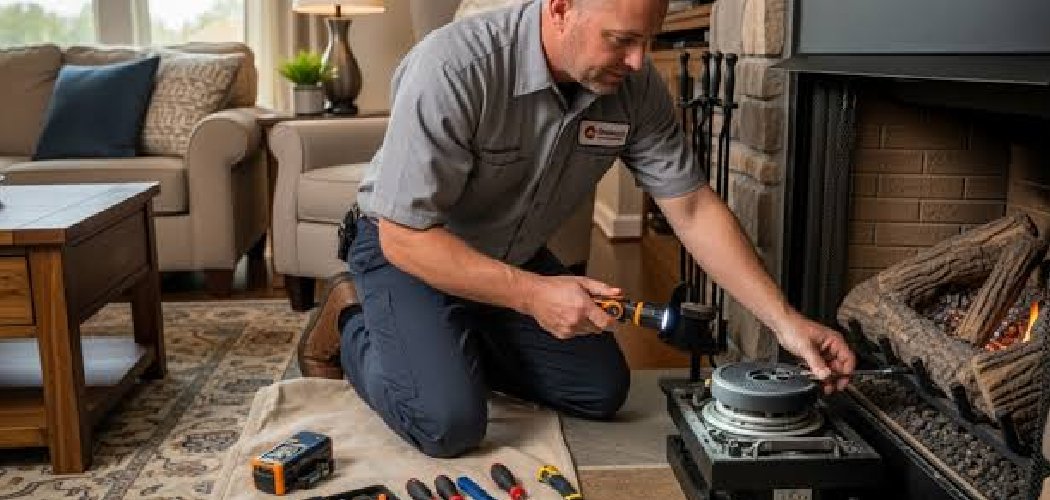
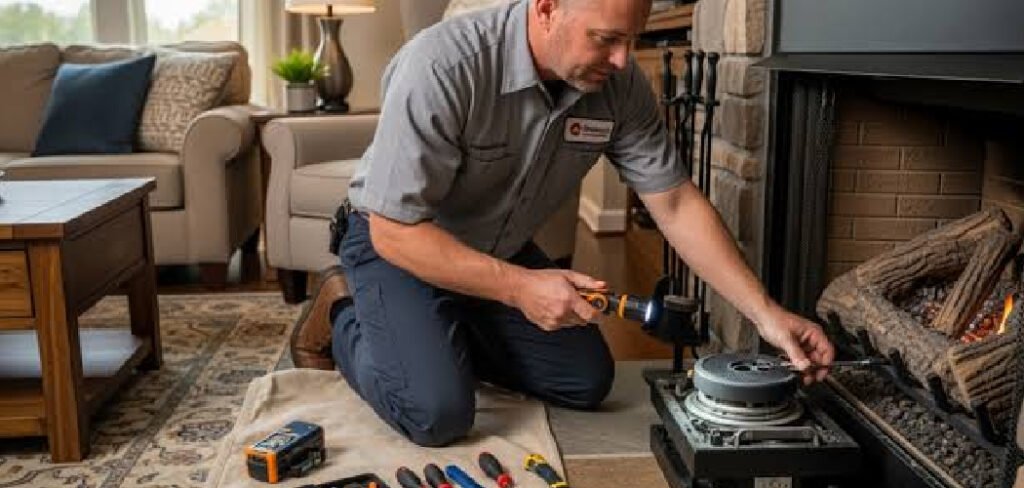
The homeowner sprayed all-purpose cleaner across the whole log set, wiped it down, and lit the fireplace an hour later — and the whole room filled with a chemical stink that took three days to clear. That’s the number one mistake I saw with ventless sets: any cleaner, oil, or residue you leave on the logs gets vaporized straight into the room you’re breathing in, because a vent-free unit has no chimney to carry it away. What works on a wood mantel will poison the air off a ventless burner.
Learning how to clean gas logs ventless means unlearning almost everything about normal cleaning: no sprays, no water, no scrubbing. The whole job is a dry, gentle dusting that keeps the ceramic intact and the oxygen sensor working. Get it right and your logs glow evenly, the room stays odor-free, and the safety shutoff never trips when you don’t want it to.
What You’ll Need
Set everything out before you open the firebox, because you’ll want both hands free once you start lifting fragile ceramic pieces:
- A soft paintbrush or clean makeup brush
- A vacuum with a soft brush attachment
- A can of compressed air
- A dry microfiber cloth
- A cotton swab or small dry brush (for the oxygen sensor and pilot)
- A pencil or masking tape (for marking log positions)
- A flashlight
- Work gloves
- A dust mask
- An old sheet or drop cloth
Shut Off the Gas and Let the Set Cool Completely
Turn the gas valve to “OFF” and wait for the pilot to go out fully. If the fireplace has been running, give it a solid hour — ceramic fiber logs hold heat long after the flame dies, and they’ll sting your fingers even when they look stone cold.
Spread your drop cloth across the floor in front of the firebox. Ventless logs shed fine soot the moment you disturb them, and that dust drifts onto light carpet fast if you skip the cover.
Photograph the Log Layout Before You Touch Anything
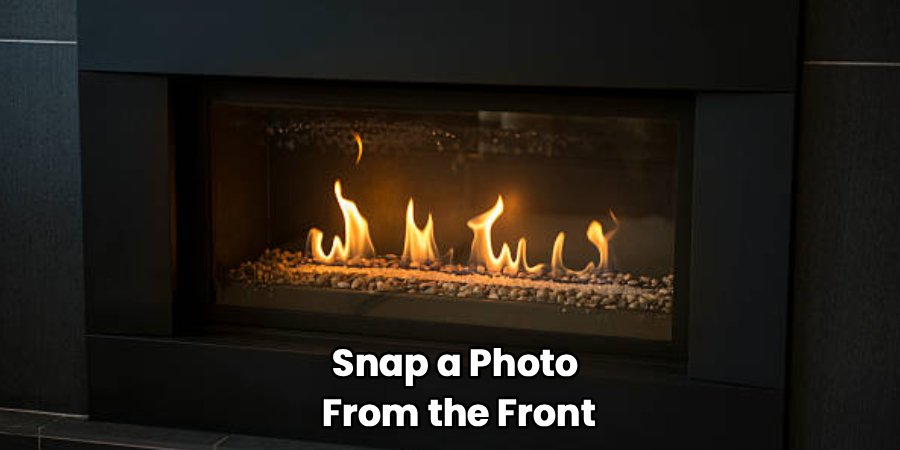
Snap a photo from the front and one from directly above before you move a single piece. On a ventless set, log placement isn’t decorative — it’s engineered to keep the flame burning clean and complete, and a log out of position means more soot and a tripped safety sensor.
Mark each log’s spot with masking tape or a light pencil line if the photo isn’t clear. Clients used to swear their fireplace “started smelling” right after a cleaning, and nearly every time a log had gone back a half-inch off its slot, throwing off the burn. On a vent-free unit that misplacement doesn’t just look wrong — it changes the air you breathe.
Lift Out Each Log Gently
Remove the logs one at a time, supporting each from underneath instead of pinching the ends. Ceramic fiber gets brittle at the thin tips, and they snap under almost no pressure.
Lay each log on the drop cloth in the same order you pulled it. Don’t stack them — the weight of one log on another is enough to crack the piece underneath.
Brush and Vacuum the Logs Dry
Hold each log over the drop cloth and sweep it with the soft brush, working top to bottom so loose soot falls away instead of grinding back into the surface. Brush along the molded grain, not against it.
Then run the vacuum’s soft brush attachment lightly over the log to lift what the brushing loosened. Keep the suction gentle — a strong nozzle held too close chips the fragile edges. For the deep grooves and drilled flame ports, a short burst of compressed air clears the dust a brush can’t reach. Never reach for a damp cloth here; moisture soaks into ceramic fiber and cracks it the next time the burner heats up.
Clean the Burner, Ports, and Oxygen Depletion Sensor
With the logs out, look at the burner pan and blow the ports clear with compressed air. A clogged port is what gives you a weak, uneven flame and extra soot.
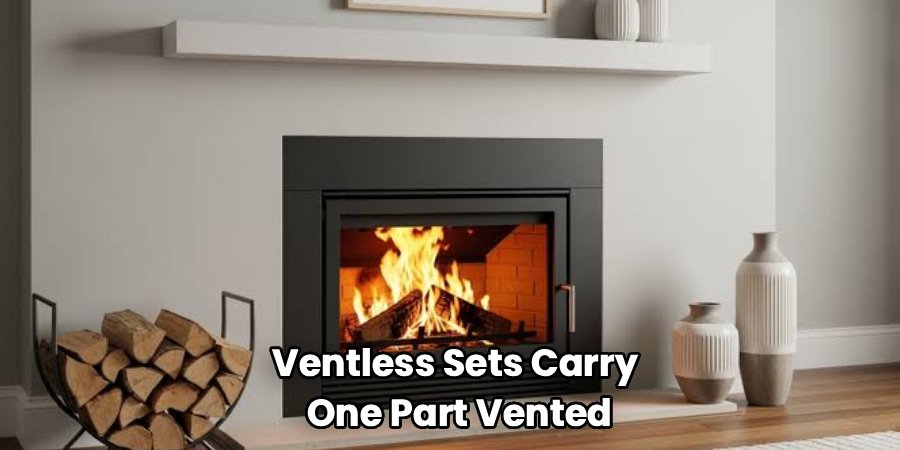
Ventless sets carry one part vented logs don’t: an oxygen depletion sensor (ODS) sitting near the pilot. This is the safety device that shuts the fireplace off if room oxygen drops. Dust it very gently with a dry cotton swab or soft brush — never a wet one, and never bend or nudge the pilot assembly. A dusty ODS is the most common reason a healthy fireplace starts shutting itself off for “no reason.” Clear it lightly and leave the alignment exactly as you found it.
Wipe the Firebox and Glass, If You Have One
Dust the firebox walls with a dry microfiber cloth. Many ventless sets have no glass front at all, but if yours does, wait until it’s fully cool and use a cloth barely dampened with a fireplace-rated glass cleaner — never household glass spray, which can etch heat-treated surfaces and leave residue that off-gasses.
Buff the glass dry immediately so nothing bakes on when you relight. Keep every trace of cleaner off the logs and burner themselves.
Reassemble and Test the Flame
Put each log back exactly where your photo shows, seating it gently into its original slot. Double-check that no log covers a burner port, blocks the ODS, or leans on the pilot.
Turn the gas back on and light the fireplace. Watch the first several minutes: the flame should rise evenly and wrap the logs without heavy yellow tips or black smoke, and the ODS shouldn’t trip. If one area burns high or a log starts sooting, shut it down and re-check that piece’s placement.
Dry Dusting vs. Wet Cleaning: What Works and What Wrecks a Ventless Set
Because a vent-free unit has no chimney, everything you leave behind ends up in your room air. This table shows what belongs near the logs and what quietly causes problems.
| Task | Do This | Avoid This | Why It Matters |
| Removing soot | Soft brush + gentle vacuum | Wet rag, sponge, or water | Moisture cracks ceramic fiber when reheated |
| Cleaning products | Keep logs bone dry | Any spray, degreaser, or soap | Residue vaporizes into the room you breathe |
| Deep grooves & ports | Short bursts of compressed air | Wire brush or scrubbing pad | Bristles gouge the molded surface |
| Oxygen sensor (ODS) | Dry cotton swab, light touch | Any liquid or heavy pressure | Wet or bent sensors cause false shutoffs |
| Glass front | Fireplace-rated cleaner on cool glass | Ammonia household spray | Ammonia etches and leaves off-gassing residue |
| Discoloration | Leave normal spotting alone | Sanding or bleaching | Thinning the log changes the burn |
| Handling | Support from underneath | Pinching thin tips | Fragile ends snap under light pressure |
Wet cleaning has essentially no place on a ventless set. Dry methods only — the room air depends on it.
Common Mistakes to Avoid
These are the errors that turn a quick dusting into a smelly room or a fireplace that won’t stay lit:
- Using sprays, oils, or water on the logs. With no chimney, any residue burns off into your living space. Dry brush and vacuum only.
- Cleaning or wetting the oxygen sensor. A damp or bumped ODS trips the safety shutoff and leaves you baffled about why the fireplace keeps quitting.
- Skipping the layout photo. Guessing at placement blocks ports, worsens combustion, and raises soot and odor.
- Scrubbing with a wire brush or abrasive pad. You’ll carve up the molded texture and shorten the log’s life.
- Vacuuming too aggressively. A strong nozzle held close chips the fragile edges. Keep it light with the soft attachment.
- Reassembling while parts are still warm. Hot logs burn your hands and get placed in a rush.
Safety and Warnings
You’re working around natural gas, a combustion safety sensor, and fine soot, so treat this carefully.
Shut the gas off first. Set the valve to “OFF” and confirm the pilot is out before reaching into the firebox. Never disassemble anything with gas flowing.
Let it cool fully. Wait at least an hour after use. Ceramic logs stay dangerously hot well after the flame is gone.
Never wet or dislodge the ODS. The oxygen depletion sensor is your ventless set’s core safety feature. If it’s damaged or misaligned, the fireplace can run when room oxygen is unsafe. Clean it dry and gently, and if you’re unsure, leave it for a technician.
Keep the room ventilated during use. Vent-free logs consume room oxygen and release combustion byproducts into the space. Crack a window when running the fireplace and never run it in a small, sealed bedroom or bathroom — check your manual for room-size limits.
Wear a dust mask and gloves. The soot you stir up is fine and easy to inhale, and gloves protect your hands from sharp firebox edges.
Smell gas? Stop. If you catch that rotten-egg odor, leave the area, don’t touch switches, and call your gas utility from outside.
Know when to call a pro. If the flame burns heavily yellow after cleaning, the logs are cracked through, the ODS keeps tripping, or you smell gas repeatedly, book a licensed technician. Vent-free units need annual servicing to stay safe.
Maintenance and Prevention Tips
A light routine keeps the logs looking sharp, the room odor-free, and the sensor happy between deep cleanings:
- Dust the logs monthly during burning season. A quick brush every few weeks stops soot from building into a stubborn film.
- Check the flame color regularly. A clean ventless flame is mostly yellow-orange by design, but heavy black soot streaks or a sooty smell mean a port is clogged or a log has shifted.
- Keep the ODS area dust-free. A gentle dry swab every month or two prevents the false shutoffs that frustrate so many owners.
- Vacuum the firebox floor monthly. Loose debris around the burner is the first thing to interfere with even lighting.
- Never store scented items or air fresheners near the firebox. Their oils can off-gas when the unit heats up.
- Book a professional inspection yearly. A tech checks gas pressure, the sensor, and log condition in ways a home cleaning can’t.
One timing note worth remembering: do your deep clean in early fall before the first cold snap. Logs that sat idle all summer collect household dust, and on a ventless set that dust burns straight into the room on the first light — which is exactly the “new smell” complaint I got every October. Clear it early and your first cozy night stays odor-free.
Frequently Asked Questions
Can you use water or cleaner on ventless gas logs?
No — this is the one rule you can’t bend on a vent-free set. There’s no chimney to carry residue away, so any water, spray, or oil vaporizes into your room air when you light up. Stick to a soft brush, gentle vacuuming, and compressed air, and keep everything on the logs completely dry.
Why does my ventless fireplace keep shutting off?
The usual culprit is the oxygen depletion sensor. If it’s dusty, damp, or knocked out of alignment, it trips the safety shutoff even when the room is fine. Gently dry-dust the sensor near the pilot, make sure no log blocks it, and keep the room ventilated. If it keeps quitting, call a technician.
Why do my ventless gas logs smell?
A faint odor on the first burn of the season is usually summer dust burning off, and it clears in a few minutes. A strong or lingering smell often means residue on the logs — from a cleaner, an air freshener, or a shifted log causing incomplete combustion. If the smell is gassy or persistent, shut it down and check for blocked ports before running it again.
How often should you clean ventless gas logs?
Give them a light dusting once a month while you’re using the fireplace, and a full dry cleaning once a year in early fall. Clean sooner if you notice soot, a dusty smell, or the sensor tripping.
Is soot normal on ventless gas logs?
A little discoloration over time is normal from the heat. But heavy black soot buildup usually means a burner port is clogged or a log has drifted out of position, hurting combustion. Clear the ports with compressed air and reseat the logs exactly as the manufacturer placed them.
Can I rearrange ventless gas logs however I like?
No. On a vent-free set, placement is engineered to keep combustion clean and the room air safe, so the logs must go back exactly as the manufacturer set them. Photograph the layout before you move anything, and never rest a log over a port, on the pilot, or against the oxygen sensor.
Final Word
Treat a ventless set like the fragile ceramic and sensitive safety device it is — dry brush, gentle vacuum, and keep every drop of liquid far away. Snap that layout photo, dust the oxygen sensor with a light touch, and you’ll skip the smelly rooms and mystery shutoffs that send most owners reaching for the phone.
