
You wipe down the vanity with a bathroom spray, notice a dull ring where the perfume bottle sits, and give it a hard scrub with the rough side of the sponge — and now there’s a permanent cloudy patch you can’t buff out. That etching is chemical damage, and it happens most often on marble, cultured marble, and polished stone when acidic cleaners or gritty pads meet a delicate surface. The material under your toiletries matters far more than the cleaner you grab.
Learning how to clean bathroom countertops starts with knowing what your counter is actually made of. Granite, quartz, cultured marble, laminate, and tile all want slightly different handling. Get the surface right, and the routine becomes quick and forgiving.
What You’ll Need
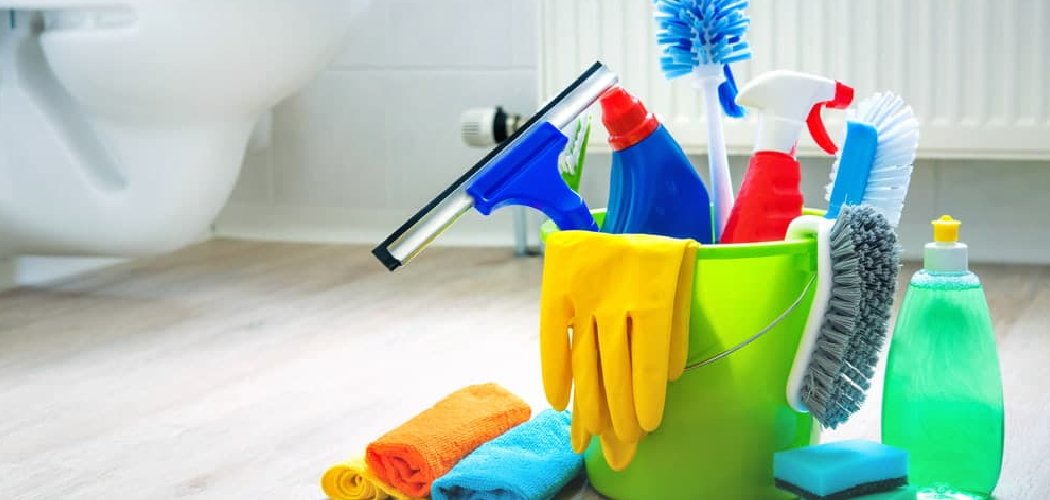
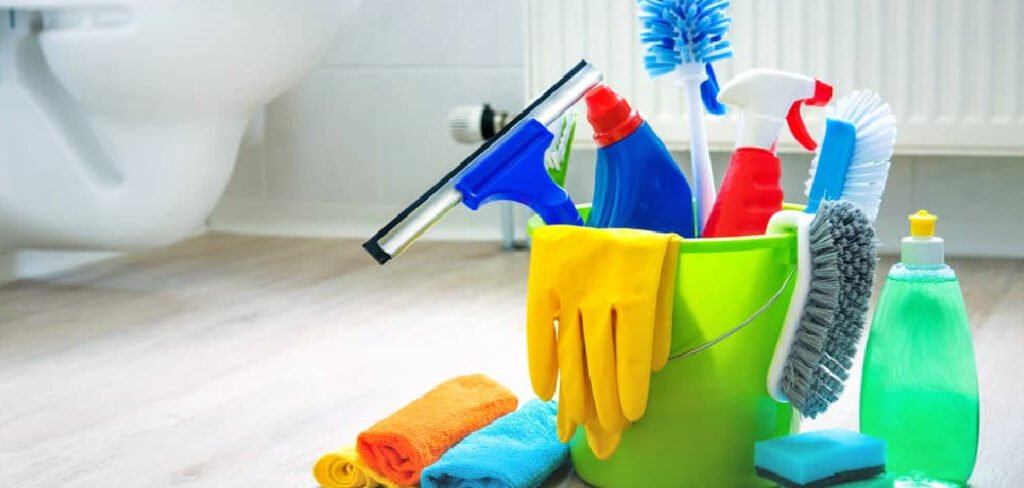
- Dish soap (a small squirt is plenty)
- Warm water and a bowl or spray bottle
- Two or three microfiber cloths
- A soft-bristle brush or old toothbrush for seams and faucet bases
- Baking soda for stuck-on spots
- Rubbing alcohol (70%) for disinfecting sealed surfaces
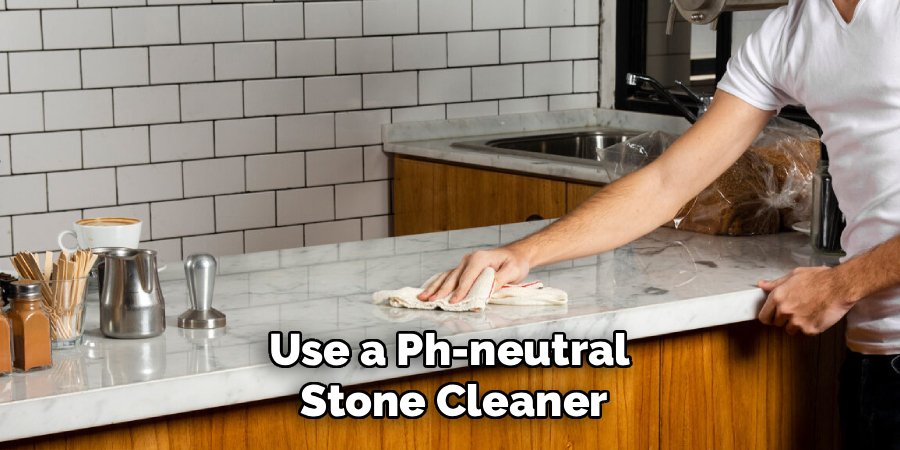
- A pH-neutral stone cleaner if you have granite, quartz, or marble
- Hydrogen peroxide for stains on light surfaces
- A squeegee or dry towel for a streak-free finish
- Rubber gloves for grimier jobs
Skip the acidic cleaners — vinegar, lemon, and anything with citrus or ammonia — on natural or cultured stone. They eat into the sealer and etch the polish. Save those for laminate and glazed tile, where they’re perfectly fine.
Identify Your Countertop Surface First
Before you spray anything, figure out what you’re working with. Run your hand across the surface and check the edges. Granite and quartz feel cool and heavy with a speckled or flecked pattern. Cultured marble looks like swirled stone but is smooth, seamless, and often molded right into the sink. Laminate has a printed pattern with a visible seam line, and tile has grout lines you can feel.
This one check saves you from the etching mistake. Acidic cleaners that shine up laminate will dull marble in seconds, so matching the cleaner to the material is the whole game.
Clear Everything Off and Dust the Surface
Move every bottle, cup, and tray off the counter. You can’t clean around a lineup of toiletries, and lifting them shows you the sticky rings and hairspray residue hiding underneath.
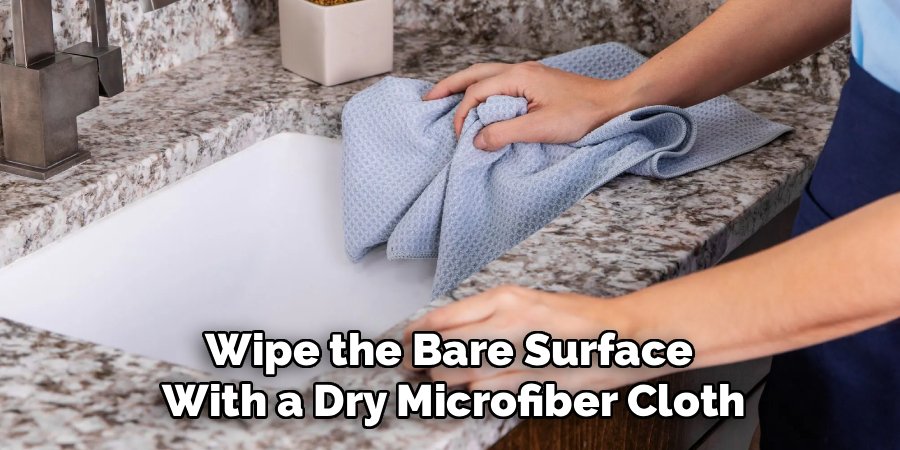
Wipe the bare surface with a dry microfiber cloth to lift loose hair, dust, and powder. Dragging a wet cloth over dry grit just grinds it into the finish, so this dry pass first protects the shine.
Wash With Warm Soapy Water
For everyday cleaning on almost any surface, mix warm water with a small squirt of dish soap. Dampen a microfiber cloth, wring it out, and wipe the whole counter from the backsplash forward toward the edge.
Pay attention to the base of the faucet and the seam where the counter meets the wall. Toothpaste splatter, soap scum, and water spots collect there, and a soft toothbrush clears those tight spots without scratching.
Tackle Stuck-On Spots With Baking Soda
Dried toothpaste, makeup smears, and sticky product rings don’t always lift with soap alone. Sprinkle a little baking soda on the spot, add a few drops of water to make a paste, and rub gently with a damp cloth in small circles.
Baking soda is mild enough for sealed stone and won’t scratch like a scouring powder. Wipe it away with a clean damp cloth and dry the area right after.
Lift Stains From Light Surfaces
For a stubborn stain on white cultured marble or light laminate — think hair dye drips or a rust ring from a razor can — dab hydrogen peroxide onto the spot and let it sit for a few minutes. Blot, rinse with plain water, and dry.
I used to tell clients that the rust ring under a shaving cream can is one of the most common stains I saw, and almost nobody spotted it until it had set. A quick daily wipe under anything metal saves you that fight later.
Disinfect the High-Touch Zones
Soap cleans, but it doesn’t kill germs. After washing, disinfect the faucet handles, the area around the sink, and any spot that gets touched with wet hands. On sealed surfaces, 70% rubbing alcohol works well — it disinfects and evaporates without leaving residue or harming the sealer.
Wipe it on, let it stay wet for about 30 seconds, then buff dry. Skip bleach and harsh disinfectant sprays on stone; they break down the sealer over time.
Dry and Buff for a Streak-Free Finish
Water left to air-dry leaves spots and streaks, especially on dark granite and glossy laminate. Go over the whole counter with a dry microfiber cloth, or pull a small squeegee across it, then buff out any remaining marks.
This final dry pass is what makes the counter look genuinely clean rather than just wiped. It takes ten seconds and it’s the difference between streaky and showroom.
Safe vs. Damaging Cleaners by Surface
| Surface | Safe to Use | Avoid |
| Granite / Quartz | pH-neutral stone cleaner, mild dish soap, 70% alcohol | Vinegar, lemon, ammonia, abrasive pads |
| Marble / Cultured marble | Mild dish soap, pH-neutral cleaner, soft cloth | Any acid (vinegar, citrus), scouring powder, bleach |
| Laminate | Dish soap, diluted vinegar, mild all-purpose spray | Abrasive pads, scouring powder, oven cleaner |
| Ceramic / Porcelain tile | Dish soap, diluted vinegar, baking soda on grout | Acidic cleaners on natural-stone tile, wire brushes |
| Solid surface (Corian) | Mild soap, ammonia-free cleaner, non-abrasive pad | Harsh solvents, abrasive powders, undiluted bleach |
Common Mistakes to Avoid
- Using acidic cleaners on stone. Vinegar and lemon dull and etch marble, granite, and quartz. Match the cleaner to the surface every time.
- Scrubbing with abrasive pads. The rough side of a sponge and scouring powders leave scratches that dull the finish permanently. Stick to soft cloths and a toothbrush.
- Spraying cleaner across a loaded counter. Overspray coats your toiletries and leaves streaks around them. Clear the surface first.
- Letting water spots air-dry. Standing water leaves mineral spots, especially in hard-water areas. Dry as you go.
- Ignoring the faucet base and seams. Grime and mildew build up where you can’t see it, then spread. Give those spots a weekly brush.
- Skipping the sealer on natural stone. Unsealed granite and marble soak up stains fast. Reseal on schedule and water will bead instead of soaking in.
Safety and Warnings
Never mix cleaning products. Bleach with ammonia or bleach with vinegar releases toxic gases, so pick one product per job and rinse your cloth before switching. Bathrooms are small and enclosed, so open a window or run the exhaust fan whenever you use anything stronger than soap and water.
Wear gloves if you’re handling disinfectants or scrubbing mildew, and keep rubbing alcohol away from open flames or candles since it’s flammable. Before using any new cleaner, test it on a hidden spot — the back corner near the wall works well — to make sure it won’t dull or discolor the surface. And keep all cleaners and moisture away from outlets and built-in vanity lighting.
How to Keep Bathroom Countertops Clean Longer
- Wipe splashes as they happen. A quick swipe after brushing your teeth or shaving stops toothpaste and product from hardening into a scrubbing job.
- Use a tray for toiletries. Grouping bottles on a washable tray catches drips and rings, and you rinse the tray instead of the counter.
- Dry the sink area daily. Standing water is where mineral spots and mildew start. A ten-second dry pass keeps the surface clear.
- Reseal natural stone on schedule. Test granite and marble by dripping water on it — if it soaks in instead of beading, it’s time to reseal, usually every 6 to 12 months.
- Ventilate after showers. Fifteen minutes of fan time pulls out the humidity that feeds mildew in seams and grout.
- Do a quick weekly disinfect. A fast alcohol wipe of the high-touch zones stops buildup before it settles in.
If your bathroom runs humid with no window, check the seam behind the faucet more often — that’s where mildew shows up first, long before you’d notice it anywhere else on the counter.
Frequently Asked Questions
What is the best cleaner for bathroom countertops?
It depends on the surface. Warm water with a little dish soap is safe on nearly everything for daily cleaning. For natural or cultured stone, use a pH-neutral stone cleaner, and for laminate or glazed tile, a mild all-purpose spray works well. Avoid acidic cleaners on any kind of stone.
Can you use vinegar to clean bathroom countertops?
Only on laminate and glazed ceramic tile. On granite, quartz, marble, and cultured marble, vinegar is acidic enough to etch the surface and break down the sealer, leaving dull, cloudy patches you can’t buff out. When in doubt, skip the vinegar and use dish soap instead.
How do you disinfect bathroom countertops without damaging them?
On sealed surfaces, 70% rubbing alcohol disinfects well and evaporates without leaving residue or harming the sealer. Wipe it on, let it sit wet for about 30 seconds, then buff dry. Keep bleach and harsh disinfectant sprays off natural stone, since they wear down the finish over time.
How do you get water stains off bathroom countertops?
For mineral spots from hard water, make a paste of baking soda and water, rub it gently over the stain with a damp cloth, then rinse and dry. On laminate or tile you can use diluted vinegar instead. On stone, stick to the baking soda method and dry the counter afterward to stop new spots from forming.
How often should you clean bathroom countertops?
Wipe splashes daily and give the whole counter a proper wash and disinfect once a week. High-traffic family bathrooms may need the sink area wiped more often. A daily ten-second dry-off around the faucet keeps the bigger jobs short.
How do you remove toothpaste and makeup stains from a counter?
Soften dried toothpaste or makeup with a damp cloth first, then work a baking soda paste over the spot in small circles. Wipe clean and dry. For a stubborn dye or product stain on a light surface, dab on hydrogen peroxide, let it sit a few minutes, then rinse.
Final Thoughts
Match your cleaner to what the counter is actually made of, and most of the guesswork disappears — mild soap and a soft cloth for daily care, a pH-neutral cleaner for stone, and no acids anywhere near polished surfaces. Dry the sink area as you go, and your countertop stays clear and streak-free with almost no effort.
