
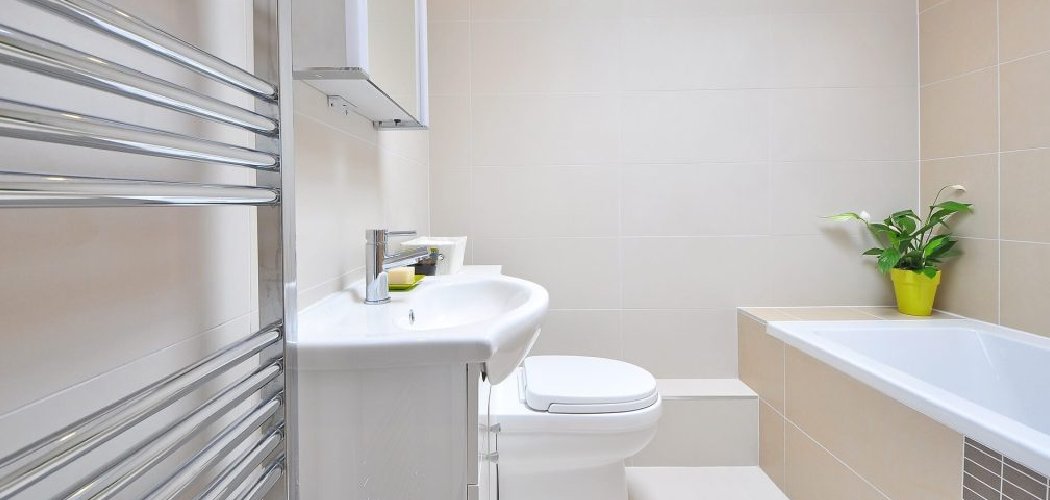
You spray an all-purpose cleaner straight onto the cabinet doors, wipe, and walk away — then three weeks later you notice the finish near the sink looks cloudy and the bottom edge has started to swell and peel.
That swelling is water damage, and it happens because most bathroom cabinets are particleboard or MDF wrapped in a thin laminate or veneer, not solid wood. Too much moisture creeping into a seam is the fastest way to ruin them.
The trick to knowing how to clean bathroom cabinets is treating them like they hate standing water — because they do. Use a barely damp cloth, dry as you go, and pay close attention to the handles and lower edges where splashes and toothpaste splatter collect.
What You’ll Need
- Dish soap (a small squirt goes a long way)
- White vinegar
- Warm water and a small bucket or bowl
- Two or three microfiber cloths
- An old, soft toothbrush for handles and crevices
- A soft-bristle detail brush
- Baking soda for greasy or sticky spots
- A dry towel for immediate drying
- Rubber gloves (optional, but nice for grimy jobs)
- Cotton swabs for hinges and tight corners
- A gentle wood cleaner or polish if your cabinets are real wood
Keep the abrasive sponges, scouring powders, and heavy-duty degreasers out of this job. On laminate and veneer, they scratch and strip the surface, and there’s no fixing that once it happens.
Empty the Cabinets and Shake Out the Crumbs
Pull everything out — the half-empty shampoo bottles, the loose cotton pads, that ancient tube of ointment. You can’t clean around clutter, and emptying gives you a chance to toss expired products and wipe down bottle bottoms before they go back.
Once the shelves are clear, take a dry cloth or the brush attachment on your vacuum and clear out the loose debris. Hair, dust, and powder settle in the corners of every bathroom cabinet, and wiping over dry grit just grinds it into the surface.
Wipe Down the Exterior Doors and Handles
Mix a bowl of warm water with a small squirt of dish soap. Dip a microfiber cloth, wring it out until it’s just damp — not dripping — and wipe the cabinet doors from top to bottom.
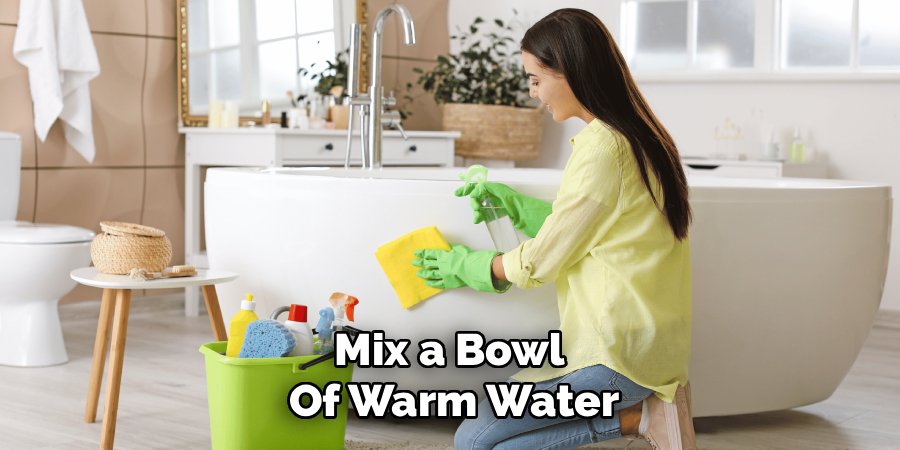
The handles and the area right around them hold the most grime. Skin oils, hairspray, and toothpaste flecks build up there, so give them extra attention with your damp cloth. For grooved or carved handles, a soft toothbrush gets into the detail without scratching.
Dry Every Surface Right Away
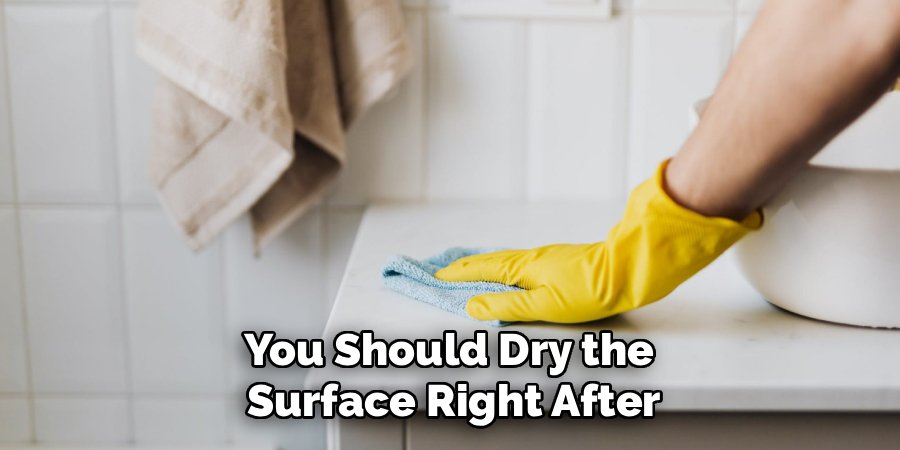
Here’s the habit that separates cabinets that last from cabinets that peel: dry each door with a clean towel the moment you finish wiping it. Don’t let water sit and air-dry.
I used to remind clients that laminate cabinets fail from the bottom up, almost never the top. The lower few inches take every splash from the sink and every drip off wet hands, so that’s the zone where water sneaks into the seams. Dry it thoroughly every single time.
Clean Sticky or Greasy Buildup With Baking Soda
Hairspray and lotion leave a tacky film that plain soap won’t budge. Make a loose paste of baking soda and a little water, dab it onto the sticky spot with your finger or a cloth, and let it sit for a minute or two.
Wipe it away gently with a damp microfiber cloth, then dry. Baking soda is mild enough that it lifts the gunk without scratching the finish, which is why it beats any gritty scrub powder here.
Tackle Hinges, Tracks, and Corners
The inside corners and the hinge areas collect the worst of it — dust bunnies, dried drips, and sometimes a little mildew if the bathroom stays humid. Dip a cotton swab or the corner of a cloth in your soapy water and work those tight spots.
For metal hinges and drawer tracks, a slightly damp swab clears the buildup. Dry them right after, since trapped moisture around metal hardware leads to rust stains that bleed onto the surrounding surface.
Wash the Interior Shelves and Drawers
Wipe the inside shelves with the same damp, soapy cloth. Watch for sticky rings left by leaking bottles and the fine powder that settles from makeup or bath products.
If a shelf smells musty, wipe it with a cloth dampened in a mix of one part white vinegar to two parts water, then follow with plain water and dry it completely. Leave the doors open for 20 minutes afterward so any trapped moisture escapes before you reload your things.
Safe Cleaners vs. Ones That Damage Cabinets
| Cleaner or Tool | Safe to Use? | Why |
| Dish soap + warm water | ✅ Yes | Gentle, cuts everyday grime, safe on laminate, veneer, and wood |
| Diluted white vinegar | ✅ Yes | Handles mustiness and mild residue; keep it diluted and dry after |
| Baking soda paste | ✅ Yes | Lifts sticky buildup without scratching |
| Microfiber cloth | ✅ Yes | Cleans and dries without leaving marks |
| Soft toothbrush | ✅ Yes | Gets into handles and grooves safely |
| Abrasive scrub sponge | ❌ No | Scratches laminate and dulls the finish permanently |
| Scouring powder | ❌ No | Too gritty; strips the protective surface |
| Ammonia or harsh degreaser | ❌ No | Can cloud or discolor laminate and lift veneer glue |
| Soaking-wet cloth or spray flood | ❌ No | Water seeps into seams and swells the board underneath |
| Furniture wax on laminate | ❌ No | Builds up a hazy film that attracts more dust |
Common Mistakes to Avoid
- Using too much water. A sopping cloth is the number one cabinet killer. Wring it out until it’s barely damp, and dry as you go.
- Spraying cleaner directly on the doors. Overspray runs down into seams and hardware. Spray your cloth instead, then wipe.
- Reaching for abrasive pads. Scouring sponges and gritty powders leave scratches that dull laminate for good. Stick to soft cloths and a toothbrush.
- Ignoring the bottom edges. That lower strip near the sink takes the most splashes and fails first. Clean and dry it every time.
- Letting spills sit inside. A leaking bottle cap left for weeks bonds into a sticky ring that’s far harder to remove later.
- Skipping the dry-off. Air-drying leaves streaks and lets moisture linger in seams. Always finish with a dry towel.
Safety and Warnings
Never mix cleaning products together. Vinegar and bleach create toxic chlorine gas, and ammonia mixed with bleach does the same — so pick one cleaner per job and rinse your cloth well before switching. Bathrooms are small, enclosed rooms, so crack a window or run the exhaust fan whenever you use anything stronger than soap and water.
Wear gloves if you’re sensitive to cleaners or dealing with mildew inside a damp cabinet. Before using vinegar or any new product on a visible area, test it on a hidden spot first — the inside edge of a door works well — to make sure it won’t dull or discolor the finish. And go easy near electrical outlets or nightlights built into vanity cabinets; keep moisture away from them entirely.
How to Keep Bathroom Cabinets Clean Longer
- Wipe splashes as they happen. A quick swipe with a dry cloth after brushing your teeth keeps toothpaste flecks and water spots from setting in.
- Run the exhaust fan. Fifteen minutes of ventilation after a shower pulls out the humidity that warps board and feeds mildew in the corners.
- Line the shelves. A washable liner catches leaks and powder, and you can pull it out to rinse instead of scrubbing the shelf itself.
- Cap and store bottles upright. Leaking product is the source of most sticky interior rings. Keep lids tight and set bottles on a small tray.
- Dry the base after cleaning. That lower edge near the sink is where water damage starts, so give it a final dry pass every time.
- Do a quick monthly wipe. A fast pass with a damp cloth once a month stops buildup from ever hardening into a real scrubbing job.
If your bathroom has no window and poor airflow, check the cabinet corners more often — trapped humidity shows up there as musty smells and mildew long before you’d notice it anywhere else.
Frequently Asked Questions
What is the best thing to clean bathroom cabinets with?
Warm water with a small squirt of dish soap handles almost everything on laminate, veneer, and wood cabinets. For sticky buildup, use a baking soda paste, and for musty smells, a diluted vinegar solution. All three are gentle enough to protect the finish, and you should dry the surface right after.
How do you clean sticky bathroom cabinets?
That tacky film usually comes from hairspray and lotion. Dab on a paste of baking soda and water, let it sit a minute, then wipe it away with a damp microfiber cloth and dry immediately. It lifts the stickiness without the scratching you’d get from a scouring pad.
Can you use vinegar on bathroom cabinets?
Yes, if you dilute it — about one part vinegar to two parts water — and dry the surface afterward. It works well for mustiness and light residue. Test it on a hidden spot first, and avoid using it undiluted or on cabinets with a worn or damaged finish.
How do you get water damage or swelling out of laminate cabinets?
Once laminate swells, the board underneath has absorbed water and the damage is usually permanent — there’s no wiping it back to flat. You can slow further damage by keeping the area dry and sealing any exposed edges, but badly swollen sections typically need replacing. The real fix is prevention: keep water off the seams and dry splashes fast.
How often should you clean bathroom cabinets?
Wipe down the exterior and handles weekly, since that’s where oils and toothpaste collect. Empty and clean the interior every few months, or sooner if something leaks. A quick daily swipe of splashes near the sink keeps the bigger cleaning jobs short.
How do you remove mildew from inside bathroom cabinets?
Wipe the affected spot with a cloth dampened in diluted vinegar, then go over it with plain water and dry it completely. Leave the doors open afterward to air out. To stop it coming back, improve ventilation and keep the cabinet interior dry between uses.
Final Thoughts
Bathroom cabinets stay looking new when you keep water off the seams and dry every surface as you go. Reach for mild soap and a soft cloth, save the vinegar and baking soda for the tougher spots, and give that lower edge near the sink the attention it deserves.
