
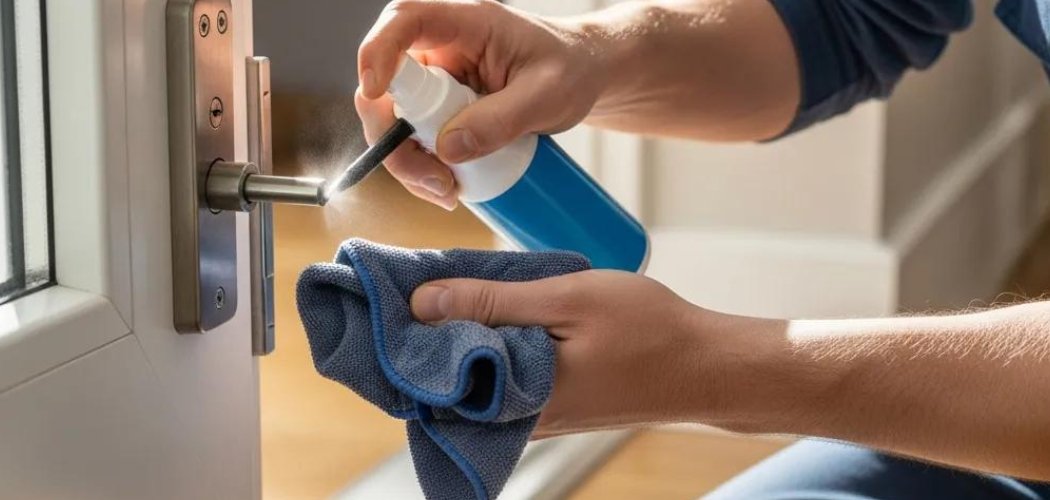
You spot a few orange rust freckles creeping up from the bottom edge of your steel front door, so you grab a wire brush and scrub them hard, then wipe the whole door with an all-purpose spray. A week later the rust is back, worse, and there’s a dull scratched halo where you attacked it. That aggressive scrub stripped the protective paint or coating right off the metal — and bare metal rusts faster than ever.
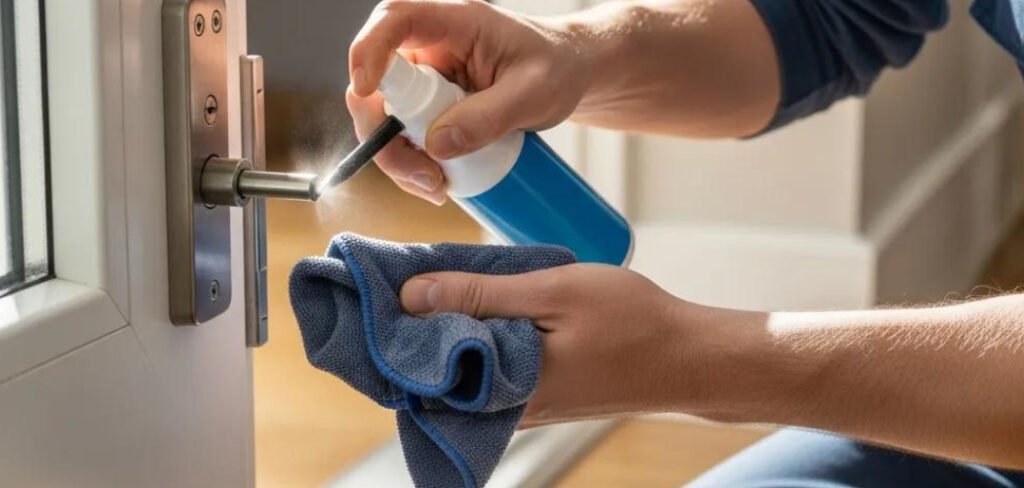
The trick with a metal door is understanding that the finish is your armor. Learning how to clean a metal door well means treating the coating gently, drying it properly, and catching small problems before they spread. Do that, and the door stays smooth, sealed, and rust-free for years.
What You’ll Need
- Two buckets (one for soapy water, one for clean rinse water)
- Soft microfiber cloths
- A non-scratch sponge
- A soft-bristle brush for textured or paneled areas
- Mild dish soap or a pH-neutral cleaner
- Warm water (not hot)
- Baking soda (for greasy spots and light rust)
- White vinegar (for hard-water marks and stubborn rust)
- A dry lint-free towel or chamois
- Automotive paste wax or a metal-safe protectant
- Fine 0000-grade steel wool or a rust eraser (rust spots only, if needed)
- Touch-up paint or primer matched to the door
- Silicone-based lubricant for hinges and locks
- Rubber gloves
Keep bleach, ammonia glass sprays, oven cleaner, and abrasive powders away from painted or coated metal. They strip the finish and speed up corrosion. A pressure washer is a bad idea too — it forces water into seams and behind the coating.
Identify Your Door’s Finish First
Before you wet anything, figure out what you’re actually cleaning. A steel entry door with baked-on paint, a powder-coated aluminum storm door, a galvanized garage side door, and a stainless commercial door all behave differently.
Run your hand over the surface and check for a factory paint coat, a powder-coat texture, or bare brushed metal. If you’re not sure, that’s fine — the safe, mild method below works for all of them. What matters is that you never take an abrasive to a painted or coated door thinking it’s solid metal underneath. I had clients who assumed their “metal” door could take any scrubbing, then wondered why patches went dull.
Dust and Dry-Wipe the Whole Door
Never drag a wet sponge across a dusty metal door. Grit and pollen turn into a fine abrasive paste the moment they meet water, and that paste scratches the finish.
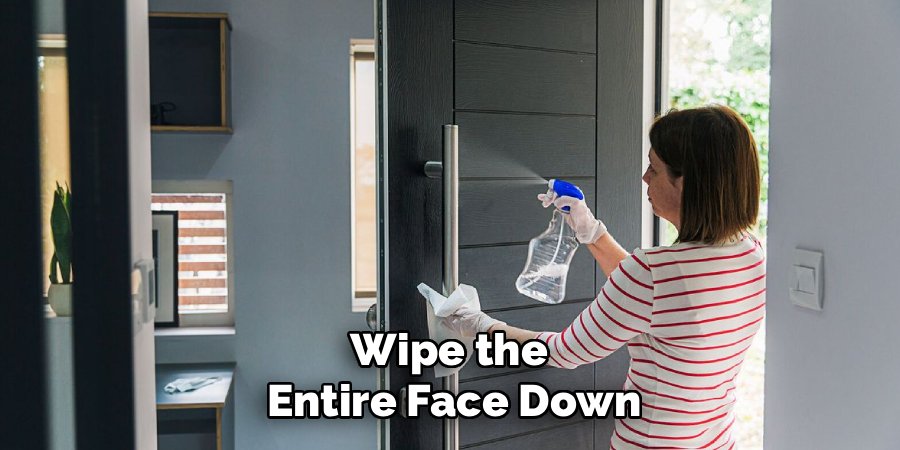
Wipe the entire face down with a dry microfiber cloth, top to bottom. Get into any recessed panels, the moulded edges, and the corners where cobwebs collect. On a textured or paneled door, use a soft-bristle brush to lift dust out of the grooves that a flat cloth just skims over.
Wash With Mild Soapy Water
Mix a few drops of mild dish soap into a bucket of warm water. You want light suds, nothing heavy.
Dip your non-scratch sponge, wring it out so it’s damp rather than dripping, and wash the door in sections from the top down. Working downward keeps dirty runoff from streaking areas you’ve already cleaned. Rinse the sponge often in your clean-water bucket so you’re lifting grime off rather than smearing it around. Pay attention to the kick plate area near the floor and around the handle, where hands and shoes leave the most buildup.
Cut Through Greasy Fingerprints and Handle Grime
The zone around the handle and lock takes a beating from oily hands, and plain soap sometimes leaves a haze.
Make a light paste of baking soda and water, apply it to the greasy patch with a soft cloth, and rub gently in small circles. Baking soda is mild enough not to scratch coated metal but strong enough to lift grease. Wipe it away with a clean damp cloth and check your work in the light.
Clean Glass and Decorative Inserts Separately
If your door has a glass panel or decorative insert, clean the glass with a splash of vinegar in water and a lint-free cloth. Keep glass cleaner off the surrounding metal and wipe up any that drips onto the frame right away, so it doesn’t sit in the seams.
Treat Rust Spots Carefully
Small rust freckles are common along the bottom edge and around screw heads, especially on older steel doors after a wet winter.
For light surface rust, dip fine 0000-grade steel wool or a rust eraser in a little vinegar and work the spot gently — just enough to lift the orange, not to gouge the metal. Wipe clean, dry it thoroughly, and if you’ve reached bare metal, dab on matched primer and touch-up paint once it’s dry. Leaving bare metal exposed is what lets rust come racing back. For anything deeper than surface freckling, treat it as a repair job, not a cleaning one.
Rinse and Dry Completely
Water is the enemy of metal, so this step matters more here than on almost any other surface.
Wipe the whole door with clean water and a fresh sponge to remove every trace of soap, then dry it immediately with a lint-free towel or chamois. Don’t let a metal door air-dry — standing water leaves spots and, worse, works into seams and edges where it starts corrosion you won’t see until it bubbles the paint. Dry the bottom rail, the hinge side, and around every screw and fixing.
Safe vs. Unsafe Products for a Metal Door
One wrong product can strip a finish in a single pass. Here’s what belongs near your door and what doesn’t.
| Safe to Use | Avoid on a Metal Door |
| Mild dish soap, well diluted | Bleach or bleach-based sprays |
| pH-neutral cleaner | Ammonia glass cleaner on the coating |
| Warm water | Oven cleaner or caustic degreasers |
| Baking soda paste (light scrub) | Abrasive scouring powders |
| Diluted white vinegar (spots and rust) | Scouring pads or coarse wire wool |
| Non-scratch sponge | Pressure washer or jet wash |
| Fine 0000 steel wool (rust only) | Undiluted acids left to sit |
| Paste wax or metal protectant | Undiluted vinegar left on bare steel |
A note on vinegar: it’s great for rust and hard-water marks, but rinse it off promptly. Left sitting on bare steel, its mild acid can actually start etching the metal you’re trying to save.
Common Mistakes to Avoid
- Attacking rust with a coarse wire brush. You strip the surrounding coating and expose more metal to rust. Use fine steel wool and a gentle touch.
- Skipping the drying step. Air-drying leaves water in seams and edges, which is exactly where corrosion starts.
- Using bleach or ammonia sprays. These break down paint and powder coatings over time and speed up corrosion.
- Pressure washing the door. High pressure drives water behind the coating and into joints you can’t dry out.
- Scrubbing dry grit into the finish. Always dust first, or you’ll grind dirt across the surface.
- Leaving bare metal unpainted after rust removal. Exposed steel rusts faster than before. Prime and touch it up.
- Using abrasive powders on a painted door. They dull and scratch the finish permanently.
Safety and Warnings
Cleaning a metal door is fairly low-risk, but rust treatment and stronger cleaners bring a few real hazards worth respecting.
- Never mix cleaning products. Don’t combine bleach with vinegar, ammonia, or any acid cleaner — the fumes are genuinely dangerous. Since bleach shouldn’t touch the door anyway, stick to one mild cleaner and sidestep the risk entirely.
- Ventilate when using vinegar or any rust remover indoors. On an inward-opening door, open a window. Chemical rust removers give off strong fumes, so read the label and follow its ventilation guidance.
- Wear gloves. Rubber gloves protect your skin from detergent drying and from acid in rust removers. Fine steel wool also throws off tiny metal splinters.
- Wear eye protection for rust work. Flecks of rust and steel wool fibers fly up when you’re scrubbing spots — safety glasses are cheap insurance.
- Test any new cleaner in a hidden spot first. Try it on the bottom edge or hinge side before the main face. Finishes vary, and a hidden test can save the whole door.
- Handle chemical rust removers with care. Many are acid-based. Keep them off skin, don’t let them pool, and store them out of reach of kids and pets.
Maintenance and Prevention Tips
A little routine care keeps rust rare and deep cleans quick:
- Wipe it down monthly. A fast warm-soapy-water wash stops grease and grime from building into a hard job.
- Dry after heavy rain. In wet or freezing weather, wipe the bottom rail and threshold so water isn’t sitting against the metal.
- Wax the door once or twice a year. A thin coat of automotive paste wax on a painted or coated door adds a water-repellent layer and makes future cleaning easier. Buff it out well.
- Catch rust freckles early. Deal with a spot the size of a pinhead now, and you avoid a bubbling patch later. This is the single habit that saves metal doors.
- Lubricate hinges and the lock every six months. A little silicone lubricant keeps everything moving and stops that stiff, grinding feel.
- Check the weather seals. Failed seals let water reach the metal edges. Replace cracked gaskets before they cause corrosion.
- Keep sprinklers and hoses aimed away. Constant water spray on one spot is a slow rust invitation.
Frequently Asked Questions
What is the best thing to clean a metal door with?
Warm water with a few drops of mild dish soap and a non-scratch sponge or microfiber cloth handles routine cleaning. For greasy handle areas, a baking soda paste works well, and diluted white vinegar tackles hard-water marks and light rust. Always dry the door completely afterward — that’s the step most people skip.
Can you use vinegar to clean a metal door?
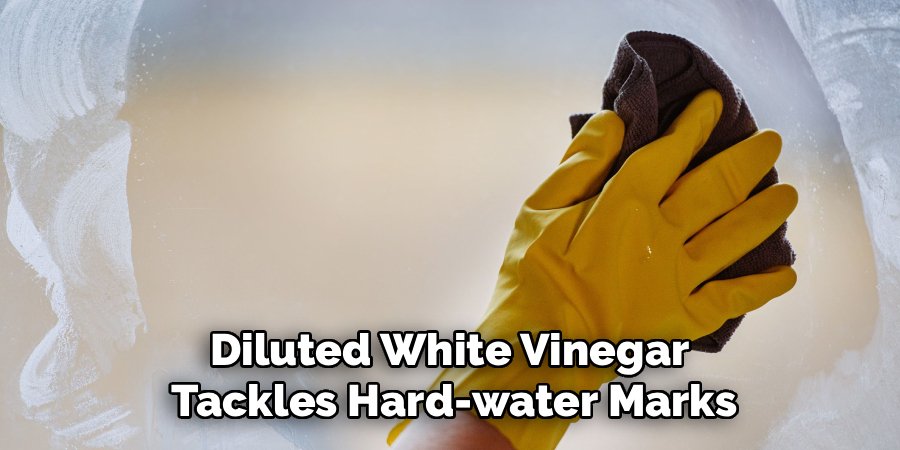
Yes, diluted vinegar is useful for hard-water spots and light surface rust. The key is to rinse it off promptly and dry the area, because vinegar’s mild acid can etch bare steel if you leave it sitting. Keep it off large painted areas and use it as a spot treatment rather than an all-over cleaner.
How do I get rust off a metal door without damaging the paint?
Work only the rusted spot, not the surrounding coating. Use fine 0000-grade steel wool or a rust eraser with a little vinegar, rub gently until the orange lifts, then wipe and dry thoroughly. If you’ve exposed bare metal, prime and touch it up with matched paint so rust doesn’t return.
Why does my metal door keep rusting?
Usually it’s trapped moisture. Water sits in seams, along the bottom edge, or behind failed weather seals, and it works under the coating where you can’t see it. Drying the door after cleaning and rain, sealing any bare metal, and waxing the finish once or twice a year all break that cycle.
Can I use a pressure washer on a metal door?
No. The high-pressure jet drives water into seams, joints, and behind the coating, where it can’t dry out and starts corrosion. It can also chip the finish. Stick to a bucket, a soft sponge, and a gentle hose rinse if you want to lift off loose dirt.
How often should you clean a metal door?
A quick wipe-down once a month keeps it looking sharp and stops grime setting in. Add a proper wash and a wax coat once or twice a year, and lubricate the hinges and lock every six months while you’re at it.
Keep the products mild, treat the finish as protective armor, and never let a metal door air-dry. Catch rust the moment it appears and seal any bare metal you expose, and your door will stay smooth and corrosion-free for well over a decade.
