
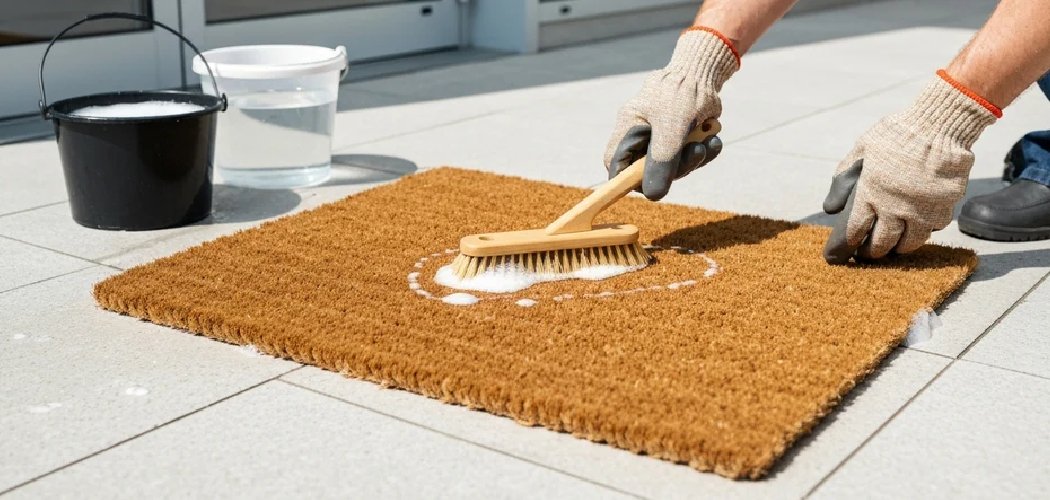
A client once called me in a panic after she’d poured half a bottle of dish soap straight onto a coffee stain, scrubbed like she was sanding a deck, and left a crusty, sticky patch that attracted more dirt than the original spill. That soap residue never fully rinsed out, and within a month the spot looked worse than the day it happened. Over-wetting and over-soaping are the two fastest ways to wreck a carpet by hand.
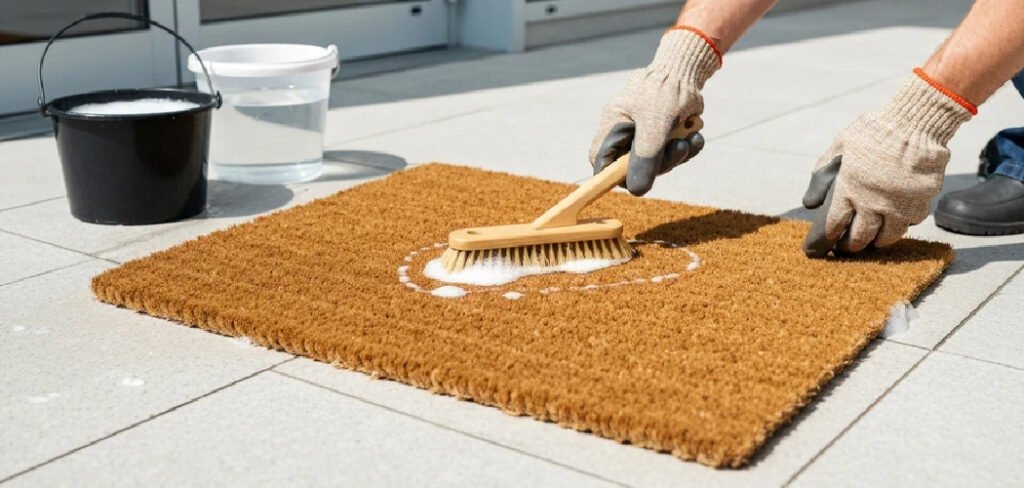
You don’t need a rented steam machine to bring a grubby carpet back to life. Learning how to clean dirty carpet without a machine comes down to lifting dirt with the right tools, using very little moisture, and drying fast so nothing sours underneath. Do it right and you’ll save the rental fee and the backache.
What You’ll Need
- Stiff-bristle carpet brush or a clean scrub brush
- Microfiber cloths and a few old white towels
- Baking soda
- White vinegar
- Mild dish soap (a couple of drops, not a pool)
- Table salt
- Two buckets — one for solution, one for clean rinse water
- Spray bottle
- A butter knife or a blunt scraper
- Vacuum cleaner
- Rubber gloves
- A box fan or two for drying
White towels matter here. Colored rags can bleed dye into a damp carpet, and I’ve seen a red shop cloth leave a pink shadow that never came out. Keep it white when you’re blotting.
Vacuum Thoroughly Before Anything Gets Wet
Dry soil is your first enemy, and most people underestimate how much of it lives in a carpet. Vacuum slowly in overlapping passes, going over high-traffic lanes two or three times in different directions.
Grit sitting deep in the pile acts like sandpaper on the fibers every time someone walks across it. Pull that out first and your later steps won’t just push mud around. Go slow — a fast vacuum pass barely lifts anything from the base of the pile.
Deodorize and Loosen Grime With Baking Soda
For general dinginess and smell, baking soda does the heavy lifting before any liquid touches the carpet.
Sprinkle and Wait
Shake a light, even layer of baking soda across the dirty areas. For strong odors — pet spots, musty basements — leave it down for a few hours or overnight. It pulls moisture and odor out of the fibers while you do something else.
Brush It Into the Pile
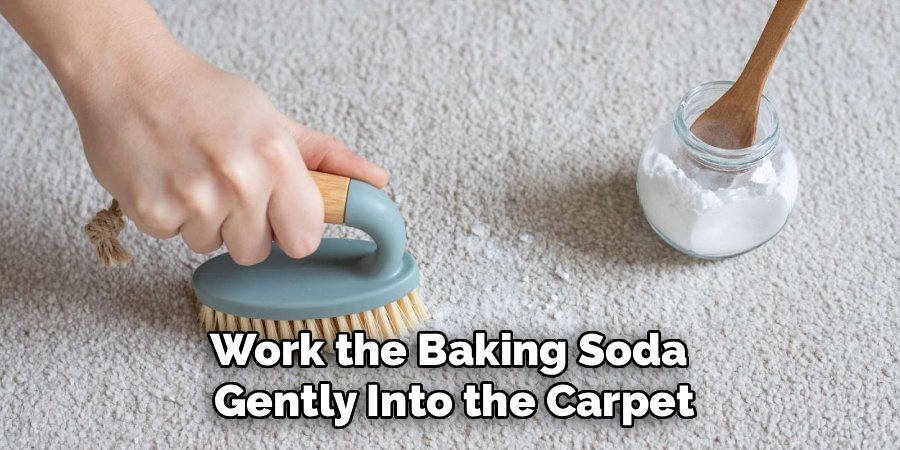
Work the baking soda gently into the carpet with a dry brush. This gets it down where the trapped smell and grime actually sit, not just resting on top.
Vacuum It Back Up
Vacuum every trace of the powder out. Run your hand across the pile afterward — if it feels gritty, keep vacuuming. Leftover baking soda turns pasty the moment you add your cleaning solution.
Mix a Gentle Hand-Cleaning Solution
You want the mildest mix that still works. Fill a spray bottle with one cup of warm water, one tablespoon of white vinegar, and a single drop of dish soap. That’s it.
Too much soap is the classic mistake. Suds you can’t rinse out become a magnet for dirt, which is why hand-cleaned carpets sometimes get dirty faster afterward. A weak solution you can fully blot away beats a strong one that lingers.
Blot and Work the Dirty Areas
Mist the solution lightly onto the carpet — damp, never soaked. You should never see puddling or hear a squish underfoot.
Blot, Don’t Scrub
Press a clean white towel into the damp area and lift straight up. Repeat with fresh sections of towel. Scrubbing in circles frays the fibers and drives dirt deeper, so resist the urge to grind.
Work From the Outside In
On a defined stain, always blot from the edge toward the center. Working outward spreads the stain into clean carpet and leaves you with a bigger problem than you started with.
Rinse With Plain Water
Mist the area with clean water from your second bucket, then blot again. This lifts out the loosened dirt and any faint soap residue. Skipping this rinse is why so many hand-cleaned spots re-soil within weeks.
Tackle Specific Stains by Type
Different messes need different treatment, and using the wrong one sets the stain permanently.
Fresh Liquid Spills
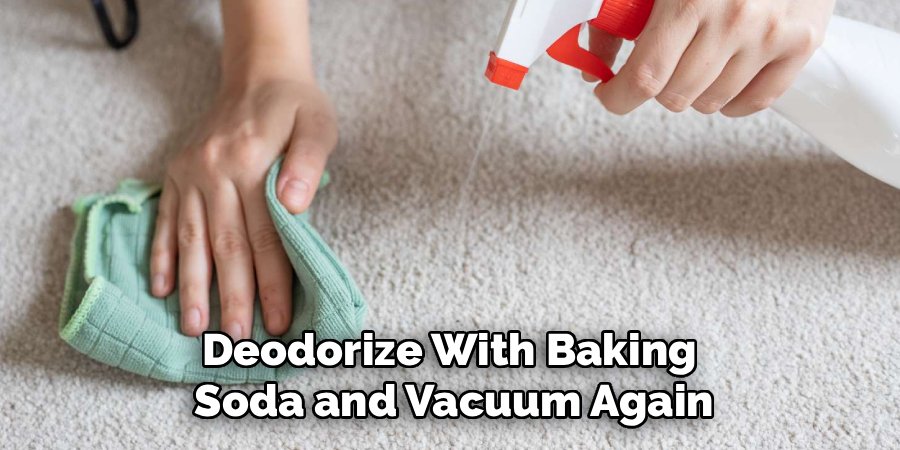
Blot immediately with a dry towel, then sprinkle salt or baking soda to absorb what’s left. Vacuum once dry, then spot-clean with your vinegar solution.
Grease and Oil
Cover the spot with baking soda or cornstarch and let it sit 15 minutes to draw out the oil. Vacuum, then blot with a drop of dish soap in warm water — grease is the one time a touch more soap earns its place.
Mud
Let it dry completely first. Wet mud smears; dry mud crumbles. Break up the crust, vacuum the bits, then spot-clean whatever shadow remains.
Dry the Carpet Fast
Damp carpet left too long grows mildew and starts to smell sour from the backing up. Open windows, point a box fan directly at the cleaned area, and run it until the pile is bone dry.
I always tell people to do this kind of cleaning on a dry, breezy day rather than a humid one. In summer humidity, a hand-cleaned carpet can take a full day to dry and may sour before it does — pick your weather when you can. Stay off the carpet until it’s fully dry.
Method Comparison: What Works and What to Skip
| Method | Best For | Watch Out For | Verdict |
| Baking soda (dry) | Odors, general dinginess | Must vacuum fully before wetting | Do first, every time |
| Vinegar + water spray | Overall grime, light stains | Test colorfastness first | Reliable workhorse |
| Salt | Fresh spills, absorbing liquid | Won’t lift set-in stains | Great for emergencies |
| Dish soap solution | Grease and oil spots | Over-soaping leaves residue | Use sparingly |
| Heavy scrubbing | Almost nothing | Frays fibers, spreads dirt | Avoid |
| Soaking the carpet | Nothing | Mildew, sour smell, slow drying | Never |
Common Mistakes to Avoid
- Over-wetting the carpet. More water doesn’t clean deeper — it just soaks the backing and invites mildew. Damp is the goal.
- Using too much soap. Residue you can’t rinse out attracts dirt and re-soils the spot fast.
- Scrubbing hard. It mats and frays the pile permanently. Blot instead.
- Skipping the water rinse. Leftover cleaning solution keeps working and grabbing dirt long after you’re done.
- Cleaning mud while it’s wet. You’ll smear a small spot into a large one. Let it dry and crumble first.
- Rubbing a stain from the outside in the wrong direction. Work edge to center, never center to edge.
- Walking on it before it dries. You’ll press fresh dirt straight into a clean, damp pile.
Safety and Warnings
Hand-cleaning a carpet is low-risk since you’re mostly using pantry staples, but a few rules still apply.
- Never mix vinegar with bleach. The combination releases toxic chlorine gas. If you’ve used a bleach-based product on the carpet before, rinse thoroughly and stick to one cleaner at a time.
- Don’t combine bleach and ammonia either. Some commercial spot cleaners contain ammonia — check labels before layering products.
- Test in a hidden spot first. Try your solution on a closet corner or under furniture to check for color bleeding or fading before treating a visible area.
- Ventilate the room. Even vinegar has a sharp smell in a closed space. Open a window while you work.
- Wear gloves if your skin is sensitive to vinegar or repeated wetting.
- Keep the carpet fully dry to prevent mold, which is a genuine health concern in damp, poorly ventilated rooms.
Keep Your Carpet Cleaner Longer
A little routine care means you’ll rarely need a deep hand-clean at all.
- Vacuum high-traffic areas twice a week. Regular grit removal is the single biggest factor in how long a carpet stays fresh.
- Deal with spills the second they happen. A fresh spill blots out in seconds; a set one becomes a project.
- Use doormats at every entrance. Most carpet dirt walks in on shoes. Trap it at the door.
- Go shoes-off indoors. It cuts tracked-in soil dramatically, especially in wet seasons.
- Rotate furniture occasionally. This evens out wear and stops permanent traffic lanes from forming.
- Sprinkle baking soda monthly. A quick deodorizing pass keeps odors from settling into the fibers.
- Keep a spray bottle of vinegar solution mixed and ready. Fast access means you’ll actually treat spots before they set.
Frequently Asked Questions
How can I deep clean my carpet without a machine?
Vacuum thoroughly, deodorize with baking soda and vacuum again, then spot-treat with a light vinegar-and-water spray, blotting rather than scrubbing. Rinse with plain water, blot dry, and use fans to dry the pile fast. The key is working in sections with minimal moisture instead of soaking the whole carpet.
What household products clean carpet best?
Baking soda, white vinegar, table salt, and a drop of mild dish soap handle the vast majority of carpet cleaning. Baking soda tackles odors and general grime, vinegar cuts through dirt, salt absorbs fresh spills, and dish soap lifts grease. You likely have all four in your kitchen already.
Can I use vinegar to clean my carpet?
Yes, and it’s one of the best budget options. Mix one tablespoon of white vinegar per cup of warm water with a single drop of dish soap. Always test a hidden area first for colorfastness, and never mix vinegar with any bleach-based product.
How do you get stains out of carpet by hand?
Blot the stain from the edge toward the center with a clean white towel and your cleaning solution — never scrub. Match the method to the stain: salt or baking soda for fresh liquids, cornstarch for grease, and let mud dry before you touch it. Rinse with plain water and blot dry afterward.
How long does carpet take to dry after cleaning by hand?
If you kept the carpet only damp, it should dry in two to six hours with fans running and windows open. In humid weather it can take a full day, which risks a sour smell. Clean on a dry, breezy day and keep air moving to speed things up.
Does baking soda really clean carpet?
It’s excellent for odors and loosening surface grime, but it isn’t a stain remover on its own. Sprinkle it on, let it sit, brush it in, and vacuum it out before adding any liquid. Just be sure to vacuum every bit up, or it turns pasty once it gets wet.
Final Word
Keep the moisture low, blot instead of scrub, and dry the carpet fast — that trio does more than any expensive gadget. The carpets that stay clean longest belong to people who catch spills early and vacuum often, not those who deep-clean the hardest.
