
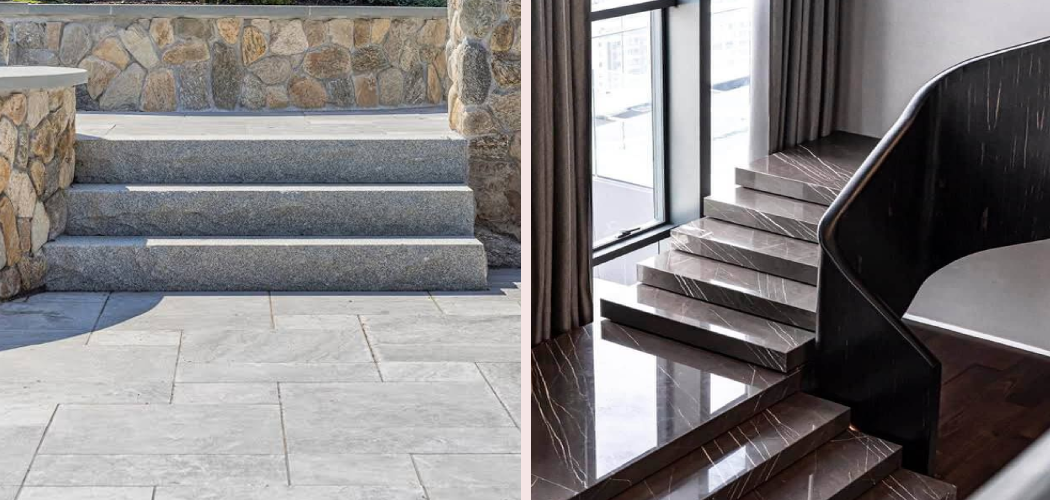
A homeowner mops their granite staircase with a splash of bleach and water, figuring stronger is better for high-traffic steps. Six months later the once-glossy treads look faded and chalky, and the sealer has broken down right where feet land most. That damage was slow, invisible at first, and completely avoidable.
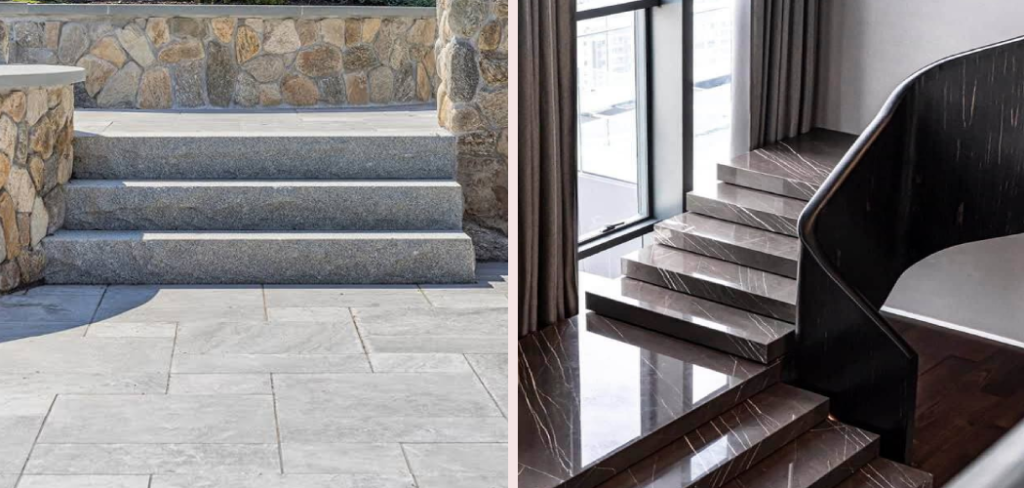
I’ve seen this happen on staircases in busy family homes and lobbies alike. Learning how to clean granite stairs the right way keeps the finish rich and the surface safe underfoot for years. The secret is gentle cleaners, careful drying, and respecting how much abuse those steps already take.
What You’ll Need
- pH-neutral stone cleaner (or a few drops of mild dish soap in warm water)
- Two soft microfiber cloths
- A microfiber mop with a soft head
- A soft-bristle brush for corners and grout lines
- A vacuum or soft broom
- Warm water in a bucket or spray bottle
- A dry towel for buffing
- Stone-safe sealer (for periodic resealing)
- Rubber gloves
Leave the vinegar, lemon cleaners, ammonia sprays, and any abrasive scrub pads out of this job. Those either etch the stone or strip the sealer, and on stairs that means faster wear right where you can least afford it.
Sweep or Vacuum the Steps First
Grit is the enemy of granite stairs. Every bit of sand and dirt tracked in acts like sandpaper underfoot, and if you mop before removing it, you drag those particles across the surface and grind in fine scratches.
Start at the top step and work down. Use a soft broom or a vacuum with a brush attachment, paying attention to the back corners and the nosing where dust collects. Get the edges and the lip of each tread, since that’s where debris hides and where shoes make the most contact.
Mix a Gentle Cleaning Solution
Fill your bucket with warm water and add a small squirt of pH-neutral stone cleaner. If you’re going the dish soap route, use just a few drops — barely enough to feel slippery, not sudsy. Too much soap leaves a film that dulls the shine and gets slick underfoot, which is the last thing you want on a staircase.
Warm water loosens grime faster than cold and helps the cleaner spread evenly. Skip anything that promises “deep-cleaning power” or lists acids in the ingredients.
Clean One Step at a Time, Top to Bottom
Wring your mop or cloth until it’s damp, not dripping. Standing water is bad news on granite stairs — it seeps into seams, drips down the risers, and pools on the tread edges where the sealer is thinnest.
Work the Treads and Risers Separately
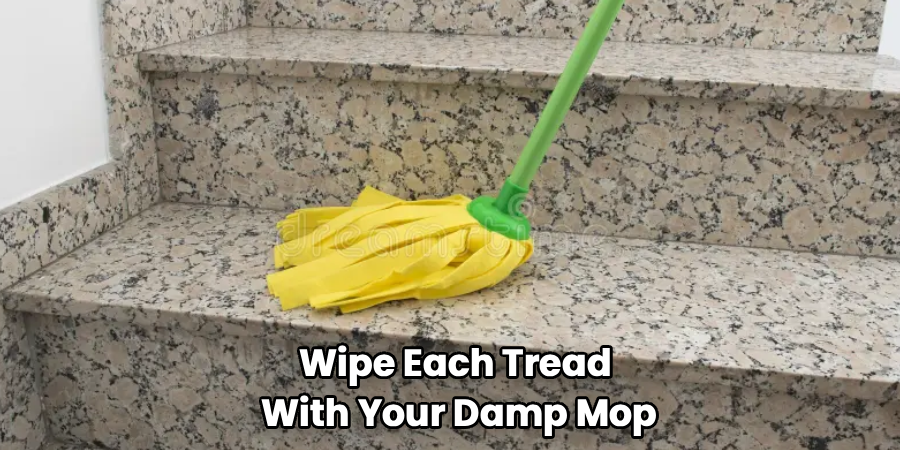
Wipe each tread with your damp mop, then use a cloth to catch the vertical riser below it. Move down the staircase one step at a time so you never walk back across a wet surface. I always tell people to treat a staircase like a ladder you’re climbing down backwards — you clean your way out, never trapping yourself above a slick section.
Get Into the Corners and Edges
Grime builds up where the tread meets the riser and along any grout lines. Dip your soft-bristle brush in the solution and work those seams gently in short strokes. Don’t scrub hard; let the bristles and warm water do the lifting.
Rinse Away Every Trace of Cleaner
Cleaner residue is what turns granite hazy and, on stairs, slightly tacky underfoot. Go back over each step with a fresh cloth or mop dampened with clean warm water. Change your rinse water the moment it looks cloudy.
This step matters more on stairs than on flat floors because leftover film collects foot traffic dirt fast, and you’ll be right back where you started within a week.
Dry and Buff Each Step
Never let granite stairs air-dry. Water spots form, and worse, damp treads are a slip hazard. Wipe every step with a dry towel, working top to bottom again, then give the surface a quick buff with a clean microfiber cloth to bring back the shine.
Drying is the step most people skip, and it’s the difference between stairs that gleam and stairs that look streaky and dull. It takes two extra minutes and saves you a re-clean.
Safe vs. Avoid: Products and Tools for Granite Stairs
| Category | Safe to Use | Avoid |
| Cleaners | pH-neutral stone cleaner, mild dish soap | Vinegar, lemon, bleach, ammonia sprays |
| Tools | Microfiber mop, soft cloth, soft-bristle brush | Steel wool, stiff scrub pads, magic erasers |
| Water use | Damp mop, thorough rinse | Soaking, pooling water, air-drying |
| Finishing | Stone-safe sealer, dry buffing towel | Generic floor wax, oil-based polish |
| Grit control | Vacuum or soft broom before mopping | Mopping over loose dirt and sand |
Common Mistakes to Avoid
Using acidic cleaners. Vinegar and lemon feel natural, but their acid etches granite and eats through the sealer. On stairs, that damage concentrates in the walking path and shows up as dull, worn patches.
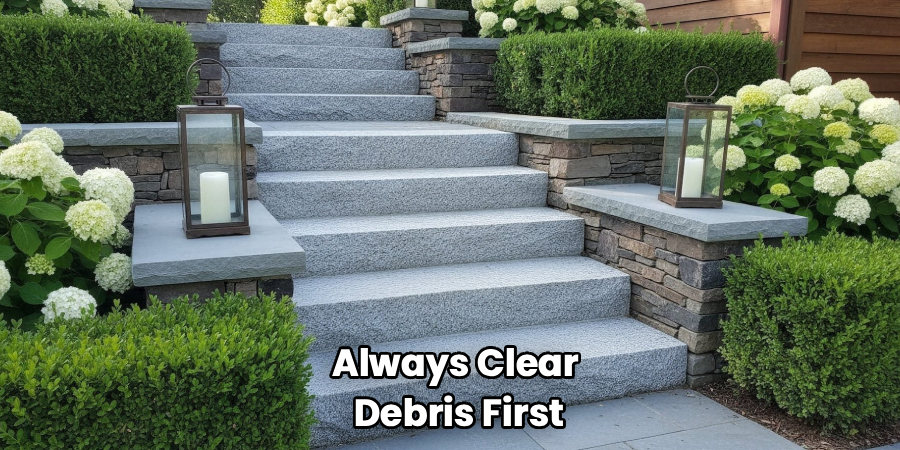
Mopping before sweeping. Loose grit turns your mop into a scouring pad. Always clear debris first, or you’re scratching the very surface you’re trying to clean.
Over-wetting the steps. Excess water seeps into seams and drips down risers, and it leaves the treads slick while you work. Damp is the goal, never soaked.
Skipping the rinse. Cleaner film builds up, dulls the finish, and grabs dirt fast. On high-traffic stairs, that means cleaning twice as often.
Never sealing. Granite is porous. Unsealed stairs soak up spills, oils from bare feet, and water stains, and the wear shows quickest on the steps you use most.
Safety and Warnings
Cleaning granite stairs is low-risk, but a staircase adds a few real hazards worth respecting.
- Never mix cleaning products, especially bleach and ammonia — the fumes are toxic. Sticking to one pH-neutral cleaner sidesteps this entirely.
- Dry each step fully before moving on. Wet granite is genuinely slippery, and a staircase is the worst place for a slip. Keep the area blocked off until every tread is dry.
- Ventilate the space when you seal. Sealers give off fumes, so open a window or run a fan and wear gloves.
- Test any new product in a hidden spot first, like the back corner of a bottom step. Granite varies, and a quick test saves you from dulling a whole staircase.
- Wear rubber gloves to protect your hands from prolonged moisture and cleaning agents.
Maintenance and Prevention Tips
The less grit and grime reach the stone, the less scrubbing you’ll ever do.
- Sweep or vacuum the stairs a couple of times a week. High-traffic steps collect grit fast, and keeping it off the surface prevents the fine scratches that dull granite over time.
- Wipe up spills immediately. Granite is porous, and anything left to sit — coffee, oil, cleaning products — can stain or etch.
- Place a mat at the base of the staircase. Catching grit before it climbs the steps cuts down wear dramatically.
- Reseal every 6 to 12 months. To check, drip a little water on a tread. If it beads up, the seal is fine. If it soaks in and darkens the stone, it’s time to reseal.
- Do a quick damp wipe weekly instead of waiting for heavy buildup, and always dry afterward.
A seasonal note: in winter, salt and slush tracked in from outside are brutal on granite stairs near an entryway. Salt is abrasive and can dull the finish, so sweep more often in the cold months and wipe treads down after wet days to keep the grit and residue from grinding in.
Frequently Asked Questions
Can I use vinegar to clean granite stairs?
No. Vinegar is acidic and etches granite while breaking down the protective sealer. On stairs, that damage concentrates in the walking path and shows as dull, worn spots. Use a pH-neutral cleaner instead.
How often should I clean granite stairs?
Sweep or vacuum a couple of times a week to keep grit off the surface, and do a damp wipe weekly. A deeper clean every couple of weeks handles the built-up grime in corners and along edges. Consistent light cleaning beats occasional heavy scrubbing.
What is the best cleaner for granite stairs?
A pH-neutral stone cleaner is your safest choice. If you don’t have one on hand, a few drops of mild dish soap in warm water works well for routine cleaning. Steer clear of anything acidic, abrasive, or bleach-based.
How do I make my granite stairs shine again?
Clean them with a pH-neutral cleaner, rinse away all residue, then dry and buff each step with a clean microfiber cloth. If the dullness won’t lift after that, you may have etching or a worn sealer, which needs resealing or professional polishing.
Do I need to seal granite stairs?
Yes. Granite is porous and absorbs spills, oils, and water stains, and that wear shows fastest on high-traffic steps. Seal every 6 to 12 months and use the water-bead test to know when it’s due.
Are wet granite stairs slippery?
Very. Damp granite offers little grip, and a staircase magnifies the risk. Always dry each tread fully after cleaning and keep the stairs blocked off until they’re completely dry.
Final Thoughts
Clear the grit first, clean gently with a pH-neutral solution, and dry every step before you walk away. Do those three things consistently and your granite stairs stay glossy and safe underfoot for years with hardly any effort.
