
A client once called me in a panic because the brand-new glass balustrade around her staircase looked permanently smeared no matter how much she wiped it. She’d been going at it with a dry paper towel and a supermarket spray, buffing the same greasy fingerprints back and forth into a foggy haze. The glass wasn’t damaged — she was just moving dirt around and grinding lint into it.
Learning how to clean glass balustrades properly comes down to two things: the right cloth and the right order of steps. Do it in the wrong sequence and you’ll spend twice as long chasing streaks. Get it right and a full staircase takes minutes, not an afternoon.
What You’ll Need
- Two clean microfiber cloths (one for washing, one for buffing)
- A soft-bristled brush or old toothbrush for edges and clamp fittings
- A bucket of warm water
- A few drops of mild dish soap
- A spray bottle
- White vinegar (optional, for hard-water spots)
- A squeegee — a small handheld one works best on balustrade panels
- A dry lint-free cloth or paper coffee filters for a final polish
- Rubber gloves
- An old towel to catch drips at the base
Start by Dusting the Glass and Fittings Dry
Skip this and you turn dust into muddy streaks the moment water hits the panel.
Run a dry microfiber cloth over both sides of each glass panel first, then use your soft brush to sweep dust and grit out of the metal channels, clamps, or standoff fittings that hold the glass. These fixings collect a surprising amount of gritty debris, and if you leave it there, it drags across the glass and scratches it once wet. On a stairway balustrade, pay attention to the bottom rail where dust settles heaviest.
Wash the Glass With Warm Soapy Water
Now for the actual clean. Mix a few drops of dish soap into your bucket of warm water — you want it barely sudsy, not foamy.
- Dip your washing cloth, wring it out so it’s damp not dripping, and wipe the full panel in overlapping strokes.
- Work top to bottom so dirty water runs onto glass you haven’t finished yet.
- Go over any fingerprints, splashes, or sticky spots a second time while the surface is still wet.
- Use the soft brush dipped in the soapy water to clean the frameless clamps and channel edges.
- Don’t let the soapy water dry on the glass — that’s what leaves film.
For frosted or etched glass panels, the same soapy water works, but skip the squeegee later and pat dry instead, since etched surfaces hold water differently and streak more easily.
Squeegee and Buff for a Streak-Free Finish
This is the step most people skip, and it’s the difference between clear glass and cloudy glass.
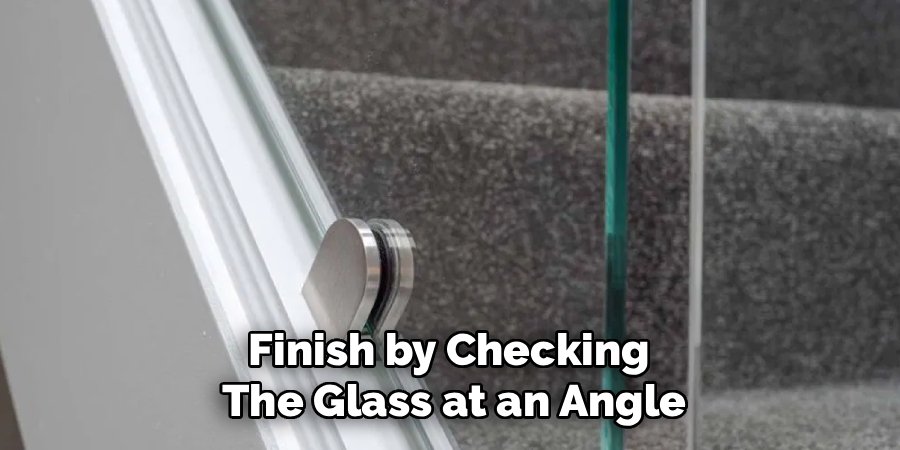
Pull your squeegee down the panel in a straight top-to-bottom stroke, wiping the blade on your towel after each pass. Overlap each stroke slightly. Once the bulk of the water is off, buff the whole panel with your dry buffing cloth in small circular motions, then finish with straight vertical strokes to lift any last streaks. Hold the glass at an angle to a light source so you can actually see what you’ve missed — I always check both sides this way before calling a panel done.
Tackle Hard-Water Spots and Stubborn Marks
If you’re dealing with white mineral spots — common on outdoor or bathroom balustrades — plain soap won’t shift them.
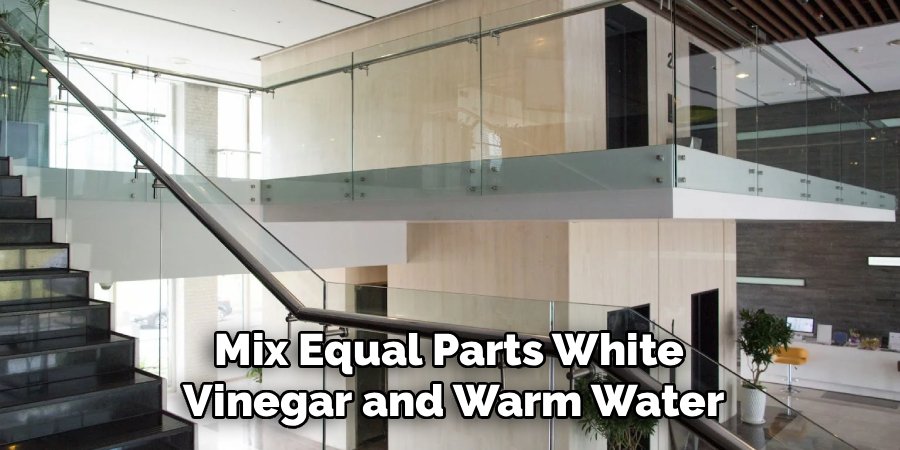
Mix equal parts white vinegar and warm water in your spray bottle, mist the affected area, and let it sit for two to three minutes. Wipe with a damp cloth, then rinse with clean water and re-buff. For sticky residue like tape marks or paint flecks, a little rubbing alcohol on a cloth lifts them without harming the glass. Never reach for a metal scraper on a hunch — test any blade work carefully and only on toughened flat glass.
Safe vs. Avoid: Products and Tools for Glass Balustrades
| Safe to Use | Avoid |
| Mild dish soap and warm water | Ammonia-heavy cleaners on tinted or coated glass |
| White vinegar (diluted) for hard water | Abrasive scouring pads or steel wool |
| Microfiber cloths | Paper towels (lint and micro-scratches) |
| Handheld squeegee | Dry-wiping a dusty panel |
| Soft brush for fittings | Metal scrapers on untested glass |
| Rubbing alcohol for sticky residue | Bleach near stainless or aluminum fittings |
| Coffee filters for polishing | Wax-based “wonder” sprays that build haze |
Common Mistakes to Avoid
- Dry-wiping dusty glass. Grit plus a dry cloth equals fine scratches you can’t buff out. Always dust first, then wash.
- Using paper towels. They shed lint and leave that frustrating fuzzy film. Microfiber every time.
- Letting soapy water dry on the panel. This is the number one cause of streaks. Squeegee or buff before it dries.
- Ignoring the fittings. Grime builds up in the clamps and channels, then bleeds back onto clean glass. Clean the metal too.
- Bleach around stainless steel or aluminum. It pits and stains the fixings that hold your balustrade together.
- Cleaning in direct sun. Hot glass dries your cleaning solution instantly and bakes in streaks. Work in shade or on a cool part of the day.
Safety and Warnings
Glass balustrades are usually toughened safety glass, but cleaning them still carries a few real risks worth respecting.
Watch your footing on stairs and landings. Wet floors and drips at the base of a balustrade make for a slip hazard. Lay down that old towel and dry any splashes immediately, especially on stair treads.
Never mix cleaning products. Don’t combine bleach with anything containing ammonia — the fumes are toxic. Honestly, you don’t need either for glass; soap and water do the job. If you’re tempted to reach for something stronger, ventilate the space and use one product at a time.
Protect the fittings from corrosion. Bleach and harsh acids attack stainless steel and aluminum. Use diluted vinegar sparingly and rinse metal well so nothing sits and etches it.
Inspect before you lean. Before you put any weight against a panel while cleaning a high balustcade or balcony, check that clamps and fixings are tight. If a panel feels loose or the glass is chipped at an edge, stop and get it checked — damaged toughened glass can fail suddenly.
Wear gloves. Warm soapy water is mild, but repeated cleaning dries out your hands, and vinegar stings any small cuts.
Maintenance and Prevention Tips
Keep on top of the small stuff and you’ll rarely need a full deep clean, which matters most for balustrades in busy or damp spots.
- Wipe fingerprints as you spot them. A quick daily buff on a stair balustrade with a dry microfiber cloth stops smears from building up.
- Do a proper wash every couple of weeks indoors, weekly outdoors. Outdoor glass collects pollen, rain spots, and dust far faster.
- Dry glass after rain or showers. Hard-water spots form when droplets evaporate and leave minerals behind. A quick squeegee prevents them.
- Apply a glass sealant twice a year. A rain-repellent coating makes water bead off and cuts your cleaning time dramatically — worth it on shower screens and outdoor balconies.
- Keep the fittings dry. Buff standoffs and clamps after cleaning so they don’t spot or corrode.
- Check fixings seasonally. Tighten anything loose and look for chips. Catching a problem early keeps the whole balustrade safe.
Frequently Asked Questions
What is the best thing to clean glass balustrades with?
Warm water with a few drops of mild dish soap, applied with a microfiber cloth and finished with a squeegee, gives the best results for everyday cleaning. For hard-water spots, add diluted white vinegar. You rarely need a specialist product — technique and the right cloth matter far more than the cleaner.
How do you clean glass balustrades without streaks?
Streaks come from letting soapy water dry on the panel. Wash top to bottom, then squeegee the water off in overlapping strokes before it dries, and buff with a dry microfiber cloth. Finish by checking the glass at an angle against the light to catch any spots you missed.
Can you use vinegar on glass balustrades?
Yes, diluted white vinegar (equal parts vinegar and water) works well on hard-water and mineral spots. Spray it on, let it sit a couple of minutes, then wipe and rinse. Keep it away from the metal fittings, though, since acid can etch or dull stainless steel and aluminum over time.
How often should you clean glass balustrades?
Indoor balustrades usually need a proper wash every one to two weeks, with quick fingerprint touch-ups in between. Outdoor glass gets dirtier faster from rain, pollen, and dust, so aim for weekly. Balustrades near kitchens or bathrooms collect grease and steam and may need more frequent attention.
Why do my glass balustrades look cloudy after cleaning?
Cloudiness is almost always residue — either soap film left to dry, hard-water minerals, or lint from paper towels. Re-clean with soapy water, buff thoroughly with microfiber, and switch to a squeegee finish. If a milky haze sits within the glass itself, that can be a coating issue rather than dirt.
How do you clean the metal fittings on a glass balustrade?
Use the same warm soapy water and a soft brush to work grime out of clamps, channels, and standoffs, then rinse and buff dry to prevent water spots. Avoid bleach and harsh acids on stainless steel and aluminum, as they cause pitting and staining.
Final Thoughts
Dust first, wash with mild soap, and squeegee before the water dries — that order is the whole secret to clear, streak-free glass. Stay on top of fingerprints and hard-water spots as they appear, and your balustrade stays looking new with barely any effort.
