
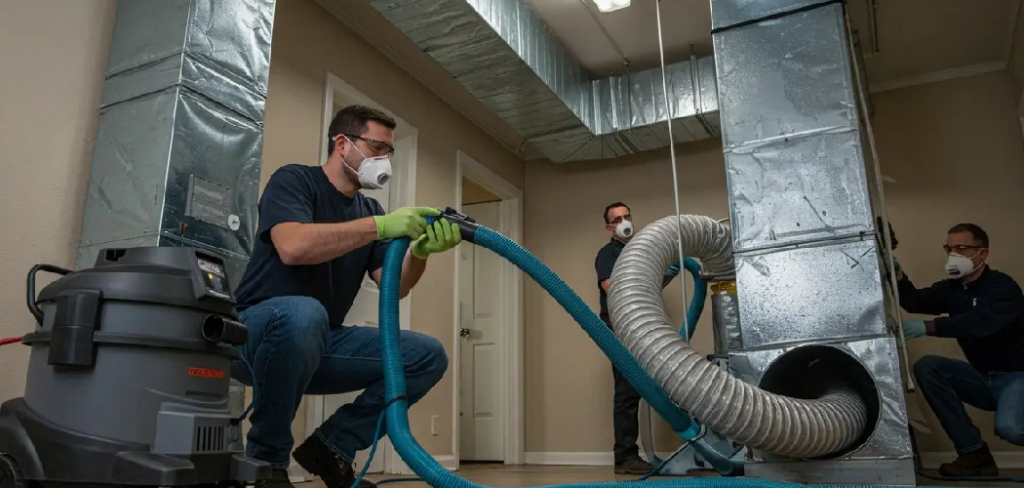
A homeowner once called me in a panic because her central vac had gone from “sucks a golf ball through a garden hose” to barely lifting a hair off the rug. She’d owned it six years and never emptied the canister — it was packed so tight the dirt had compressed into a solid brick, and the motor was screaming trying to pull air through it. That single neglected canister nearly cost her a $400 motor.
The good news is a central vacuum is one of the most forgiving systems in the house once you know its weak points. Learning how to clean central vacuum components takes maybe half an hour, and it keeps that powerhead suction strong while sparing the motor from an early death.
What You’ll Need
- A dust mask (the canister release is a dust bomb)
- Rubber gloves
- A trash bag or outdoor bin
- A soft-bristle brush or old toothbrush
- Warm water and mild dish soap
- A bucket or utility sink
- Clean microfiber cloths
- A long flexible pipe brush or a foam cleaning cloth made for vacuum tubing
- A short length of chain or a soft sponge ball (for flushing the wall pipes)
- Replacement filter or filter bag, if yours is due
- A screwdriver, in case your powerhead needs opening
Do the whole job outdoors or in a garage if you can. When you crack open a full canister, fine dust plumes everywhere, and you don’t want that landing back on the furniture you just cleaned.
Empty the Canister Before It Reaches Full
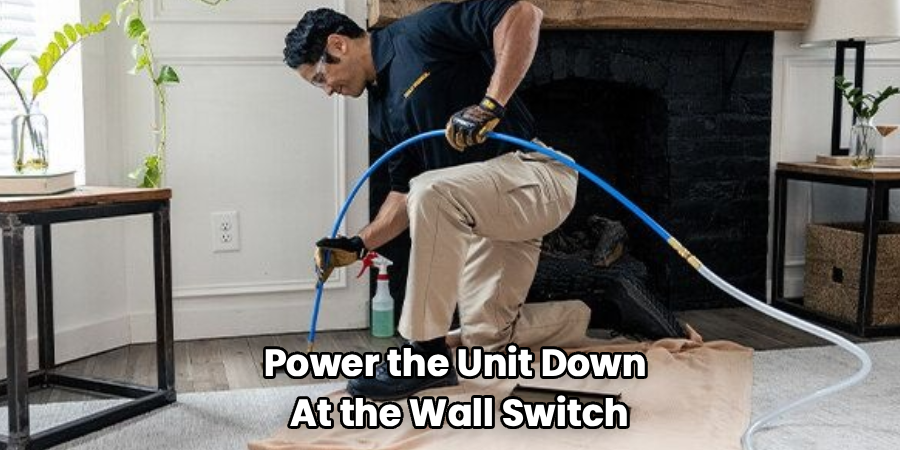
Power the unit down at the wall switch or breaker before you touch anything — most central vacs kick on the second the hose is inserted, and you don’t want the motor spinning while your hands are near the intake.
Head to the power unit, usually mounted in the garage, basement, or a utility closet. Unclip the dirt canister at the bottom; on most models it twists a quarter-turn or releases with a couple of latches. Lower it slowly and straight down so you don’t tip the load. Dump it into your trash bag, then knock the sides to free the packed dust clinging to the walls.
Here’s the field rule I gave every client: empty it at the halfway mark, not the full line. A canister filled past halfway chokes airflow, and the motor pulls harder to compensate. Half-full emptying is the cheapest motor insurance you’ll ever get.
Wipe the Canister Inside and Out
Take the empty canister to the sink. If it’s just dry dust, a wipe with a damp microfiber cloth does it. If something wet or sticky went up the hose — spilled juice, damp pet mess — wash it out with warm water and a drop of dish soap, then dry it completely.
A wet canister reinstalled damp grows a musty smell fast, and every future load of dust turns to mud against the wet walls. Bone dry before it goes back on, every time.
Clean or Replace the Filter
Above the canister sits the filter — a pleated cartridge, a foam sleeve, or a cloth bag depending on your model. This is the part people forget exists, and it’s where suction quietly dies.
For a washable foam or cloth filter, tap it out over the trash, rinse it under warm water until it runs clear, and let it air-dry a full 24 hours. Reinstalling it even slightly damp is asking for mold.
For a pleated cartridge filter, take it outside and tap it firmly against a hard surface to knock loose the caked dust, then brush the pleats gently. Most cartridge filters are not meant to be washed — soaking collapses the pleats. When the tapping stops producing dust clouds and the pleats still look gray and matted, it’s spent. Replace it.
For a disposable bag system, just swap the bag. Don’t try to reuse it.
Flush the Wall Tubing and Inlets
The PVC pipes running through your walls collect a filmy buildup over the years, especially near bends. You’ll rarely need to do this, but if you notice a persistent stale smell or a clog, it’s worth the effort.
Follow this order:
- Confirm the unit is powered off at the breaker.
- Pour a cup of warm water with a splash of dish soap down the inlet furthest from the power unit — never more than a cup, and never straight cleaning chemicals.
- Drop a soft sponge ball or a length of chain into that same inlet.
- Power the unit back on and let the suction pull the ball through the pipes toward the canister. It scrubs the walls as it travels.
- Retrieve the ball from the canister, power down, and repeat from the next inlet if needed.

Never send anything hard, sharp, or larger than the pipe opening down there. A stuck object in a wall pipe is a drywall-opening repair, and I’ve seen people jam a whole tennis ball in trying to be thorough.
Deodorize the System
If the smell lingers after flushing, drop a scented vacuum granule or a cotton ball dabbed with a couple drops of essential oil into an inlet and let the suction carry it through. Skip anything oily or waxy that could coat the pipe walls.
Clean the Hose and Powerhead
The hose and powerhead touch the actual dirt, so they hold the most gunk. Detach the hose from the wall inlet and hold it up to a light — you’re checking for a clog silhouette. Feed your flexible pipe brush or foam cleaning cloth through to clear any trapped debris and wipe the inside walls.
The powerhead is where hair and thread wrap tight around the beater brush. Flip it over, and with the unit unplugged, cut through the wrapped hair with scissors and peel it off the roller. Pull any thread out of the end-cap bearings too — that’s the spot that seizes rollers. Wipe the sole plate, check the belt for cracks, and clear the wheels.
Dos and Don’ts
| Do This | Not This | Why It Matters |
| Empty the canister at half-full | Wait until it’s packed solid | A full canister strains and overheats the motor |
| Air-dry filters a full 24 hours | Reinstall a damp filter | Moisture breeds mold and mud inside the unit |
| Tap and brush pleated cartridge filters | Soak them in water | Water collapses the pleats permanently |
| Send a soft sponge ball through pipes | Push hard objects down inlets | A hard object stuck in a wall pipe means opening drywall |
| Cut hair off the powerhead roller | Let it wrap into the bearings | Wrapped thread seizes the roller and kills the belt |
| Power off at the breaker first | Work with the unit live | Central vacs start the moment a hose engages |
Common Mistakes to Avoid
These are the errors that turn a simple clean into a repair bill:
- Never emptying until suction dies. By the time you feel weak suction at the powerhead, the motor has already been straining for weeks.
- Ignoring the filter entirely. The canister gets emptied, but the filter behind it stays caked. Suction never fully recovers until you clean it.
- Washing a pleated cartridge. Soaking a filter built for dry knocking destroys the pleats and you’ll be buying a new one.
- Reinstalling anything damp. Wet canister, wet filter, wet pipe — all of it grows smell and mold in a dark enclosed unit.
- Forcing objects through the wall pipes. Only soft, pipe-sized items go in. Anything else risks a clog buried in the wall.
- Skipping the powerhead roller. Hair and thread choke the beater brush, and a bound roller burns through belts fast.
Safety and Warnings
There’s no harsh chemistry in this job — it’s mild dish soap, water, and a brush. The real hazards here are dust and electricity, so a few rules keep you safe.
Cut the power at the breaker first. Central vacuum units are wired to start automatically when a hose is inserted. Don’t reach near the motor intake or open the powerhead with power live.
Wear a mask and gloves. Cracking a full canister releases a cloud of fine dust, dander, and whatever else got vacuumed up. You don’t want to breathe six years of it.
Never pour straight cleaning chemicals down an inlet. No bleach, no ammonia, no drain cleaner. A cup of mild soapy water is the strongest thing that belongs in those pipes, and mixing chemicals in an enclosed system can trap fumes that blow out the next time you vacuum.
Let everything dry fully. A damp filter or canister in a sealed unit is prime mold territory, and the system will push those spores through the whole house on the next run.
Unplug the powerhead before clearing the roller. Scissors and a spinning beater brush don’t mix.
How to Keep Your Central Vacuum Running Strong
A little routine keeps suction strong and stretches years out of the motor.
- Empty the canister at the halfway mark. Set a visual reminder if your canister isn’t clear — most clogs and motor strain trace straight back to a full canister.
- Check the filter every time you empty. A ten-second tap-out keeps it from ever caking solid.
- Do a deep clean twice a year. I always told clients to tie it to the clocks — clean it when you change your smoke detector batteries in spring and fall so you never forget.
- Clear the powerhead roller monthly if you have long hair or pets in the house. Hair wraps faster than you’d think.
- Keep large debris out of the inlets. Coins, screws, and bits of toy are what jam wall pipes. Sweep those into a dustpan instead.
- Listen to the motor. A higher-pitched whine usually means it’s straining against a clog or a full canister — investigate before it overheats.
Frequently Asked Questions
How often should you clean a central vacuum?
Empty the canister whenever it hits the halfway point, which for an average home is every one to three months. Tap out or check the filter each time you empty. Plan a full deep clean — filter, pipes, hose, and powerhead — twice a year.
Why does my central vacuum have weak suction?
The usual culprits, in order, are a full canister, a caked filter, and a clog in the hose or wall pipe. Empty and check those first. If suction is still weak after all three are clear, you may have a cracked hose, a bad seal on the canister, or a motor starting to fail.
Can you wash a central vacuum filter?
It depends on the type. Foam and cloth filters rinse under warm water and air-dry for 24 hours. Pleated cartridge filters should only be tapped and brushed clean — water collapses the pleats and ruins them. Disposable bags get replaced, never washed.
Why does my central vacuum smell bad?
Almost always moisture or trapped debris. Check for a damp filter or canister first, since those grow mold in the sealed unit. If those are dry, flush the wall pipes with a cup of mild soapy water and a sponge ball, then run a deodorizing granule through the system.
How do I clear a clog in a central vacuum pipe?
Locate the clogged inlet by testing suction at each one. Try pulling the debris back out with the hose, or send the suction to work by dropping a soft sponge ball down a clear inlet to push it through. Never force hard objects down the pipe to dislodge a clog.
How long does a central vacuum last?
A well-maintained unit runs 15 to 20 years, and the motor is the part that decides. The single biggest factor is airflow — units emptied on time with clean filters last far longer than ones run choked and full.
Final Thoughts
A central vacuum thrives on airflow, and every part of this job comes back to keeping that air moving freely. Empty at half-full, keep the filter clear, and let everything dry all the way before it goes back together. Do that twice a year and the motor will outlast three of the portable vacuums it replaced.
