
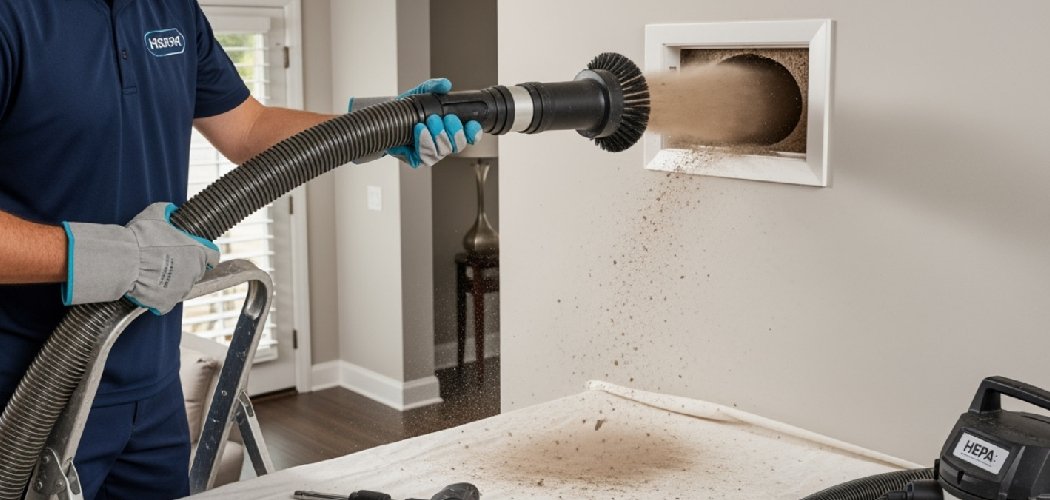
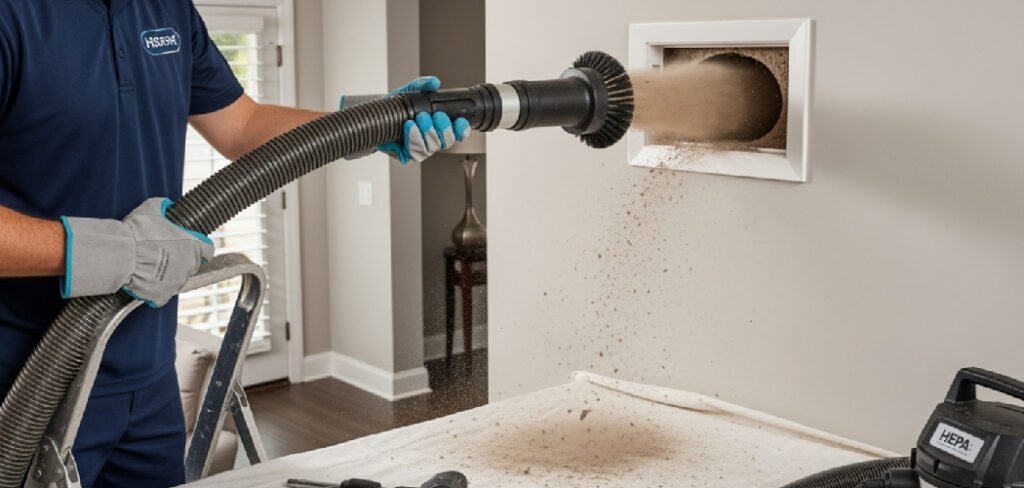
I once got called out to a house where every sink in the place gurgled and belched like a swamp, and the bathroom smelled faintly of sewer no matter how much the owner scrubbed. She’d poured three bottles of drain cleaner down the pipes chasing a clog that didn’t exist. The real problem was up on the roof: a vent pipe stuffed with leaves and a dead squirrel, choking off the airflow the whole plumbing system needs to drain.
That’s the trap most people fall into. Learning how to clean drain vent buildup fixes the slow drains, the gurgling, and the sewer smell that no amount of chemical cleaner will touch. Once air can move freely through the vent again, water pulls down the pipes the way it should.
What You’ll Need
Gather everything before you climb up, because the last thing you want is to be halfway up a ladder realizing you left the hose on the ground.
- A sturdy extension ladder
- A garden hose with a spray nozzle
- A plumber’s drain snake or auger (25 feet or longer)
- A flashlight
- Work gloves
- Safety glasses
- A bucket
- Old rags
- A helper on the ground (strongly recommended)
- Optional: a plumbing camera or a wet/dry vac for stubborn debris
- Non-slip shoes
Find the Vent Opening on Your Roof
Every drain in your home connects to a vent stack that runs up through the roof. It’s usually a plain pipe, two to four inches wide, poking up near the bathroom or kitchen side of the house.
Before you go up, walk the perimeter and spot it from the ground so you know exactly where you’re headed. Wait for a dry, calm day with no wind, and never do this on a wet or icy roof. I always tell folks to pick a mild morning in early fall, right after the leaves start dropping but before the first freeze, since that’s when these pipes clog worst and the roof is still safe to walk.
Set Your Ladder and Check for Obvious Blockages
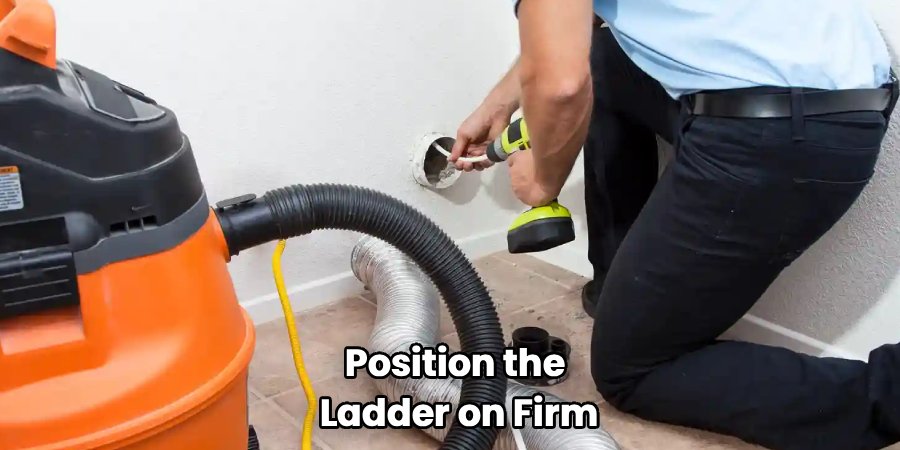
Position the ladder on firm, level ground and have your helper hold the base. Once you’re up at the vent, shine your flashlight straight down the pipe.
Nine times out of ten you’ll see the culprit near the top: matted leaves, a bird’s nest, a tennis ball, or a critter that crawled in and couldn’t get out. Pull out whatever you can reach by hand while wearing gloves. Drop it in your bucket, not down the pipe, or you’ll just push the clog deeper.
Flush the Vent With a Garden Hose
Feed the garden hose down into the vent opening. Have your helper turn the water on at a moderate flow while you listen.
If the water drains straight down with a steady rush, the vent is clear and you’ve solved it. If the water backs up and pools near the top of the pipe, you’ve got a blockage deeper down that the hose alone won’t clear. Shut the water off before it overflows onto the roof, and move to the snake.
Break Up a Deeper Clog With a Drain Snake
Feed the auger cable down the vent stack slowly, cranking the handle as you go. When you hit resistance, that’s your clog.
Work the snake back and forth to chew through it rather than forcing it. Once you feel the cable break through and move freely, pull it back out. You’ll often drag up a wad of gunk, roots, or a rotted nest with it. Run the hose down again to flush the loosened debris the rest of the way through the pipes.
Confirm the Vent Is Clear
Have your helper flush a toilet and run a sink while you keep your ear near the vent opening. You should hear air being drawn down the pipe as the water moves.
Back inside, watch a sink drain. If the water swirls down fast and quiet with no gurgle, and the sewer smell is gone, the vent is doing its job again. Slow drains and gurgling both mean air still can’t get through, so go back up and snake it deeper.
Method Comparison: What Works vs What to Skip
| Method | Best For | Effort | Watch Out For |
| Hand removal | Leaves, nests, debris at the opening | Low | Wear gloves; critters may still be alive |
| Garden hose flush | Light clogs, confirming flow | Low | Can overflow if the clog is deep |
| Drain snake/auger | Deep clogs, roots, packed debris | Medium | Force too hard and you can crack older pipe |
| Wet/dry vac | Loose dry debris near the top | Medium | Won’t clear anything deep or wet-packed |
| Chemical drain cleaner | Nothing — skip it | — | Useless in a vent; damages pipes and does nothing for airflow |
Common Mistakes to Avoid
These are the errors I saw cost people time, money, and sometimes a trip to the emergency room.
- Dumping drain cleaner down the vent. A vent clog is about blocked airflow, not a greasy pipe. Chemicals sit there doing nothing but corroding your plumbing.
- Pushing debris deeper. Poking a stick down to “clear” leaves just packs them tighter further down. Pull material out, don’t shove it in.
- Climbing on a wet or windy roof. Most vent-cleaning injuries are falls, not plumbing problems. Wait for dry, calm weather.
- Snaking too aggressively. Old cast iron and ABS pipe crack under force. Ease the auger through instead of ramming it.
- Ignoring the smell after. If the sewer odor lingers, the clog isn’t fully cleared or the vent has a second blockage lower down.
- Skipping the flush test. If you don’t run water and listen, you won’t know whether you actually fixed the airflow until the next backup.
Safety and Warnings
This job puts you on a roof and near sewer gas, so treat it with respect.
- Never work on a roof alone. Keep a helper at the ladder base to steady it and call for help if you slip. Falls from height are the real danger here, far more than any clog.
- Skip wet, icy, or windy days. A damp shingle is slick as glass. Non-slip shoes and dry conditions are non-negotiable.
- Don’t breathe directly over the open vent. Sewer gas contains methane and hydrogen sulfide. Turn your face away when you first open or clear the pipe, and don’t lean over it for long.
- Wear gloves and eye protection. Vent debris is full of bacteria, mold, and droppings. You don’t want splashback in your eyes when you flush.
- Never mix chemical cleaners into the vent. If you’ve already poured something down and it didn’t work, flush thoroughly with water before doing anything else. Combining leftover products can release toxic fumes in an enclosed pipe.
- Watch power lines. Extension ladders and metal augers near overhead service lines are a serious electrocution risk. Know where the lines run before you raise anything.
If you’re not steady on a ladder or your roof is steep, this is a fair job to hand to a plumber. There’s no shame in staying off a roof you don’t trust.
How to Keep Your Drain Vent Clear Longer
A vent that’s clogged once will clog again if you don’t stay ahead of the debris that gets in.
- Install a vent cap or screen. A simple mesh cap keeps leaves, birds, and squirrels out while still letting air through. This one change prevents most repeat clogs.
- Clear it every fall. Do a quick visual check and flush after the leaves drop but before winter sets in. Ten minutes now saves a gurgling nightmare in January.
- Trim overhanging branches. Limbs that shed onto the roof drop straight into an open vent. Cut them back and you cut off the supply of debris.
- Listen for early warning signs. Gurgling drains and a faint sewer smell are the first hints of a partial vent clog. Catch it early and a hose flush fixes it before you ever need the snake.
- Check the cap after storms. High winds knock nests and branches loose and drop them right onto the roof. A quick look after a big blow keeps things clear.
- Note the pattern. Clients used to ask me why their drains only acted up in autumn. It was almost always the vent, filling with the same falling leaves year after year, on the same schedule.
Frequently Asked Questions
How do I know if my drain vent is clogged?

The classic signs are slow drains throughout the house, gurgling sounds from sinks and toilets, and a persistent sewer smell indoors. If a single drain is slow, it’s probably a local clog. When multiple drains act up at once and gurgle, the vent stack is the likely cause.
Can I clean a drain vent from inside the house?
Not easily. The vent stack runs up through the roof, and the clog is almost always near the top opening where debris falls in. The most reliable approach is from the roof, feeding a hose or snake down the pipe. Working from inside means dismantling plumbing, which is far more trouble than a quick trip up a ladder.
Will drain cleaner fix a clogged vent?
No, and it can make things worse. Drain cleaner is made to dissolve grease and hair inside water-carrying pipes. A vent carries air, not water, and the clog is usually leaves, nests, or debris that chemicals do nothing to. All you’ll accomplish is corroding your pipes.
How often should you clean a roof vent pipe?
Once a year is plenty for most homes, ideally in fall after the leaves drop. If you have tall trees close to the house or a lot of bird activity on the roof, check it twice a year. Adding a vent cap cuts the frequency down considerably.
Why do my drains gurgle even after I cleared the clog?
Gurgling means air still can’t move freely through the vent. Either the clog isn’t fully cleared, there’s a second blockage lower in the stack, or the vent opening is partly obstructed. Snake the pipe deeper and flush again, then run the water test to confirm the air is drawing down.
Is it safe to walk on my roof to clean the vent?
Only in dry, calm conditions with proper footwear and a spotter at your ladder. Steep roofs, wet shingles, and high winds turn this into a dangerous job fast. If any of that describes your situation, call a plumber instead of risking a fall.
Final Thoughts
A clear vent is what lets your whole plumbing system breathe, so the drains run fast and the sewer smell stays out. Pull the debris, flush with a hose, snake anything deeper, and always test the airflow before you climb down. Slap a screen cap on top and do a quick fall check, and you’ll likely never fight that gurgle again.
