
A rockhound I knew once dunked a gorgeous piece of raw pyrite in a bucket of water to “wash off the dirt,” walked away, and came back to a crumbling, rust-stained mess. Pyrite hates water, and so do plenty of other rocks people assume are indestructible. That single wrong move ruined a specimen he’d hiked six miles to find.
Learning how to clean a rock is less about scrubbing hard and more about knowing what you’re holding first. Some rocks shrug off soap and a toothbrush, while others react badly to water, acid, or heat. Match your method to the mineral and you’ll bring out its color without wrecking it.
What You’ll Need
- Soft-bristle toothbrush or a nylon detailing brush
- Mild dish soap
- Two bowls or buckets — one for soapy water, one for rinsing
- Distilled water (for sensitive or porous stones)
- Wooden or plastic pick, or a bamboo skewer
- Old towels and a soft cloth
- White vinegar (for calcium and lime deposits only)
- Baking soda (for neutralizing and gentle scrubbing)
- Denture-cleaning tablets or Iron Out (for tough mineral stains)
- Rubber gloves and safety glasses
- A small stiff brass brush (metals and hard stones only)
- Toothpicks or dental tools for tight crevices
Notice I list soap and a toothbrush at the top. Nine times out of ten, that’s all you need. Everything below the vinegar line is for stubborn cases, and you should reach for it slowly.
Identify the Rock Before You Wet It
Before anything touches water, figure out what you’ve got. Soft, porous, or metallic minerals need special handling, and guessing wrong is how good specimens get destroyed.
Do a quick scratch and water check. If the rock flakes, has a metallic shine, or feels chalky and soft, keep it away from long water soaks and acids. Hard, glassy stones like quartz, agate, and jasper can handle far more aggressive cleaning than soft ones like selenite, malachite, or pyrite.
Clients who collected on the side used to ask me why their “self-cleaning” tumbled stones looked dull after a rinse. Usually it was mineral film from tap water drying on the surface. Hard water leaves a chalky haze on polished stones, which is why I switched sensitive pieces to distilled water years ago — it dries clean with no spots.
Start With a Soap-and-Water Soak
For most common rocks, warm water and dish soap do the heavy lifting. Fill a bowl with warm (not hot) water, add a few drops of mild dish soap, and let the rock soak for a few hours.
Soaking loosens caked dirt so you’re not grinding grit against the surface later. Skip this soak entirely for water-sensitive stones and go straight to a dry-brush cleaning instead. For everything else, a soak saves your brush and your wrist.
Scrub Away Dirt and Debris
Once the rock has soaked, work the surface with a soft toothbrush.
Brush the Flat Surfaces
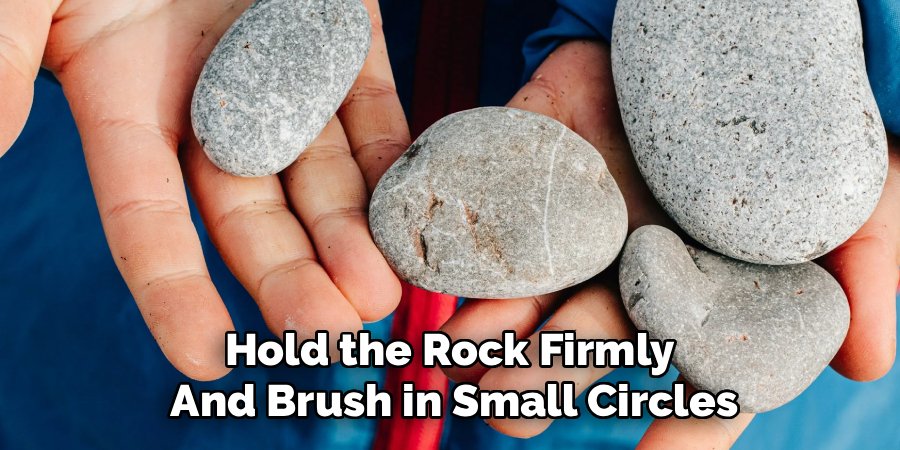
Hold the rock firmly and brush in small circles across the open faces. Rinse the brush often so you’re not just moving mud around. Add a fresh drop of soap if the grime is heavy.
Dig Out the Crevices
Cracks and pits trap the worst dirt. Use a wooden pick, bamboo skewer, or toothpick to lift debris out of tight spots without scratching the stone. Avoid metal picks on soft rocks — they leave gray marks that look like damage.
Rinse and Inspect
Rinse under running water, or use distilled water for sensitive pieces, then hold the rock up to the light. Dry it with a soft cloth and see what’s left. Plain dirt should be gone; anything remaining is likely mineral deposit or embedded stain, which needs a different approach.
Tackle Mineral Deposits and Stubborn Stains
If a chalky white or rusty film survives the scrub, you’re dealing with mineral buildup, not dirt.
Use Vinegar for Calcium and Lime
White vinegar dissolves calcium and lime deposits on hard stones. Soak the rock for a few hours, then check it. Never use vinegar on soft or calcium-based rocks like limestone, marble, calcite, or malachite — the acid eats them alive. Test on a hidden spot first if you’re unsure.
Try Iron Out for Rust Stains
Reddish-brown iron staining on quartz and hard stones responds well to a product like Iron Out or a denture tablet soak. Follow the product directions, keep it off soft minerals, and rinse thoroughly when done.
Finish With a Baking Soda Neutralize
After any acid treatment, rinse the rock and give it a quick soak in water with a spoonful of baking soda. This neutralizes leftover acid so it stops working on the surface. Rinse once more and dry.
Method Comparison: What to Use on Which Rock
| Rock Type | Best Method | What to Avoid | Notes |
| Quartz, agate, jasper | Soap, water, vinegar, Iron Out | Nothing much fazes these | Hardest and most forgiving |
| Limestone, marble, calcite | Soft brush, distilled water only | Vinegar, any acid | Acid dissolves them |
| Pyrite, hematite (metallic) | Dry brush, quick wipe | Long water soaks | Water causes rust and breakdown |
| Selenite, gypsum | Dry brush or barely damp cloth | Water soaks | Dissolves in water |
| Malachite, azurite | Damp cloth, no soaking | Acid, heat, long soaks | Soft and reactive |
| Tumbled/polished stones | Soap and distilled water | Hard water, abrasives | Hard water leaves film |
Common Mistakes to Avoid
- Soaking water-sensitive rocks. Pyrite, selenite, and gypsum degrade or dissolve in water. Identify before you dunk.
- Using acid on soft stones. Vinegar destroys limestone, marble, and calcite. Acid belongs only on hard, glassy minerals.
- Grabbing a metal pick for soft rock. It scratches and leaves gray marks that mimic damage.
- Skipping the neutralize step. Leftover acid keeps etching the surface long after you think you’re done.
- Scrubbing before soaking. Dry grit acts like sandpaper and scratches the finish. Soak first when the rock allows it.
- Using hot water. Sudden temperature changes can crack certain stones. Stick with warm.
- Drying in direct sun on delicate pieces. Fast, uneven drying stresses fragile minerals.
Safety and Warnings
Most rock cleaning is low-risk, but a few situations need real care — especially once acids and rust removers come out.
- Never mix cleaners. Don’t combine vinegar with bleach, ammonia, or rust removers. The fumes can be dangerous. Pick one product, rinse fully, then switch if needed.
- Wear gloves and eye protection with acids and Iron Out. These irritate skin and eyes. Rubber gloves and safety glasses are cheap insurance.
- Ventilate the space. Work near an open window or outdoors when using vinegar soaks, rust removers, or anything with a strong smell.
- Test in a hidden spot first. Before treating a whole specimen, try any acid or chemical on a small, out-of-sight area to catch a bad reaction early.
- Never taste or lick a rock to identify it. Some minerals contain lead, arsenic, or other toxins. Old collectors did this; don’t copy them.
- Keep chemicals away from kids and pets. Denture tablets and rust removers look harmless but aren’t.
Keep Your Rocks Clean Longer
A clean rock stays that way with a little upkeep, and the right storage prevents most future scrubbing.
- Dust regularly with a soft brush. A quick dry-brush every few weeks stops grime from building into a hard film.
- Store sensitive stones away from humidity. Pyrite, selenite, and other reactive minerals hate damp air. Keep them in a dry cabinet, not a bathroom shelf.
- Use silica gel packs in display cases. They pull moisture out of the air and protect metallic and water-sensitive specimens.
- Keep polished stones out of direct sunlight. Some minerals, like amethyst and rose quartz, fade over time with heavy sun exposure.
- Handle with clean, dry hands. Skin oils dull polished surfaces and attract dust. Wipe pieces with a soft cloth after handling.
- Wipe with distilled water, not tap. Skip the hard-water film that dulls polished stones by keeping distilled water on hand for touch-ups.
- Separate soft stones in storage. Harder rocks scratch softer ones when they rub together. Wrap delicate pieces individually.
Frequently Asked Questions
What is the best way to clean a rock?
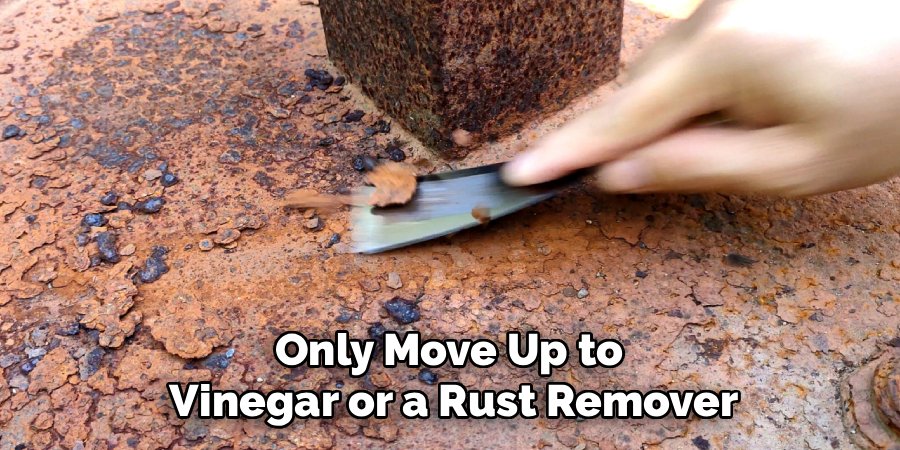
Start with the gentlest method: a warm soak in mild dish soap and water, followed by a soft toothbrush. That handles most common rocks. Only move up to vinegar or a rust remover if mineral deposits or stains survive the scrub, and always confirm your rock can handle acid first.
Can you clean rocks with vinegar?
Yes, but only hard, glassy rocks like quartz, agate, and jasper. Vinegar dissolves calcium and lime deposits and lifts some rust staining. Never use it on soft or calcium-based stones like limestone, marble, calcite, or malachite, because the acid eats right through them.
How do you clean rocks without damaging them?
Identify the rock first, then match the method to its hardness. Soak and brush hard stones, but keep soft and metallic ones away from long water soaks and acids. Use wooden picks instead of metal, warm water instead of hot, and always neutralize after any acid treatment.
Why can’t you soak all rocks in water?
Some minerals react badly to water. Pyrite rusts and crumbles, while selenite and gypsum actually dissolve. Metallic and soft, chalky rocks need dry brushing or a barely damp cloth instead of a soak. When in doubt, keep the water contact short.
How do you get rust stains off rocks?
Use a rust remover like Iron Out or a denture-cleaning tablet soak on hard stones only. Follow the product directions, rinse thoroughly, then neutralize with a baking soda soak. Keep these products off soft and calcium-based minerals, and wear gloves while you work.
How do you make rocks shiny after cleaning?
For a natural shine, dry the clean rock and buff it with a soft cloth. A thin coat of mineral oil or a dedicated stone polish deepens the color on many stones. For a true glossy finish, though, you’d need to tumble or hand-polish the rock, which is a separate process.
Final Word
Work from gentle to aggressive, and let the mineral tell you how far to go — soap and a brush clear most rocks, and only stubborn stains justify the acids. The real skill isn’t scrubbing harder; it’s knowing which rocks you should barely touch.
