
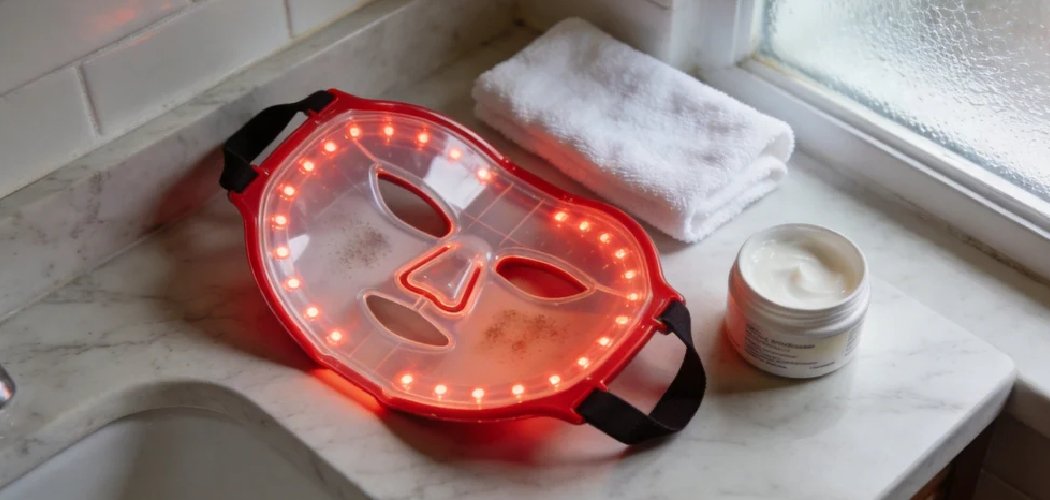
A woman once handed me her flexible silicone LED mask and asked why it had started smelling faintly sour and leaving little breakouts along her jaw. She’d been using it nightly for months and had never wiped it down once — just folded it back in the box after each session. All that trapped sweat, serum, and skin oil had turned the inside into a bacteria buffet, pressed right against her face for ten minutes a day. That’s the number one mistake with these masks: treating them like a gadget instead of something that touches your skin.
Knowing how to clean a red light mask really comes down to being gentle with the electronics and thorough with the surface your face actually touches. These devices mix delicate LED panels with skin-contact material, so you can’t just rinse one under the tap. Do it right and the mask stays hygienic without you ever risking the lights or the wiring.
What You’ll Need
Grab these before you start so you’re not fumbling with a half-damp mask and a live device.
- Two soft microfiber cloths (one damp, one dry)
- Lukewarm water
- A gentle, alcohol-free cleanser or mild soap
- 70% isopropyl alcohol (for the skin-contact surface only)
- Cotton pads or a soft cotton swab
- A small, soft-bristled brush for crevices
- A clean, dry towel to lay everything on
Notice there’s no soaking bowl, no spray bottle aimed at the mask, and no baby wipes. I’ll get into why those cause trouble below.
Unplug and Power Down First
This sounds obvious, but it’s the step people skip when they’re in a hurry.
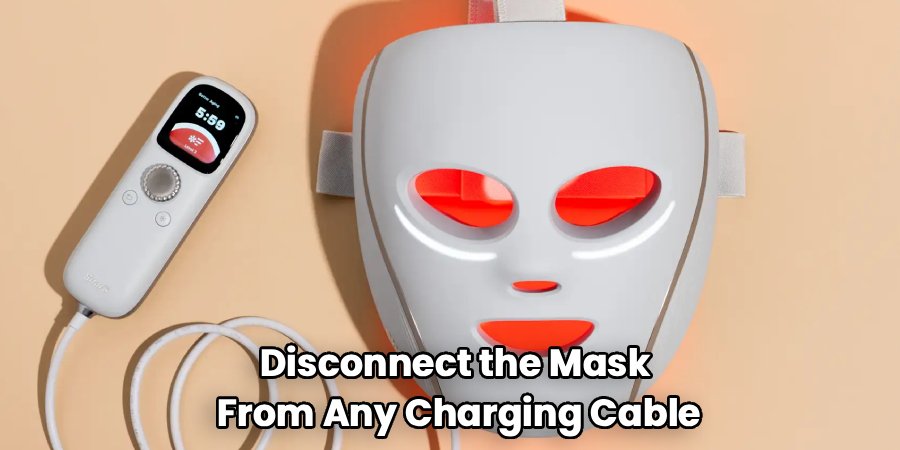
Disconnect the mask from any charging cable or controller and make sure it’s completely powered off. Never clean a red light mask while it’s plugged in or switched on. If yours has a detachable controller or battery pack, remove it and set it well away from your cleaning area. Water and electronics don’t forgive mistakes, and a two-second habit here saves you a ruined device.
Wipe Down the Skin-Contact Surface
This is the side that matters most, because it sits directly on your sweat, serum, and makeup.
- Dampen a microfiber cloth with lukewarm water — wring it until it’s barely moist, not dripping.
- Wipe the entire inner surface where your skin makes contact, working around the nose and cheek areas where oil collects most.
- For a deeper clean, put a little 70% isopropyl alcohol on a cotton pad and gently wipe the skin-contact surface. This disinfects without soaking the electronics.
- Go back over it with the damp cloth to lift any residue, then let it sit a moment.
Pay extra attention to the forehead band and the sides near your temples. On the masks I’ve handled, that’s where serum tends to pool and dry into a sticky film you can’t see but can definitely feel.
Clean Around the LED Bulbs and Panels
The lights themselves need a lighter touch than the rest of the mask.
Use a dry or barely-damp microfiber cloth to wipe across the LED side in slow, even passes. Don’t press hard on individual bulbs, and never dig at the gaps with anything sharp. For dust caught between the LEDs, a soft-bristled brush or a dry cotton swab clears it out without scratching. Keep liquid away from any seams where the panel meets the housing — that’s a direct path to the wiring underneath.
Address the Straps, Padding, and Controller
These parts get overlooked, but they hold onto grime too.
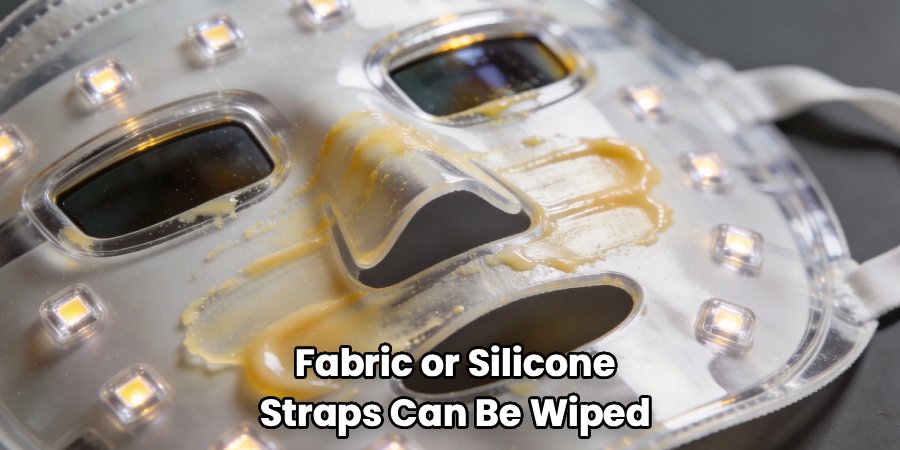
Fabric or silicone straps can be wiped with the damp cloth and a drop of mild soap, then wiped clean with plain water. If your mask has removable padding, check the manual — some pieces are hand-washable, but let them air-dry fully before reattaching. For the controller, use only a dry or lightly damp cloth on the buttons and casing. Never let moisture near the ports or charging contacts.
Dry Everything Completely Before Storing
Trapped moisture is what caused that sour smell I mentioned at the start.
Lay the mask flat on a dry towel, skin-contact side up, and let it air-dry in a room with good airflow. Give it at least 20 to 30 minutes before folding it away or using it again. Skip the hairdryer, the radiator, and direct sun — heat can warp flexible silicone and stress the LED seals. Once it’s dry to the touch inside and out, store it flat or gently rolled in its case, away from humidity.
Red Light Mask Cleaning: Do vs. Don’t
Clients used to ask me for the fastest shortcut, and with these masks the fast way is usually the expensive way. Here’s how the common approaches hold up.
| Method / Approach | Verdict | Why |
| Barely-damp microfiber wipe | Do | Cleans the surface without risking electronics |
| 70% isopropyl alcohol on skin-contact side | Do | Disinfects and evaporates fast |
| Soft brush for dust between LEDs | Do | Clears debris without scratching |
| Air-dry flat before storing | Do | Prevents mildew and odor |
| Rinsing the mask under a tap | Don’t | Water reaches the wiring and panel seams |
| Baby wipes or scented wipes | Don’t | Leave a film and additives on skin-contact areas |
| Spraying cleaner directly on the mask | Don’t | Liquid pools in seams and around bulbs |
| Cleaning while plugged in | Don’t | Risk of short circuit and shock |
| Hairdryer or radiator to speed drying | Don’t | Warps silicone, stresses LED seals |
| Harsh cleaners, bleach, or acetone | Don’t | Degrade silicone and cloud the lights |
Common Mistakes to Avoid
These are the repeat offenders that turn a simple wipe-down into a damaged mask or an irritated face.
- Never cleaning it at all. Sweat and serum build up fast on the skin-contact side and can trigger breakouts. A quick wipe after each session prevents nearly all of it.
- Soaking or rinsing the mask. These are electronic devices. Submerging one, even briefly, can reach the wiring and kill it.
- Using baby wipes as a habit. They’re convenient, but the lotions and fragrances leave a residue right where it touches your skin, and that film builds up over time.
- Spraying cleaner straight onto the mask. Always apply liquid to the cloth first so it doesn’t run into seams and around the bulbs.
- Cleaning it while it’s on or charging. Power it down and unplug it every single time — no exceptions.
- Rushing the drying. Folding a damp mask into its case traps moisture and grows the exact smell and bacteria you were trying to remove.
- Scrubbing the LEDs. Hard pressure or sharp tools can crack a bulb or scratch the panel. Gentle passes only.
Safety and Warnings
The main hazards here are electrical and skin-related, so a few rules matter.
Always unplug and power off before cleaning. Moisture plus a live circuit is a genuine shock and short-circuit risk. Treat the mask as off-limits until it’s disconnected.
Keep liquid off the electronics. Apply water or alcohol to a cloth or cotton pad, never directly to the mask. Water in the panel seams or controller ports can permanently damage the device.
Use 70% isopropyl alcohol, not stronger or scented versions. It disinfects the skin-contact surface and evaporates quickly. Avoid acetone, bleach, hydrogen peroxide, and harsh household cleaners — they cloud the LEDs and break down silicone.
Never mix cleaning products. A cloth with mild soap and water, or a separate one with isopropyl alcohol, covers everything. Don’t combine cleaners hoping for a stronger result; on skin-contact devices that just leaves harmful residue.
Ventilate if you’re using alcohol on the whole surface. It’s fine in small amounts, but crack a window if you’re wiping the full mask so you’re not breathing vapor in a closed bathroom.
Check the manual before using any cleaner. Some manufacturers specify water only or their own wipes. When the guidance conflicts with a general tip, follow the manufacturer.
Make sure it’s fully dry before it touches your face again. A damp mask against your skin invites irritation and bacteria growth.
Maintenance and Prevention Tips
Stay ahead of the buildup and you’ll rarely need more than a 30-second wipe.
- Wipe the skin-contact side after every use. A quick pass with a barely-damp cloth removes sweat and serum before it dries into a film. This one habit does more than any deep clean.
- Cleanse your face before each session. Going in with clean, product-free skin means far less oil and makeup transferring onto the mask.
- Skip the serum right before masking unless the maker says otherwise. Heavy products smear onto the surface and pool in the seams. Apply them after, or use what your manufacturer recommends.
- Disinfect the skin-contact surface weekly. A wipe with 70% isopropyl alcohol keeps bacteria in check, especially if you use the mask daily.
- Store it flat and dry. Toss in a small silica gel packet if you keep it in a bathroom, where humidity speeds up odor and mildew.
- Watch humidity in summer. In damp months the mask takes longer to dry, so give it extra airtime before folding it away.
Frequently Asked Questions
Can you use alcohol wipes on a red light mask?
Yes, on the skin-contact surface, and 70% isopropyl alcohol is ideal because it disinfects and evaporates fast. Wipe the inner side, then follow with a barely-damp cloth to lift residue. Keep alcohol away from the LED panel seams and controller ports, where it can seep into the electronics.
How often should you clean a red light mask?
Wipe the skin-contact side after every use, and disinfect it with isopropyl alcohol about once a week if you’re using the mask daily. Occasional users can stretch that to every few sessions. The after-use wipe is the habit that prevents nearly all buildup and breakouts.
Can you get a red light mask wet?
Only lightly, and only on the surface. Never rinse it under a tap or submerge it, since water reaches the wiring and panel seams and can permanently kill the device. Always apply moisture to a cloth first, wring it nearly dry, and keep liquid away from any seams or ports.
Why does my red light mask smell or break me out?
That’s almost always trapped sweat, serum, and skin oil that never got cleaned off, especially if you fold the mask away damp. Bacteria grow on that residue and press against your face during each session. Wiping after every use and letting the mask dry fully clears up both problems.
Can you clean the LED bulbs directly?
Yes, but gently. Use a dry or barely-damp microfiber cloth in slow passes, and a soft brush or dry cotton swab for dust between the bulbs. Don’t press hard, don’t use sharp tools, and don’t let liquid pool around the panel — cracked bulbs and scratched panels don’t recover.
Are disinfectant wipes safe for red light masks?
Fragrance-free, alcohol-based wipes can work in a pinch on the skin-contact surface, but wipe with a damp cloth afterward to remove any residue. Skip scented or lotion-based wipes like baby wipes, since the additives leave a film right where the mask meets your skin. When in doubt, plain 70% isopropyl alcohol on a cotton pad is cleaner and safer.
The Bottom Line
Power it down, keep liquid on the cloth instead of the mask, and let it dry fully before it goes near your face or its case. Do that after each session and your mask stays hygienic without you ever putting the lights or the wiring at risk.
