
A woman once handed me a photo of her cream viscose rug with a coffee spill, then a second photo taken after she’d “cleaned” it — a spreading yellow-brown blotch three times the size of the original spill, ringed with stiff, matted fibers. She’d done what everyone does: soaked a cloth in soapy water and rubbed. Water is the single fastest way to ruin viscose, and plain rubbing while it’s wet turns the fibers to felt.
Viscose is beautiful, cheap to buy, and genuinely one of the most fragile floor coverings you’ll ever own. Learning how to clean a viscose rug means unlearning almost everything you’d do to wool or nylon — because this fiber hates moisture, weakens the instant it gets wet, and yellows if you’re careless. Get the rules right, though, and you can keep it looking silky for years.
What You’ll Need
- Vacuum with suction only (no beater bar) or a handheld attachment
- White microfiber cloths — several
- Two clean, dry white towels
- A spray bottle
- Dry-cleaning solvent made for rugs (or diluted white vinegar for light jobs)
- Small bowl of lukewarm water
- Clear, dye-free dish soap
- A soft, wide paintbrush or upholstery brush
- A hairdryer or fan
- Rubber gloves
- Baking soda or cornstarch (for grease and moisture)
Keep everything white. Viscose grabs dye like a sponge, and a colored cloth or bright sponge can bleed straight into a pale rug. I stopped keeping anything colored in my kit years ago after a green scrubbing pad left a permanent shadow on a client’s ivory runner.
Understand Why Viscose Behaves the Way It Does
Viscose is made from processed wood pulp, which means it’s essentially a plant fiber pretending to be silk. That origin explains its worst habit: it loses up to half its strength the moment it gets wet, so a wet rug you scrub or twist can literally tear or pill under your hand.
The Yellowing You Can’t Undo
When viscose stays damp too long, it releases a compound called cellulosic browning — that dull yellow-brown ring people mistake for a fresh stain. Once it sets, it’s nearly impossible to remove at home. This is exactly why you keep water to a minimum and dry the rug fast.
It Crushes and Shades
Run your hand across a viscose rug and you’ll see it change color as the pile flattens and reflects light differently. That “shading” or “watermarking” is normal and not damage. Clients used to panic and call me about it, convinced they’d stained the rug, when all they’d done was walk across it.
Vacuum Gently and Often
Start dry, always. Switch your vacuum to suction-only mode or use a flat upholstery attachment — a rotating beater bar rips viscose fibers loose and leaves a fuzzy, shedding surface within weeks.
Pull, Don’t Beat
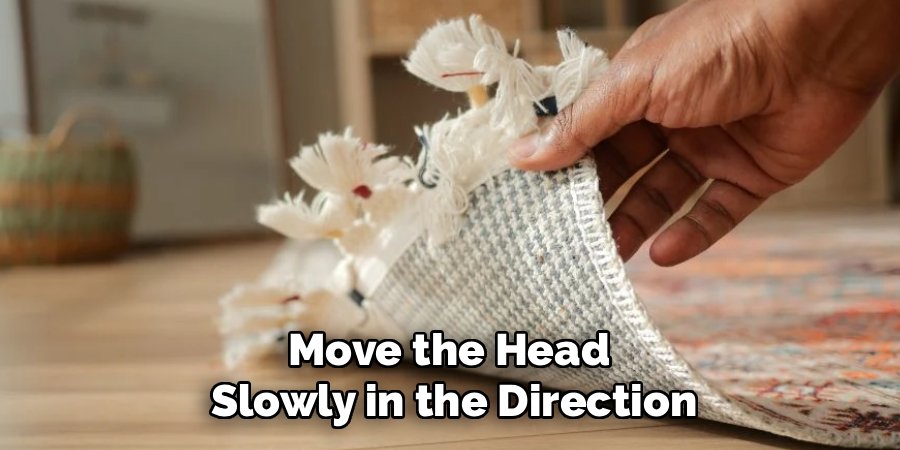
Move the head slowly in the direction of the pile, never against it. Light, straight passes lift grit off the surface without dragging at the fibers. If your rug is small, take it outside and shake it instead; that’s gentler than any machine.
Catch Shedding Early
New viscose sheds loose fiber for the first month or two. Vacuum lightly twice a week during that window rather than digging in hard once — you’ll clear the loose fuzz without pulling out fibers that are still anchored.
Blot Spills the Second They Land
Speed is everything. The longer liquid sits, the deeper it wicks into the backing and the higher your chance of a brown ring.
Press Straight Down, Don’t Wipe
Fold a white towel and press it flat onto the spill. Push straight down and lift — no sideways wiping, no circular rubbing. Keep moving to a dry section of towel until almost no more liquid transfers. You’re trying to lift the liquid out, not spread it around.
Reach for Powder on Grease
For oily or greasy spills, skip liquid entirely at first. Sprinkle baking soda or cornstarch over the spot, leave it 20 to 30 minutes to draw the grease up, then vacuum it away. This absorbs the worst of a greasy mark before you ever introduce moisture.
Spot-Clean Without Soaking
Only after blotting do you treat the mark itself, and even then you use the least moisture possible.
Mix a Barely-Damp Solution
Combine one cup of lukewarm water with a quarter teaspoon of clear dish soap, or use a rug-safe dry solvent straight. Mist a white cloth — not the rug — until it’s just damp, never dripping. Dab the stain from the outer edge inward so you don’t push it wider.
Dry It Immediately
This is the step people skip and regret. The instant you’ve lifted the mark, press a dry towel over the spot, then aim a hairdryer on the cool or low setting across the fibers, or park a fan beside it. Keep drying until the pile feels completely dry to the touch. A viscose rug left to air-dry slowly is a viscose rug growing a brown ring.
- Blot the fresh spill dry with a white towel — press, don’t wipe.
- For grease, apply powder first and vacuum after 30 minutes.
- Mist a cloth (not the rug) with a barely-damp soap or solvent solution.
- Dab the stain edge-to-center with the damp cloth.
- Press a dry towel down hard to pull moisture back out.
- Dry fast with cool air until the pile is bone dry.
- Once dry, brush the pile gently in one direction to restore the nap.
Method Comparison: What Works and What Wrecks It
| Approach | Safe for Viscose? | Why |
| Suction-only vacuuming | Yes | Lifts grit without tearing fibers |
| Dry powder on grease | Yes | Absorbs oil with zero moisture |
| Barely-damp spot-cloth | Yes, with care | Minimal water, dried fast |
| Diluted white vinegar | Light use only | Helps odor; still keep it minimal |
| Cool-air drying | Yes | Prevents browning |
| Soaking / saturating | No | Fibers weaken and yellow |
| Rubbing or scrubbing | No | Felts and fuzzes the pile |
| Steam cleaning | No | Heat plus water destroys the fiber |
| Beater-bar vacuum | No | Rips and sheds the pile |
| Hot water | No | Sets stains and causes browning |
Common Mistakes to Avoid
- Soaking the rug. Wet viscose is weak viscose. Every extra drop raises your risk of a brown ring you can’t remove.
- Rubbing or scrubbing. It felts the fibers into a matted, dull patch that never fully recovers.
- Using hot water or steam. Heat combined with moisture is the fastest route to permanent yellowing.
- Letting it air-dry slowly. Slow drying is what triggers browning. Always force-dry with cool air.
- Vacuuming with a beater bar. The spinning brush tears fibers loose and leaves your rug shedding.
- Grabbing colored cloths or sponges. Dye transfers into pale viscose almost instantly.
- Ignoring the backing. If liquid soaks through to the backing and pad, it wicks back up and browns from underneath.
Safety and Warnings
Cleaning viscose is more about protecting the rug than protecting yourself, but a few real cautions apply.
- Never mix cleaning products. If you move from a soap solution to a solvent or vinegar, don’t combine them — some rug solvents and household cleaners release fumes when mixed. Use one product at a time.
- Ventilate for solvents. Dry-cleaning solvents give off strong vapors. Open a window and run a fan, and don’t use them in a small closed room.
- Test in a hidden corner first. Dab any solution on the back edge or an area under furniture and let it dry fully before treating a visible spot — this catches dye bleed and browning before it ruins the middle of the rug.
- Wear gloves with solvents to avoid skin irritation.
- Keep the hairdryer cool. High heat doesn’t just risk the fiber — it can scorch a synthetic backing. Low or cool air only.
When a spill involves anything oily, colored, or acidic like red wine, and the rug is expensive or heirloom quality, call a professional who cleans viscose specifically. The cost of a proper clean is far less than replacing a rug you’ve browned at home.
Keep Your Viscose Rug Looking Good Longer
The best cleaning is the cleaning you never have to do. A little prevention keeps this fragile fiber presentable for years.
- Keep it out of high-traffic zones. Viscose belongs in a bedroom or formal sitting room, not a hallway or kitchen. It simply isn’t built for heavy footfall.
- Use a rug pad underneath. A good pad stops sliding, cushions the fibers, and adds a moisture barrier between the rug and the floor.
- Ban food and drink nearby. Since spills are your biggest enemy, the easiest win is keeping liquids away from the rug entirely.
- Rotate it every few months. This spreads foot traffic and evens out the shading so no single area wears or flattens first.
- Take shoes off. Grit and outdoor grime grind into viscose fast, and shoes track in the oils that cause the worst marks.
- Deal with spills instantly. Keep a white towel within reach if the rug is anywhere spills happen. Seconds matter with this fiber.
- Keep humidity down. In damp seasons, a dehumidifier or good airflow stops viscose from holding onto moisture and dulling. I always warned clients that late winter, with the heating on and windows shut, was prime time for a rug to trap dampness and start looking tired.
Frequently Asked Questions
Can you clean a viscose rug with water?
Only in the smallest amounts, and never by soaking it. Viscose loses much of its strength when wet and yellows if it stays damp, so you mist a cloth rather than the rug, dab gently, and then force-dry the area with cool air right away. For anything more than a small fresh spot, a dry solvent or a professional clean is the safer choice.

Why does my viscose rug turn yellow or brown after cleaning?
That’s cellulosic browning, and it happens when the fiber stays wet too long. Wood-pulp fibers release a compound as they slowly dry that leaves a dull yellow-brown ring, often larger than the original spill. Keeping moisture minimal and drying fast with a fan or cool hairdryer is the only reliable way to prevent it.
How do you get stains out of a viscose rug?
Blot first — press a dry white towel straight down to lift as much as possible without wiping. For grease, cover the spot with baking soda or cornstarch and vacuum it up after half an hour. Only then dab the mark with a barely-damp soapy cloth from the edge inward, and dry it immediately. Set-in or colored stains usually need a professional.
Can you steam clean a viscose rug?
No. Steam combines the two things viscose hates most — heat and water — and it will weaken the fibers, felt the pile, and often trigger permanent browning. Stick to dry methods and minimal-moisture spot cleaning.
Why does my viscose rug change color when I walk on it?
That’s shading or watermarking, not a stain. As the pile flattens in different directions it reflects light differently, so patches look lighter or darker. It’s completely normal for the fiber and brushing the pile gently in one direction evens it back out.
How often should you clean a viscose rug?
Vacuum lightly once or twice a week with suction only, and blot spills the moment they happen. Beyond that, viscose needs very little routine cleaning — a professional freshen-up once a year is plenty for most rugs, and over-cleaning does more harm than good.
Final Word
Treat viscose like the delicate, thirsty fiber it is: keep water to a whisper, blot instead of scrub, and dry every damp spot fast. Do that, and a rug most people write off as fussy will stay soft and elegant far longer than they expect.
